New Particle Data Review compiles latest measurements of the Higgs and other particles
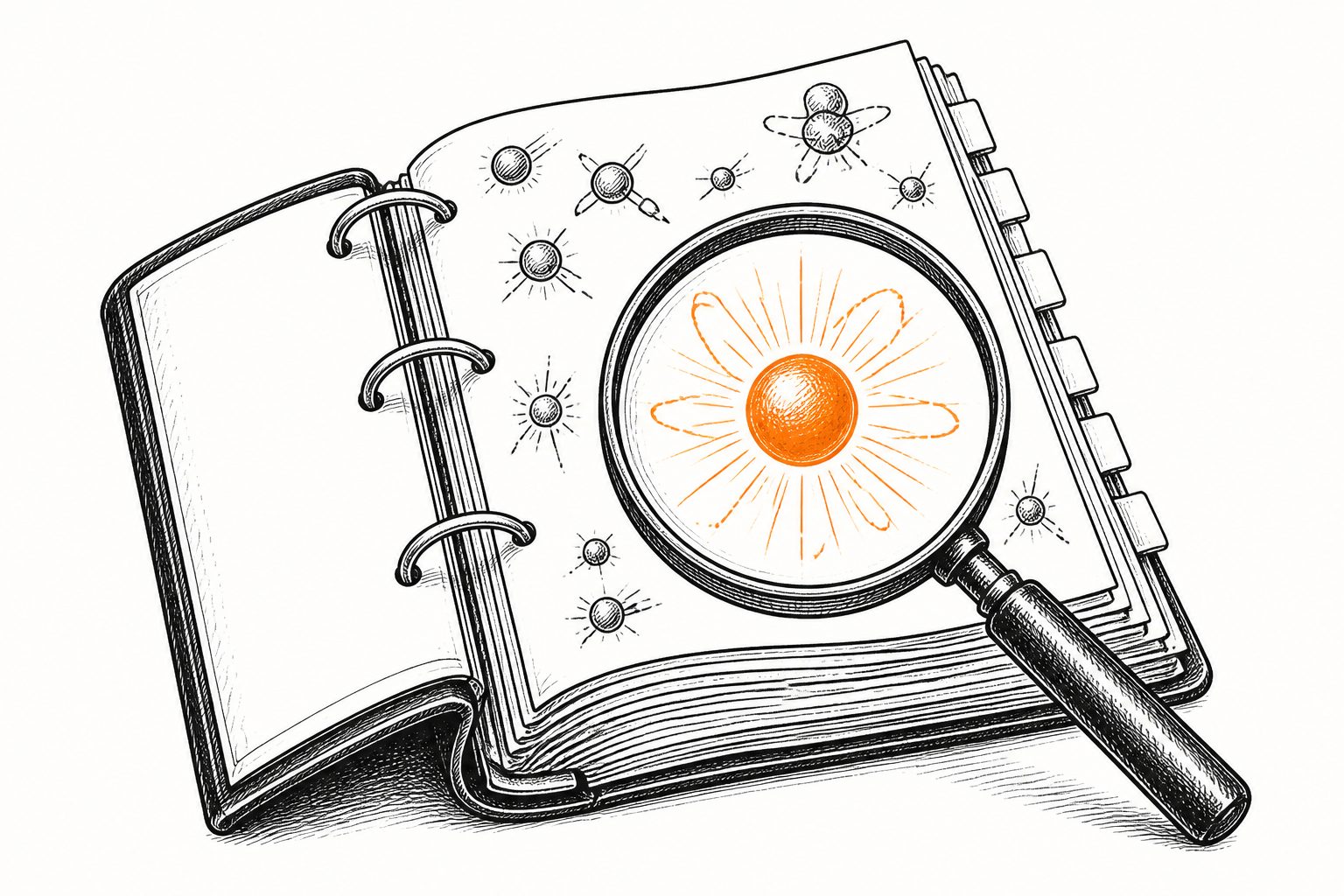
The updated report gathers thousands of recent results and summarizes measured properties and search limits for particles ranging from Higgs to dark-matter candidates.
Editorial illustration — not from the study.
The International Journal of Modern Physics A publishes an updated Review that summarizes much of particle physics and cosmology. It builds on earlier editions and adds 3,200 new measurements from 903 papers, reporting and averaging measured properties of gauge bosons and the Higgs boson, along with leptons, quarks, and hadrons such as mesons and baryons.
The review also describes searches for hypothetical particles—such as supersymmetric particles, heavy bosons, axions, and dark photons—and lays out particle properties and search limits in summary tables. It is organized into two volumes: one with summary tables and review articles, and another with particle listings plus reviews focused on specific aspects of the data.
Compiled particle measurements
The Review summarizes and evaluates measured properties of gauge bosons and the Higgs boson, as well as leptons, quarks, mesons, and baryons, using data from previous editions plus 3,200 new measurements from 903 papers. It also compiles and summarizes searches for hypothetical particles such as supersymmetric particles, heavy bosons, axions, and dark photons, with particle properties and search limits provided in Summary Tables. The full Review contains 118 reviews that are updated, many heavily revised, and is split into two volumes: Volume 1 with Summary Tables and 96 review articles, and Volume 2 with Particle Listings plus 22 focused reviews.
A shared reference for results
By collecting and averaging many measured particle properties and by listing search limits for proposed new particles, the Review provides a consolidated reference for how experimental results currently fit together across Higgs and other particle measurements. Its updated summary tables and extensive review articles reflect the latest evidence used by the community to interpret results and plan future tests.
Review of published evidence
This work is a structured review that compiles and evaluates published measurements and search results, including new inputs (3,200 measurements from 903 papers), rather than presenting a new experiment or new data. Because it is an aggregation of reported studies, its conclusions depend on what was measured and how results were reported in the underlying papers; the abstract does not describe methods for handling conflicting measurements or quantify remaining uncertainties beyond noting that properties and search limits are listed in summary tables.
// Source
International Journal of Modern Physics A · 2026 · DOI: 10.1142/s0217751x26300115
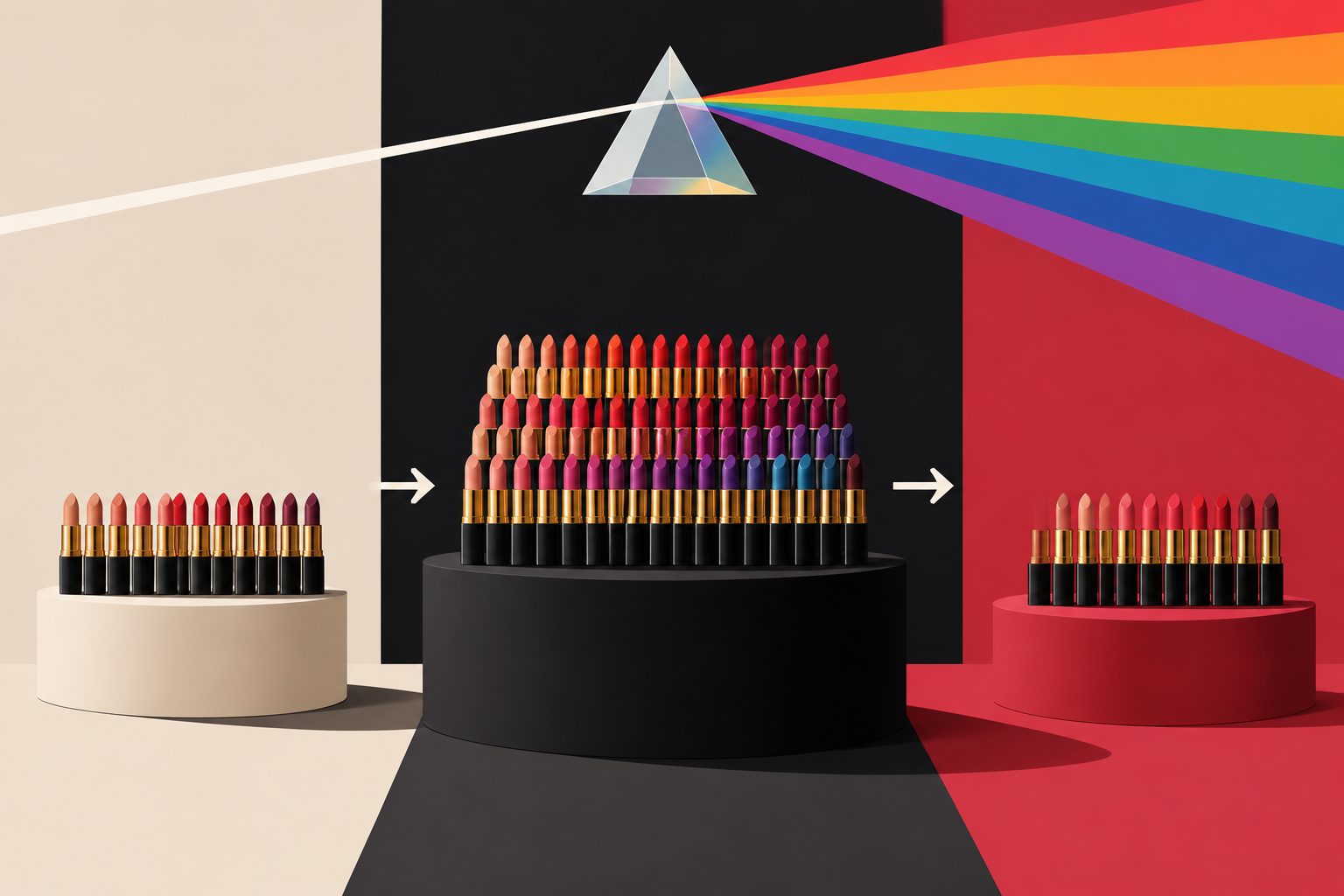
Chanel’s lipstick range expanded from 12 colors in 1960 to 55 in 2005 before contracting, according to a study of archived color charts. Across the years, yellow-leaning reds remained common, while very dark shades became more prominent after 1972.
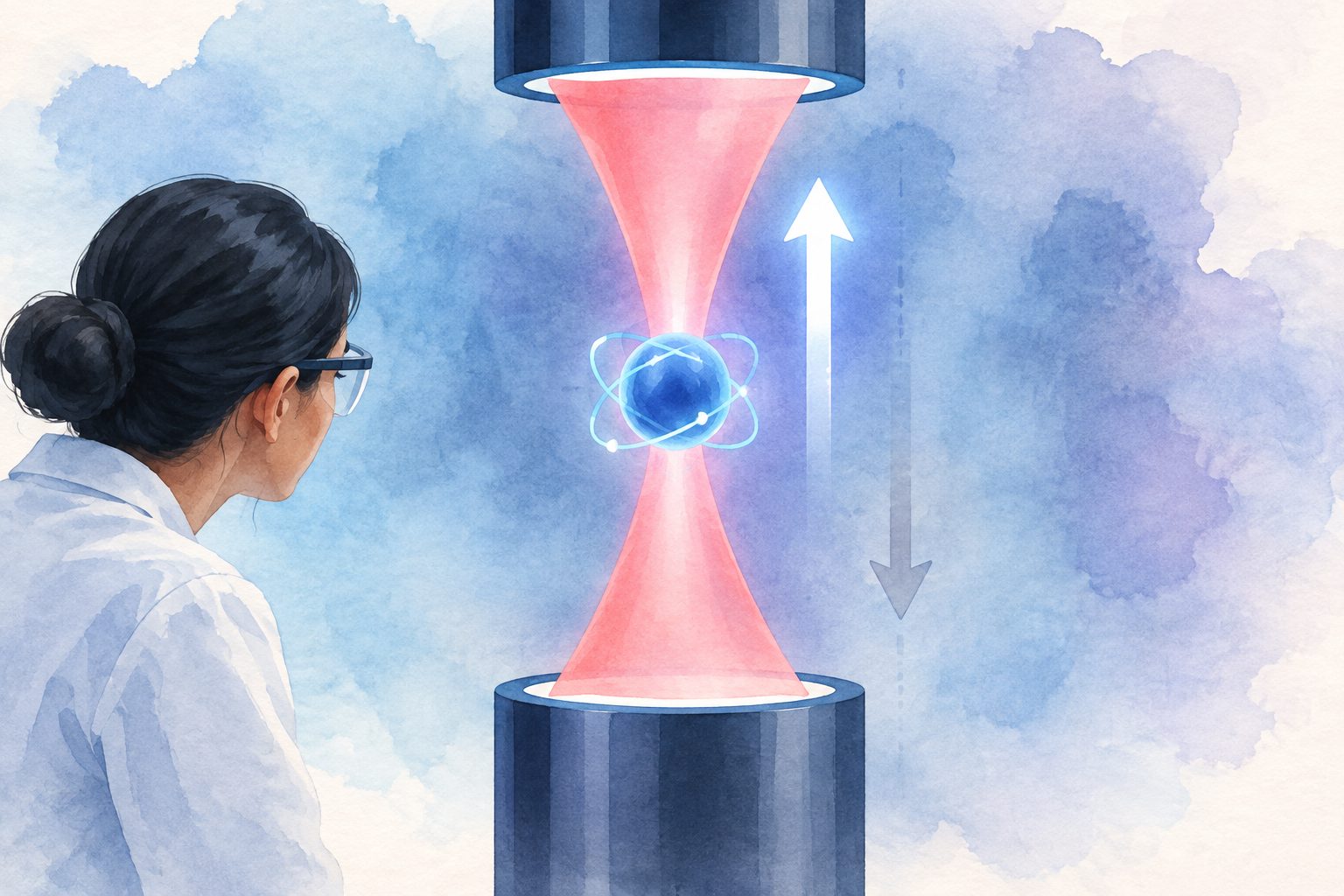
A theoretical study proposes an experiment in which a mass placed in a quantum superposition could produce an effectively repulsive gravitational effect on another particle. The effect would arise from quantum interference and, if observed, would conflict with general relativity’s description of gravity as always attractive.
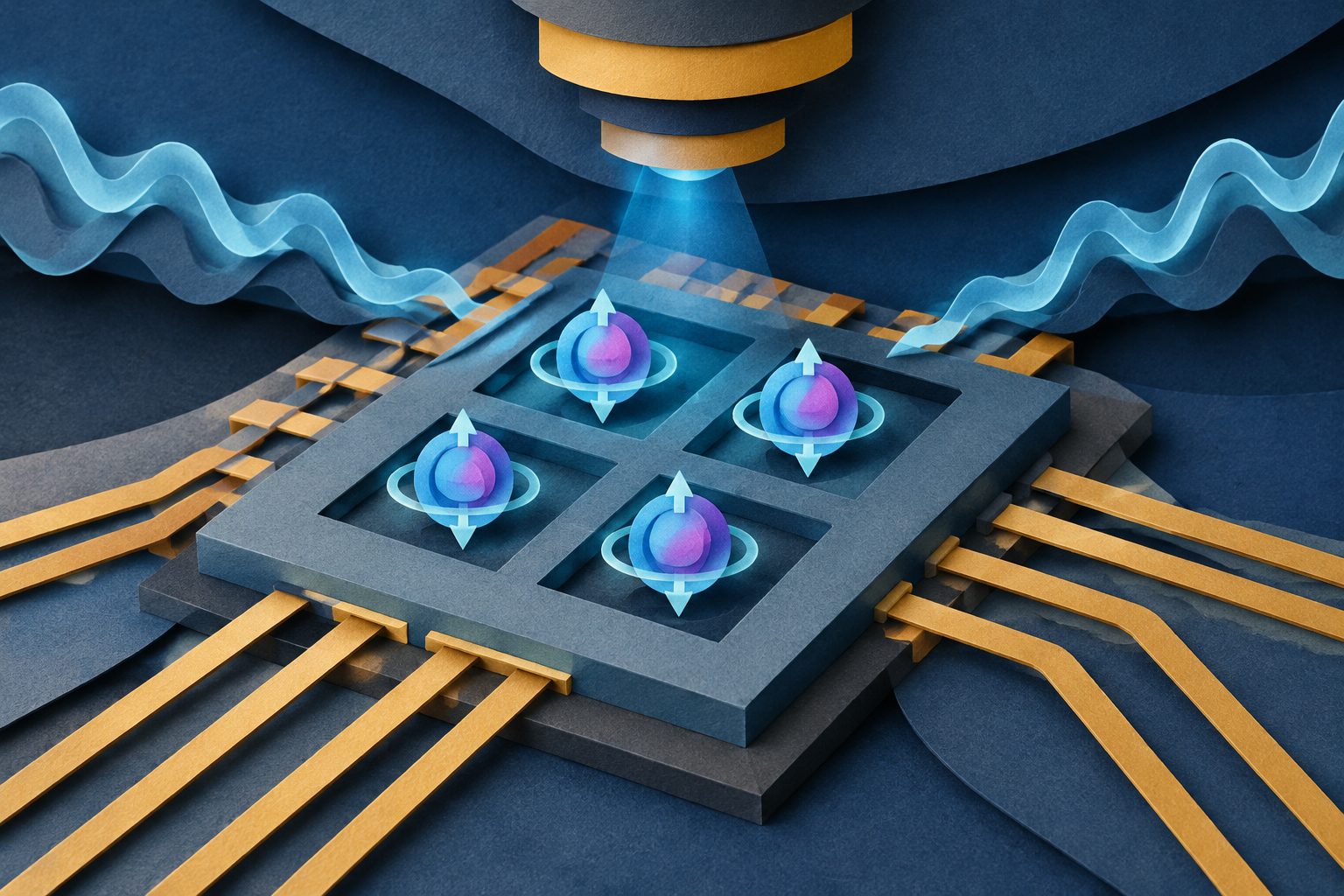
Researchers report that silicon spin qubits can perform precise operations in parallel, overcoming a major source of error during simultaneous control. In a five-qubit array, gate fidelities stayed above 99.99% for up to three qubits and above 99.9% when all five operated together.