Trending research

Topics and articles attracting the most attention over the past week.

Abstract editorial illustration accompanying the article: When people guide AI coding, the tests are better organized

When people guide AI coding, the tests are better organized

An exploratory study compared four ways to develop software with and without conversational AI systems. Human–AI collaboration produced higher-quality, better-organized test suites, while autonomous AI agents generated functionally correct code more quickly but added complexity and untested decisions.

·62 views
Abstract editorial illustration accompanying the article: Trial suggests one hand sanitizer was linked to fewer respiratory symptoms
Health & Medicine
Moderate evidenceHuman study

Trial suggests one hand sanitizer was linked to fewer respiratory symptoms

This human randomized trial compared repeated use of a study hand-sanitizer formulation with a commercially available 79.7% ethanol sanitizer among 568 employees and cohabiting family members in Japan. The study-formulation group had fewer reported upper respiratory symptoms and illness-related work restrictions during the 72-day winter study, although the findings do not establish how well they apply to other populations or longer periods.

·59 views
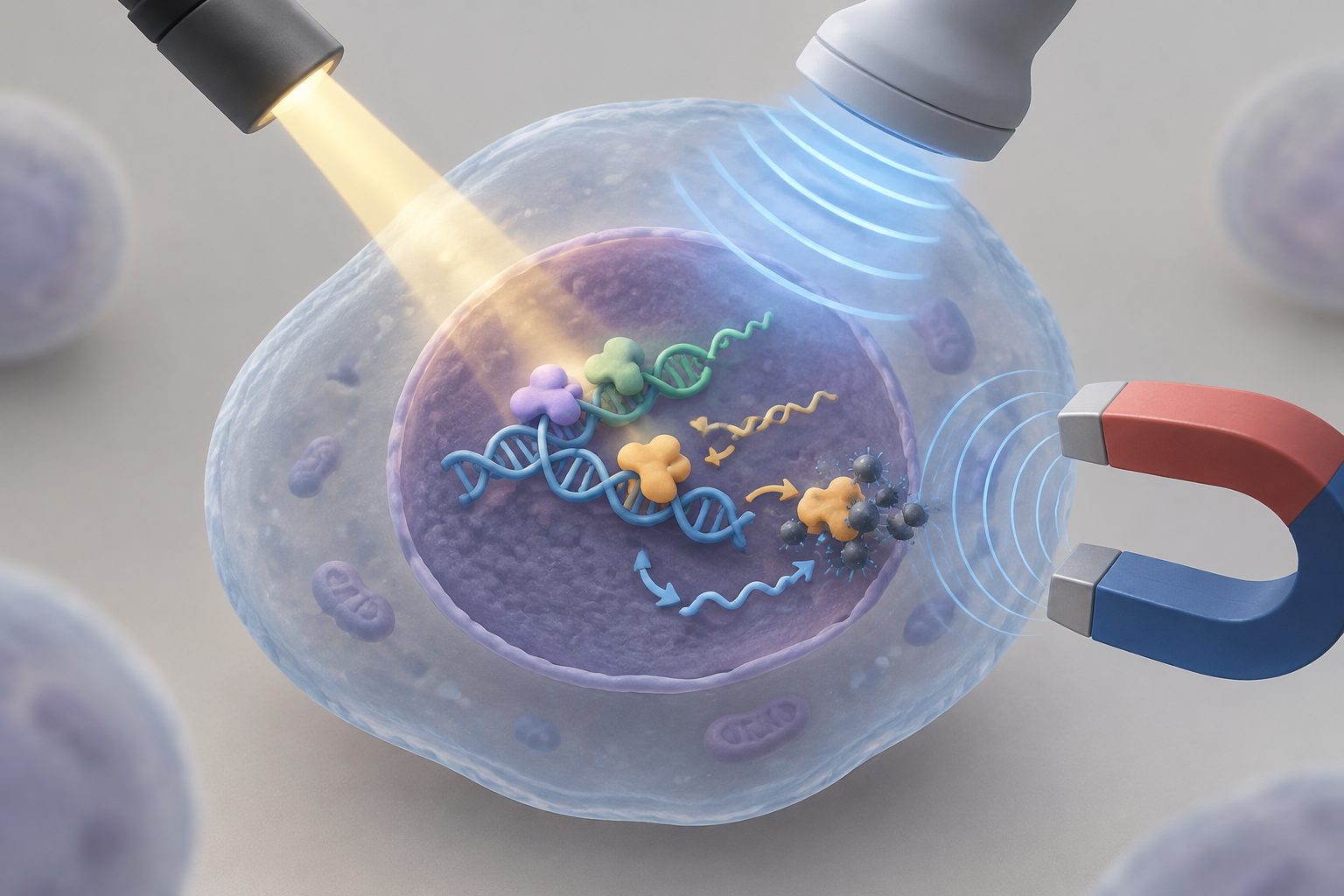
Abstract editorial illustration accompanying the article: Light, ultrasound and magnets are being used to steer genes in cells

Light, ultrasound and magnets are being used to steer genes in cells

Researchers have reviewed genetic circuits that use light, ultrasound or magnetic fields to control gene activity and cell functions. The analysis compares how these systems sense outside signals, process them inside cells and produce genetic responses, while outlining the tests needed for potential medical use.

·54 views
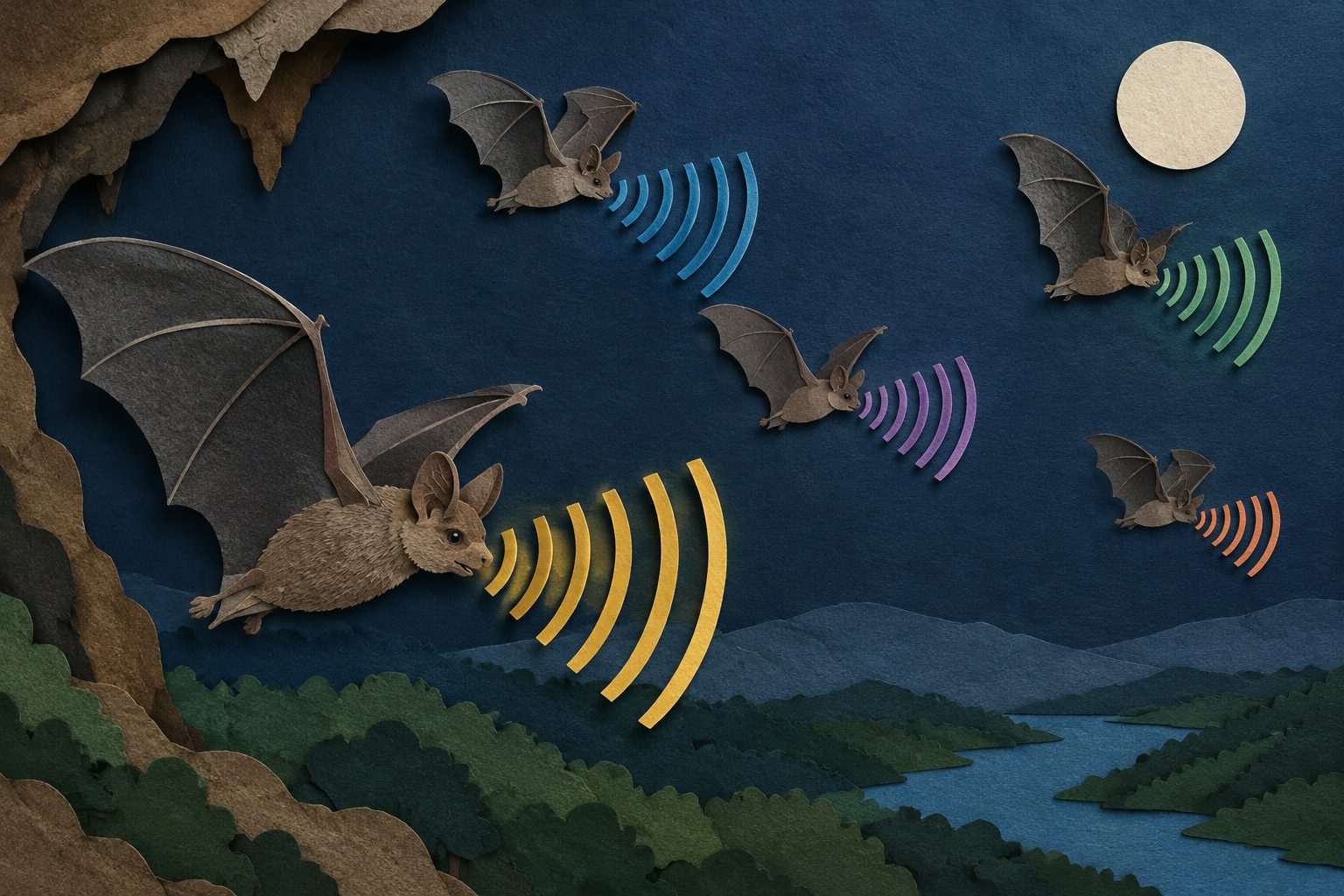
Abstract editorial illustration accompanying the article: How group-flying bats keep their echolocation calls from clashing

How group-flying bats keep their echolocation calls from clashing

Japanese bent-winged bats adjusted their echolocation frequencies in response to sounds that could interfere with their calls. A mathematical model and a two-dimensional group simulation indicate that this self-organized behavior can reduce potential misdetections across a flying group.

·51 views