Biology

Life sciences: genetics, neuroscience, ecology and molecular biology.

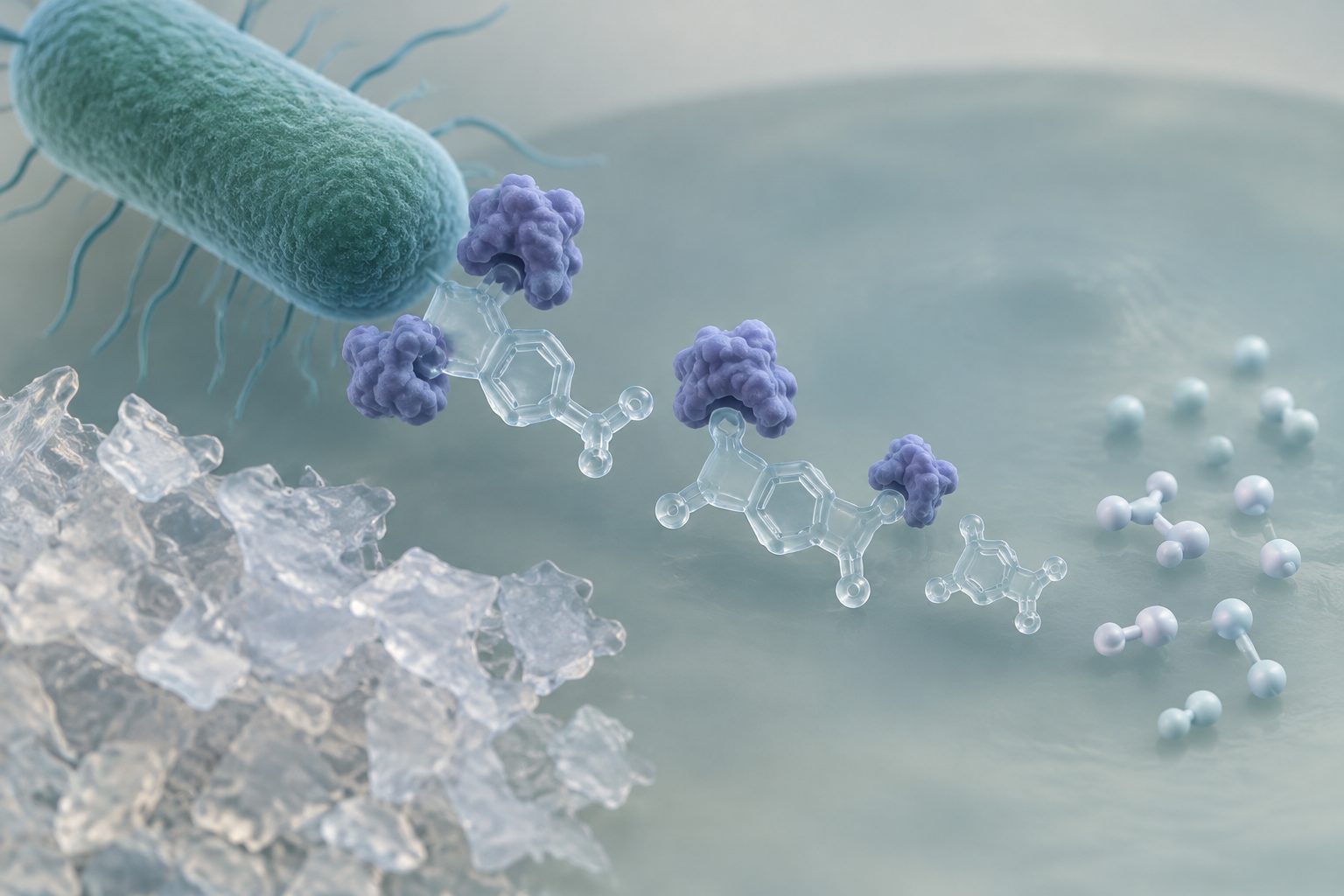
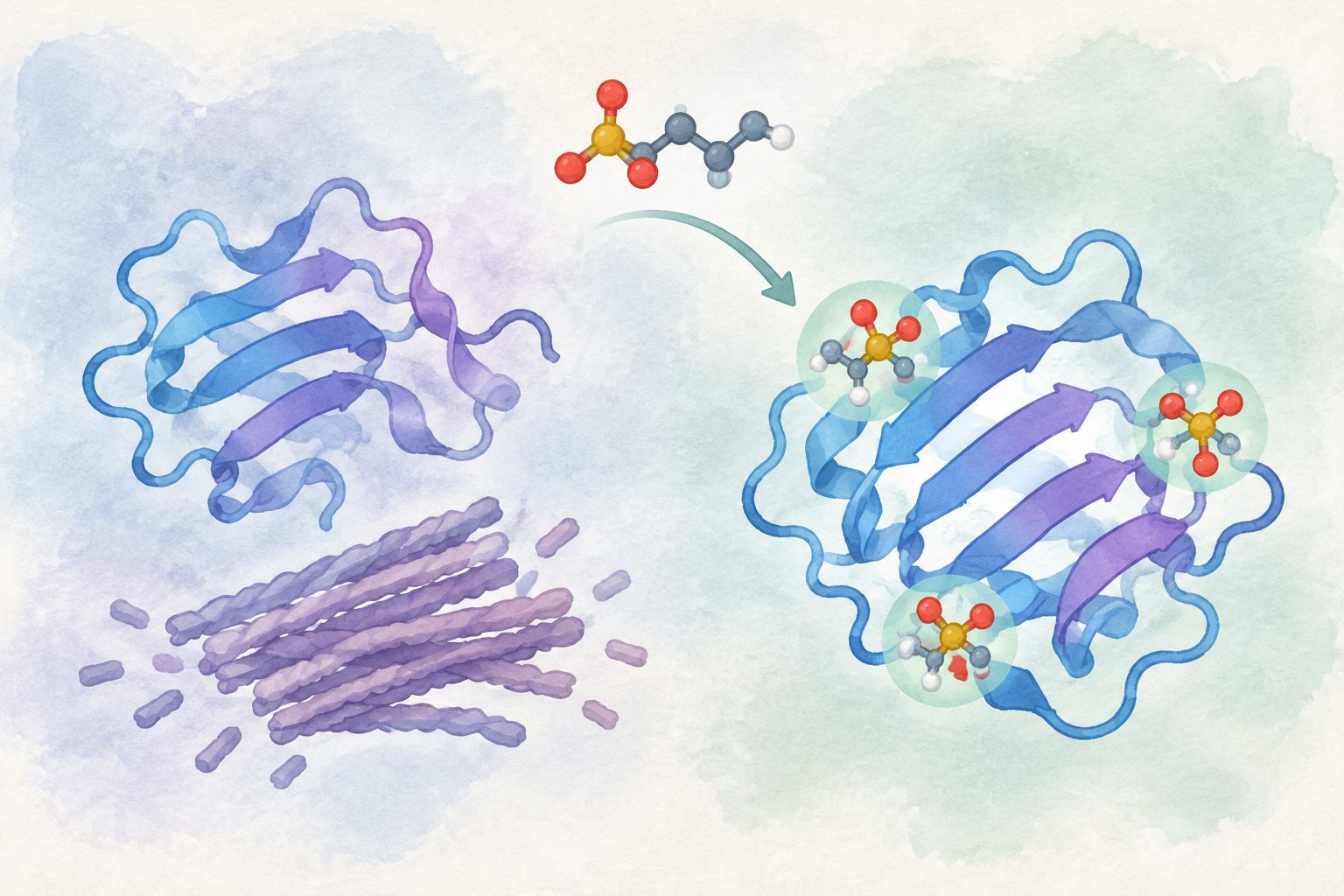
Abstract editorial illustration accompanying the article: Taurine helped steady a protein linked to amyloidosis in lab tests

Taurine helped steady a protein linked to amyloidosis in lab tests

Laboratory experiments suggest that taurine can regulate transthyretin, a protein involved in thyroid hormone transport and several amyloid diseases. Taurine increased transthyretin’s affinity for thyroid hormone and showed anti-aggregation effects, but its potential as a treatment has not been tested in people.

·50 views
Abstract editorial illustration accompanying the article: A brain drainage network may link fluid clearance to neurodegeneration

A brain drainage network may link fluid clearance to neurodegeneration

A review examines the brain’s fluid-clearance pathways and their connections with the body’s lymphatic, immune and vascular systems. It links impaired clearance with pathological protein buildup, inflammation and vascular dysfunction, while emphasizing that most therapeutic evidence comes from animal studies.

·64 views
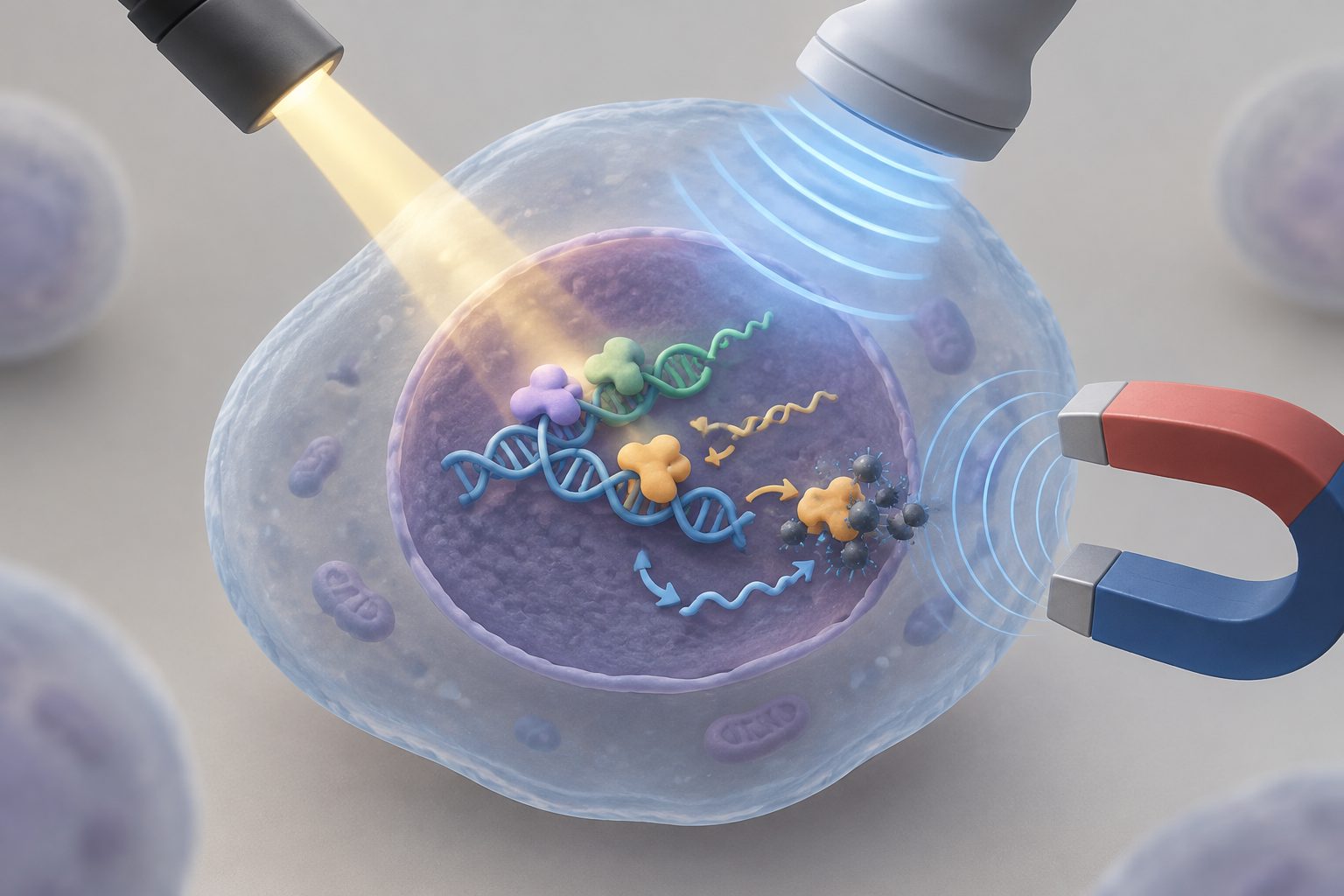
Abstract editorial illustration accompanying the article: Light, ultrasound and magnets are being used to steer genes in cells

Light, ultrasound and magnets are being used to steer genes in cells

Researchers have reviewed genetic circuits that use light, ultrasound or magnetic fields to control gene activity and cell functions. The analysis compares how these systems sense outside signals, process them inside cells and produce genetic responses, while outlining the tests needed for potential medical use.

·231 views
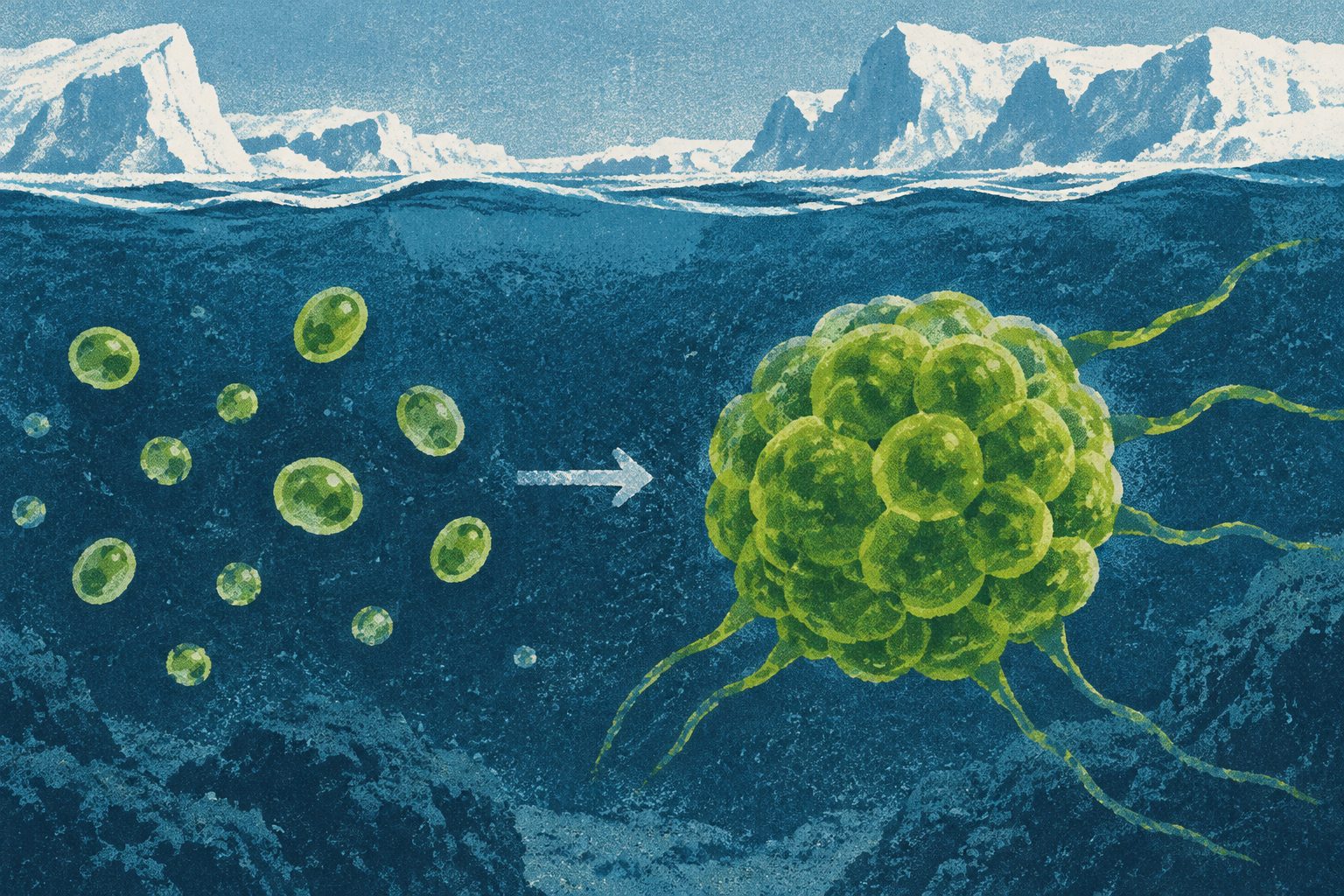
Abstract editorial illustration accompanying the article: Thick, cold oceans may have favored multicellular green algae

Thick, cold oceans may have favored multicellular green algae

Laboratory populations of unicellular green algae evolved motile multicellular forms in water with Snowball Earth-like viscosity. The results suggest that thick, cold oceans may have favored larger, collectively moving organisms during an important period in the evolution of multicellular life.

·53 views
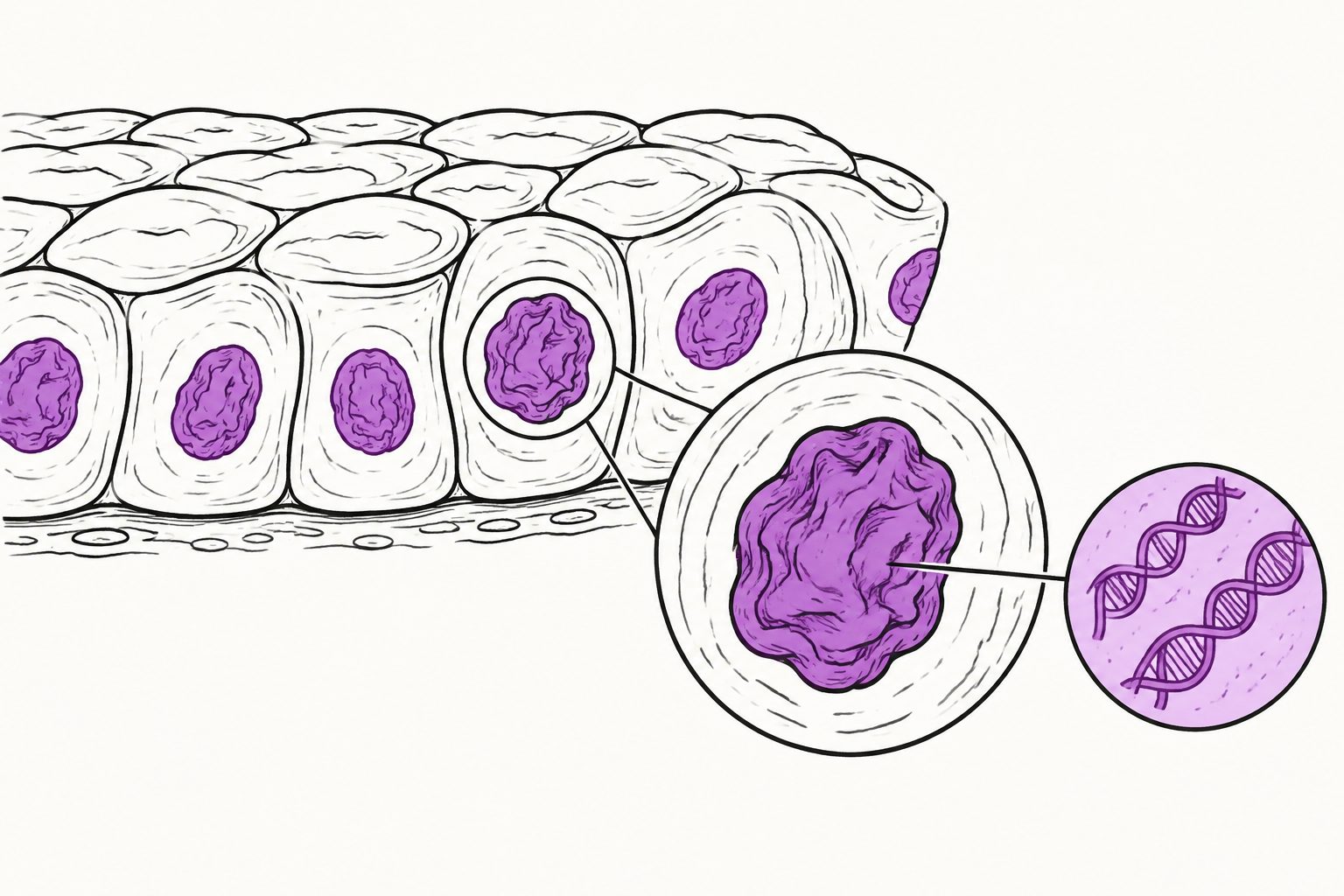
Abstract editorial illustration accompanying the article: Crowded epithelial cells wrinkle their nuclei without detectable DNA damage

Crowded epithelial cells wrinkle their nuclei without detectable DNA damage

Human epithelial cells formed reversible wrinkles in their nuclear envelopes as cell density rose or the cells rounded. The wrinkles appeared without detectable envelope rupture, DNA damage or a stress-associated histone change, supporting a geometric explanation for how nuclei accommodate mechanical constraints.

·59 views
Abstract editorial illustration accompanying the article: Infrared light warmed some flowers, where fewer microbes were found

Infrared light warmed some flowers, where fewer microbes were found

A study of two co-occurring Florida shrub species found that infrared light passing through translucent petal areas warmed one species’ flowers. Warmer flowers had fewer culturable yeasts, molds and bacteria, while natural differences in ultraviolet transmission did not predict microbial abundance or resistance to ultraviolet exposure.

·490 views
Abstract editorial illustration accompanying the article: Overfed newborn mice lost muscle faster and lived shorter lives

Overfed newborn mice lost muscle faster and lived shorter lives

Newborn mice given too much food later developed more severe muscle loss, metabolic problems and shorter lifespans than control mice. Persistent changes in the gut mucus barrier and a decline in the bacterium Akkermansia muciniphila were linked to these effects.

·273 views
Abstract editorial illustration accompanying the article: Bakery waste could add nutrients to bread, but taste may decide its future

Bakery waste could add nutrients to bread, but taste may decide its future

Underused materials such as fruit and vegetable residues, cereal by-products, legume components and spent coffee grounds could add fiber, protein, antioxidants and micronutrients to bakery products, according to a narrative review. The review also highlights artificial intelligence, automation, blockchain and smart packaging as tools for more efficient and traceable production, while noting that sensory quality, regulation, scale-up and consumer perception could limit adoption.

·79 views
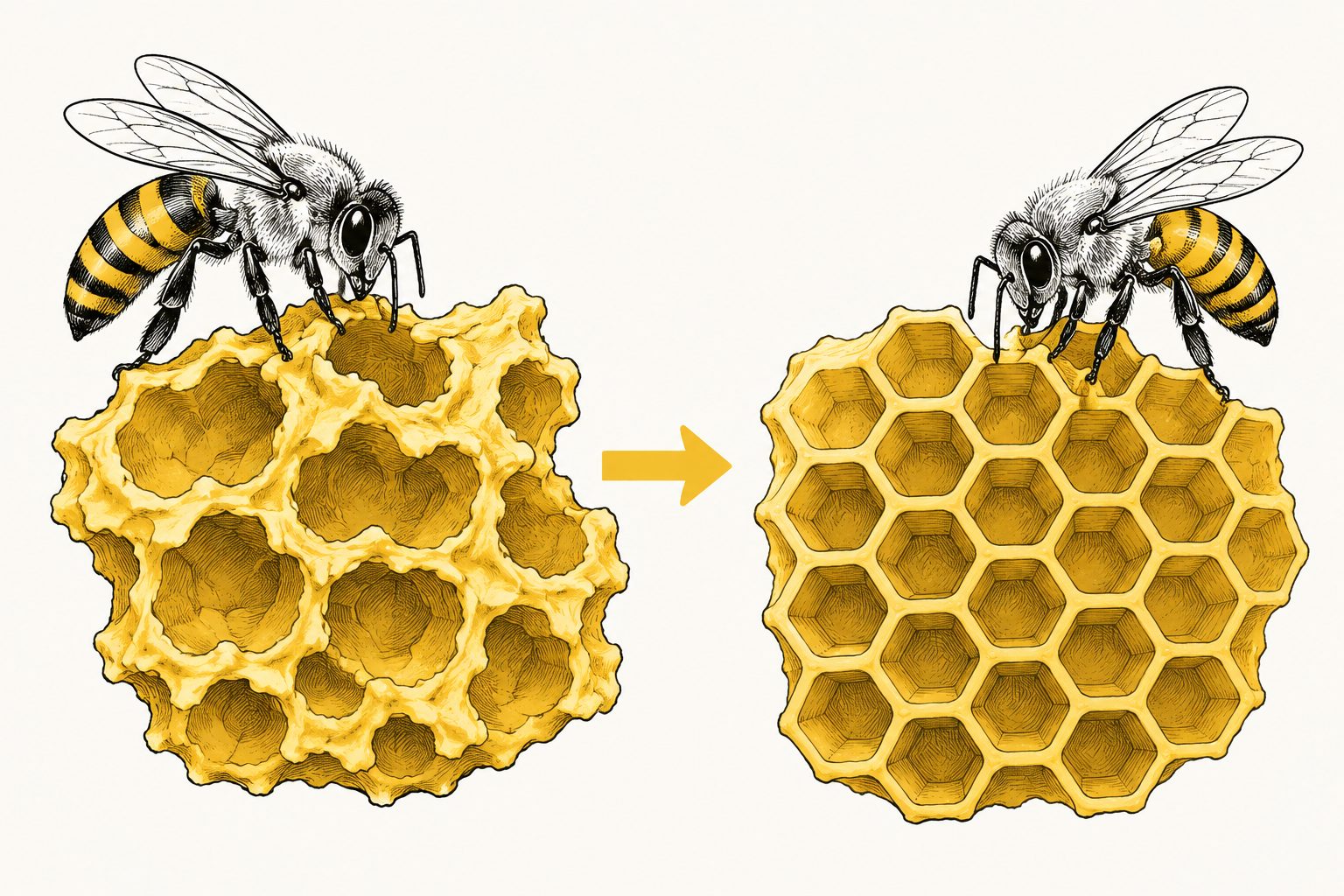
Abstract editorial illustration accompanying the article: Honeybees refine rough wax cells into the regular hexagons of comb

Honeybees refine rough wax cells into the regular hexagons of comb

Honeybee cells begin with uneven walls, curved boundaries and variable angles, but become more regular as workers continue building. The findings suggest that the familiar hexagonal pattern emerges through local adjustments rather than being constructed perfectly from the outset.

·107 views
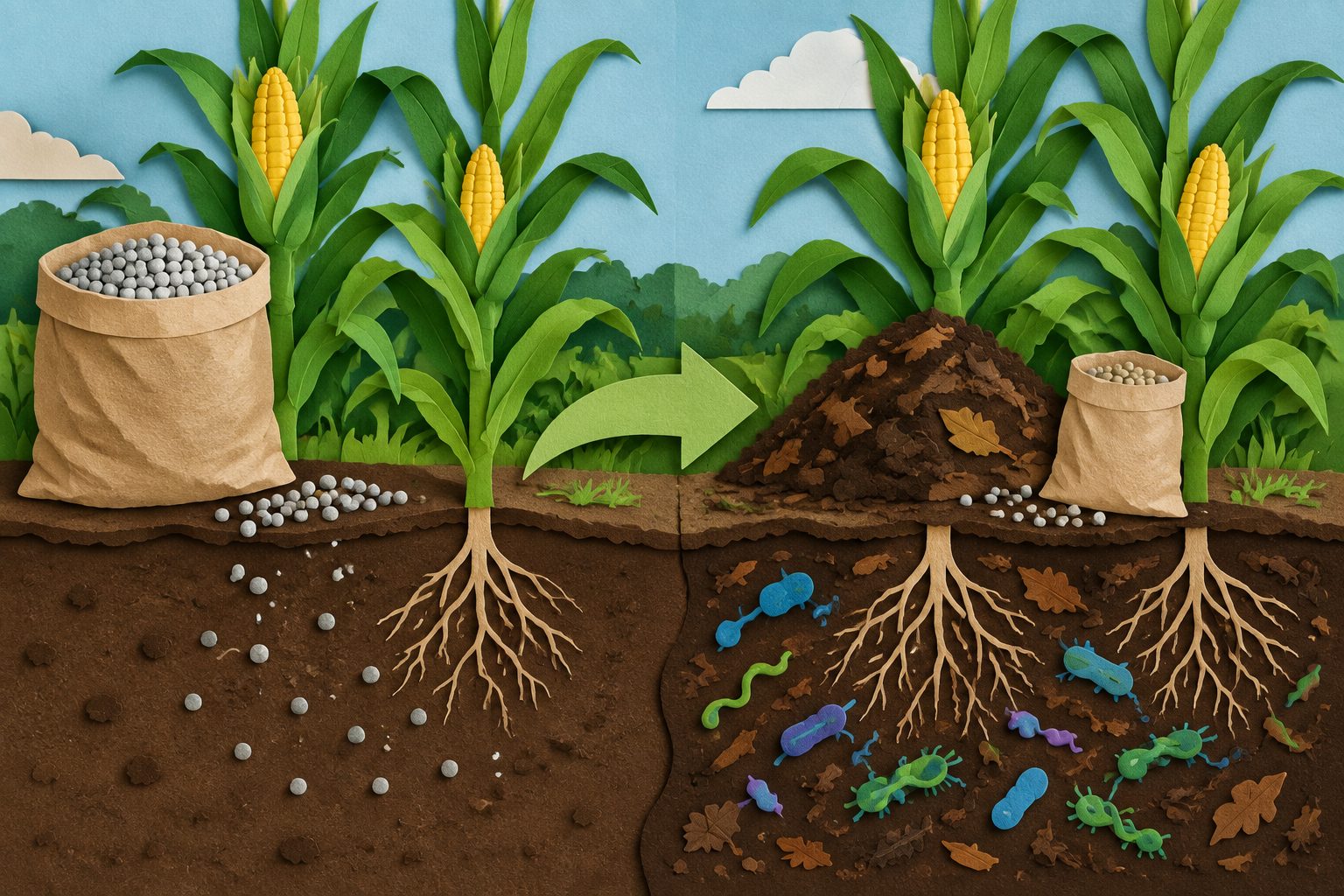
Abstract editorial illustration accompanying the article: A maize field trial used 25% less mineral fertilizer with compost and bacteria

A maize field trial used 25% less mineral fertilizer with compost and bacteria

A field experiment in India found that maize supplied with 75% mineral NPK, vermicompost and Azotobacter–Bacillus inoculation produced 40.8 quintals of grain per hectare. The treatment also improved measures of soil microbial activity compared with sole 100% NPK, but the results need testing across more seasons and locations.

·66 views