Biology

Life sciences: genetics, neuroscience, ecology and molecular biology.

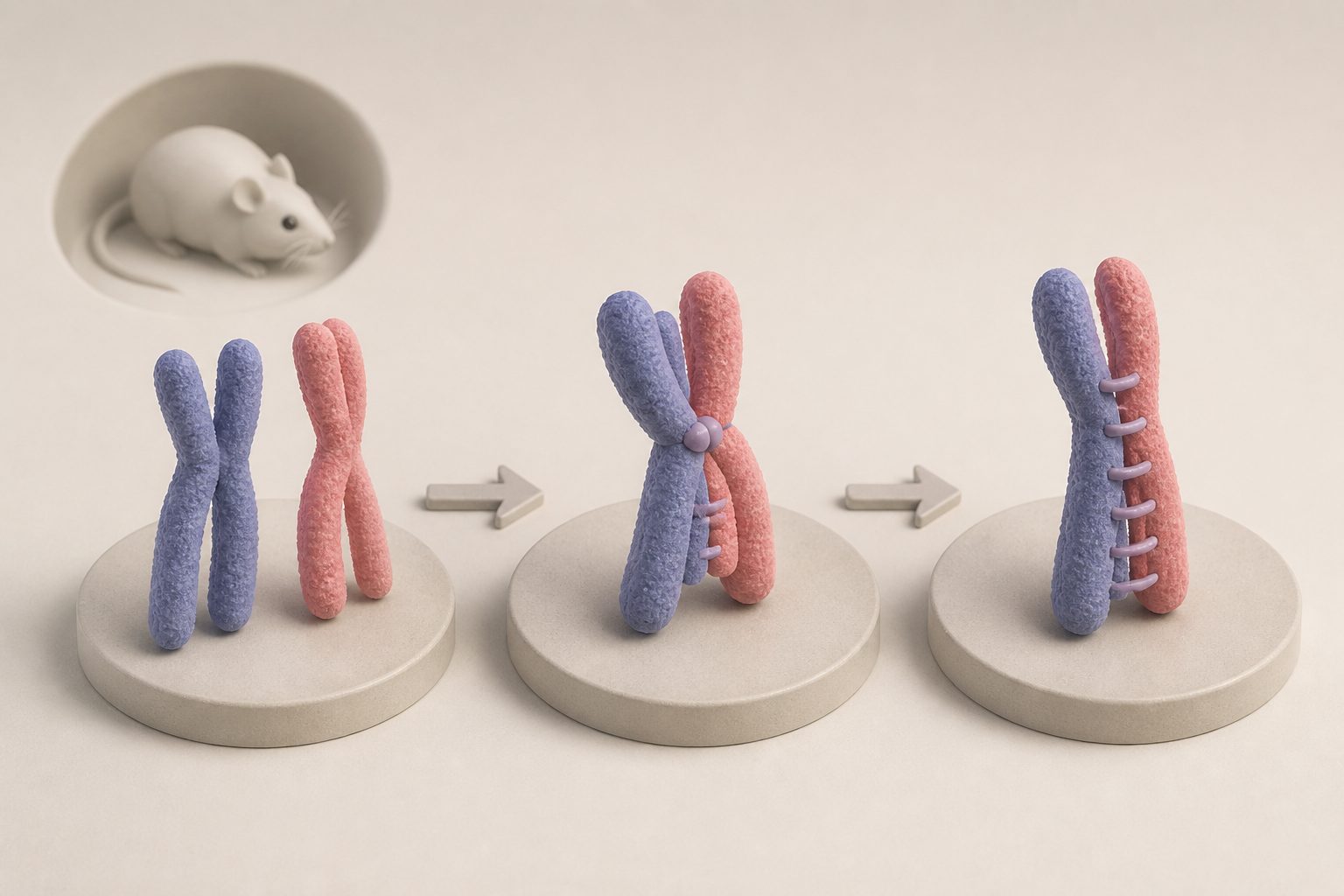
Abstract editorial illustration accompanying the article: Mouse chromosomes pair in three stages as reproductive cells form

Mouse chromosomes pair in three stages as reproductive cells form

Researchers tracked homologous mouse chromosomes as they paired during meiosis, the specialized cell division that produces reproductive cells. The chromosomes moved from widely separated positions to close alignment in three stages, with DNA breaks and recombination helping drive the transitions.

·36 views
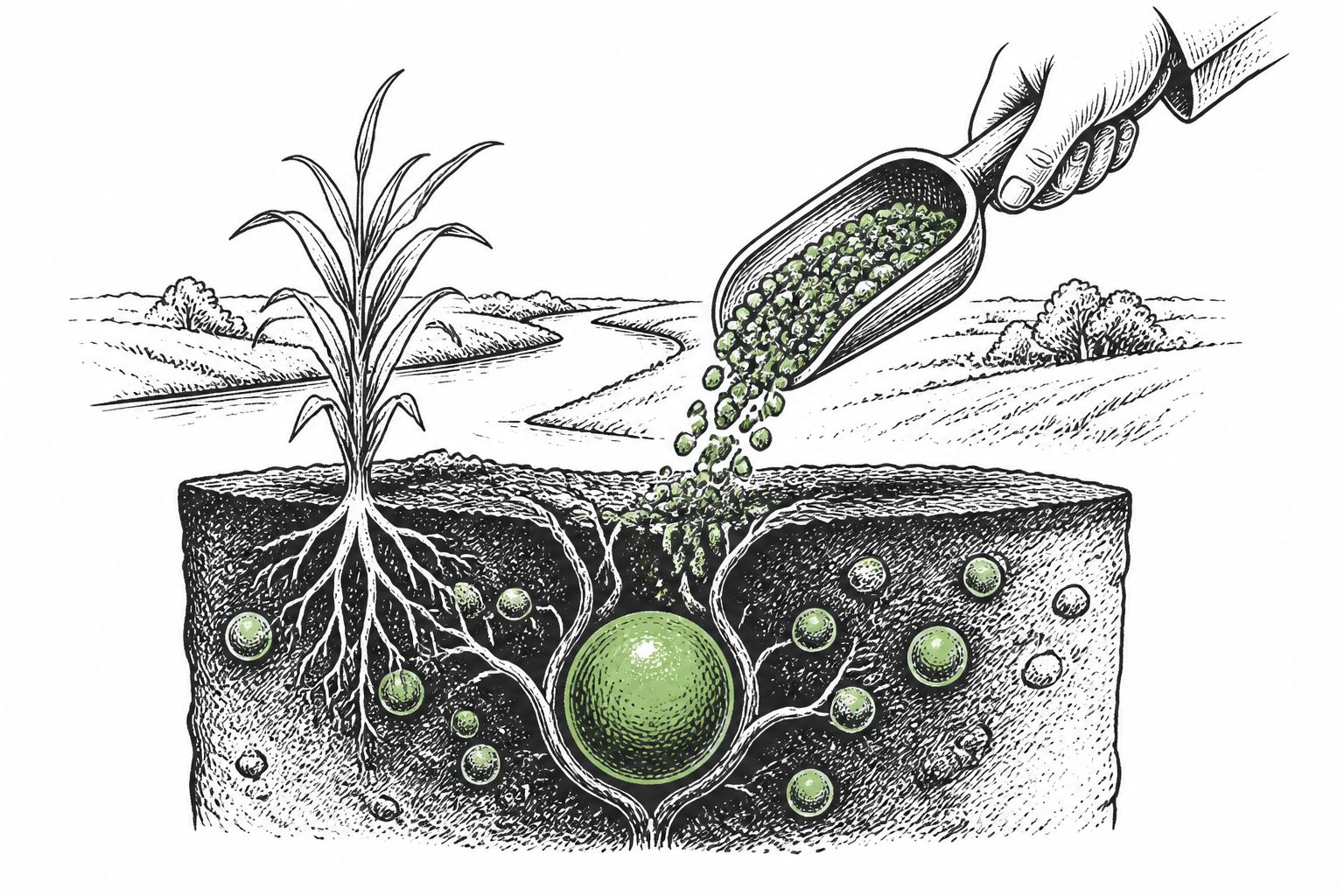
Abstract editorial illustration accompanying the article: Farm lime absorbed more carbon than it released in the Mississippi basin

Farm lime absorbed more carbon than it released in the Mississippi basin

Agricultural lime is generally counted as a source of carbon dioxide, but a study of the Mississippi River Basin finds that it acted as a net carbon sink over the past century. River records indicate that about 90% of the lime’s ideal carbon-removal potential was realized, equivalent to approximately 0.44 gigatonnes of carbon dioxide.

·36 views
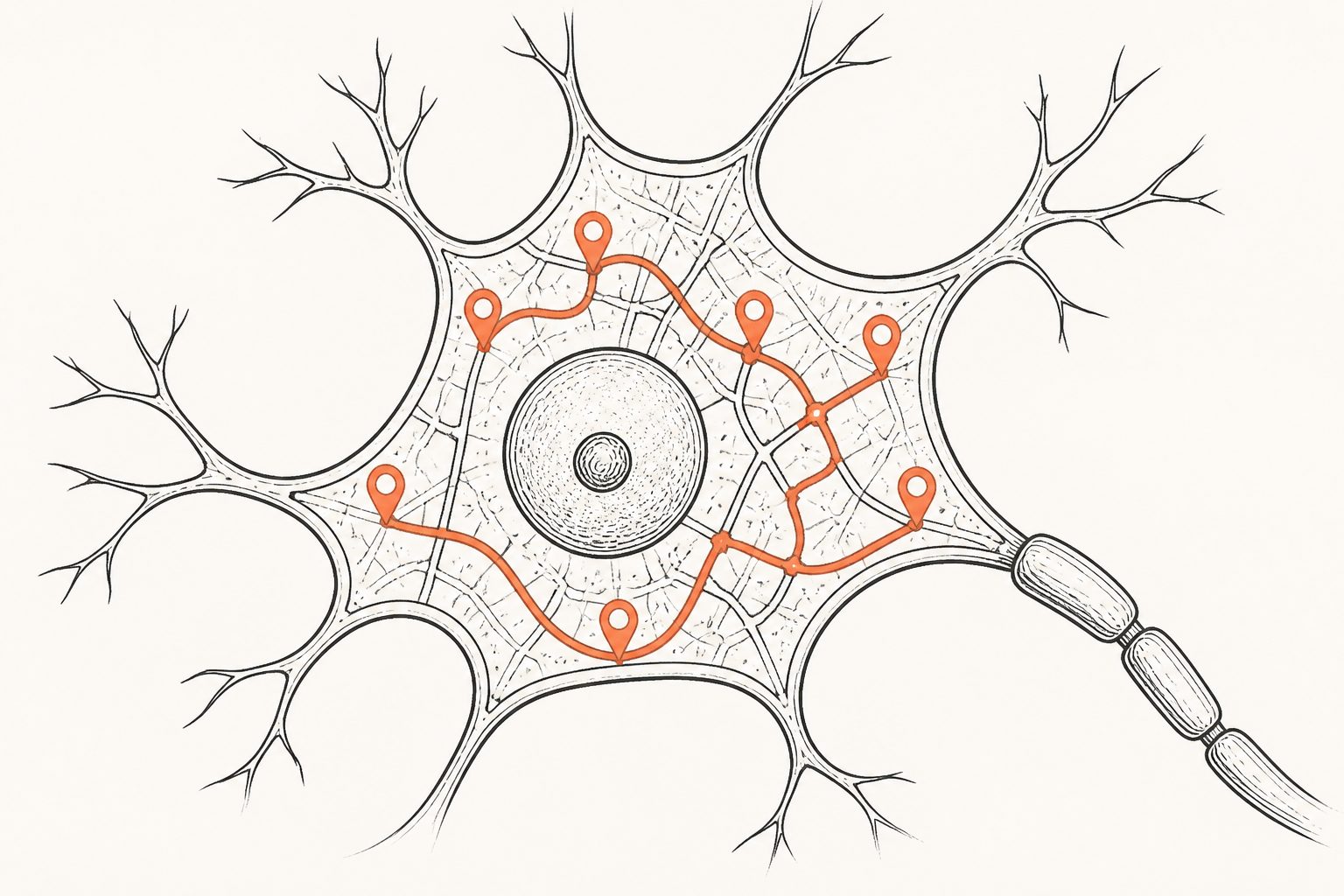
Abstract editorial illustration accompanying the article: A brain-cell map shows how disease-linked genes are regulated

A brain-cell map shows how disease-linked genes are regulated

Researchers created a high-resolution map of genetic regulation in the human prefrontal cortex using 5.6 million nuclei from 1,384 donors. The atlas revealed cell-specific regulation of genes linked to brain disorders that bulk-tissue studies had not detected.

·34 views
Abstract editorial illustration accompanying the article: A brain atlas maps shared and distinct changes across eight disorders

A brain atlas maps shared and distinct changes across eight disorders

Researchers analyzed more than 6.3 million nuclei from the dorsolateral prefrontal cortex of 1,494 donors, including people with eight brain disorders and neurotypical controls. The atlas shows shared cellular changes across diseases, as well as disease- and stage-related differences in Alzheimer’s disease.

·73 views
Abstract editorial illustration accompanying the article: A new theory proposes how the brain’s long-range links build models of the world

A new theory proposes how the brain’s long-range links build models of the world

A letter in Neural Computation extends the Thousand Brains Theory to explain how long-range connections in the neocortex may help the brain build models of objects and the world. It also outlines how the ideas could inform artificial intelligence, while presenting predictions for future experiments rather than new experimental results.

·62 views
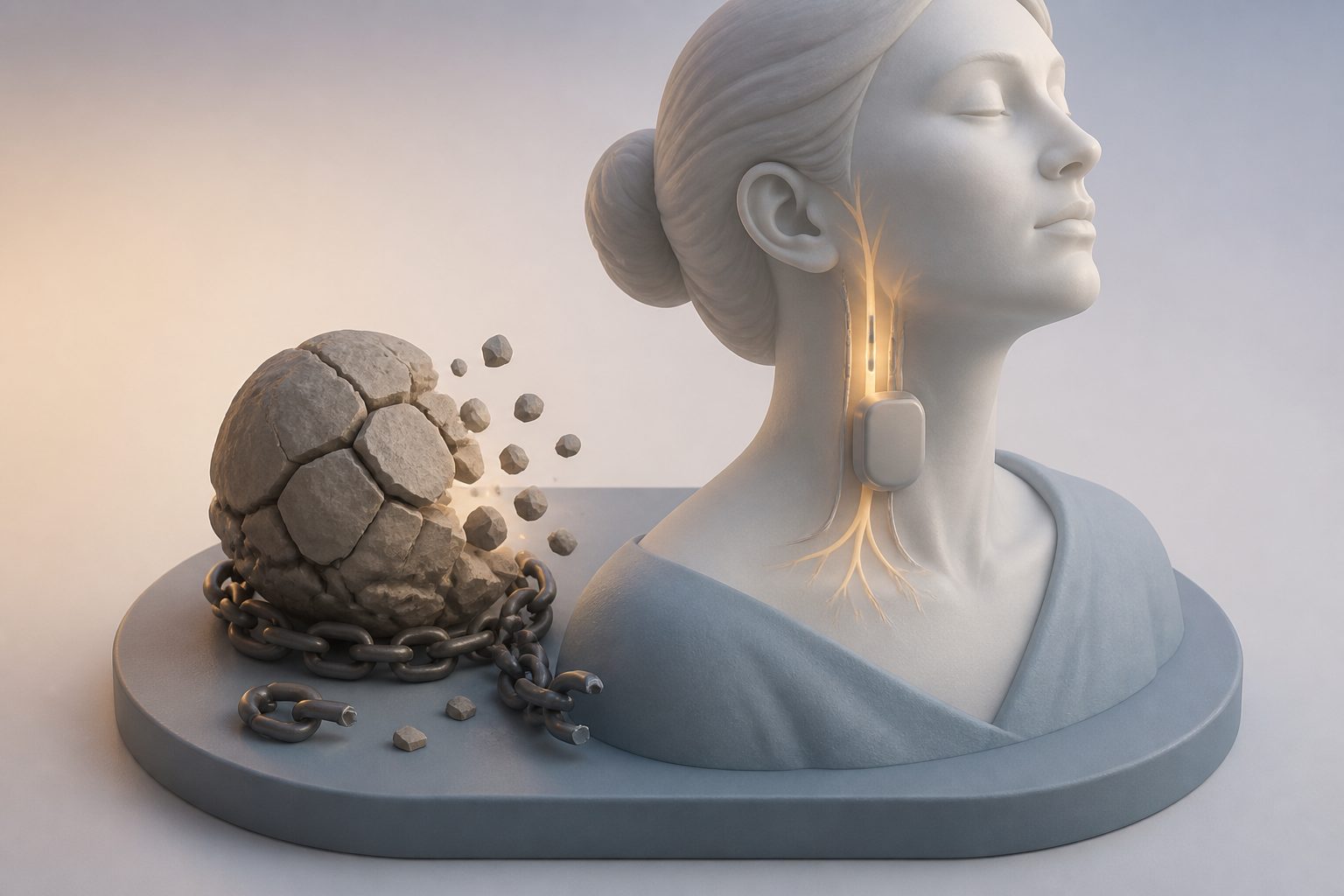
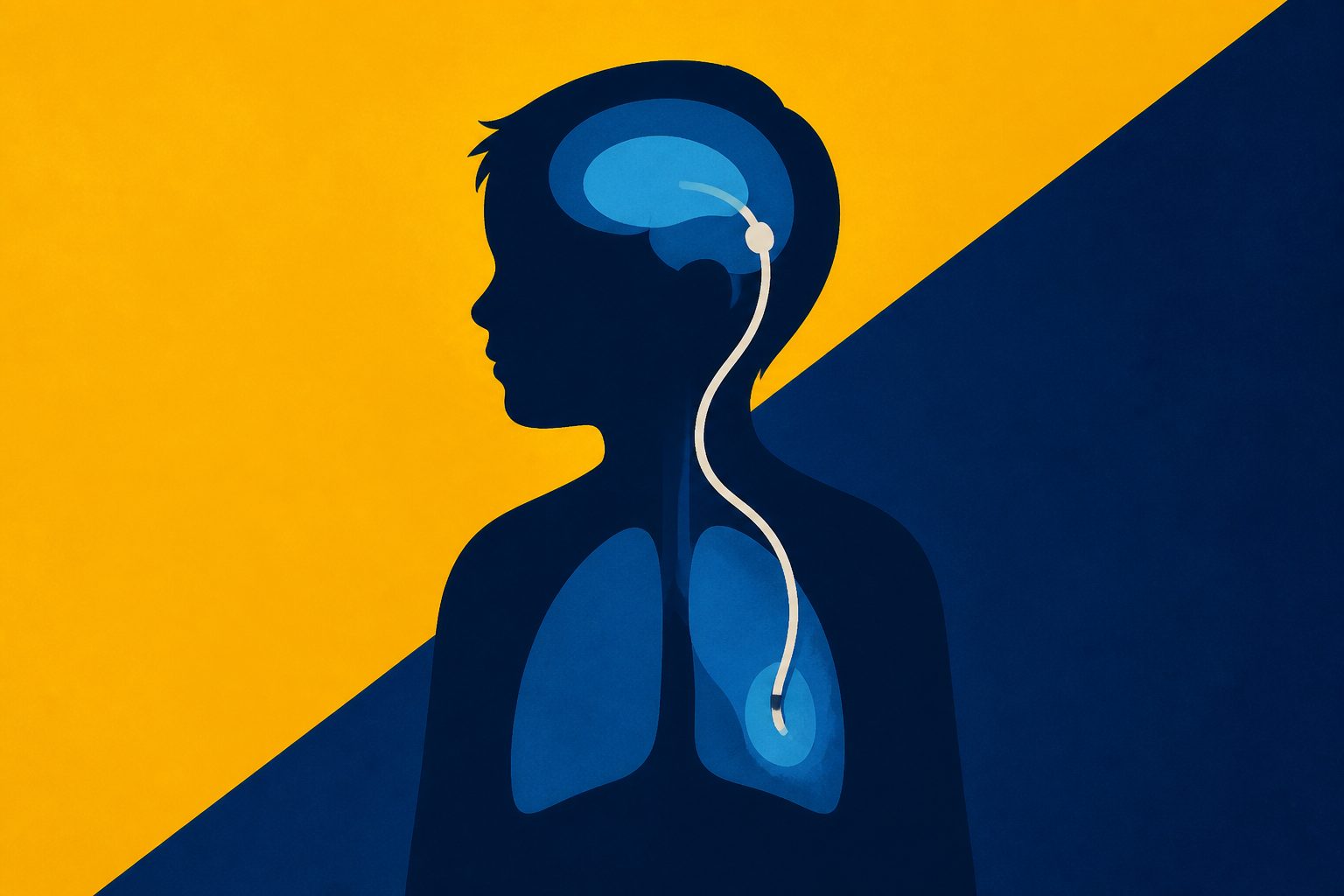
Abstract editorial illustration accompanying the article: Vagus-nerve stimulation may reduce pain and fatigue in rheumatic diseases

Vagus-nerve stimulation may reduce pain and fatigue in rheumatic diseases

A review of research on vagus-nerve stimulation found reports of lower inflammatory activity and fewer pro-inflammatory cytokines in rheumatic diseases. The studies also reported possible reductions in pain, fatigue and disease activity, although their small size and differing methods limit the conclusions.

·40 views