Biology

Life sciences: genetics, neuroscience, ecology and molecular biology.

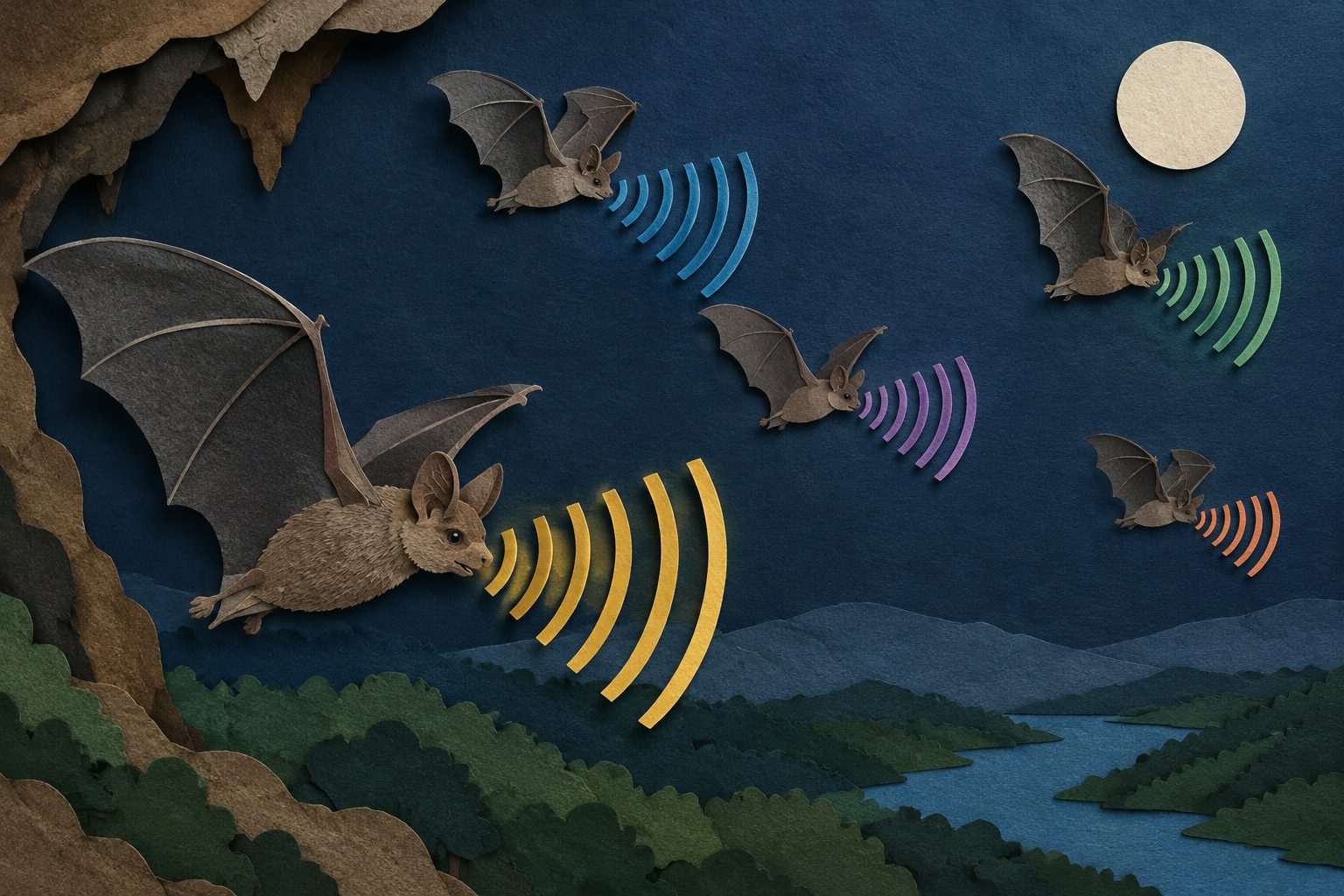
Abstract editorial illustration accompanying the article: A rarely detected bat is confirmed on remote Flores Island

A rarely detected bat is confirmed on remote Flores Island

Researchers confirmed two bat species on Flores Island in the Azores, including Nyctalus azoreum, which had not previously been recorded there. Acoustic monitoring found that Pipistrellus maderensis was widespread, while N. azoreum was detected at only a few sites and showed very low activity.

·12 views
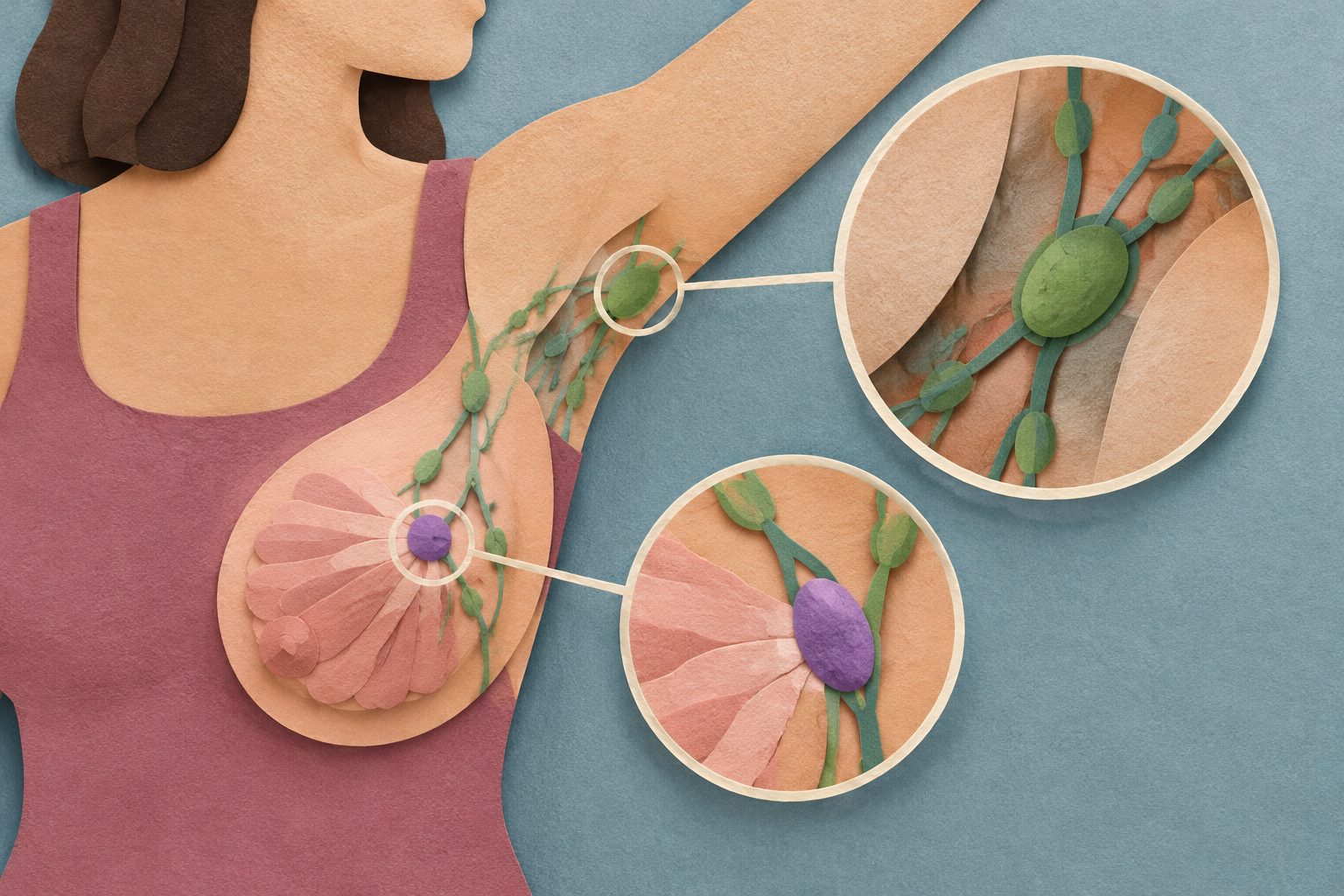
Abstract editorial illustration accompanying the article: Targeting antibody-making cells may help hard-to-treat autoimmune disease

Targeting antibody-making cells may help hard-to-treat autoimmune disease

A review examines drugs that target CD38, a molecule found in large amounts on the cells that make antibodies. Early clinical evidence suggests these treatments may help some people with severe autoimmune disease, especially lupus nephritis and immune thrombocytopenia, but the studies so far are small and varied.

·11 views
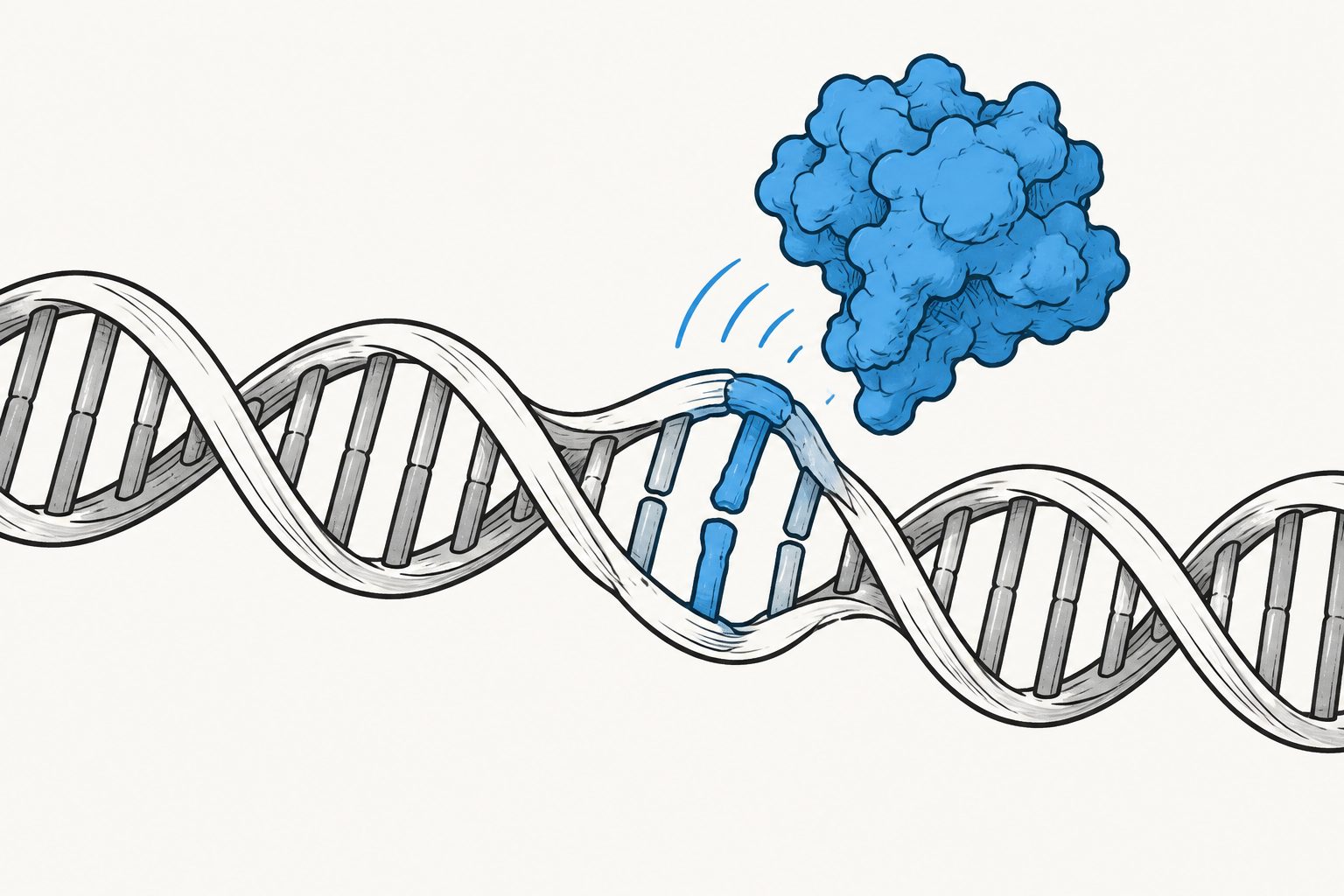
Abstract editorial illustration accompanying the article: Yoghurt and tomatoes reduced particle-linked DNA damage in lab tests

Yoghurt and tomatoes reduced particle-linked DNA damage in lab tests

In laboratory experiments, yoghurt, tomatoes and several other Mediterranean foods reduced DNA damage caused by extracts of very fine air-pollution particles. The findings come from bacteria and human cell lines, so they do not yet show that eating these foods protects people from air pollution.

·10 views
Abstract editorial illustration accompanying the article: Review finds differences in back fascia among people with low back pain
Biology
High evidenceReview

Review finds differences in back fascia among people with low back pain

A systematic review and meta-analysis compared imaging findings of the thoracolumbar fascia—a sheet of connective tissue in the lower back—in people with low back pain and people without symptoms. Across 14 human studies, the fascia was generally thicker, stiffer and more echogenic in the low-back-pain group, while findings about its ability to slide were unclear. These results show associations, not proof that fascia changes cause pain.

·56 views
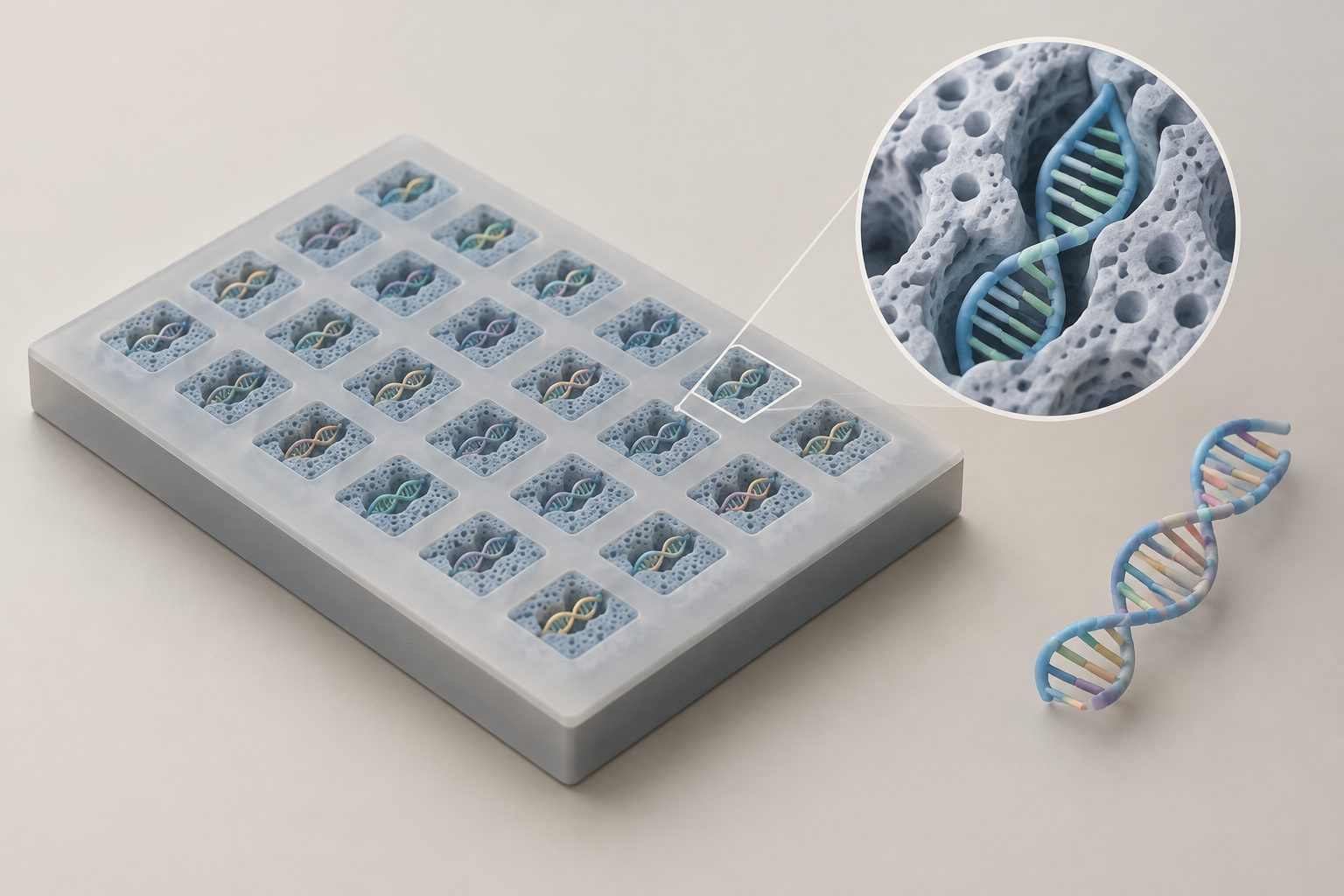
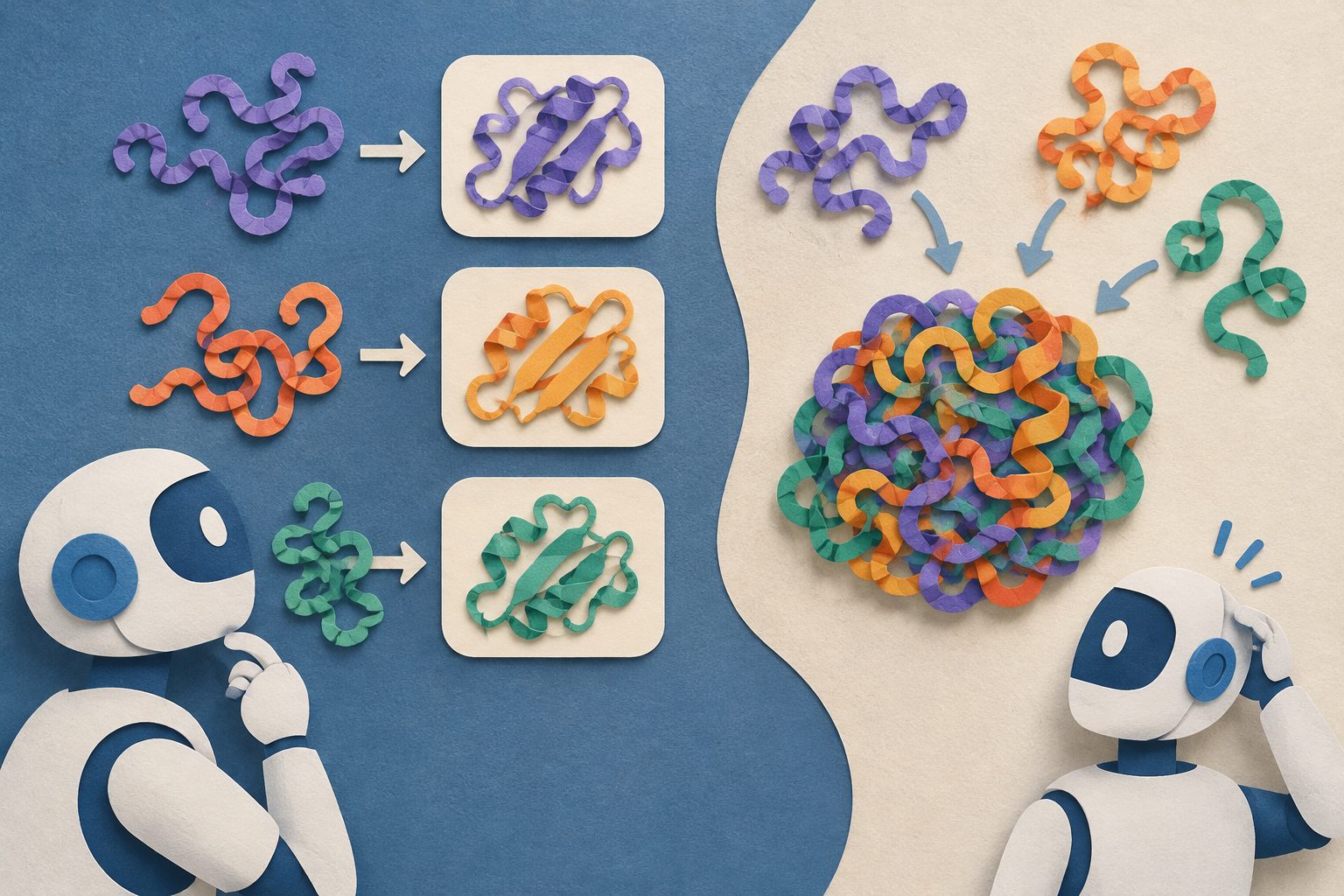
Abstract editorial illustration accompanying the article: Predicting which peptides T cells recognize remains difficult for AI

Predicting which peptides T cells recognize remains difficult for AI

AI tools for predicting T-cell recognition often struggle when the peptide has not appeared in their training data. A study of structure-based classifiers found that extra training objectives can improve predictions for unfamiliar peptides, but the broader generalization problem remains.

·16 views