Biology

Life sciences: genetics, neuroscience, ecology and molecular biology.

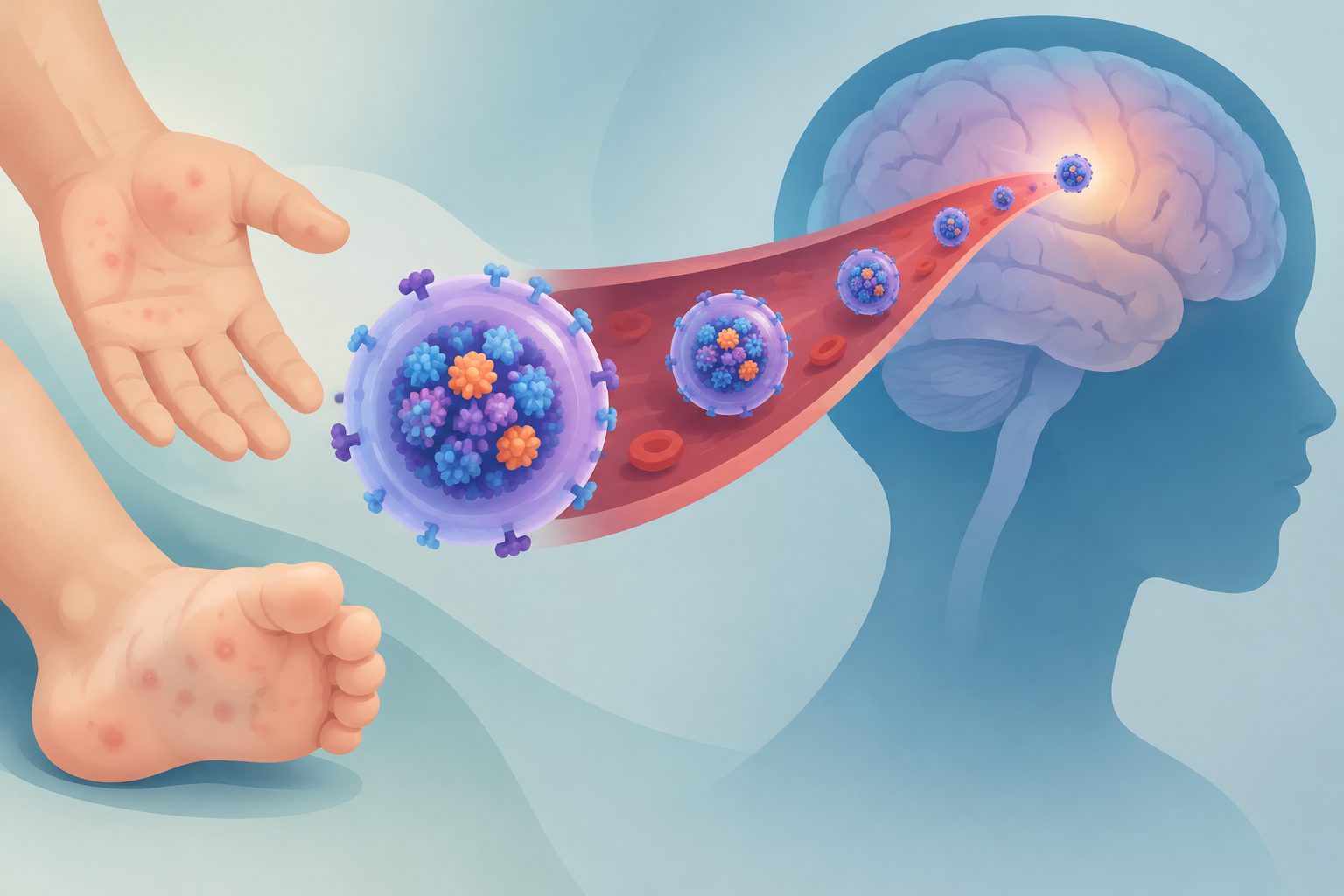
Abstract editorial illustration accompanying the article: Virus-linked particles may help hand, foot and mouth disease reach the brain

Virus-linked particles may help hand, foot and mouth disease reach the brain

Researchers found that enterovirus A71 infection increased the release of extracellular vesicles, tiny membrane-bound particles, and loaded them with microRNAs that weakened the blood-brain barrier. In neonatal mice, restoring a related signaling pathway reduced the virus’s spread into the nervous system, while these microRNAs were higher in the blood of patients with severe disease.

·193 views
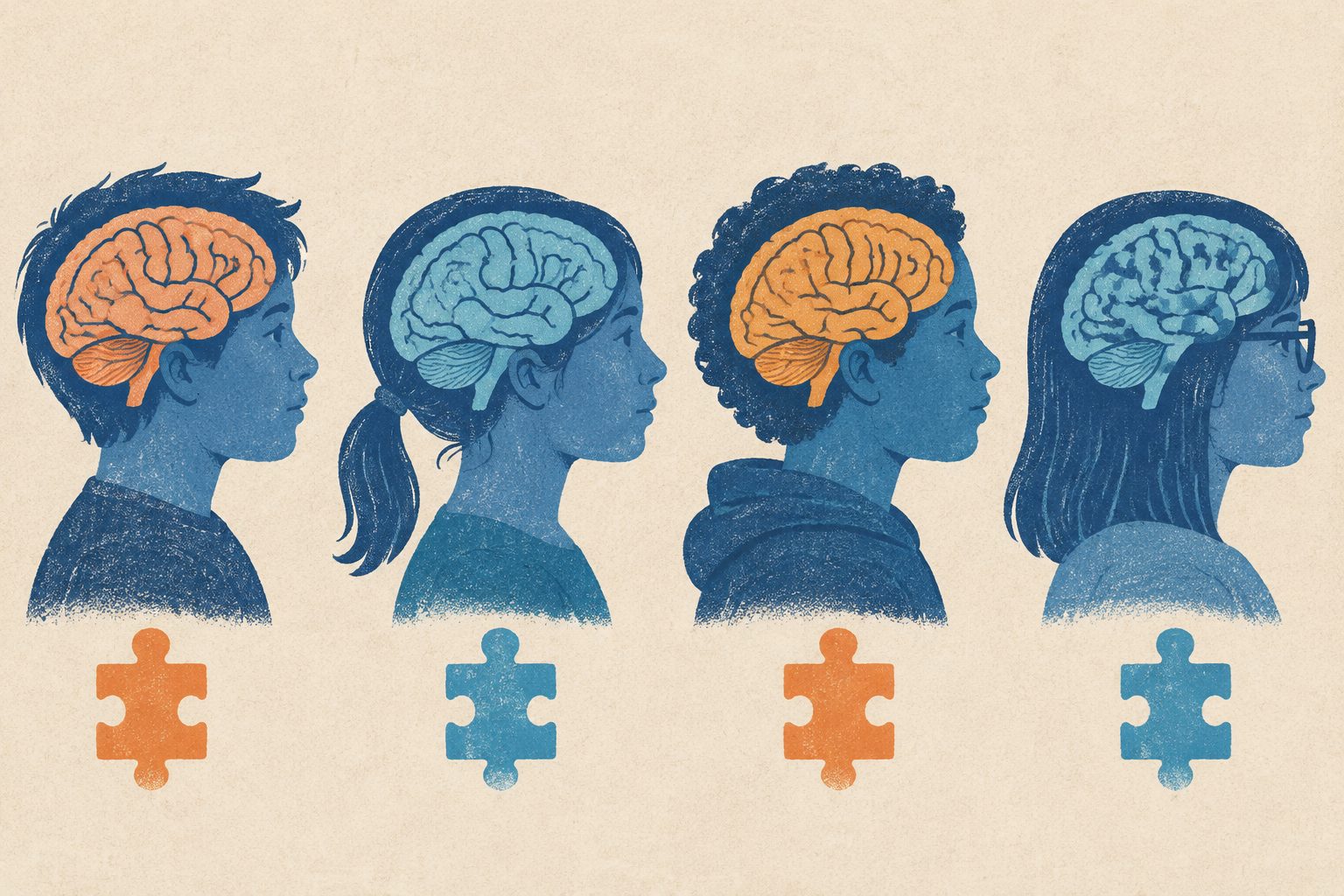
Abstract editorial illustration accompanying the article: Brain differences in autism are highly individual, study finds

Brain differences in autism are highly individual, study finds

A multisite study found that autistic people were more likely than controls to have extreme, highly localized differences in cortical organization. Fewer than 12% showed an extreme deviation in any one brain region, pointing to varied anatomical patterns rather than a single signature.

·76 views
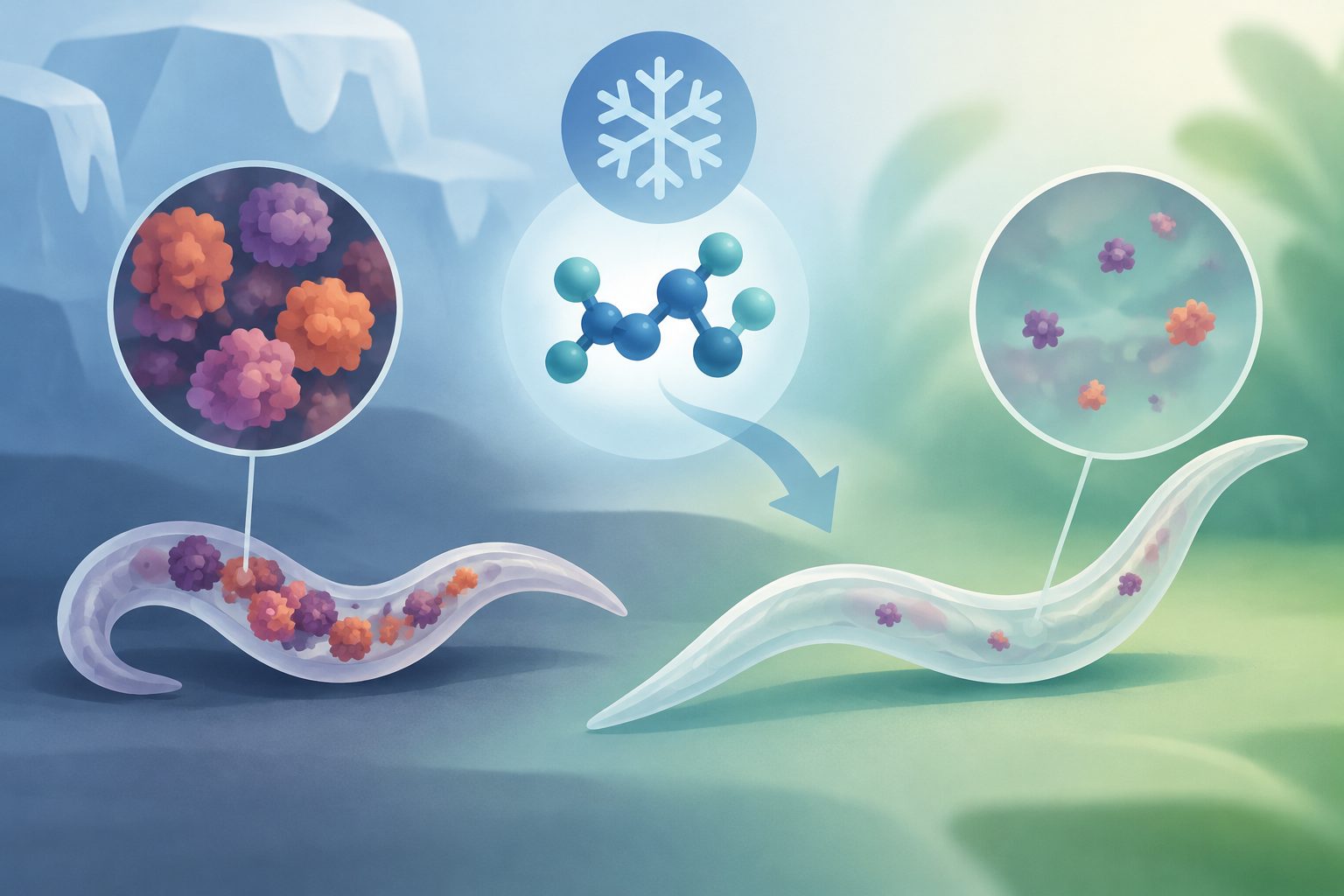
Abstract editorial illustration accompanying the article: A cold-made molecule extended worms’ lives and reduced harmful protein clumps

A cold-made molecule extended worms’ lives and reduced harmful protein clumps

A study in the roundworm Caenorhabditis elegans identified a molecule produced in response to cold that helped extend lifespan and protect against harmful protein aggregation. In human cells, the molecule or the amino acid tyrosine reduced aggregation of proteins linked to Huntington’s disease and amyotrophic lateral sclerosis.

·66 views
Abstract editorial illustration accompanying the article: How the prefrontal cortex may build plans from an inner world model

How the prefrontal cortex may build plans from an inner world model

Researchers propose a neural-circuit theory for how the prefrontal cortex could plan by updating an internal model of the world. Computer networks trained on planning tasks developed activity and connections that matched the theory, which remains to be tested directly in the brain.

·70 views
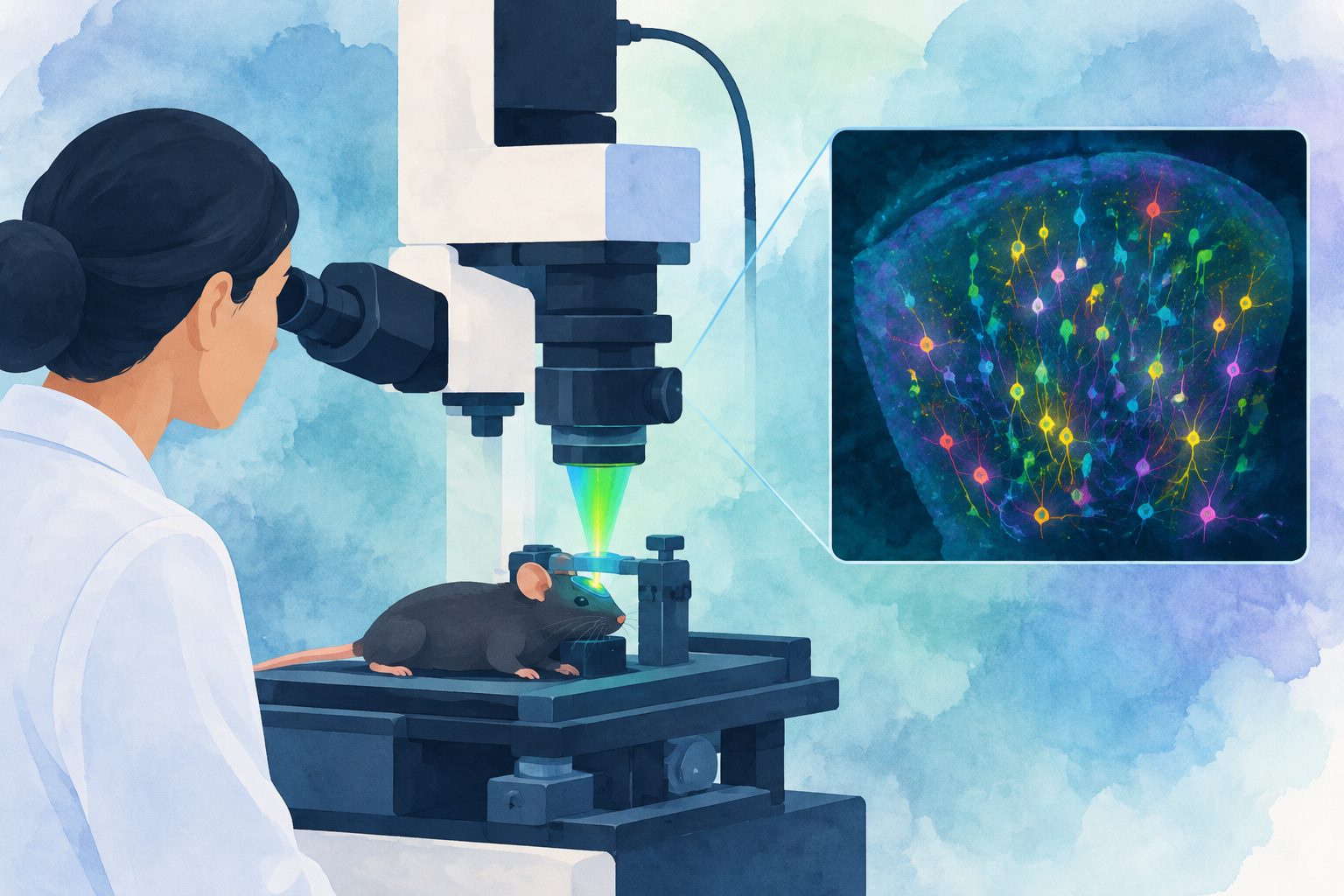
Abstract editorial illustration accompanying the article: A microscope tracked more than 1,500 deep-brain cells in mice

A microscope tracked more than 1,500 deep-brain cells in mice

Researchers developed a three-photon microscope that recorded calcium activity from more than 1,500 cells in several deep-brain regions of behaving mice. The system also imaged rat cortex 1.2 millimeters below the brain’s surface and was built from commercially available components.

·125 views
Abstract editorial illustration accompanying the article: Rare MYT1L disorder shows broad cognitive, behavioral and health needs

Rare MYT1L disorder shows broad cognitive, behavioral and health needs

A prospective registry study mapped clinical and behavioral features in people with MYT1L-related neurodevelopmental disorder. Participants commonly had impairments in nonverbal thinking, communication, motor skills and daily living, while health records pointed to frequent developmental, gastrointestinal and obesity-related diagnoses.

·70 views
Abstract editorial illustration accompanying the article: Flame retardants were linked to gut microbes in Canadian children

Flame retardants were linked to gut microbes in Canadian children

In a Canadian cohort, childhood exposure to halogenated flame retardants was associated with differences in gut bacteria and microbial functions. The study measured 10 chemicals in blood and stool from children aged 8 to 12, but it does not show that the chemicals caused the changes.

·60 views
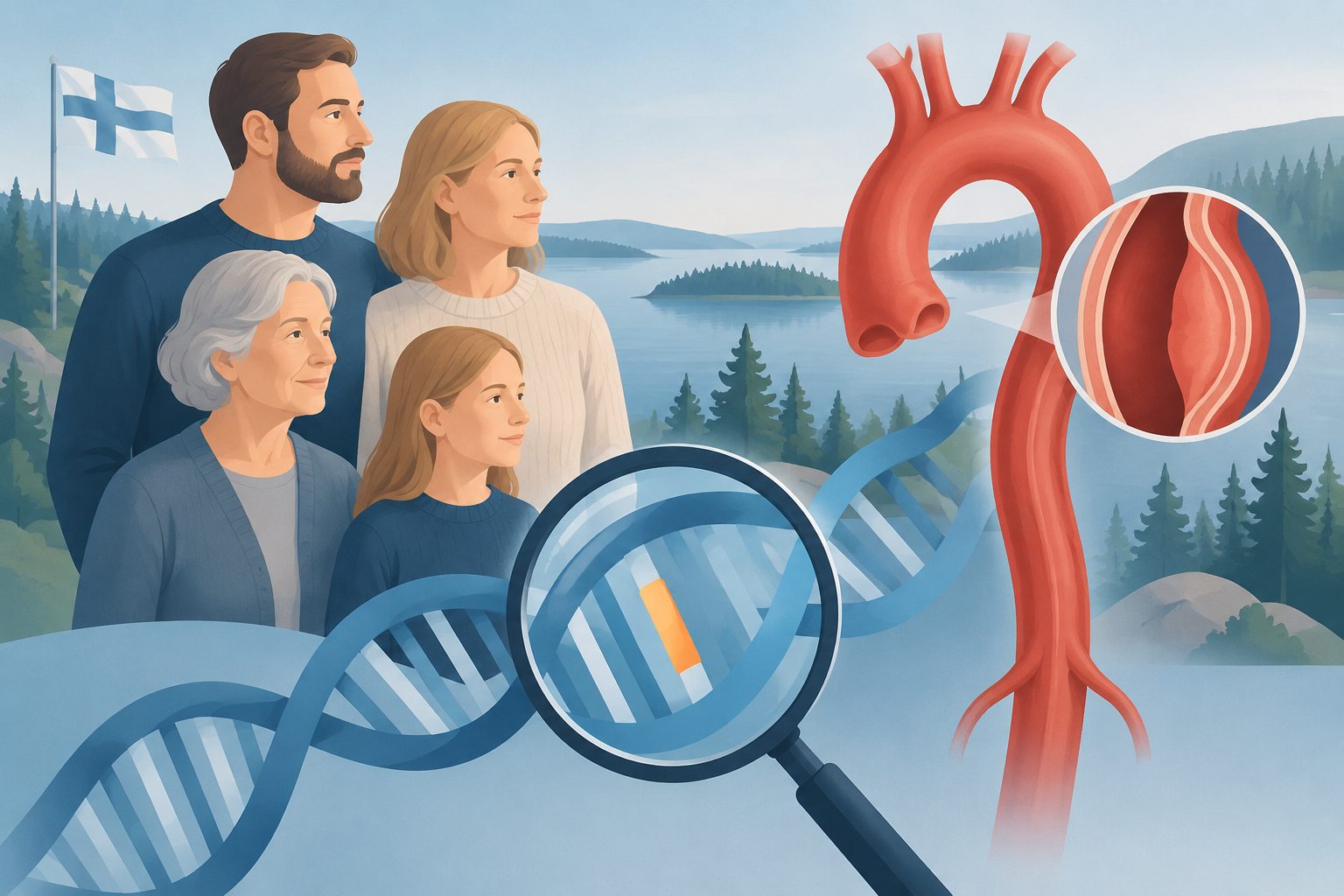
Abstract editorial illustration accompanying the article: Researchers link a gene variant to early aortic disease in Finnish families
Biology
Low evidenceHuman study

Researchers link a gene variant to early aortic disease in Finnish families

Researchers reviewed medical records, imaging, family histories, and genetic test results from eight people in four Finnish families who carried a specific MYLK gene variant. Six had widening or an aneurysm of the chest aorta, and four had an aortic dissection. Because this was a small observational study, the findings show an association rather than proving that the variant caused these outcomes or predicting risk for everyone who carries it.

·80 views