Biology

Life sciences: genetics, neuroscience, ecology and molecular biology.

Abstract editorial illustration accompanying the article: Study links closer adherence to the Eatwell Guide with lower body-fat markers
Biology
Low evidenceHuman study

Study links closer adherence to the Eatwell Guide with lower body-fat markers

In a study of 156,764 UK Biobank participants, researchers examined associations between adherence to the UK Eatwell Guide and measures of body size and body fat. Higher adherence was associated with lower adiposity measures both at the initial assessment and, in the prospective analysis, with more favorable body mass index patterns over time. The study does not show that adherence caused these differences.

·37 views
Abstract editorial illustration accompanying the article: Intensive poultry farming helps Campylobacter spread between bird species

Intensive poultry farming helps Campylobacter spread between bird species

Intensive poultry farming has changed how Campylobacter jejuni moves among chickens and wild birds, according to an analysis of 2,747 genomes. The researchers estimate a roughly 100-fold rise in chicken-to-wild-bird transfers since 1900 and found that chicken-adapted strains often carry genes linked to antimicrobial resistance and survival in chickens.

·36 views
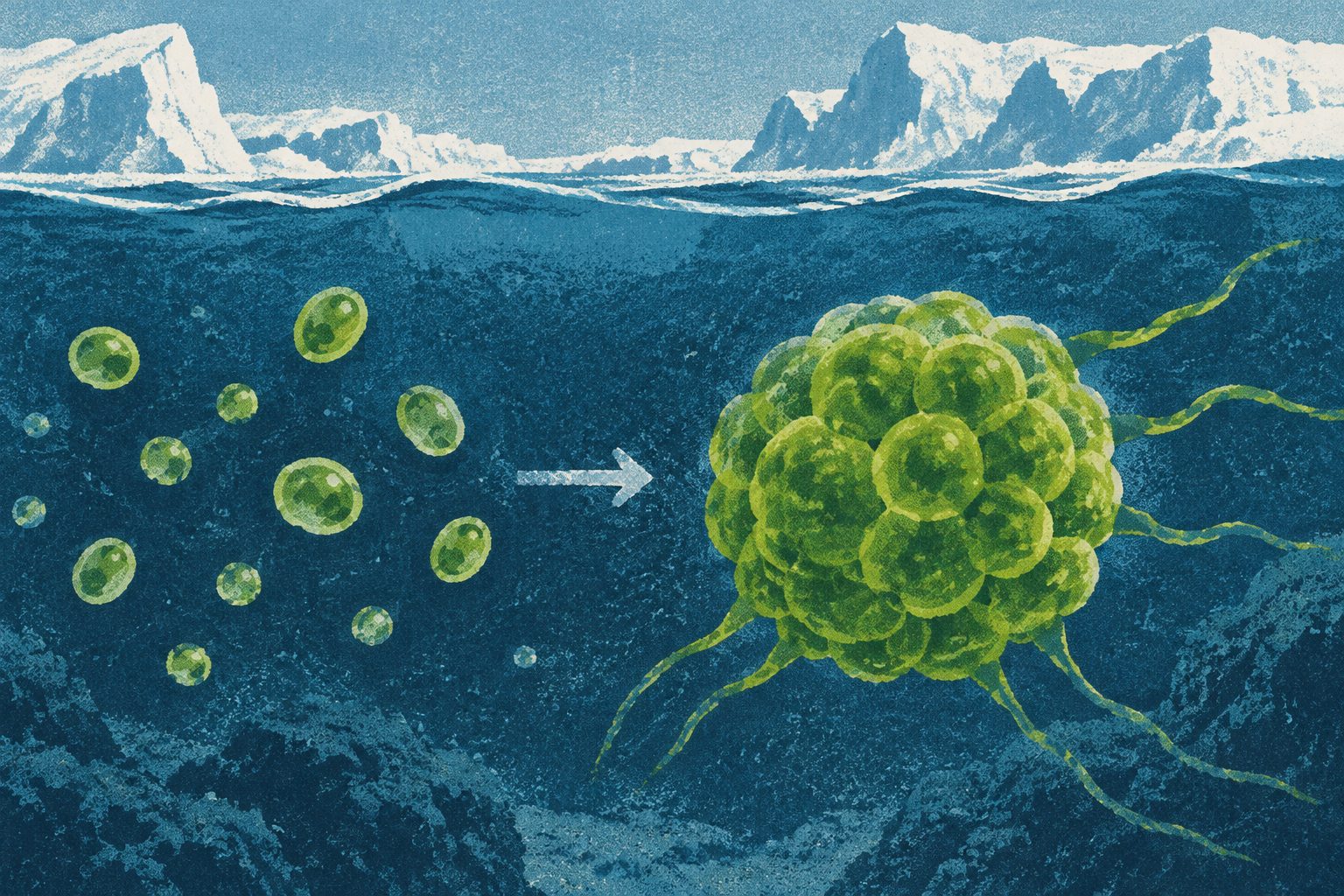
Abstract editorial illustration accompanying the article: A giant virus infecting an ocean alga carries a rhodopsin-like gene

A giant virus infecting an ocean alga carries a rhodopsin-like gene

Researchers have isolated the first cultivated virus known to infect a chrysophyte, an aquatic protist that can both photosynthesize and consume prey. Its genome contains a proteorhodopsin-like gene, a type of gene not previously reported in a virus, although predictions suggest the protein may not function as a light-driven proton pump.

·13 views
Abstract editorial illustration accompanying the article: Review reports 24% case fatality among reported poisonings in Nigeria
Biology
Moderate evidenceReview

Review reports 24% case fatality among reported poisonings in Nigeria

Researchers systematically reviewed 23 human clinical reports covering 176 cases of acute organophosphate poisoning in Nigeria. Children accounted for 55.0% of reported cases, accidental ingestion for 60.3%, and the pooled case-fatality rate was 23.9%. Because many included reports were small and descriptive, the findings show patterns in reported cases rather than the risk for all people in Nigeria.

·10 views
Abstract editorial illustration accompanying the article: Two-compound mix pushed adult heart cells toward an embryonic-like state

Two-compound mix pushed adult heart cells toward an embryonic-like state

A treatment containing phenylephrine hydrochloride and harmine pushed adult heart-muscle cells toward an embryonic-like state and increased their proliferation in laboratory and in vivo experiments. The findings come from experimental models, not human trials, and the abstract does not establish whether the approach restores heart function or is safe in people.

·37 views
Abstract editorial illustration accompanying the article: Processed probiotics helped calves grow better than feed antibiotics

Processed probiotics helped calves grow better than feed antibiotics

A study of 40 young cattle calves found that processed probiotics improved growth and several gut-health measures more than chlortetracycline or no supplement. Encapsulated and freeze-dried formulations also increased beneficial bacteria, reduced two potentially harmful bacteria and, for encapsulated probiotics, improved some immune measures.

·11 views
Abstract editorial illustration accompanying the article: Engineered gut bacteria killed all tested caterpillars in a lab study

Engineered gut bacteria killed all tested caterpillars in a lab study

A genetically modified gut bacterium killed up to 100% of Helicoverpa armigera caterpillars in laboratory tests, and all larvae exposed to treated leaves died within eight days. The bacterium also colonized caterpillar guts and tomato leaves, but its persistence, spread and safety in field conditions have not been tested.

·13 views