Biology

Life sciences: genetics, neuroscience, ecology and molecular biology.

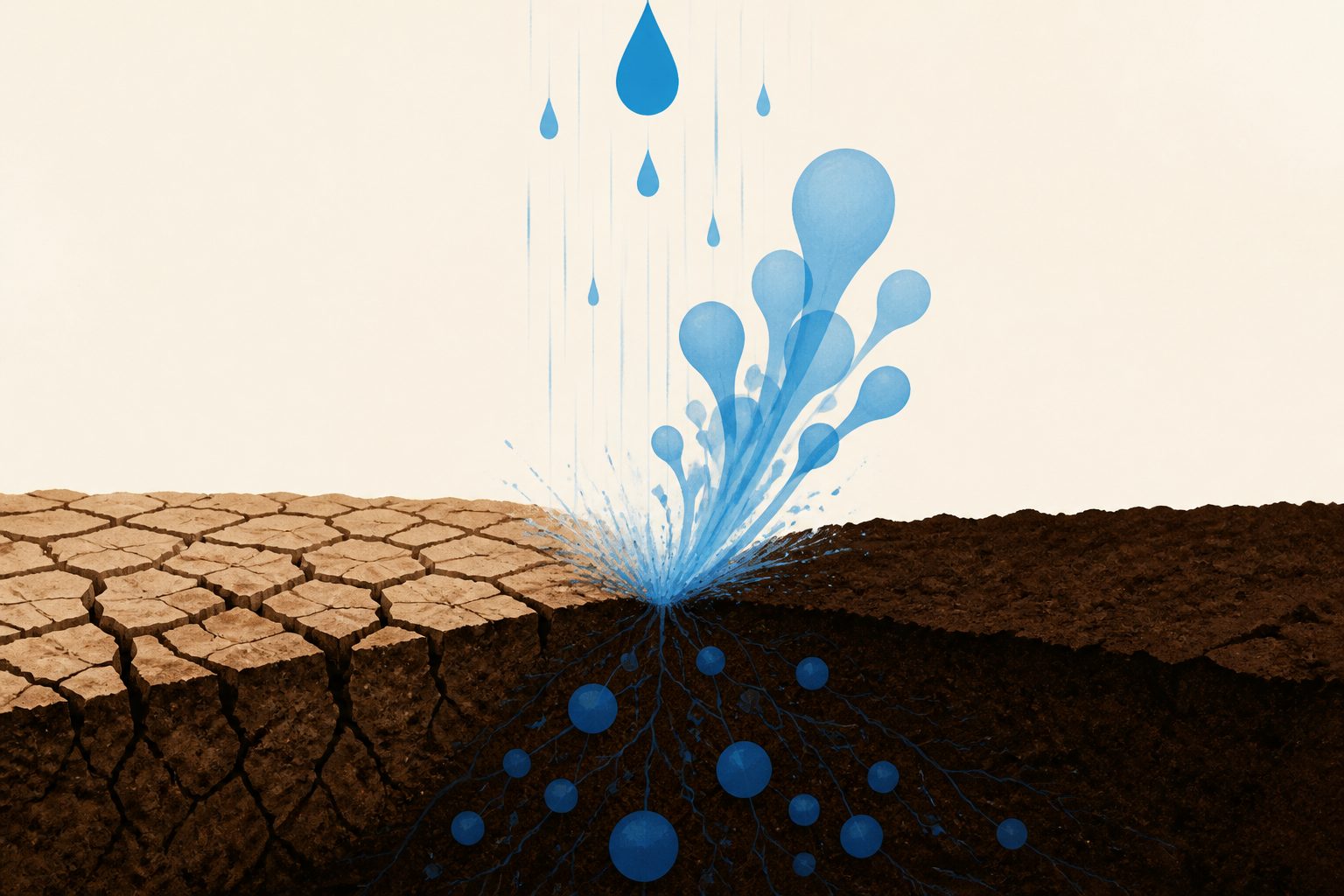
Abstract editorial illustration accompanying the article: Rain “pulses” after drought drive nitrogen gas spikes more than soil type

Rain “pulses” after drought drive nitrogen gas spikes more than soil type

Mediterranean dryland crops face cycles of drought and then sudden rain. In a year-long field experiment, researchers found that the biggest bursts of nitrogen pollution in the form of nitrous oxide and nitric oxide followed rewetting, especially when plants had been stressed by drought. Soil texture changed how much inorganic nitrogen built up, but it did not lead to proportionally larger gas spikes.

·105 views
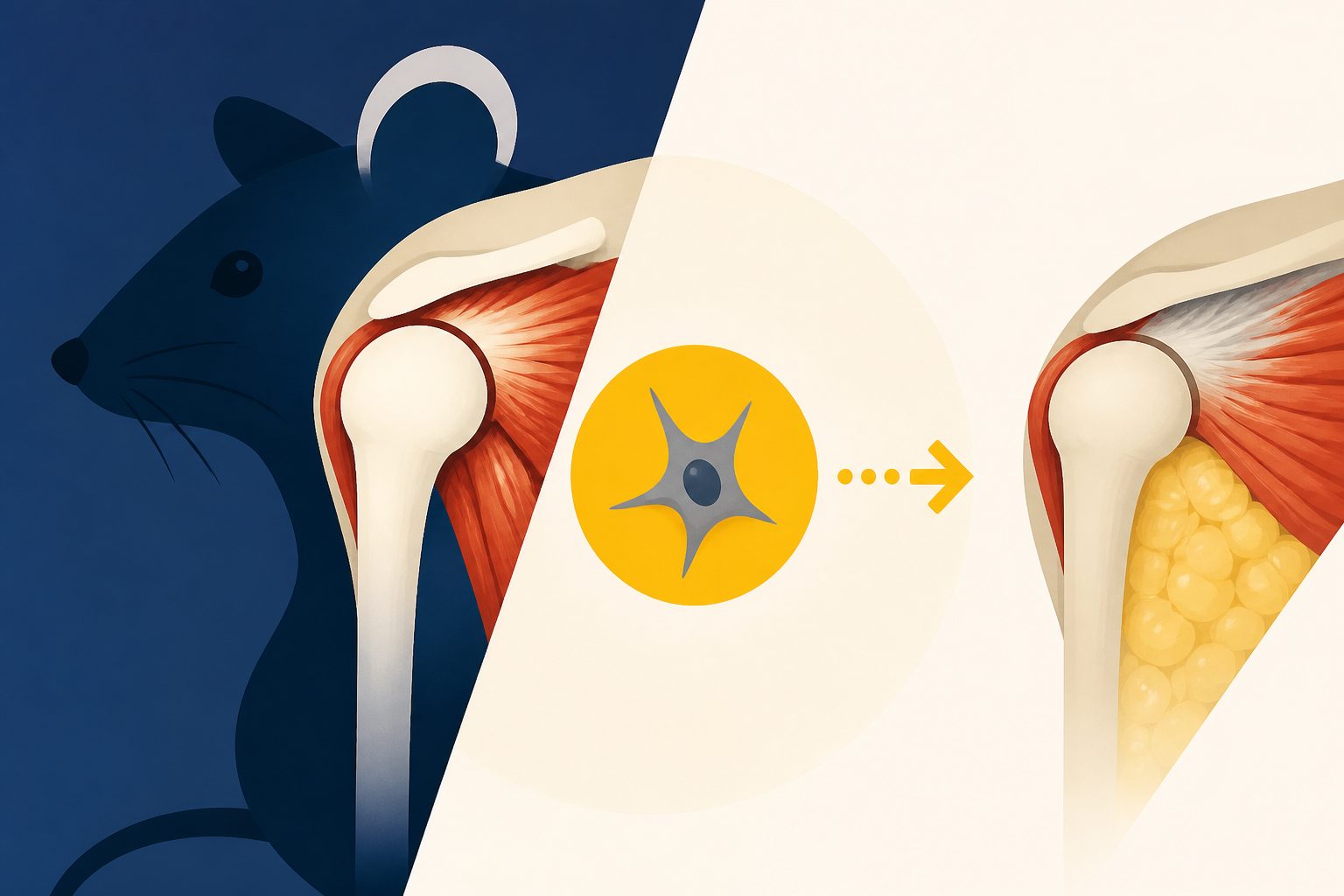
Abstract editorial illustration accompanying the article: Removing a key muscle-scar cell changes fat and scar after rotator cuff tears in mice

Removing a key muscle-scar cell changes fat and scar after rotator cuff tears in mice

A new study in mice tests what happens when fibroadipogenic progenitors—a cell type linked to both healing and degeneration—are depleted before injury. The approach reduced muscle scarring in both a rotator cuff tear model and a muscle tissue loss model, but only the rotator cuff tear model showed less fat buildup and better shoulder function.

·89 views
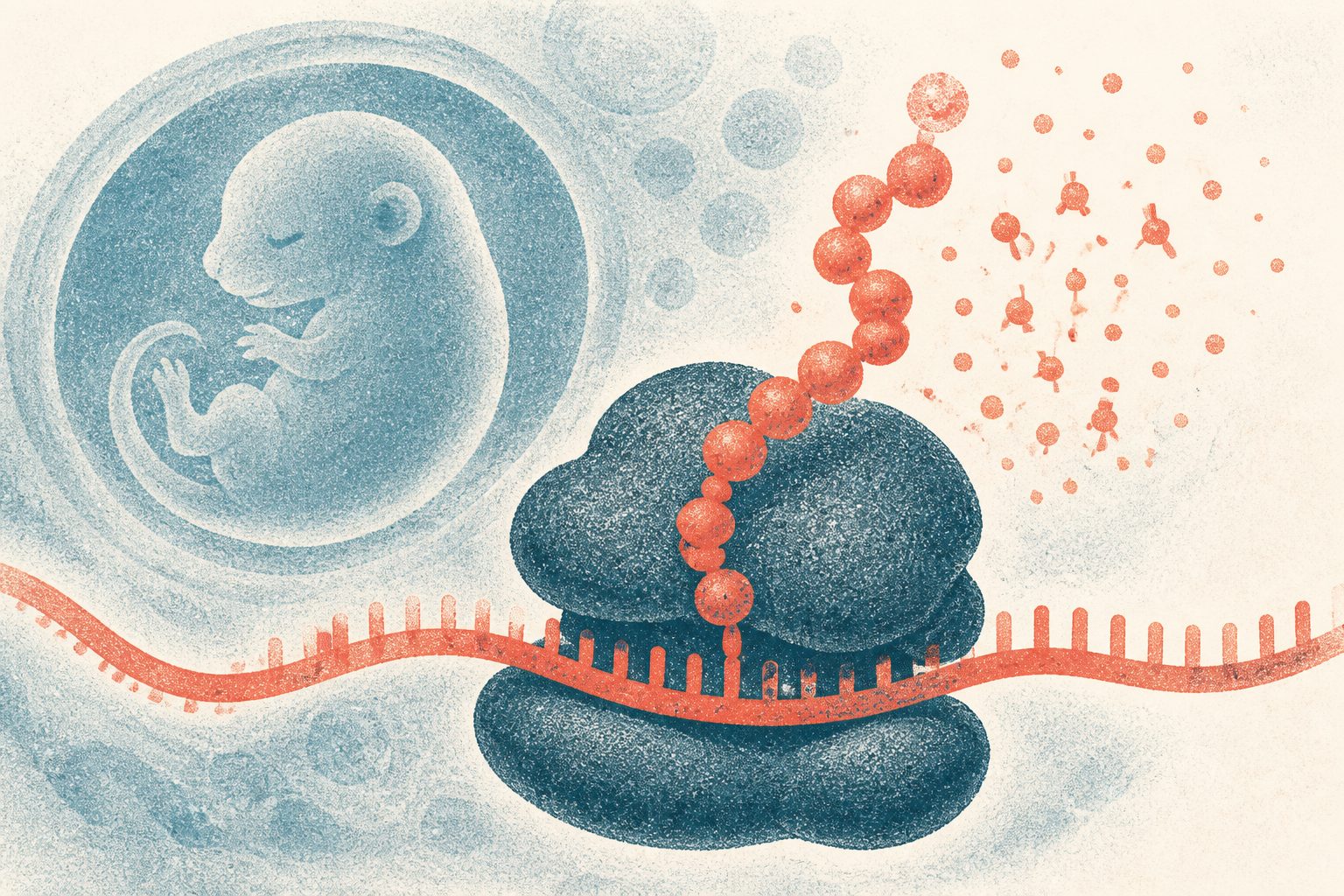
Abstract editorial illustration accompanying the article: New ribosome method finds thousands of tiny protein-coding regions in mouse embryos

New ribosome method finds thousands of tiny protein-coding regions in mouse embryos

A Nature Communications study describes Ribo-ITP, a ribosome-based method designed to find previously hard-to-detect protein-coding regions (translons) using far less starting material. Using samples such as microdissected mouse brain tissue and single early embryos, the researchers report discovering thousands of translons and test whether they can drive protein production.

·85 views
Abstract editorial illustration accompanying the article: Your everyday thoughts may track how fair and generous you are

Your everyday thoughts may track how fair and generous you are

People often think about other people, but it has been unclear whether these ongoing thoughts change with different social situations and reflect traits like generosity. In a study of 320 participants, researchers found a small set of recurring thought patterns that varied by social context and related to fairness preferences.

·82 views