Biology

Life sciences: genetics, neuroscience, ecology and molecular biology.

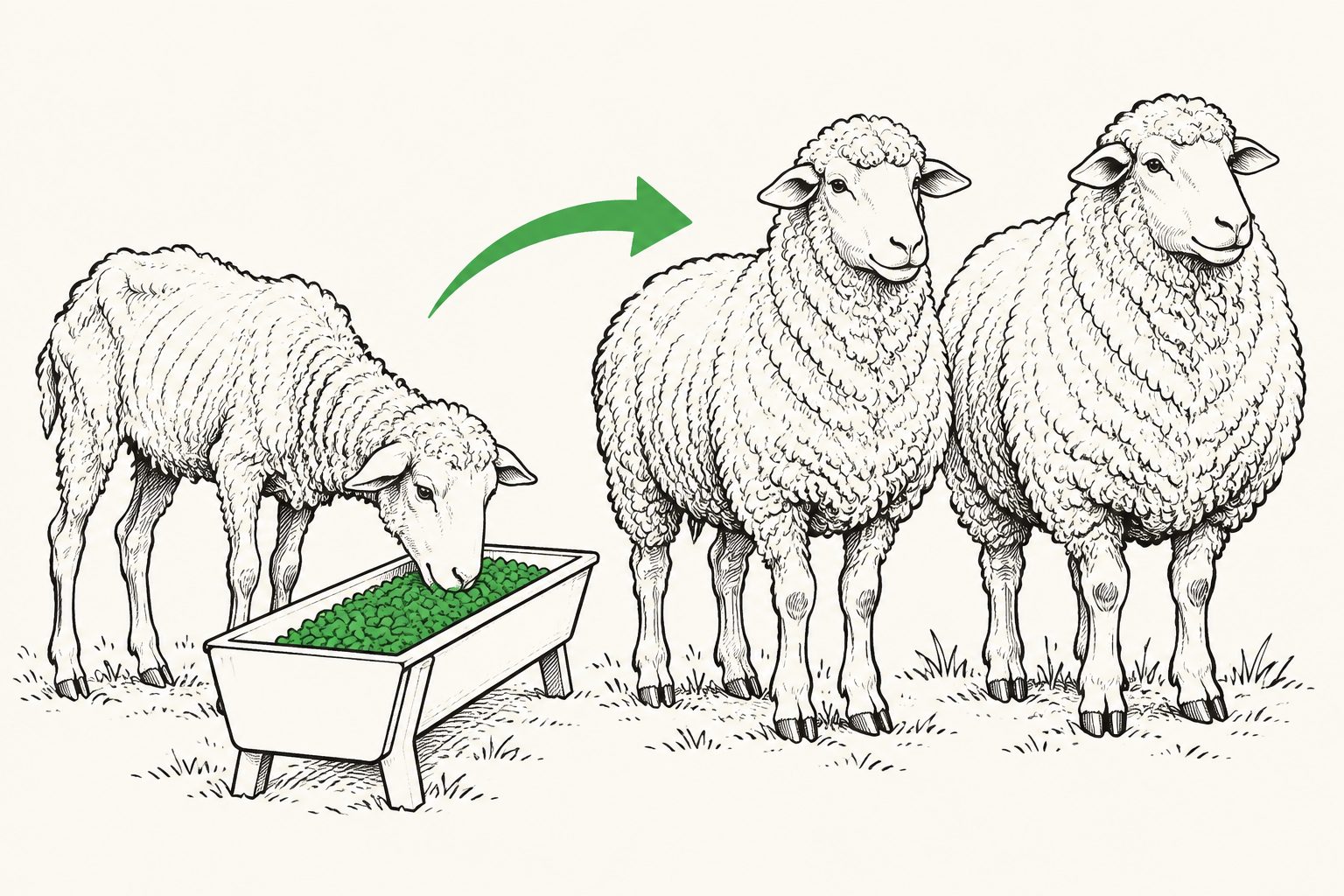
Abstract editorial illustration accompanying the article: AI system grades oil palm bunch ripeness fast, to help plan harvest timing

AI system grades oil palm bunch ripeness fast, to help plan harvest timing

An AI system was tested to grade the ripeness of oil palm fresh fruit bunches from camera images. It runs fast enough for real-time use and gives immediate ripeness categories linked to harvesting decisions. The approach also aims to provide maturity information to support harvest planning and mill capacity management.

·36 views
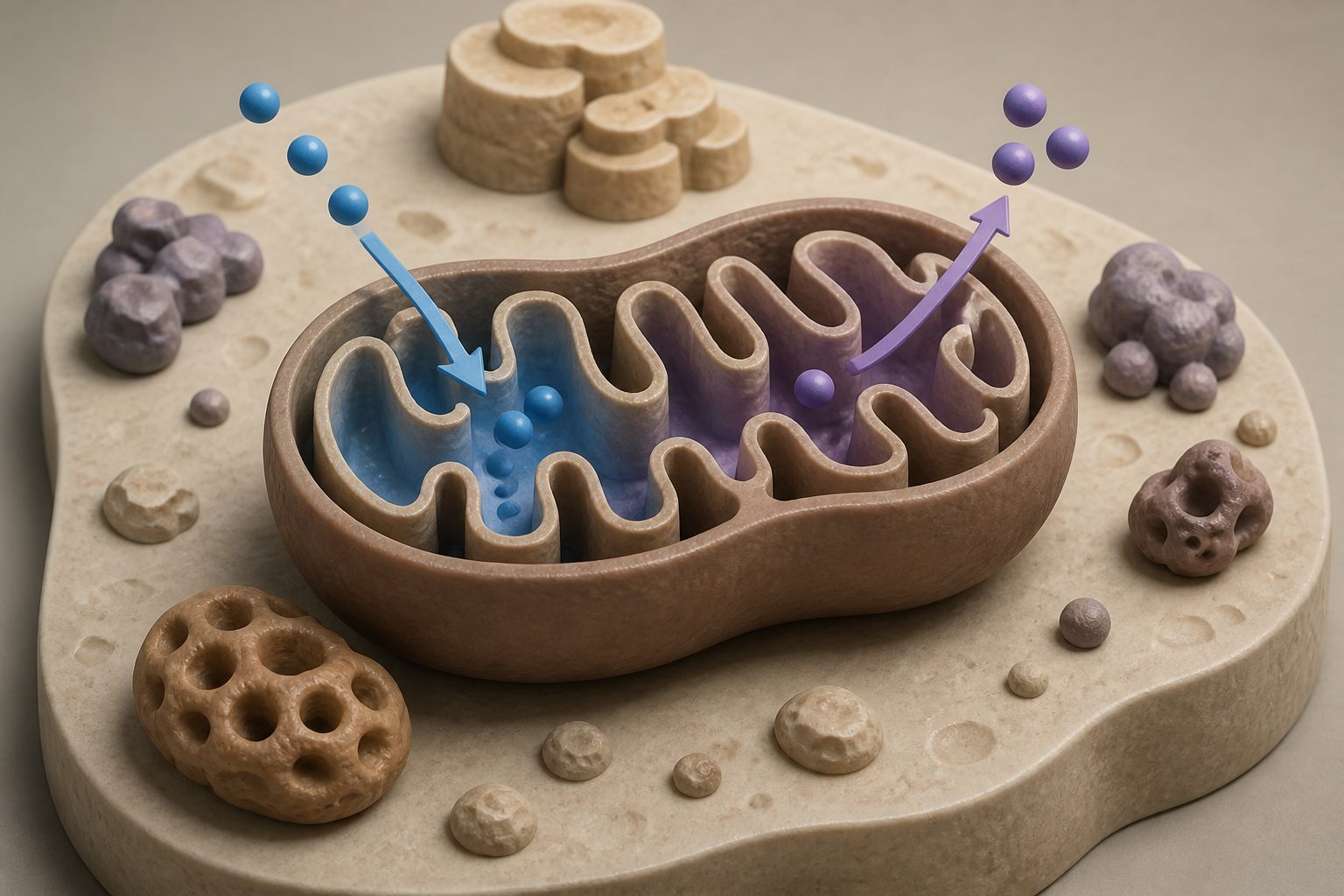
Abstract editorial illustration accompanying the article: Review examines ketamine’s possible mechanisms for treating ALS
Biology
Moderate evidenceReview

Review examines ketamine’s possible mechanisms for treating ALS

This narrative review discusses whether ketamine could be a candidate therapy for amyotrophic lateral sclerosis (ALS). It focuses on proposed mechanisms related to sigma-1 receptors, mitochondria, protein handling, inflammation, and neuroplasticity, but it does not present new clinical trial results in people with ALS.

·15 views
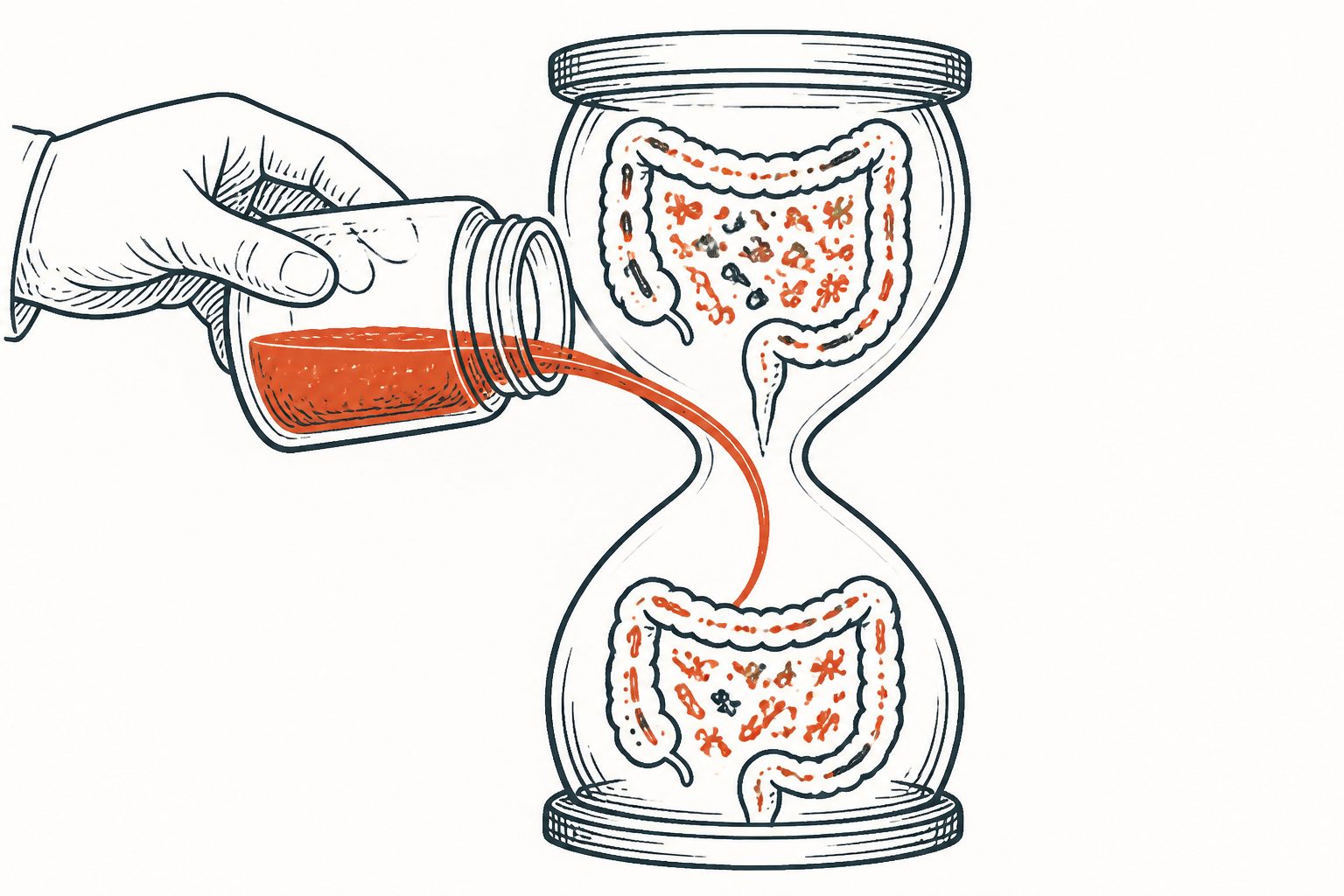
Abstract editorial illustration accompanying the article: How climate change reshuffles forest diseases, and new DNA tests help track them

How climate change reshuffles forest diseases, and new DNA tests help track them

A new systematic review synthesizes research from 2018 to 2026 on fungal, oomycete, nematode, and viral threats to forest health. It reports that climate change and global trade are shifting where pathogens can spread, while improved DNA-based surveillance tools are still not fully translated into integrated forest management. The review also flags gaps, including limited viral disease research and weak coverage of tropical forest systems.

·34 views
Abstract editorial illustration accompanying the article: Endophytic fungi may help curb fall armyworm without relying on insecticides

Endophytic fungi may help curb fall armyworm without relying on insecticides

Fall armyworm is a major crop pest, and insecticide use is increasingly constrained by resistance and side effects. This review synthesizes evidence that endophytic fungi—fungi that live inside plants—can colonize plant tissues and reduce fall armyworm performance. It also highlights limited field testing and a lack of data on effects on beneficial insects.

·25 views
Abstract editorial illustration accompanying the article: Review maps ways to cut wasted eggs and cull less day-old chicks

Review maps ways to cut wasted eggs and cull less day-old chicks

A new review in Animals examines two major bottlenecks in poultry production: egg quality drops before incubation and the routine culling of male chicks after hatch. It finds that lab tests can be accurate under controlled conditions, but wider use is limited by performance across batches and practical safety and scale issues. The authors propose an end-to-end, connected workflow to help bridge the gap from lab to farms.

·31 views
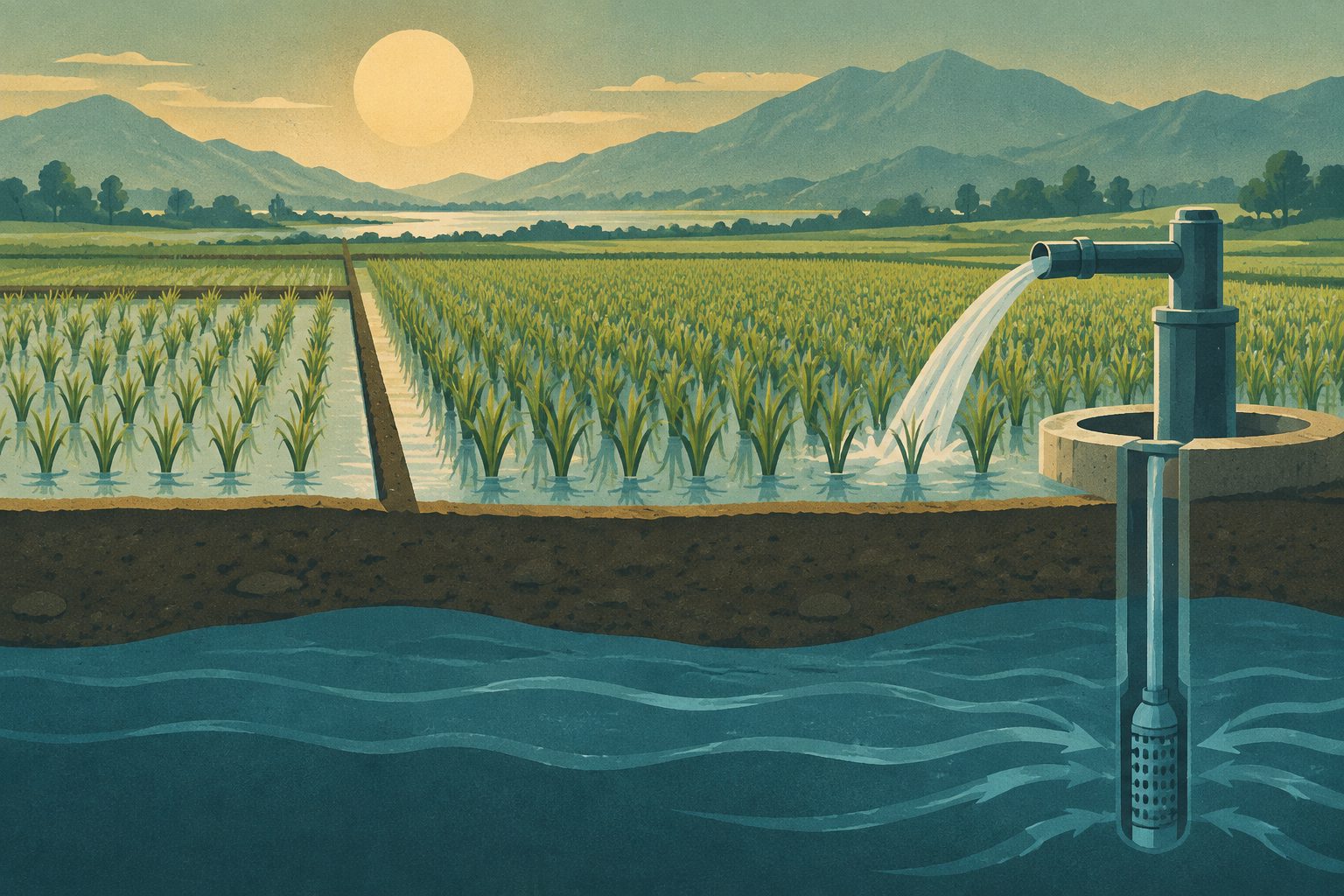
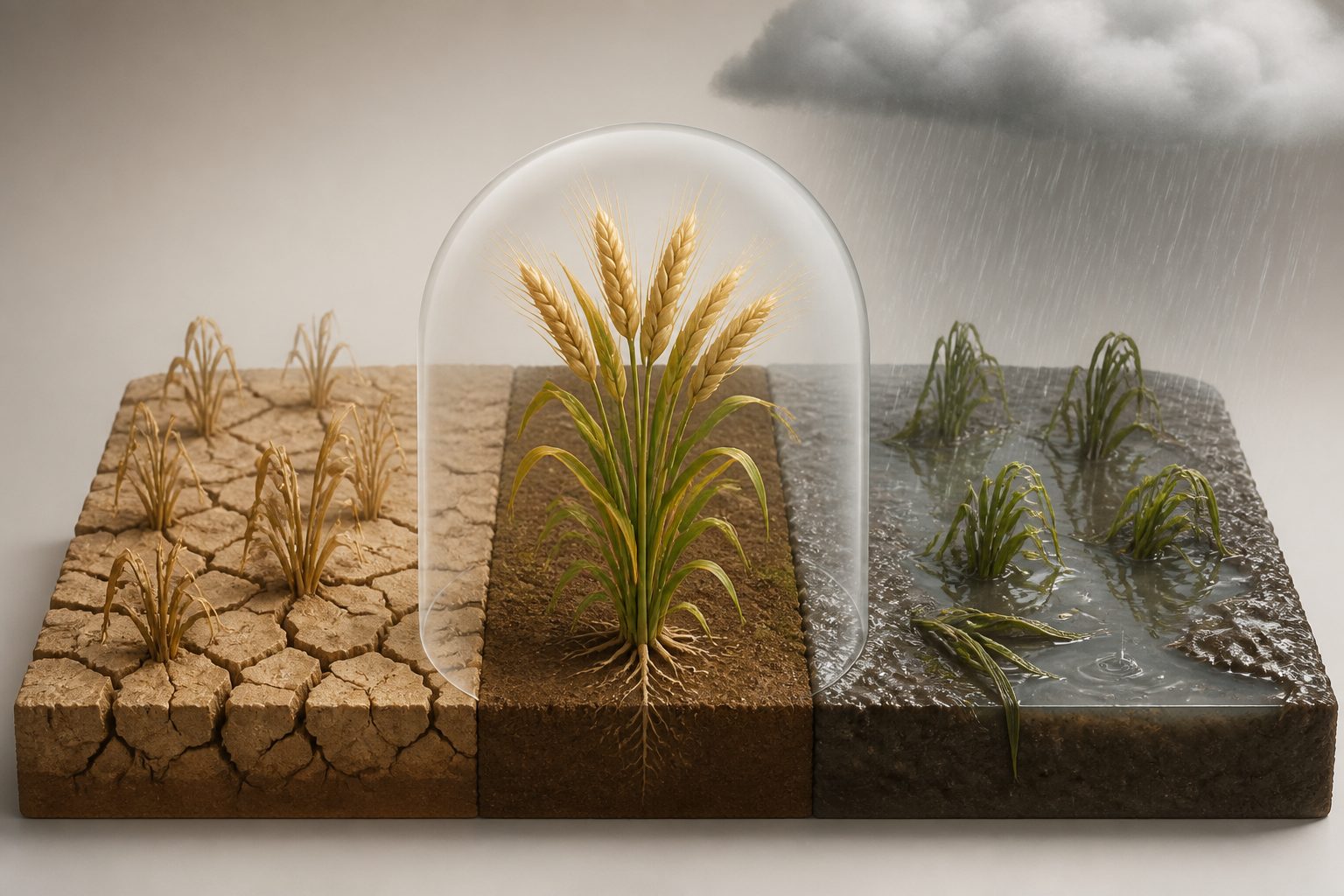
Abstract editorial illustration accompanying the article: Rain “pulses” after drought drive nitrogen gas spikes more than soil type

Rain “pulses” after drought drive nitrogen gas spikes more than soil type

Mediterranean dryland crops face cycles of drought and then sudden rain. In a year-long field experiment, researchers found that the biggest bursts of nitrogen pollution in the form of nitrous oxide and nitric oxide followed rewetting, especially when plants had been stressed by drought. Soil texture changed how much inorganic nitrogen built up, but it did not lead to proportionally larger gas spikes.

·28 views
Abstract editorial illustration accompanying the article: Removing a key muscle-scar cell changes fat and scar after rotator cuff tears in mice

Removing a key muscle-scar cell changes fat and scar after rotator cuff tears in mice

A new study in mice tests what happens when fibroadipogenic progenitors—a cell type linked to both healing and degeneration—are depleted before injury. The approach reduced muscle scarring in both a rotator cuff tear model and a muscle tissue loss model, but only the rotator cuff tear model showed less fat buildup and better shoulder function.

·13 views