Biology

Life sciences: genetics, neuroscience, ecology and molecular biology.

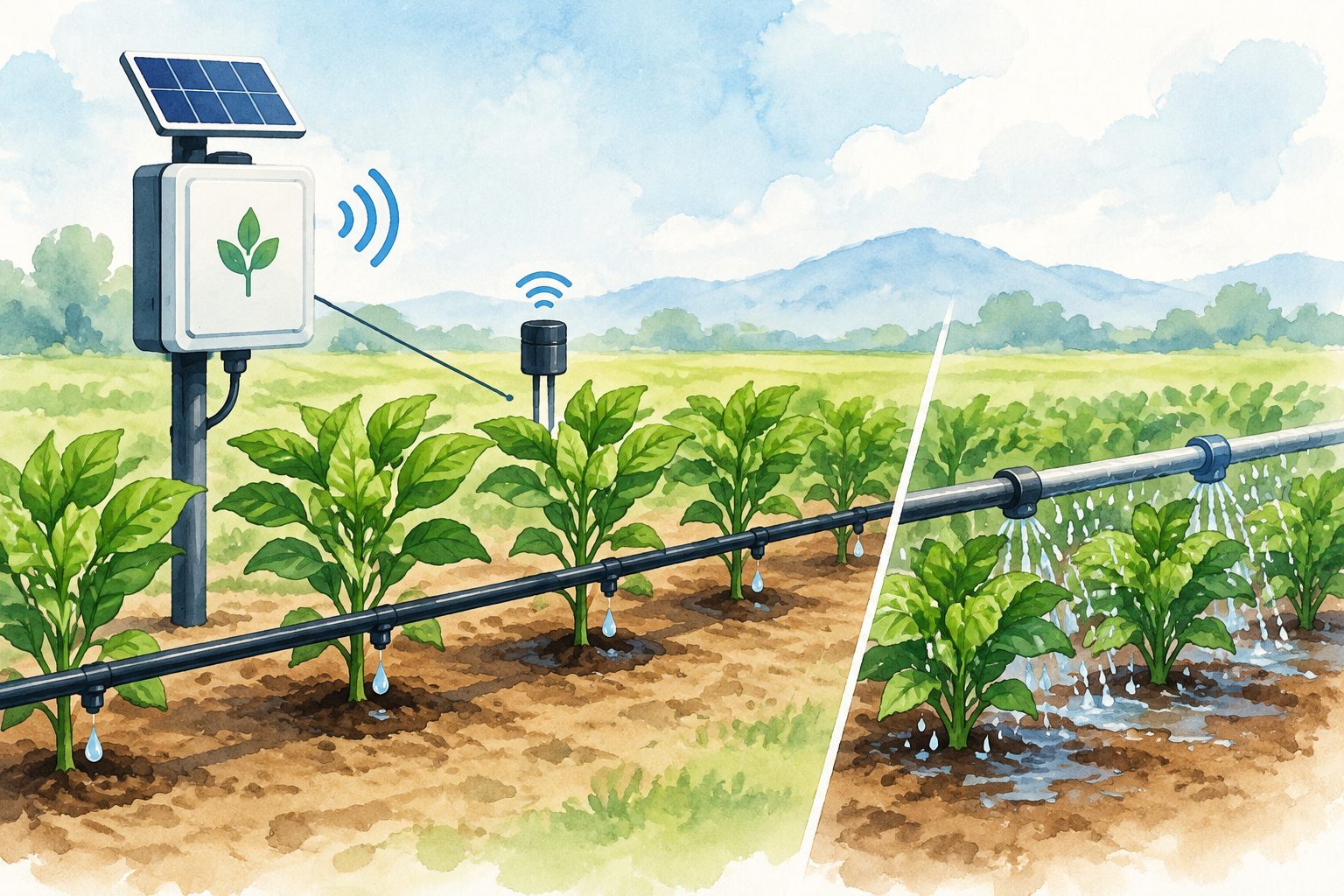
Abstract editorial illustration accompanying the article: An AI irrigation system cut water use by up to 38% in field tests

An AI irrigation system cut water use by up to 38% in field tests

Researchers developed an AI-based irrigation system that uses local soil and weather measurements to schedule watering. In field tests in semi-arid agricultural areas, it used up to 38% less water and was associated with a 20% increase in crop yield compared with time-based irrigation.

·377 views
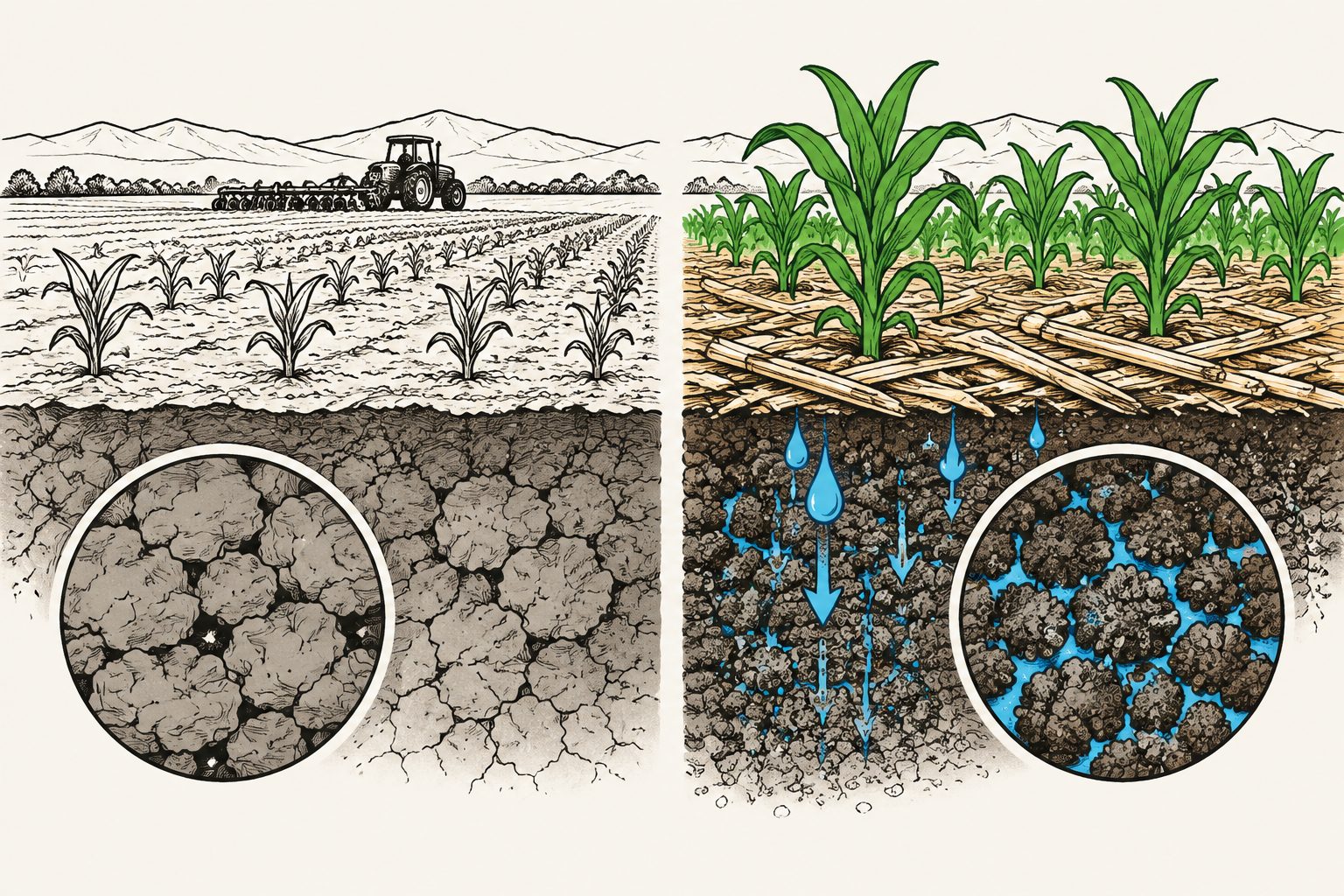
Abstract editorial illustration accompanying the article: Twenty years of no-till farming improved Central Valley soil structure and water holding

Twenty years of no-till farming improved Central Valley soil structure and water holding

A 20-year comparison in California’s Central Valley found that reduced tillage with cover crops produced more stable soil aggregates, greater water retention and different forms of carbon protection than standard tillage without cover crops. The conservation system also retained room for additional carbon storage, although the study measured potential rather than future gains.

·70 views
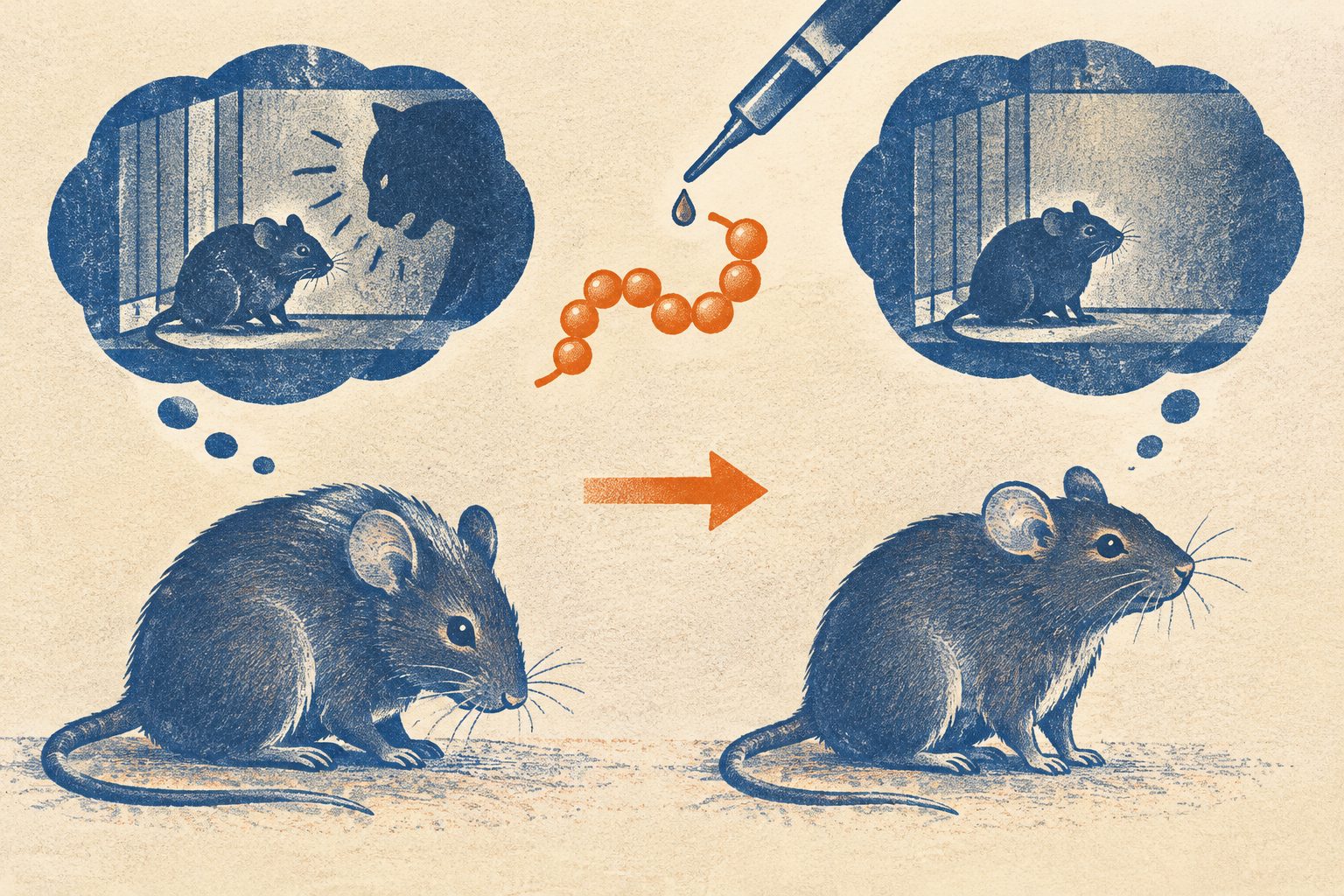
Abstract editorial illustration accompanying the article: A peptide reduced persistent traumatic memories in mice

A peptide reduced persistent traumatic memories in mice

A study in mice found that a peptide targeting the memory-related protein CPEB3 reduced the persistence of traumatic memories and anhedonia, a loss of pleasure. The findings are an early genetic preclinical test of a possible approach for PTSD, not evidence of a treatment in people.

·64 views
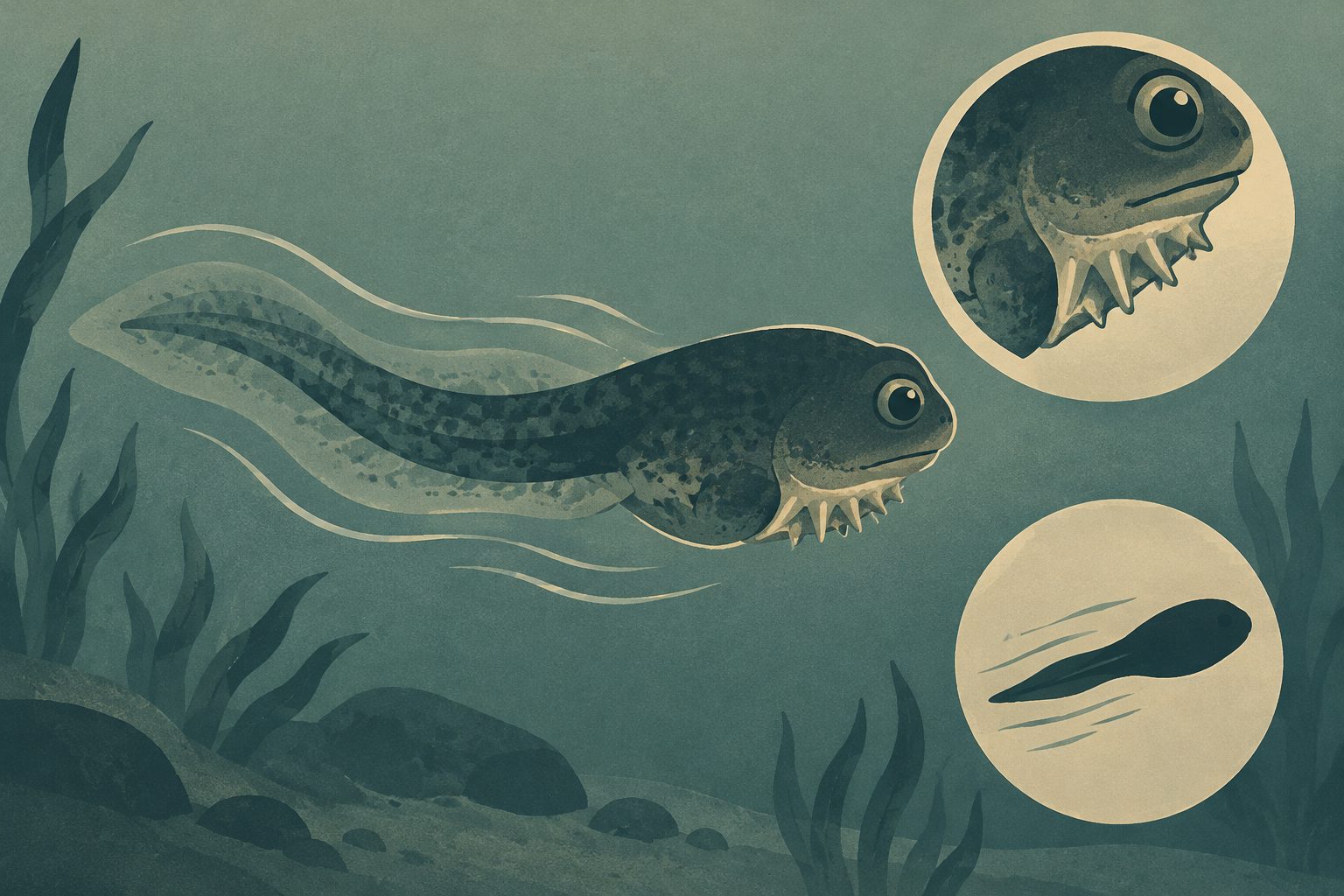
Abstract editorial illustration accompanying the article: A tadpole’s anti-swallowing body comes with a swimming cost

A tadpole’s anti-swallowing body comes with a swimming cost

Predators can trigger different body shapes in Rana pirica tadpoles. The shapes improve swimming efficiency, but the swollen body that helps protect tadpoles from being swallowed also creates drag and reduces escape performance compared with a deeper tail alone.

·56 views
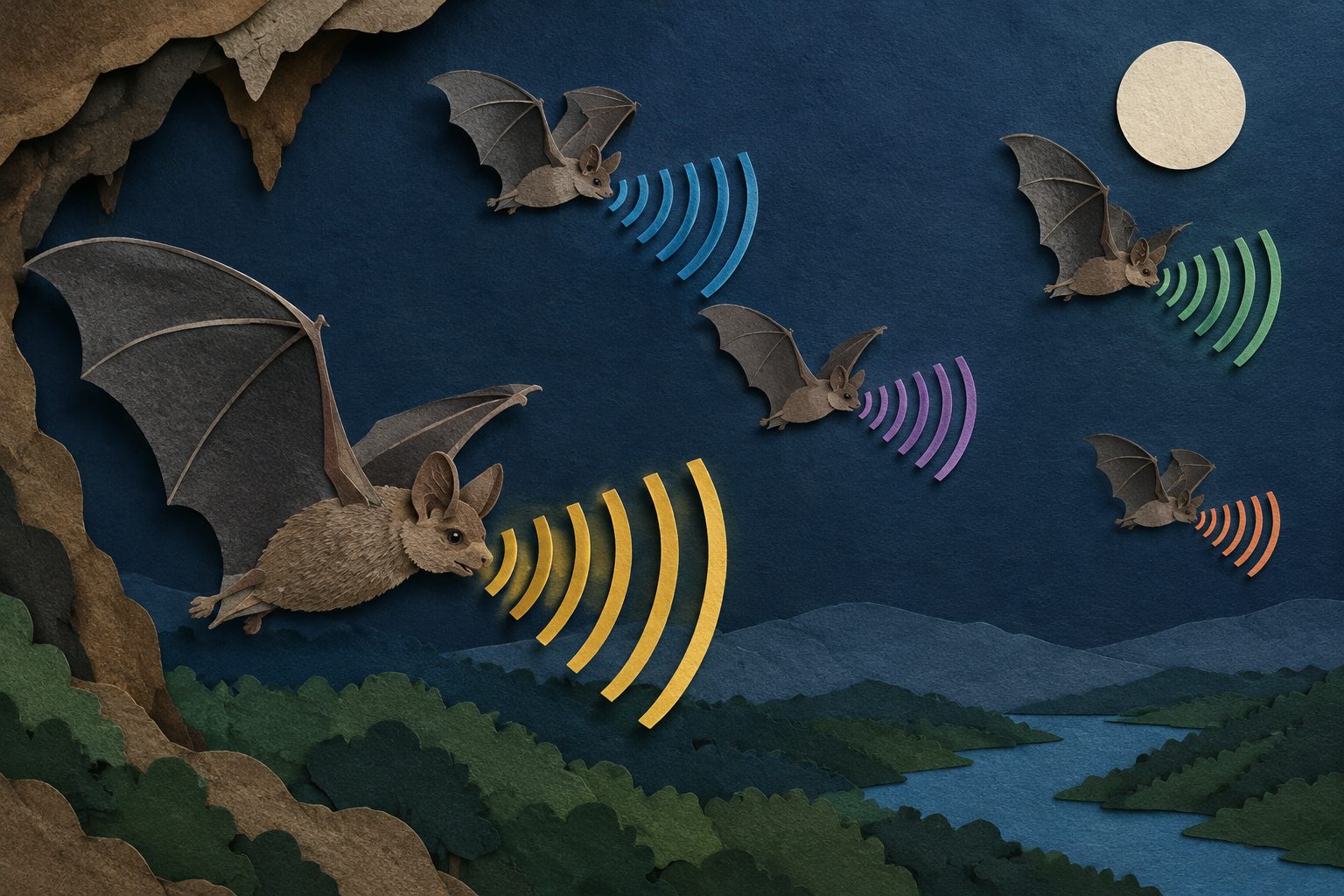
Abstract editorial illustration accompanying the article: How group-flying bats keep their echolocation calls from clashing

How group-flying bats keep their echolocation calls from clashing

Japanese bent-winged bats adjusted their echolocation frequencies in response to sounds that could interfere with their calls. A mathematical model and a two-dimensional group simulation indicate that this self-organized behavior can reduce potential misdetections across a flying group.

·148 views
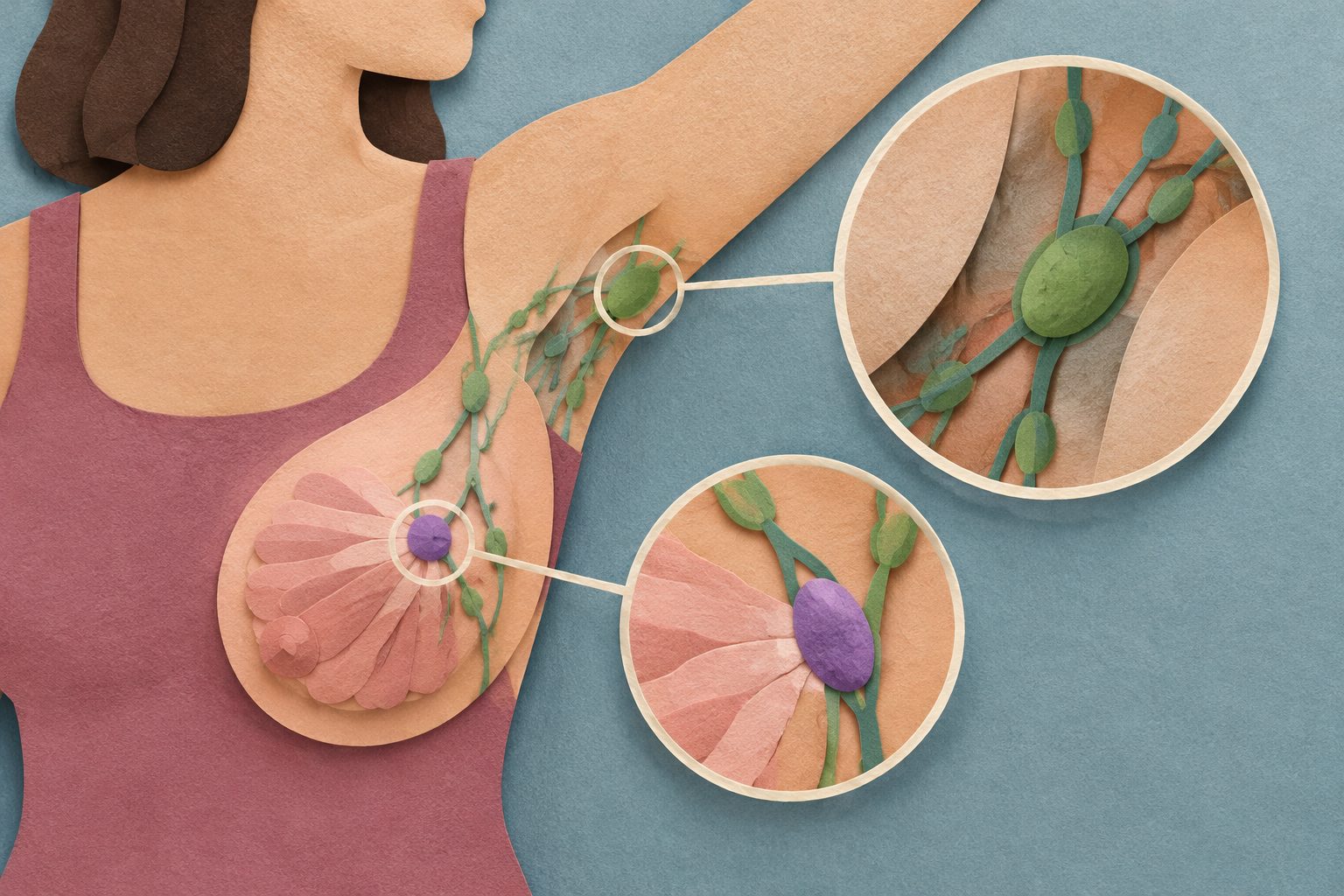
Abstract editorial illustration accompanying the article: Review links uncommon breast lymph nodes with nearby underarm node involvement
Biology
High evidenceReview

Review links uncommon breast lymph nodes with nearby underarm node involvement

This human meta-analysis combined 24 retrospective studies involving 1,482 adult women with primary breast cancer and pathologically confirmed intramammary lymph nodes. About 32% of these nodes contained cancer, and positive intramammary nodes were associated with a higher likelihood of cancer in underarm lymph nodes. The review found that prognostic results were inconsistent and that intramammary-node status alone was not accurate enough to replace standard underarm staging.

·54 views
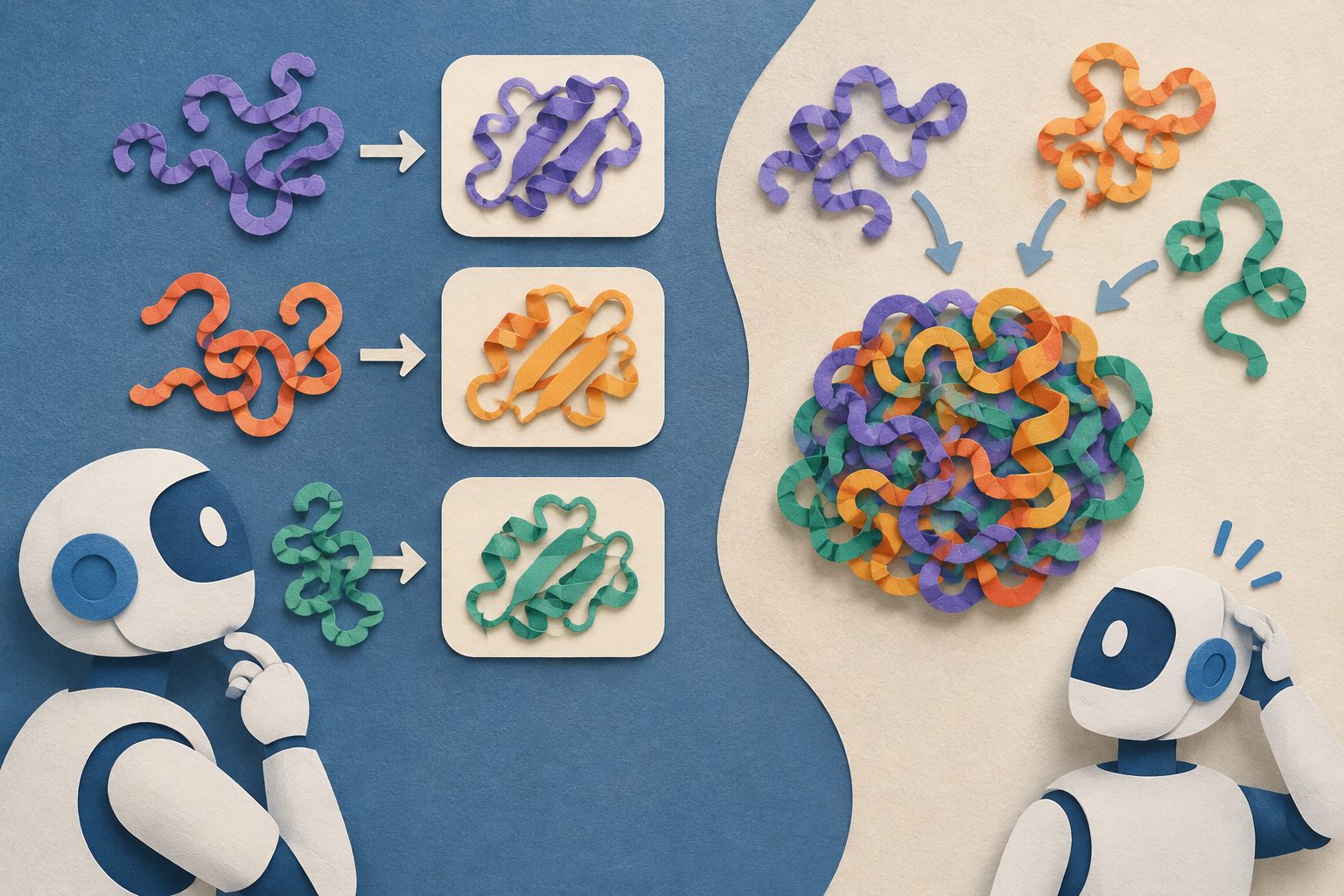
Abstract editorial illustration accompanying the article: AI predicts shapeless proteins well—until they join together

AI predicts shapeless proteins well—until they join together

AlphaFold3 reliably identifies disorder in individual proteins, matching AlphaFold2 and specialized prediction tools. But its results for assemblies of disordered proteins vary substantially between runs, making success difficult to predict from interface features alone.

·325 views
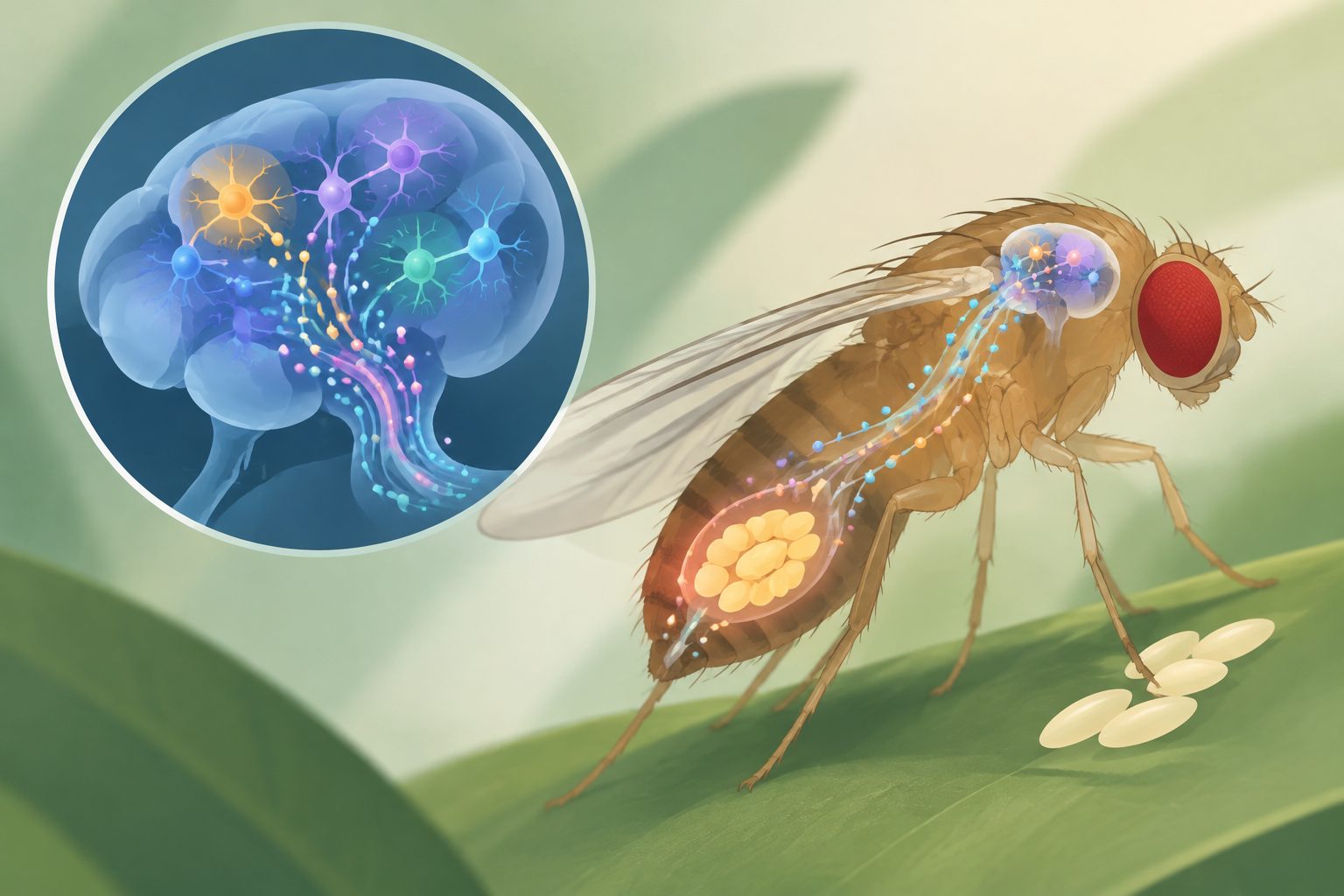
Abstract editorial illustration accompanying the article: A map of fruit-fly hormone networks links brain cells to egg-laying

A map of fruit-fly hormone networks links brain cells to egg-laying

Researchers mapped the synaptic connections of hormone-producing neurons in the adult fruit-fly brain. The analysis identified corazonin-producing neurons and a downstream partner that influence egg-laying, while also showing how signals from taste, smell and digestive-system neurons reach the network.

·83 views