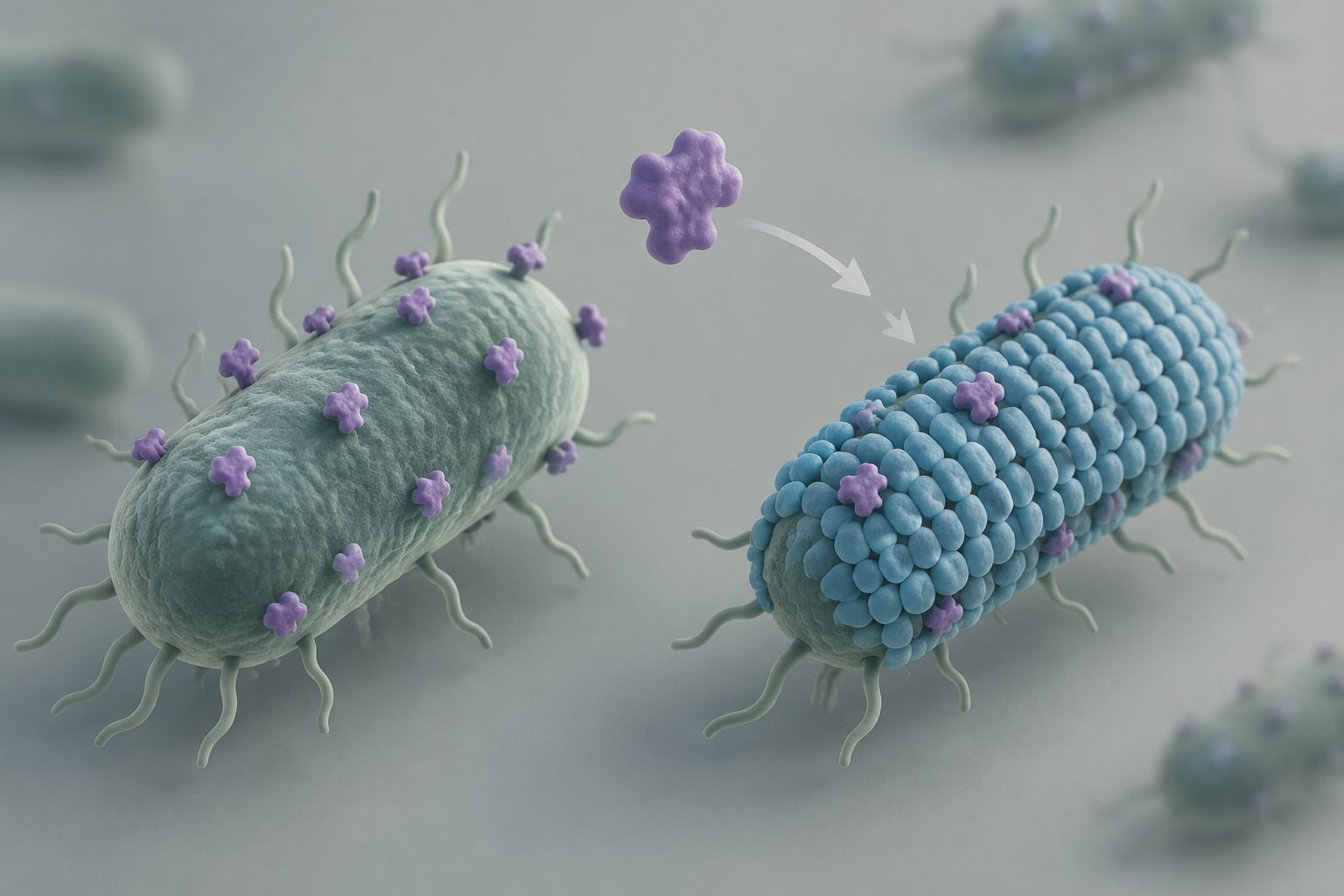
A study of 8- to 12-year-olds found associations between several flame retardants and gut bacteria and microbial functions.
Researchers examined children in the GESTE cohort in Sherbrooke, Canada, using blood and stool samples to measure exposure to 10 halogenated flame retardants. They used genetic sequencing to identify gut microbes and the functions those microbes were carrying out.
Several flame retardants were associated with differences in bacterial species and metabolic pathways. The associations included changes involving bacteria that produce short-chain fatty acids, compounds made by some gut microbes, as well as pathways involved in cell-membrane fat balance and the breakdown of a compound called 4-aminobutanoate.
Linked changes in gut microbes
The study included 140 children with plasma measurements and 182 with stool measurements. In plasma, BDE-47 was inversely associated with Clostridium sp. CAG:221, while BDE-99 was inversely associated with Bacteroides dorei after adjustment for multiple comparisons.
In stool, BDE-153 was negatively associated with several short-chain fatty acid–producing bacteria, including Eubacterium species and Roseburia intestinalis. It was positively associated with Alistipes putredinis and Faecalibacterium species. Stool BDE-153 and anti-DP were also associated with higher activity in pathways involved in phospholipid homeostasis and 4-aminobutanoate degradation.
A mediation analysis suggested that Faecalibacterium species partly mediated the association between stool BDE-153 and a pathway involved in producing a membrane-lipid precursor. These findings describe associations between flame-retardant exposure and gut microbiome composition and function; they do not establish that exposure caused the observed differences.
// Source
Gut Microbes Reports · 2026 · DOI: 10.1080/29933935.2026.2747517
Authors: Yidan Zhang, Feng Gao, Peng Gao, Yihan Fan, Xinlei Wang, Yuqiu Yang, Anthony Gagnon, Guillaume Martinez, Virginie Gillet, Jiping Zhu, Jean‐Philippe Bellenger, Andrea Baccarelli, Larissa Takser, Yike Shen
Institutions: University of California, Los Angeles, Harvard University, Université de Sherbrooke, The University of Texas at Arlington, UCLA Health, Health Canada