Infections by parasitic worms and their partner bacteria produce distinctive odors that draw in natural hosts but deter other insects.
Researchers studied soil-dwelling entomopathogenic nematodes—parasitic worms that kill insects—and the bacteria living with them. Across three insect orders, two nematode species and four stages after death, they combined insect-behavior tests with measurements of airborne chemicals and carbon dioxide release.
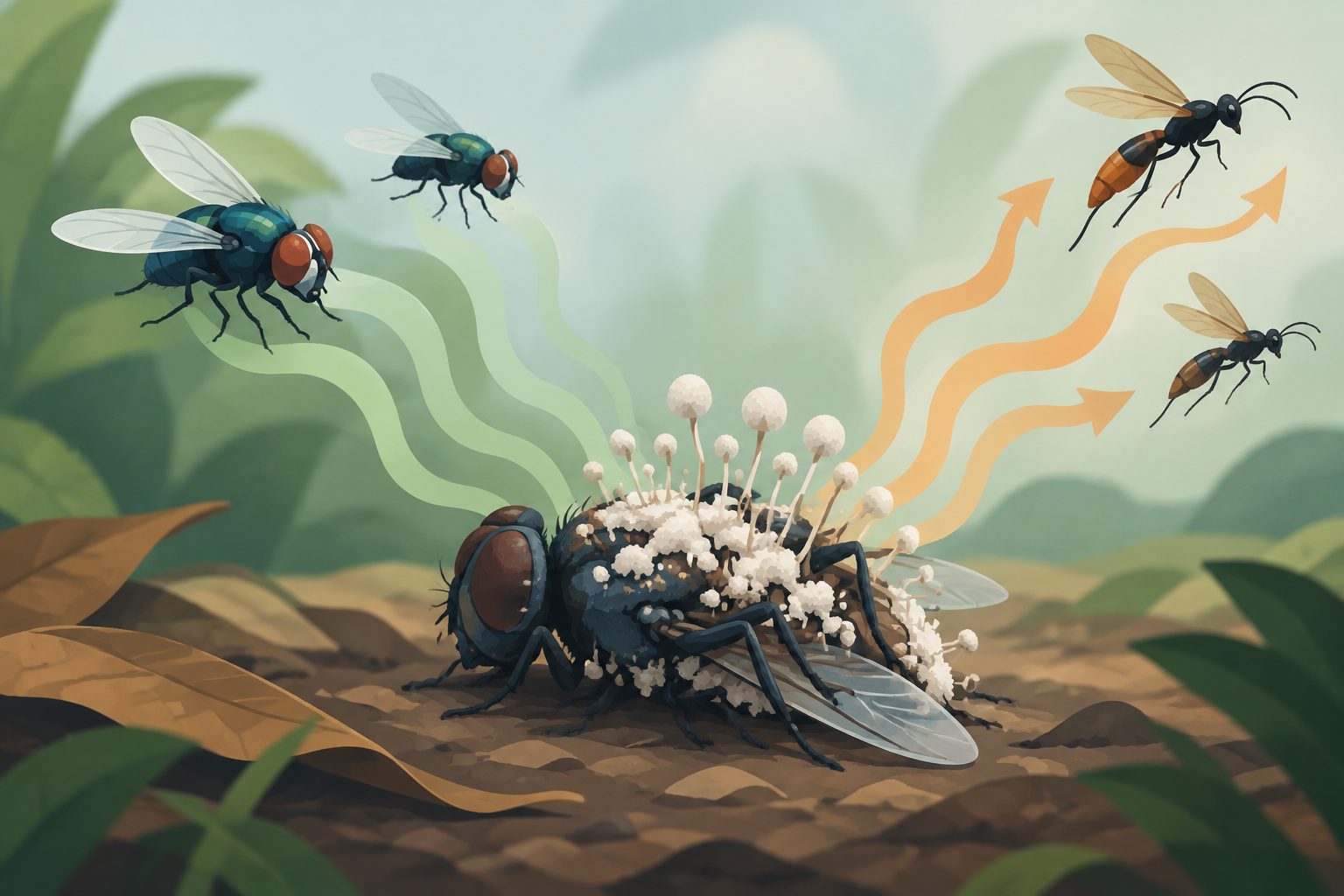
Infected insect bodies produced a consistent odor blend rich in carboxylic acids, sulfur-containing compounds and unsaturated hydrocarbons, along with higher carbon dioxide emissions. Natural hosts were attracted to these odors, while non-natural hosts were repelled. Bodies killed by freezing instead showed fermentation-like odors, and bacteria alone produced simpler blends dominated by alkanes.
How infection changes insect odors
The nematode–bacteria infection changed the chemical profile of decomposing insect bodies. The infection produced a distinct and relatively consistent blend dominated by carboxylic acids, sulfur-containing compounds and unsaturated hydrocarbons, and it was accompanied by increased carbon dioxide emissions.
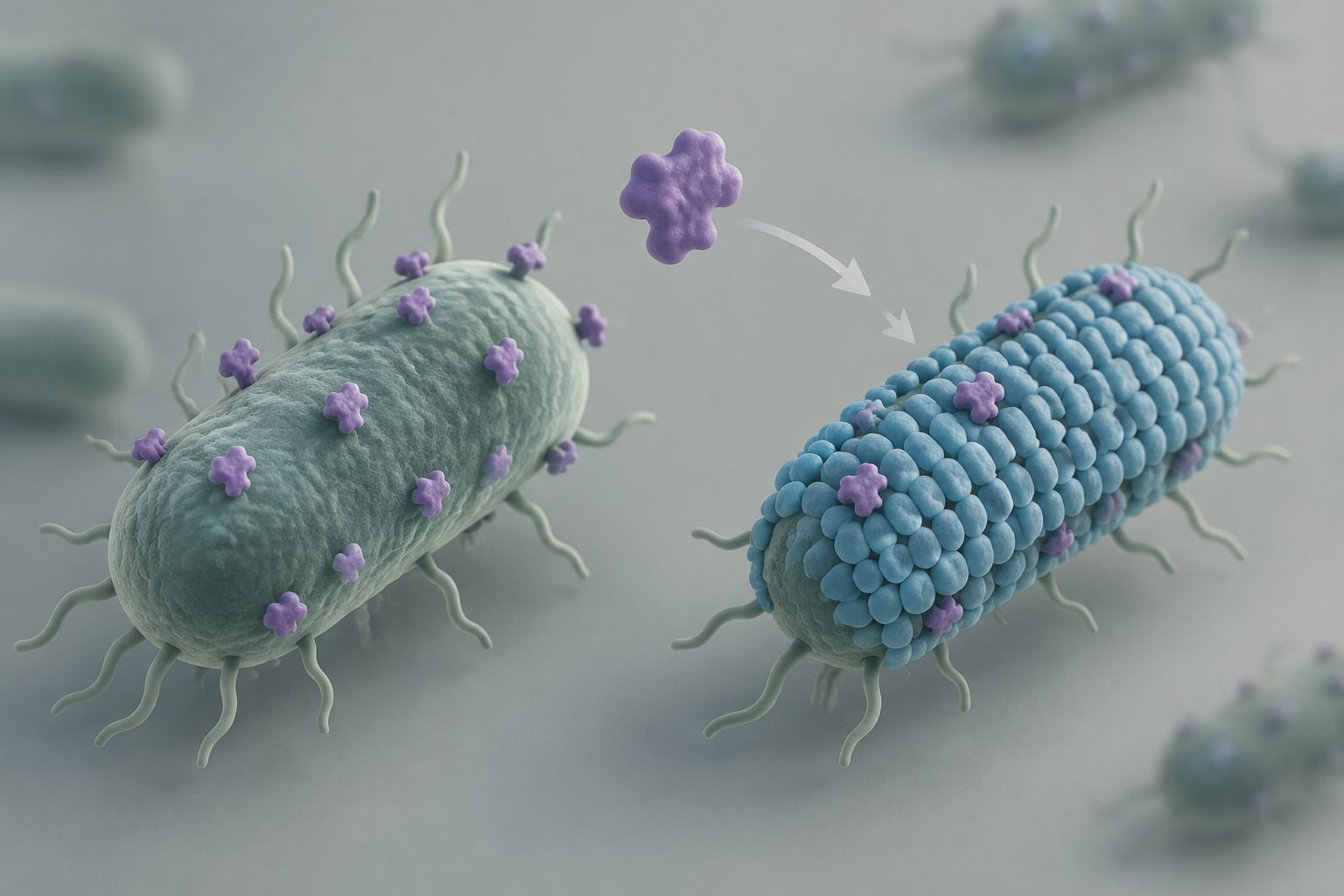
These odors produced different behavioral responses in insects: they consistently attracted the nematodes’ natural hosts and repelled non-natural hosts. The full odor profile depended on the combination of nematodes and their symbiotic bacteria. Frozen-killed insects had fermentation-type chemical profiles, while insects infected with bacteria alone produced simpler, alkane-dominated blends.
Why the odors matter
The findings show that parasites can affect ecosystems not only by killing hosts, but also by changing the chemical signals released as those hosts decompose. Because these odors influence which insects approach or avoid an infected body, infected cadavers may act as information hubs that shape interactions among species during decomposition.
This provides a possible mechanism by which parasites influence soil food webs and interactions across several levels of the ecosystem. The results may also be relevant to understanding how insect odors affect ecological processes, although the abstract does not establish how broadly these effects occur in natural communities.
Evidence and open questions
The study combined behavioral assays, comprehensive measurements of airborne chemicals and carbon dioxide, and comparisons across three insect orders, two entomopathogenic nematode species and four post-mortem intervals. The comparisons with frozen-killed insects and bacteria-only infections support the conclusion that the nematode–bacteria partnership produces the broader chemical change.
The work used a model system, and the abstract does not provide sample sizes, the identities of the insect species or the size of the behavioral effects. It also does not establish whether the observed responses produce measurable changes in entire soil food webs under natural conditions.