Latest articles

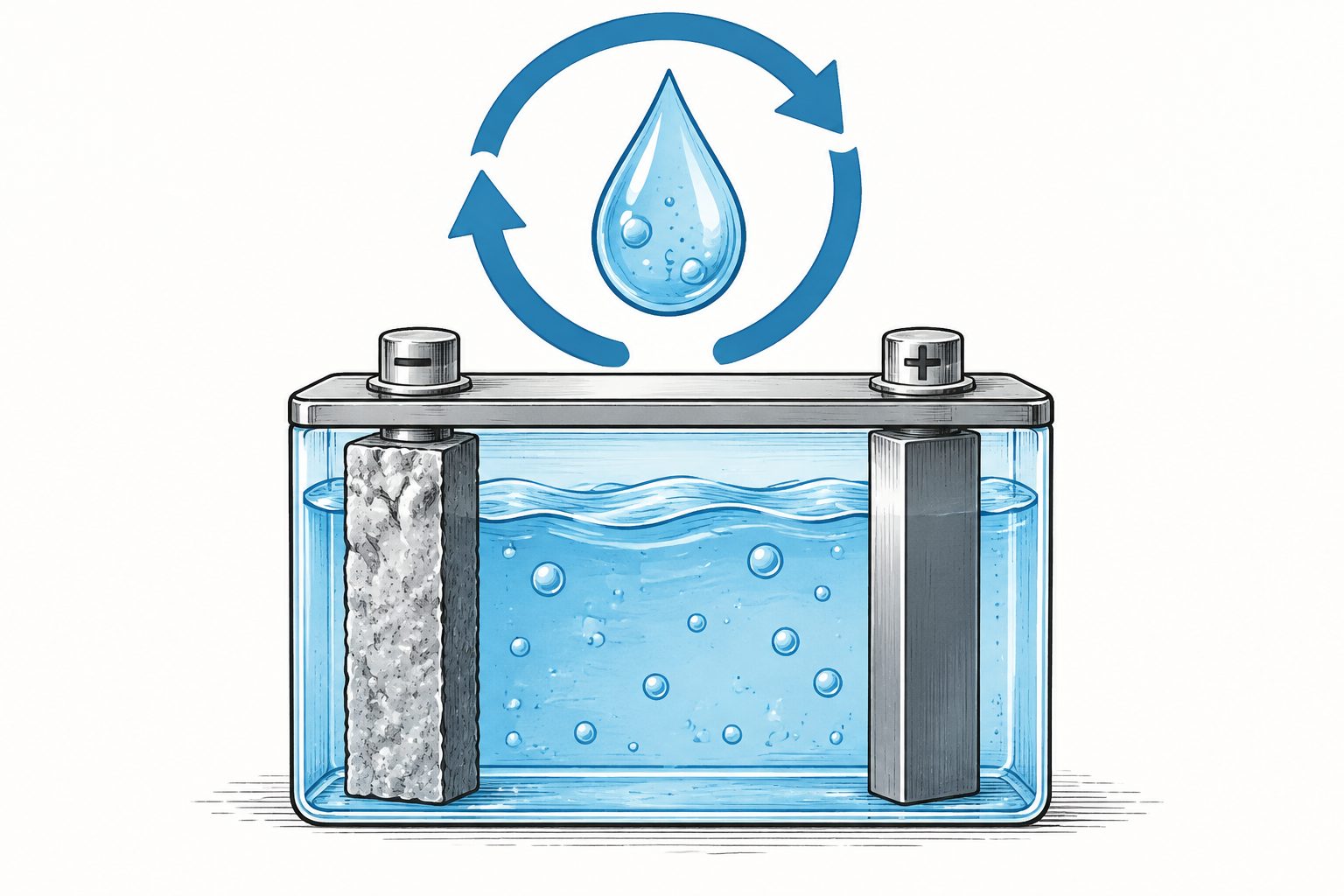
Abstract editorial illustration accompanying the article: Retrofitting diesel engines for liquefied petroleum gas could cut fleet emissions

Retrofitting diesel engines for liquefied petroleum gas could cut fleet emissions

A study of dual-fuel diesel and liquefied petroleum gas engines found that replacing 20–30% of diesel energy with gas maintained brake power while improving exergy efficiency and reducing smoke. A fleet model estimated that retrofitting 30% of vehicles could cut tank-to-wheel carbon dioxide-equivalent emissions by about 6–9%, although the well-to-wheel result depends on the gas supply chain.

·36 views
Abstract editorial illustration accompanying the article: Trial finds less myopia progression with higher-dose atropine in some children
Health & Medicine
Moderate evidenceHuman study

Trial finds less myopia progression with higher-dose atropine in some children

A randomized trial in 219 children aged 6 to 12 with high myopia compared three concentrations of atropine eyedrops over 24 months. Children assigned to 0.10% atropine had less average myopia progression than those assigned to 0.01%, while light sensitivity was reported more often with the higher concentration. The findings apply to children similar to those studied and do not establish how the results compare with other approaches.

·30 views
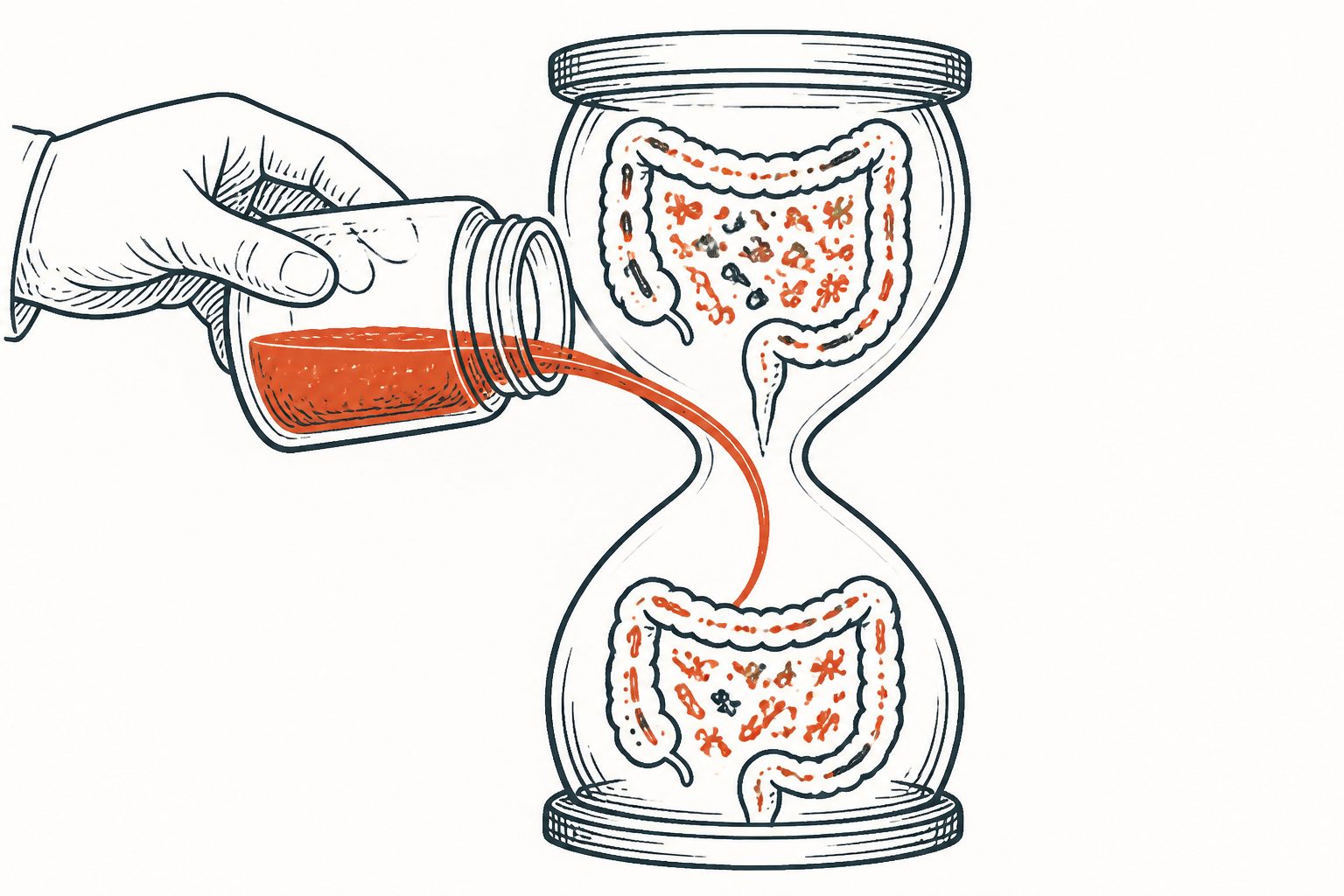
Abstract editorial illustration accompanying the article: Review finds short-term changes after stool transplant in Parkinson’s trials
Biology
High evidenceReview

Review finds short-term changes after stool transplant in Parkinson’s trials

A meta-analysis reviewed seven randomized trials of fecal microbiota transplantation, sometimes called a stool transplant, in people with Parkinson’s disease. The analysis found some short-term changes in overall symptoms, selected non-motor symptoms, and bowel function, but benefits were not consistently sustained and adverse events were more common.

·78 views
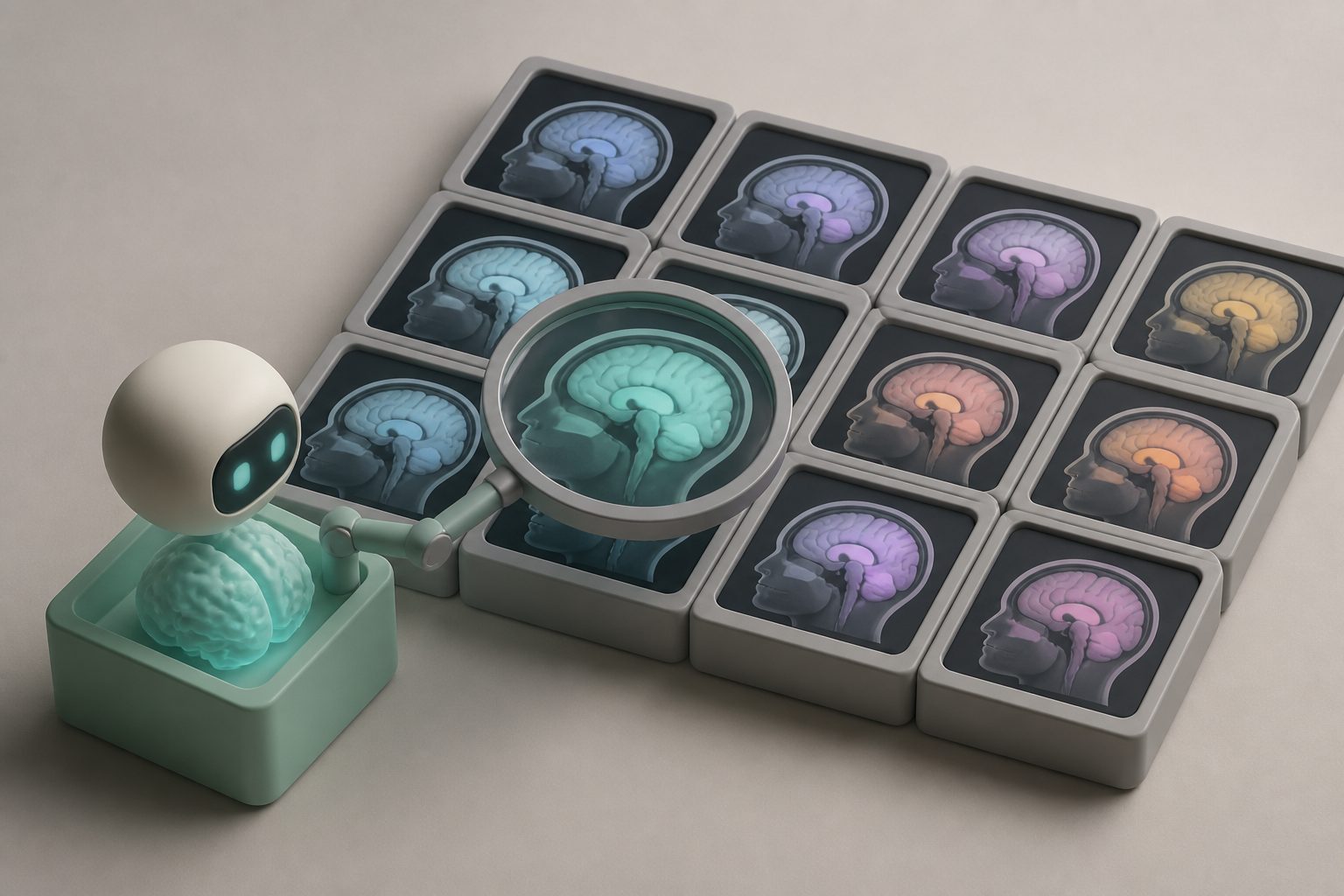
Abstract editorial illustration accompanying the article: AI brain scans may help identify autism, but test results vary widely

AI brain scans may help identify autism, but test results vary widely

A systematic review of 86 studies found that artificial intelligence systems using brain MRI can distinguish people with autism from comparison groups in research settings. But reported accuracy varies substantially with the data and testing design, and the evidence is not yet strong enough for routine clinical use.

·29 views