Researchers assess readiness for anaemia testing and intravenous iron in Bangladesh
Health workers reported commitment and confidence, while facilities still lacked some equipment, staff, and guidance needed for continued delivery.
Low evidenceHuman studyInterpret with caution
Medical disclaimer: This article summarizes research findings and is for informational purposes only. It is not medical advice.
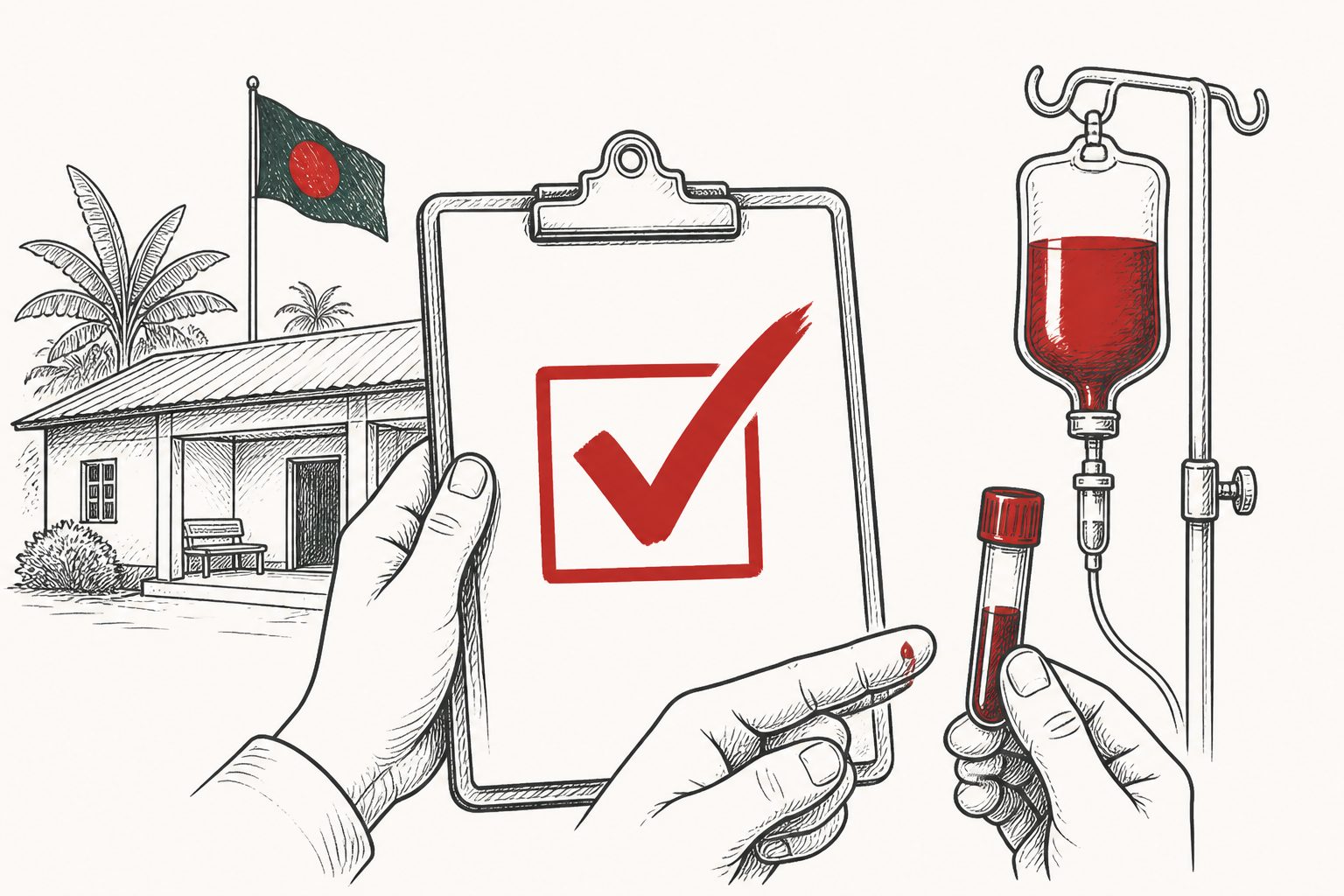
Editorial illustration — not from the study.
Researchers examined whether primary health care facilities in Bangladesh appeared prepared to offer point-of-care anaemia testing and intravenous iron to pregnant women with anaemia. The work was part of a demonstration project and used facility assessments, questionnaires, and interviews with health workers.
Health workers generally reported strong commitment and confidence, but facilities still faced shortages of equipment, guidance, nurses, and doctors. The study suggests that continuing these services beyond the demonstration project would require additional organisational and government support, but it did not test patient outcomes or the effectiveness of the services.
What was studied
The researchers evaluated organisational readiness in Bangladesh’s primary health care system to provide point-of-care anaemia testing and intravenous iron treatment for pregnant women. The multi-phase mixed-methods study included a baseline readiness assessment at 20 health facilities, questionnaires completed by 35 health workers, and qualitative interviews with 21 health workers. Quantitative results were analysed descriptively, while interview data were analysed for themes related to capability, opportunity, and motivation. The study was embedded in a demonstration project.
What researchers observed
The researchers reported high psychological readiness among health workers for implementing anaemia testing and intravenous iron treatment. Health workers showed strong commitment and confidence in providing the services. However, structural readiness was incomplete: facilities faced shortages of equipment, guidelines, nurses, and doctors. The researchers concluded that continued delivery after the demonstration project would require government support and resources. These findings describe readiness and reported views, not the clinical effectiveness of intravenous iron or the effect of the programme on maternal or newborn outcomes.
Who this is relevant to
These findings may be relevant to primary health care facilities and health workers in Bangladesh that are considering point-of-care anaemia testing and intravenous iron services. They do not show that the services improve health outcomes, and their applicability to other countries, health systems, or facilities is unknown.
Why it matters
Anaemia testing and intravenous iron services may depend not only on clinical protocols but also on whether facilities have suitable staff, equipment, and guidance. This study identifies reported willingness among health workers alongside practical barriers in some participating facilities. It may help describe implementation needs in similar Bangladeshi primary care settings, but it does not show whether expanding these services would improve outcomes for pregnant women or babies, or whether the findings apply elsewhere.
Limitations & evidence assessment
The study included a small number of facilities and health workers, and the abstract does not explain how representative they were of Bangladesh’s wider health system. The quantitative findings were descriptive, and the study had no control or comparison group. Readiness and reported confidence do not establish that services were delivered consistently or that they improved outcomes for pregnant women. The abstract also provides limited information about follow-up and the demonstration project’s duration.
Why this evidence level: This was a small, descriptive human implementation study involving 20 facilities and 35 health workers, with qualitative interviews involving 21 participants. It did not use randomization or a comparison group and assessed organisational readiness rather than patient health outcomes.
Evidence levels are editorial estimates derived from study metadata — they are not clinical appraisals.
// Source
Global Implementation Research and Applications · 2026 · DOI: 10.1007/s43477-026-00243-4
This systematic review examined randomized human trials of concurrent chemotherapy and radiation for locally advanced head and neck, cervical, esophageal, and non-small-cell lung cancers. Across the included trials, combined treatment was reported to provide better overall survival than radiation alone, but it also caused more severe short-term side effects. The review did not provide enough information in its abstract to show how many trials or patients were included.
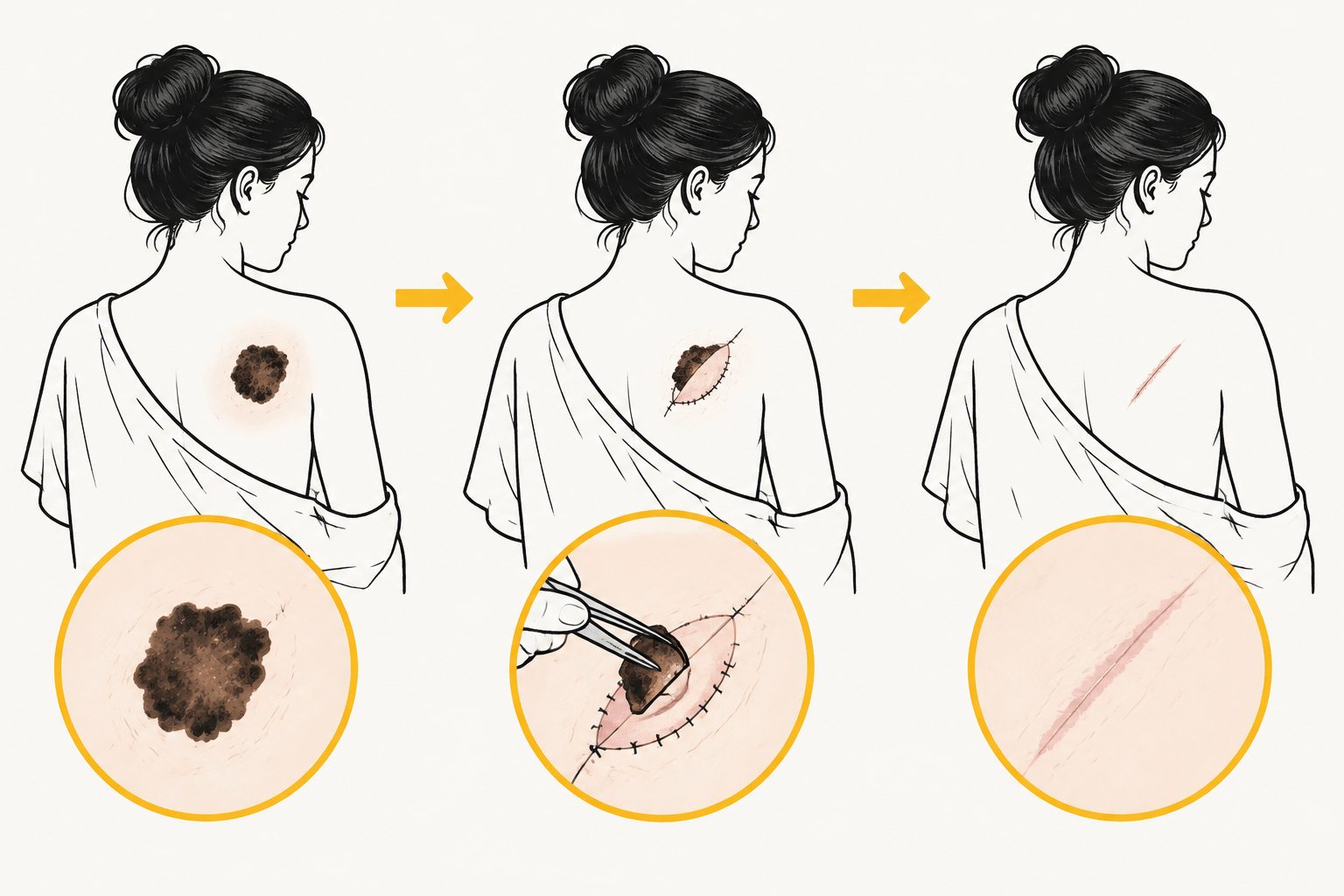
Researchers pooled results from seven human studies comparing multiple-staged with single-stage removal and reconstruction of congenital melanocytic nevi, sometimes called congenital moles. Staged surgery was associated with fewer major wound complications and recurrences, as well as slightly shorter and narrower scars, but the studies did not find a clear difference in cosmetic or overall patient satisfaction.
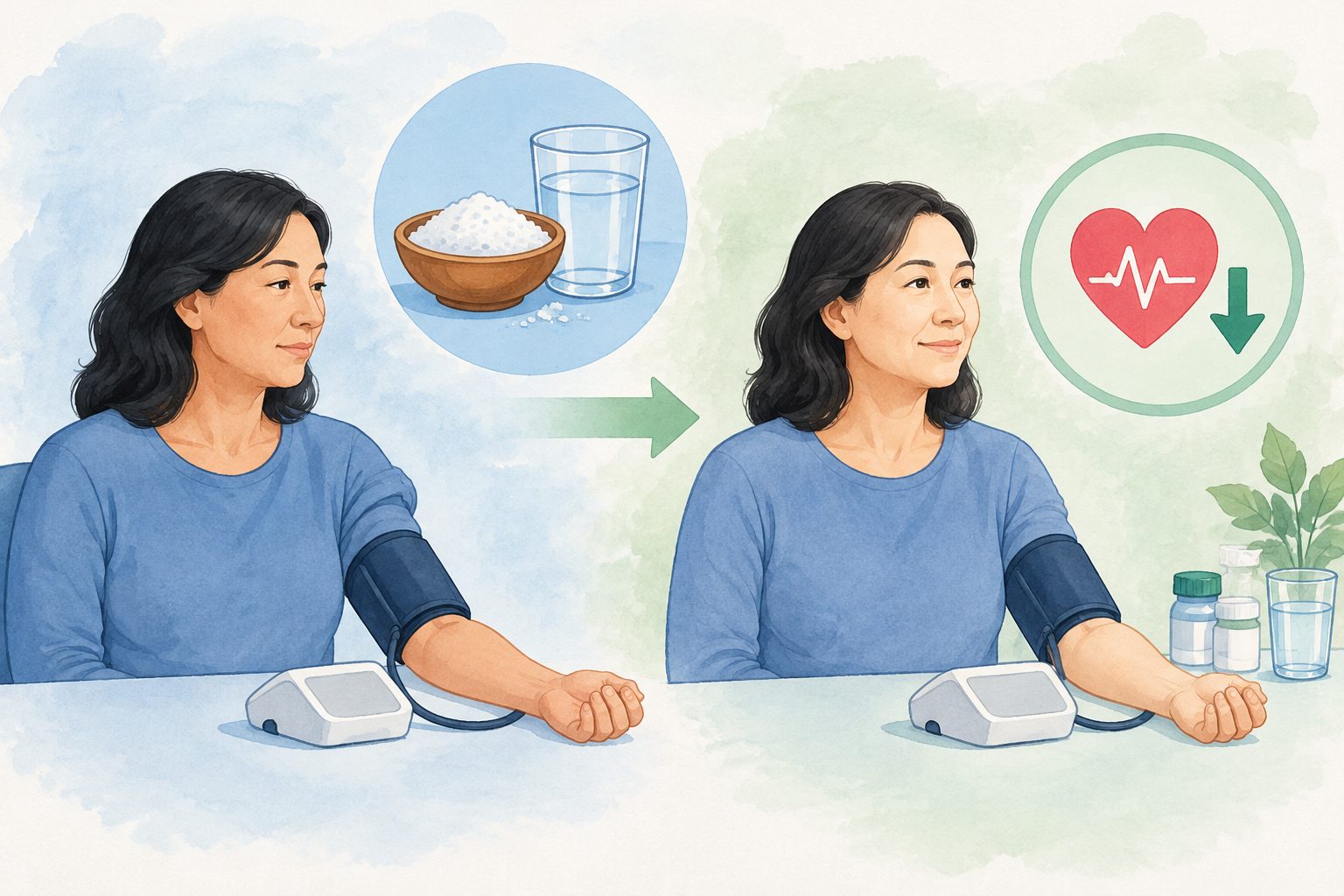
A cluster-randomized human study in 210 adults with recently detected stage 1 hypertension in Uzbekistan compared salt-sensitivity testing followed by assigned medication choices with conventional management. After 12 weeks, more participants in the testing-guided group reached the study's blood pressure target, although the study was small, short, and conducted in only three primary care centers.