Latest articles

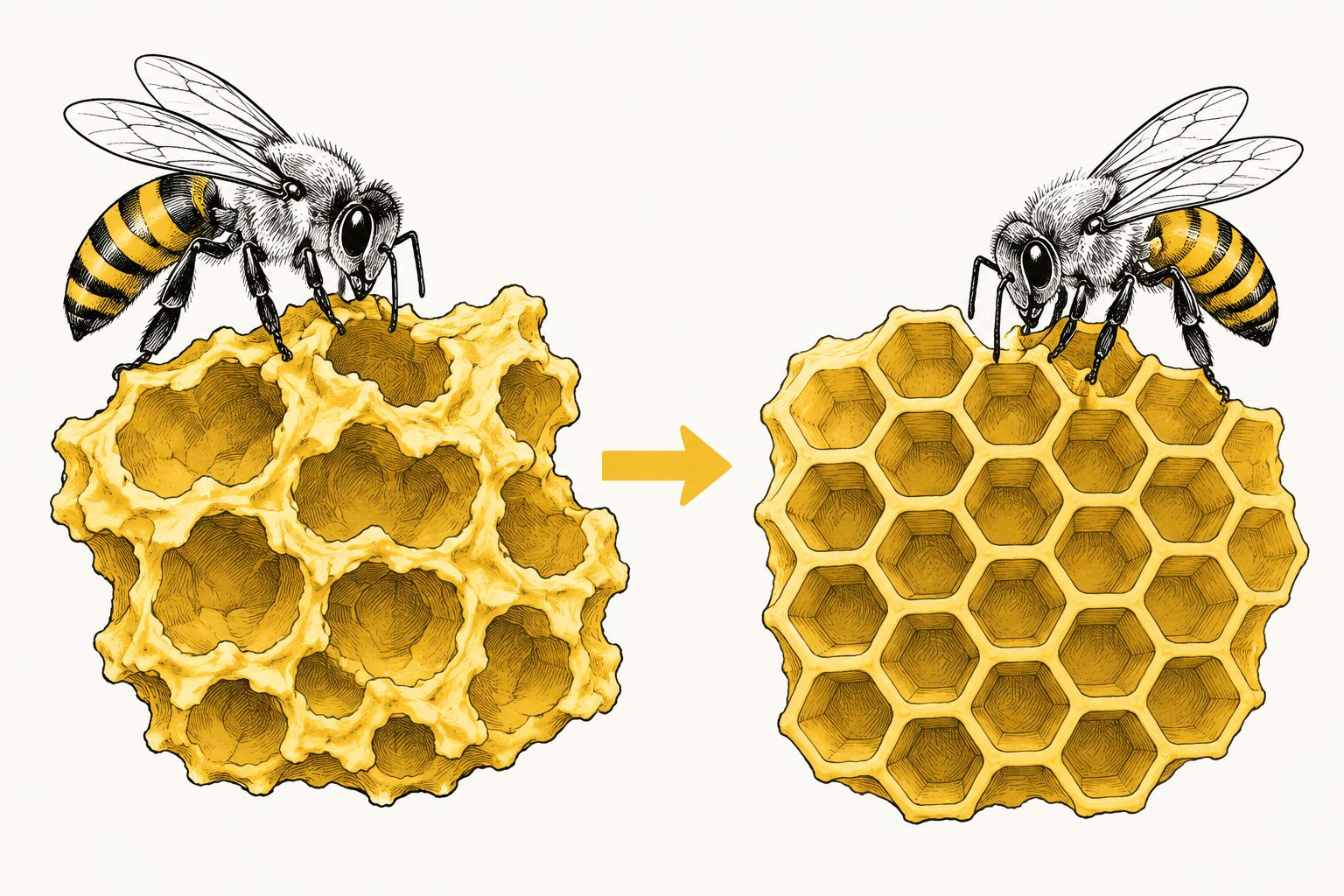
Abstract editorial illustration accompanying the article: Honeybees refine rough wax cells into the regular hexagons of comb

Honeybees refine rough wax cells into the regular hexagons of comb

Honeybee cells begin with uneven walls, curved boundaries and variable angles, but become more regular as workers continue building. The findings suggest that the familiar hexagonal pattern emerges through local adjustments rather than being constructed perfectly from the outset.

·70 views

Abstract editorial illustration accompanying the article: Review finds radiofrequency treatment had similar cancer outcomes to surgery
Health & Medicine
High evidenceReview

Review finds radiofrequency treatment had similar cancer outcomes to surgery

A systematic review and meta-analysis compared radiofrequency ablation with surgery and other heat-based procedures in 3,612 people with papillary thyroid carcinoma. Compared with surgery, radiofrequency ablation was associated with similar reported disease progression and fewer complications, but the evidence came from a limited number of studies and may not apply to all patients.

·65 views
Abstract editorial illustration accompanying the article: Study links feeding frequency with caregiver beliefs in Ethiopian children
Health & Medicine
Low evidenceHuman study

Study links feeding frequency with caregiver beliefs in Ethiopian children

Researchers studied 514 mothers or caregivers of children aged 6–23 months attending three public health centers in Harar City, Eastern Ethiopia. They found that 61.5% of the children met the study’s minimum meal-frequency standard, while meeting that standard was associated with caregiver beliefs, household circumstances, breastfeeding status, child age, and other factors.

·52 views
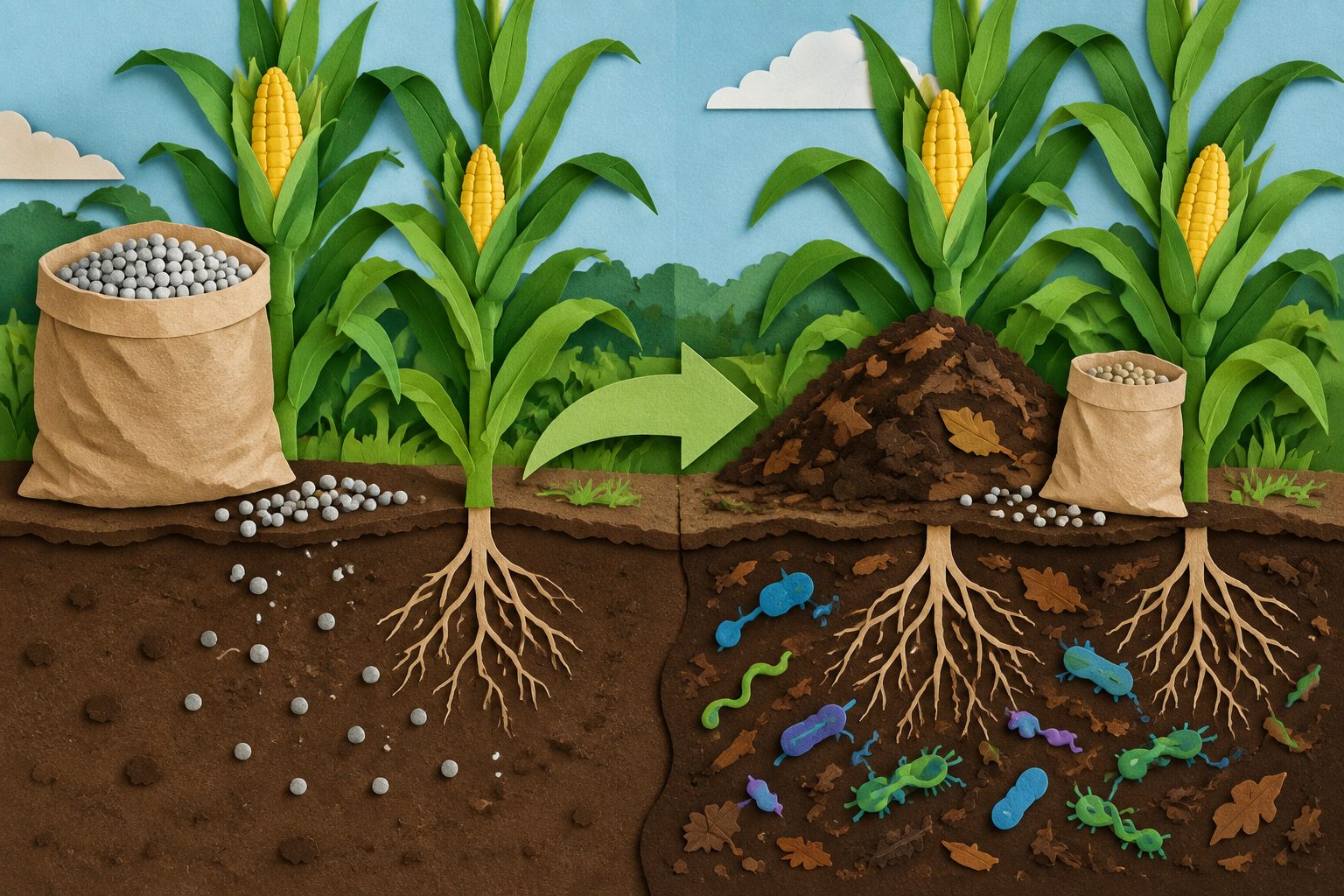
Abstract editorial illustration accompanying the article: A maize field trial used 25% less mineral fertilizer with compost and bacteria

A maize field trial used 25% less mineral fertilizer with compost and bacteria

A field experiment in India found that maize supplied with 75% mineral NPK, vermicompost and Azotobacter–Bacillus inoculation produced 40.8 quintals of grain per hectare. The treatment also improved measures of soil microbial activity compared with sole 100% NPK, but the results need testing across more seasons and locations.

·31 views