The study used self-reported information from 3,901 students and compared several prediction methods, including models designed to show which factors contributed most.
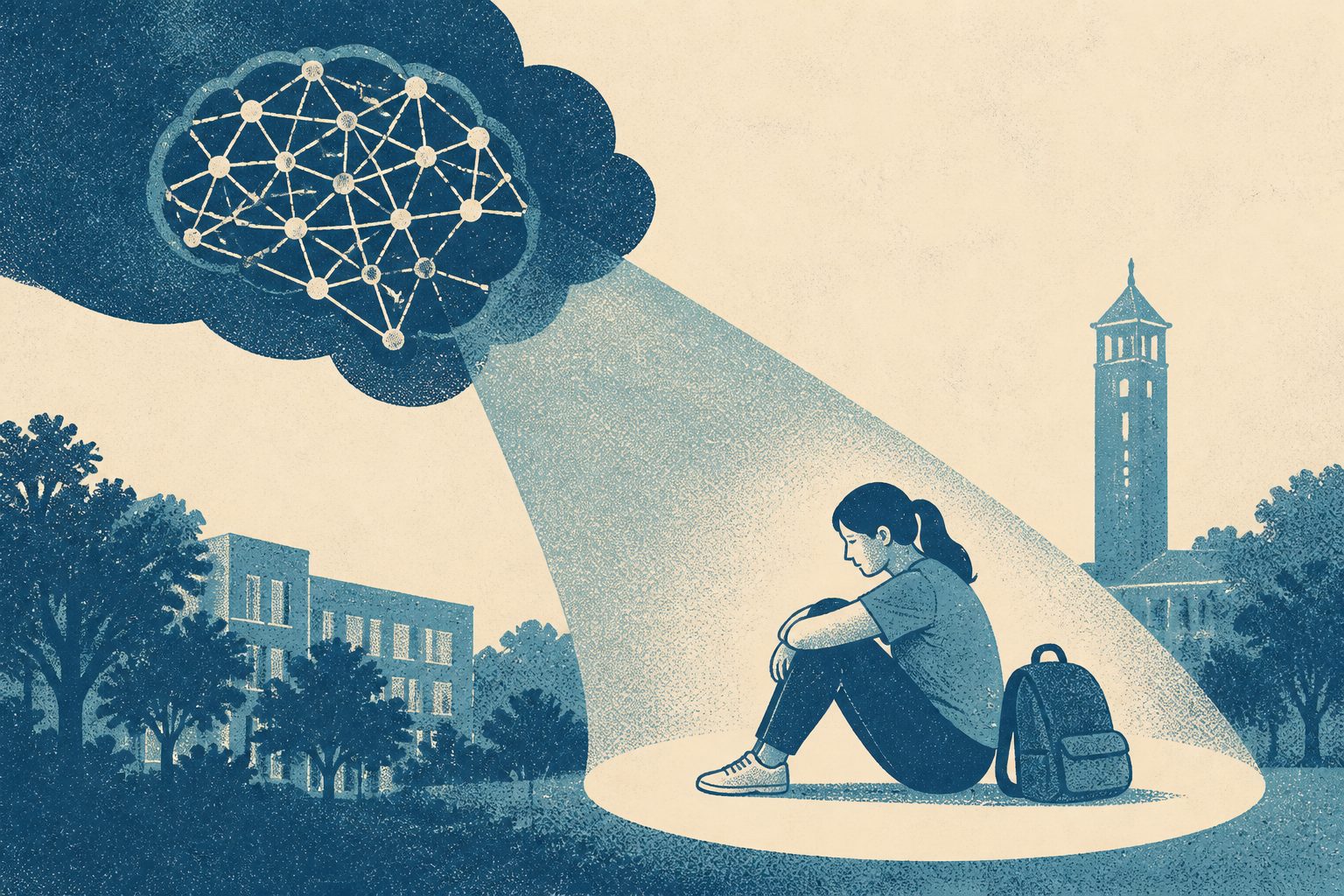
Researchers developed an interpretable machine-learning model to predict suicidal thoughts and behaviors among university students in Taiwan. The model combined factors linked to individual characteristics, suicide risk and protection, using data from 3,901 students and 13 self-report assessments.
Two methods—random forest and LightGBM—performed best among the approaches tested. Models using risk factors alone performed about as well as models combining individual, risk and protective factors, and both outperformed models using only individual or only protective factors.
What the models found
The researchers built four versions of a prediction model: one using individual factors, one using suicide-related risk factors, one using protective factors, and one combining all three categories. They compared classic logistic regression with five machine-learning classifiers.
Random forest and LightGBM produced the strongest results. Among students considered at high risk, machine-learning methods predicted suicidal thoughts and behaviors better than traditional statistical methods. The risk-factor-only model and the model combining individual, risk and protective factors performed similarly, and both outperformed the models based only on protective factors or only on individual factors.
The model was designed to be interpretable, meaning it could provide information about the relative importance and contribution of the factors used in its predictions.
Evidence and caveats
The study analyzed data from 3,901 Taiwanese university students collected through National Taiwan University’s physical and mental health assessment system. It used 13 self-report assessments and compared logistic regression with five machine-learning classifiers. The abstract does not report external validation, prospective testing, whether the model changes outcomes, or how well it would work at other universities or in other populations. The findings support prediction and screening, not a clinical diagnosis or proof that an intervention based on the model would prevent suicidal thoughts or behaviors.