Latest articles

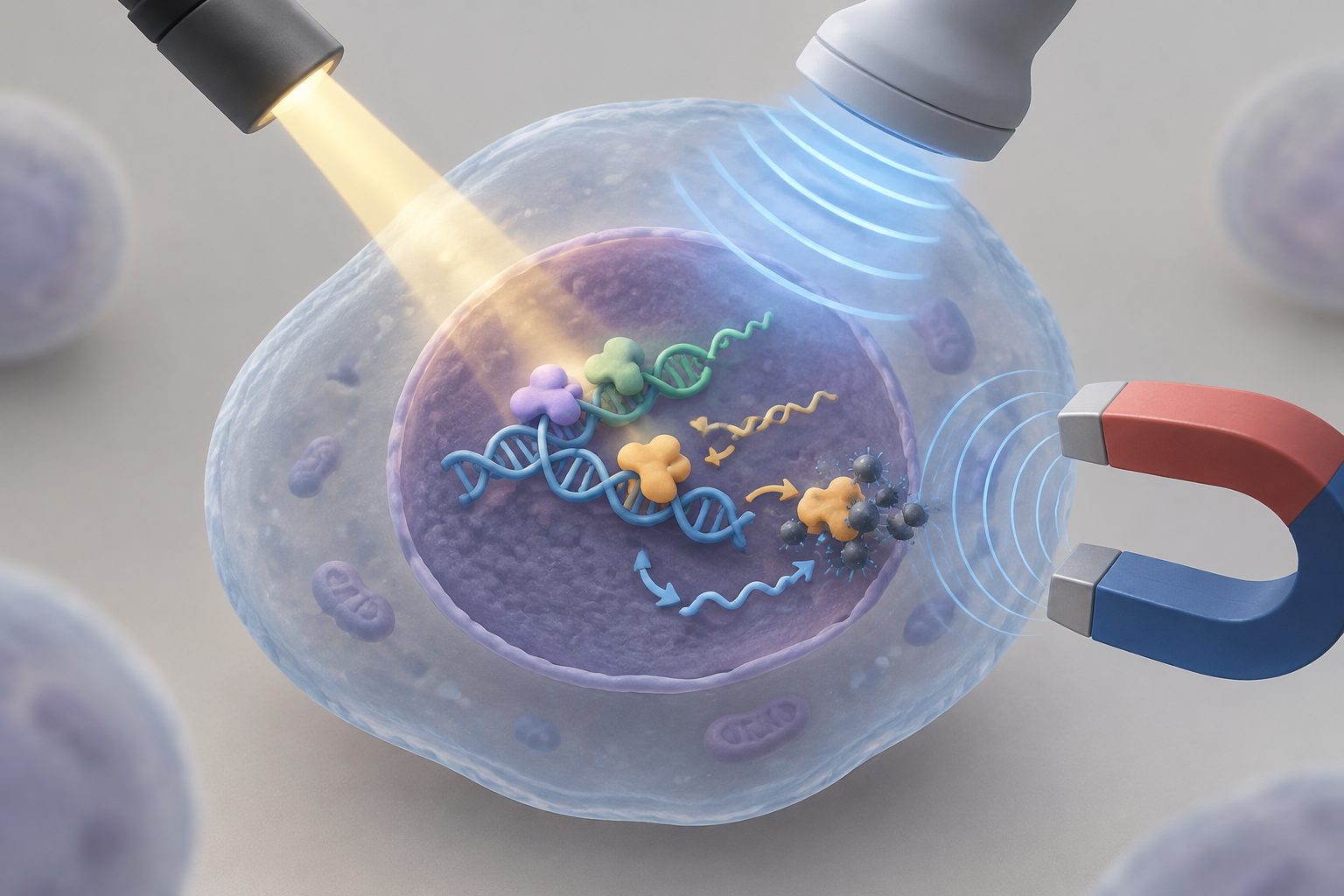
Abstract editorial illustration accompanying the article: Light, ultrasound and magnets are being used to steer genes in cells

Light, ultrasound and magnets are being used to steer genes in cells

Researchers have reviewed genetic circuits that use light, ultrasound or magnetic fields to control gene activity and cell functions. The analysis compares how these systems sense outside signals, process them inside cells and produce genetic responses, while outlining the tests needed for potential medical use.

·55 views

Abstract editorial illustration accompanying the article: When people guide AI coding, the tests are better organized

When people guide AI coding, the tests are better organized

An exploratory study compared four ways to develop software with and without conversational AI systems. Human–AI collaboration produced higher-quality, better-organized test suites, while autonomous AI agents generated functionally correct code more quickly but added complexity and untested decisions.

·63 views
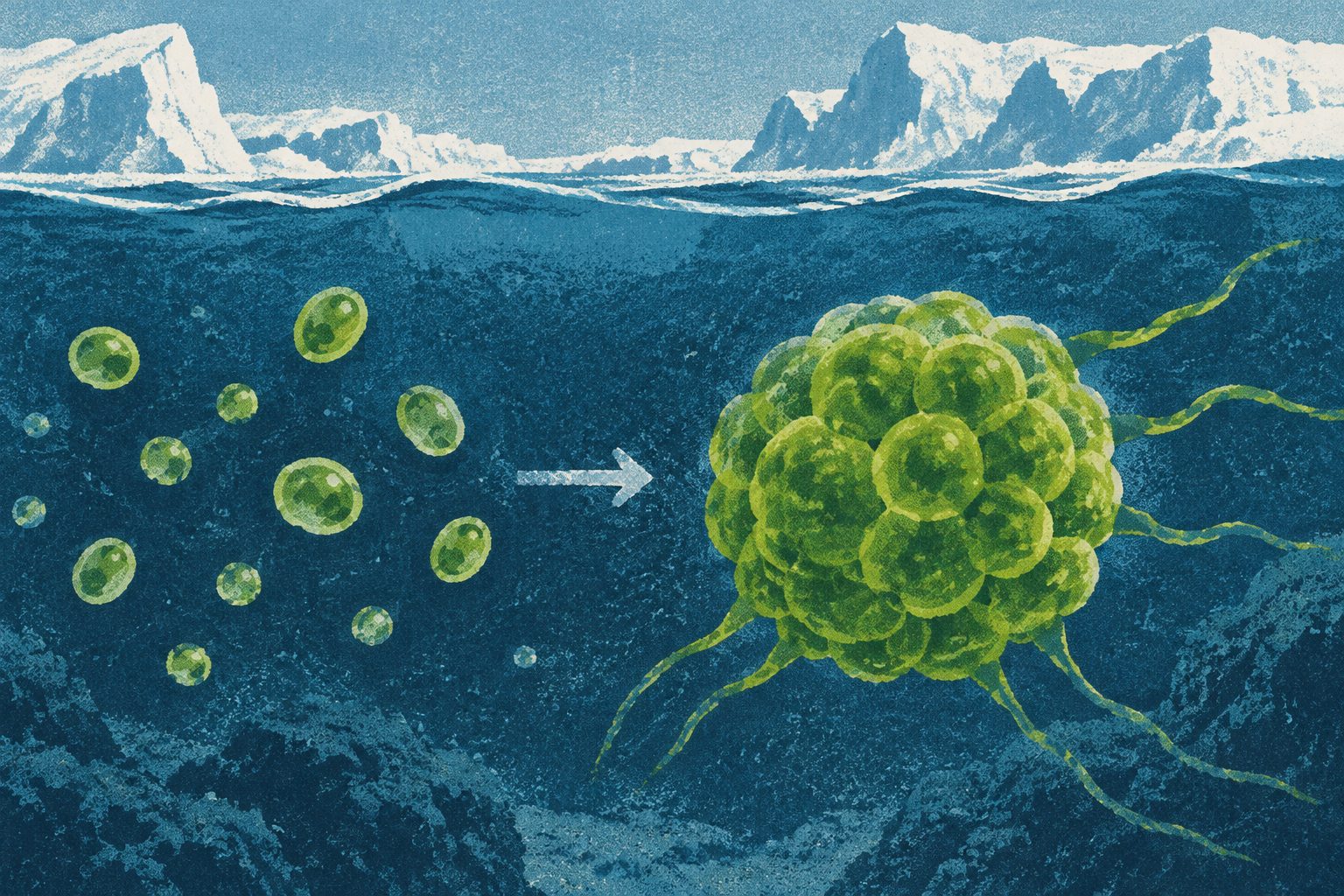
Abstract editorial illustration accompanying the article: Thick, cold oceans may have favored multicellular green algae

Thick, cold oceans may have favored multicellular green algae

Laboratory populations of unicellular green algae evolved motile multicellular forms in water with Snowball Earth-like viscosity. The results suggest that thick, cold oceans may have favored larger, collectively moving organisms during an important period in the evolution of multicellular life.

·22 views
Abstract editorial illustration accompanying the article: Review finds artificial intelligence use in low-resource cancer care remains at early stages
Health & Medicine
High evidenceReview

Review finds artificial intelligence use in low-resource cancer care remains at early stages

A systematic review examined how artificial intelligence was being used in radiation oncology in low- and middle-income countries. Among 18 studies, most described limited, task-specific uses, while only one reported coordination across multiple stages of care. The review found that validation, infrastructure, workflow development, and governance were not yet sufficiently developed for broad scale-up.

·30 views
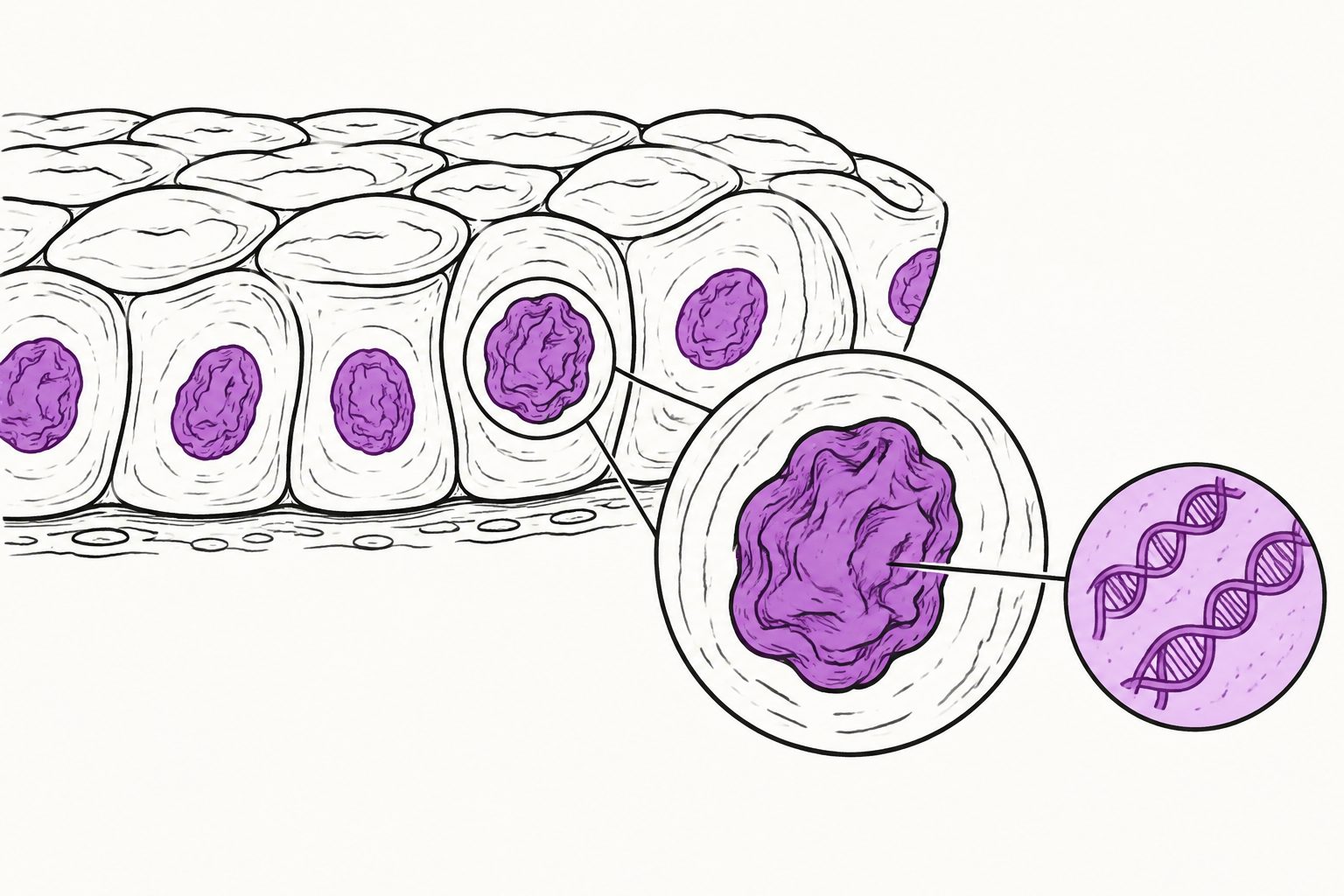
Abstract editorial illustration accompanying the article: Crowded epithelial cells wrinkle their nuclei without detectable DNA damage

Crowded epithelial cells wrinkle their nuclei without detectable DNA damage

Human epithelial cells formed reversible wrinkles in their nuclear envelopes as cell density rose or the cells rounded. The wrinkles appeared without detectable envelope rupture, DNA damage or a stress-associated histone change, supporting a geometric explanation for how nuclei accommodate mechanical constraints.

·20 views
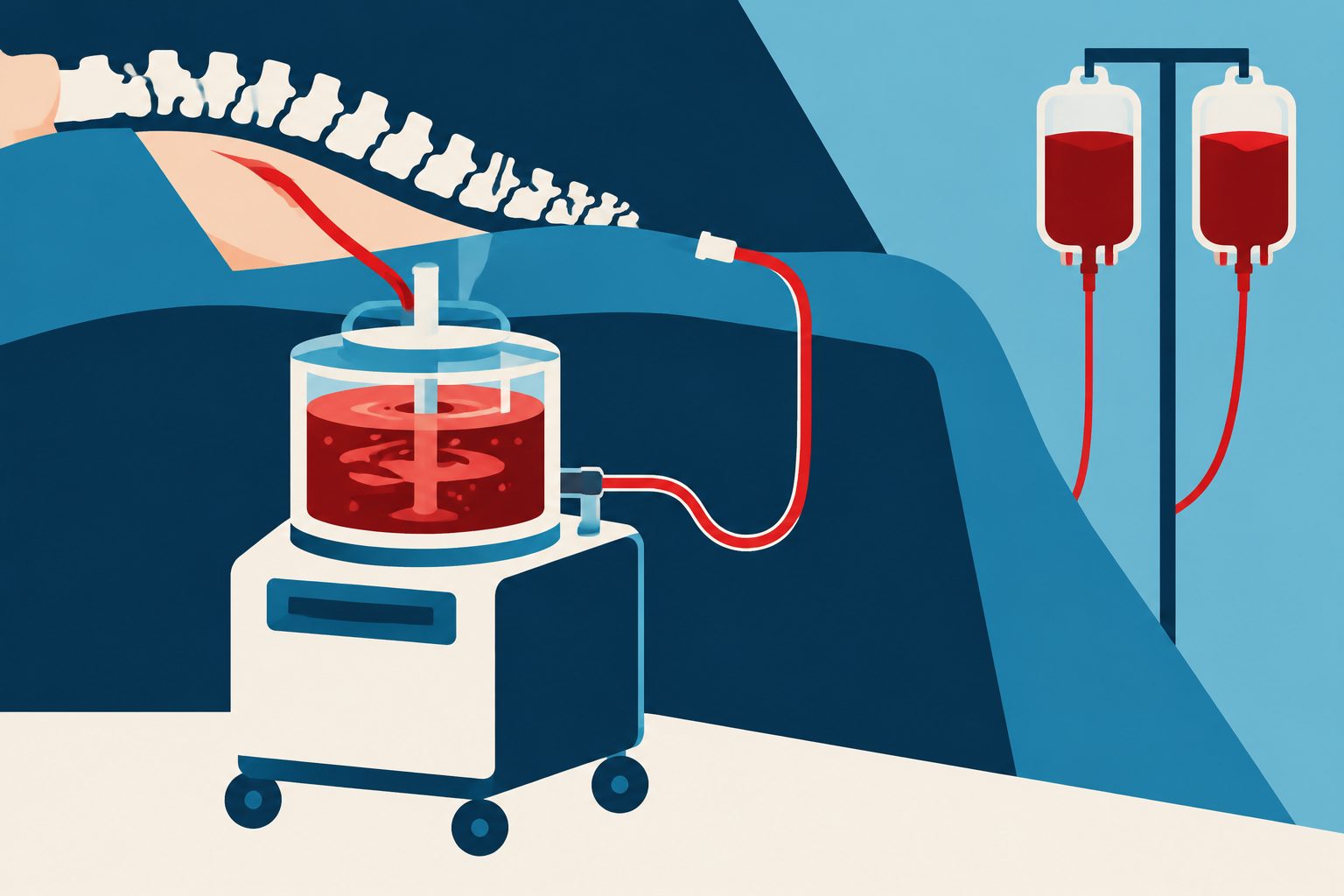
Abstract editorial illustration accompanying the article: Review finds cell salvage may not reduce total transfusions in spine surgery
Health & Medicine
High evidenceReview

Review finds cell salvage may not reduce total transfusions in spine surgery

Researchers combined results from 22 observational studies of 2,977 people undergoing spinal deformity surgery with or without intraoperative cell salvage, a process that collects and returns a patient’s own blood during surgery. Cell salvage was linked with a modest reduction in postoperative transfusion volume and higher hemoglobin on the first day after surgery, but it was not linked with lower total transfusion volume or fewer overall complications.

·66 views
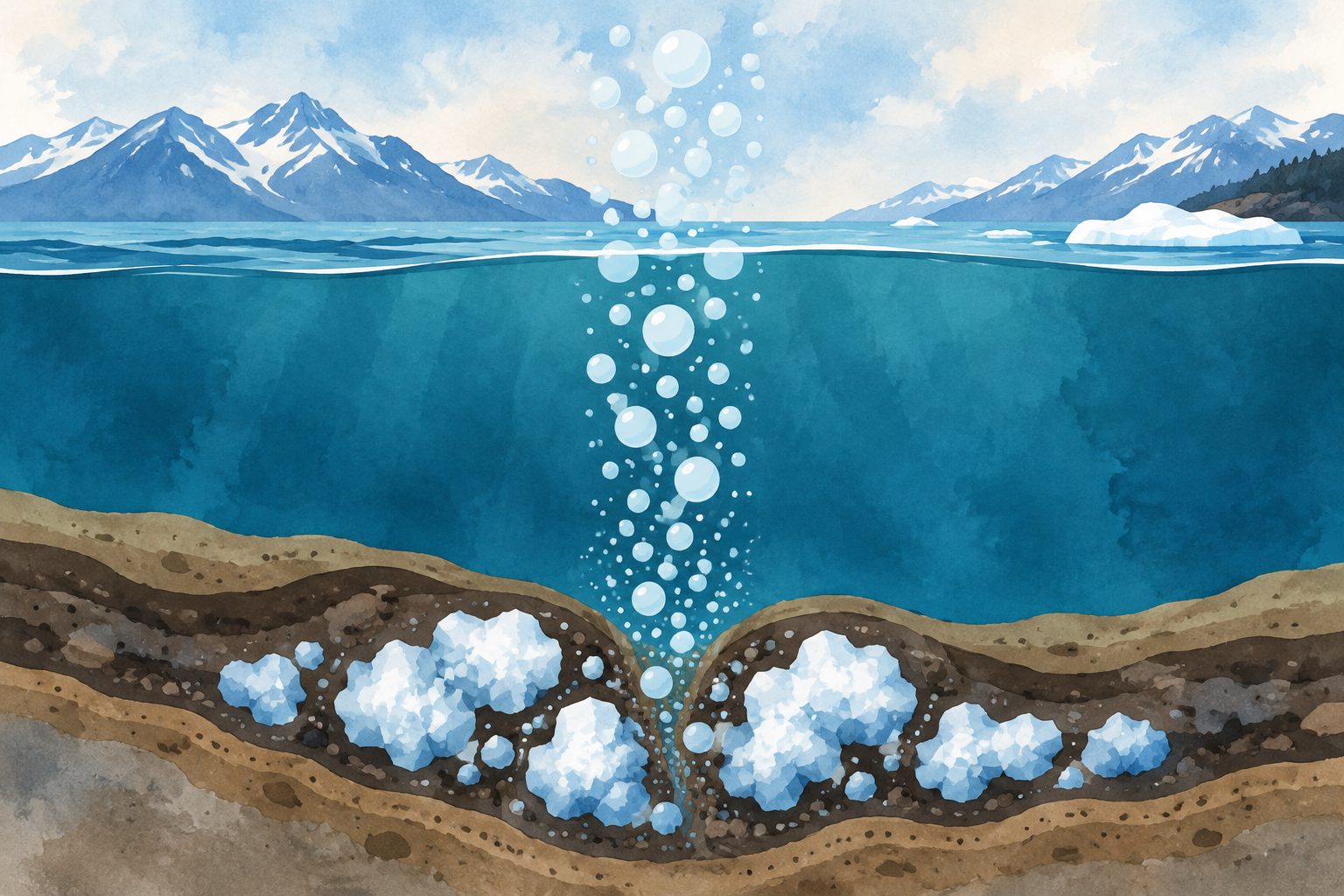
Abstract editorial illustration accompanying the article: Alaska test found steady gas and much more gas than water

Alaska test found steady gas and much more gas than water

A 10-month test on Alaska’s North Slope produced gas steadily from a gas-hydrate-bearing sand reservoir during its longest continuous operating period. The gas-to-water ratio averaged about 600 cubic meters per cubic meter, far above results from earlier short tests and computer simulations.

·21 views