Latest articles

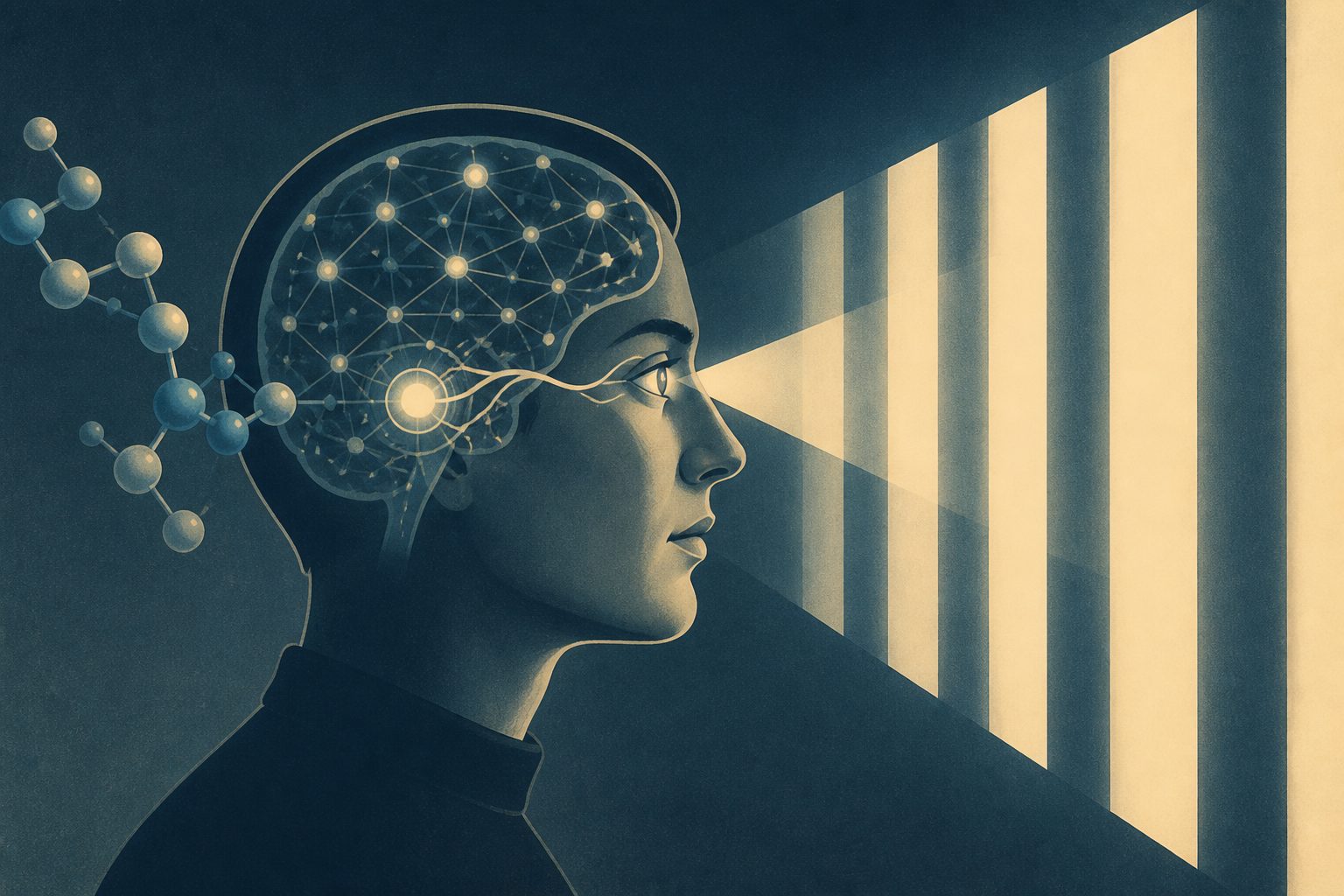
Abstract editorial illustration accompanying the article: Nitrous oxide altered brain networks as people viewed flashing images

Nitrous oxide altered brain networks as people viewed flashing images

In healthy adults, a subanesthetic dose of nitrous oxide changed how large brain networks were organized during a visual task. Weaker connections involving the insula, a region involved in integrating bodily and emotional signals, were associated with more unpleasant visual experiences.

·73 views

Abstract editorial illustration accompanying the article: A new analysis could sharpen the search for a top-quark bound state

A new analysis could sharpen the search for a top-quark bound state

Researchers have proposed a way to reconstruct a possible bound state made of a top quark and its antimatter partner near the production threshold at the Large Hadron Collider. Preliminary results suggest the method could improve sensitivity by as much as 12 percent over the current strategy planned for the collider’s Run 3.

·51 views
Abstract editorial illustration accompanying the article: DNA May Carry Three Overlapping Layers of Information, Study Proposes

DNA May Carry Three Overlapping Layers of Information, Study Proposes

A Zenodo article proposes that DNA carries three overlapping information layers: one that specifies amino acids, another that affects how quickly proteins are made and folded, and a third linked to molecular stability and helix shape. An analysis of five human genes found broad compositional patterns at sites where the code allows multiple DNA sequences, with BRCA1 as a reported exception.

·46 views
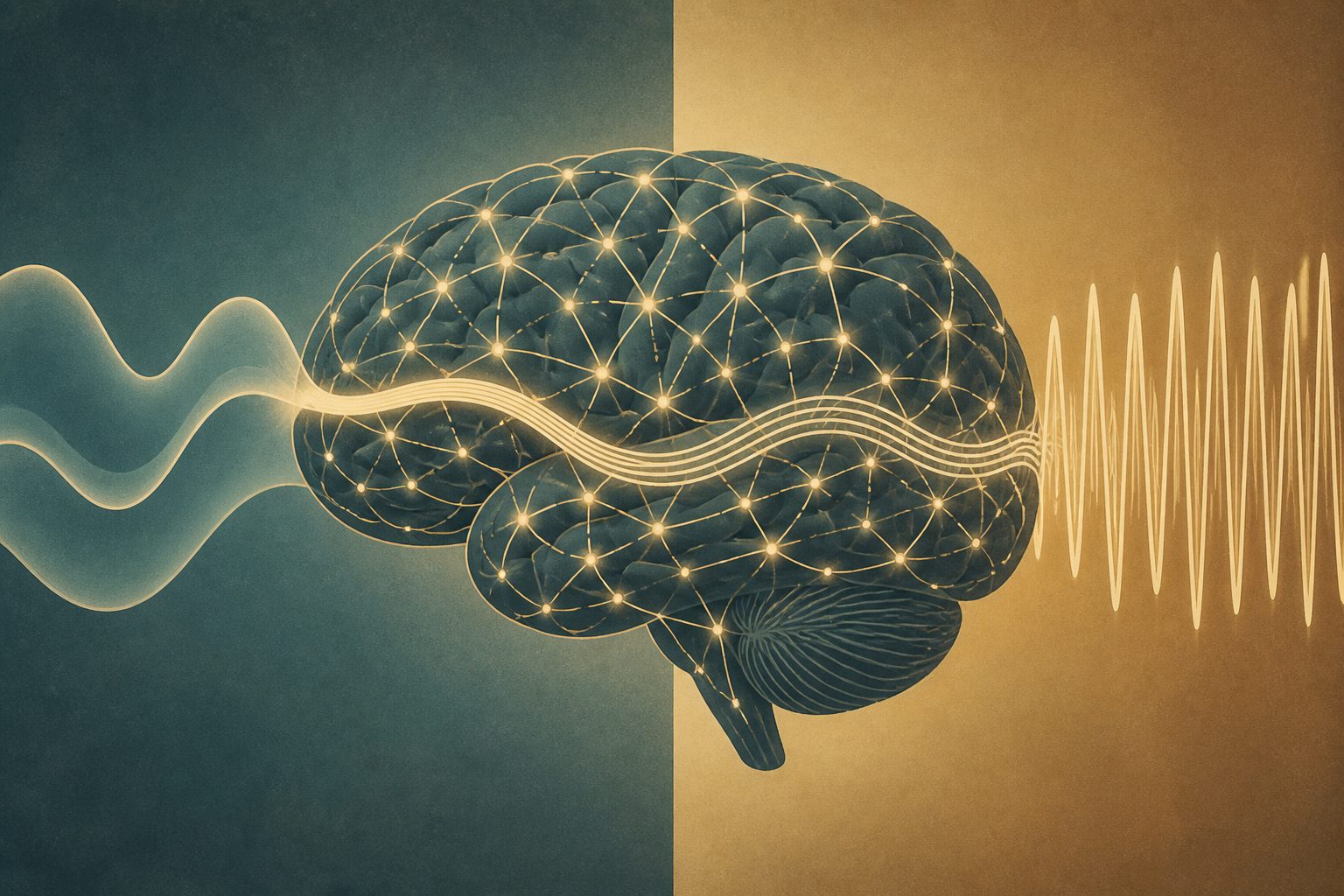
Abstract editorial illustration accompanying the article: Brain wiring helps link fast and slow rhythms in a whole-brain model

Brain wiring helps link fast and slow rhythms in a whole-brain model

A whole-brain model of 90 anatomically connected regions produced a wider range of activity patterns when each region included interacting excitatory and inhibitory cell populations. The researchers also found that the brain’s modeled wiring helped produce fast gamma rhythms whose amplitude changed with slower rhythms.

·81 views