Study finds early-life sugar rationing is linked to slower aging and lower mortality
An analysis of UK Biobank data links lower sugar exposure in the first 1,000 days of life with fewer aging-related diseases and biomarkers of younger biological age.
High evidenceReview
Medical disclaimer: This article summarizes research findings and is for informational purposes only. It is not medical advice.
Editorial illustration — not from the study.
Using Britain’s postwar sugar rationing as a natural experiment, the study examined long-term outcomes in 64,809 UK Biobank participants. The analysis focused on exposure during early life (the first 1,000 days) and how it related to later incidence of “hallmark-related” diseases, mortality, and several measures of biological aging.
The researchers also used mediation analysis and proteomic profiling. They report that the mortality association appears to be statistically mediated (about 60%) through differences in incident hallmark-related disease, and that proteomic signals were consistent with certain aging-related pathways.
The question examined
The researchers examined whether sugar rationing during early life (first 1,000 days) is associated with later incidence of ageing-related “hallmark-related” disease, biological aging markers (multiple biological clocks and organ-age measures), all-cause mortality, and related molecular signatures. They used a natural experiment framework based on postwar Britain’s sugar rationing and analyzed data from UK Biobank participants (N=64,809).
What the analysis found
Early-life exposure to sugar rationing was associated with (1) a 9% lower incidence of hallmark-related disease (hazard ratio 0.91; 95% CI 0.88–0.94) and (2) a 19% lower risk of all-cause mortality (hazard ratio 0.81; 95% CI 0.69–0.93). The mediation analysis suggested the survival association was statistically mediated by about 60% through differences in incident hallmark-related disease.
Biological aging measures were also reported as lower: rationed individuals had biological ages about 1.0–1.2 years younger across multiple clocks and had lower organ ages, especially for the lung, heart, and liver. Proteomic profiling identified 47 altered proteins, with enrichment of adenosine monophosphate-activated protein kinase and longevity pathways and suppression of mechanistic target of rapamycin signaling.
Who this may apply to
These findings most directly apply to people whose early-life sugar exposure was affected in ways comparable to Britain’s postwar sugar rationing and who are similar to UK Biobank participants. They do not directly establish that changing sugar intake today would lead to fewer aging-related diseases, longer life, or younger biological age. The results are informational for population and policy discussions, not guidance for individual decisions or clinical treatment.
Why this matters
This topic is relevant to general health discussions because it addresses whether early-life nutrition may relate to later disease risk, biological aging indicators, and mortality. Still, because this is based on observational associations in a specific historical setting and population, the results may not directly translate into what would happen if sugar intake were changed in today’s populations.
Limitations & evidence assessment
Key limitations include that this is not a randomized trial for individuals: it relies on a historical natural experiment, which can leave room for confounding by other differences that accompanied rationing. The abstract provides limited methodological detail (for example, how exposures were assigned precisely, how many follow-up years were used, and how robust adjustments were), which makes it hard to assess how fully alternative explanations were ruled out. Also, the abstract does not clarify whether biological clock changes translate into meaningful clinical outcomes on their own, only that they were associated with the rationing exposure. Finally, mediation and proteomic findings can be sensitive to modeling choices and may not establish causality.
Why this evidence level: Clinical guideline / consensus statement reflecting reviewed bodies of evidence.
Evidence levels are editorial estimates derived from study metadata — they are not clinical appraisals.
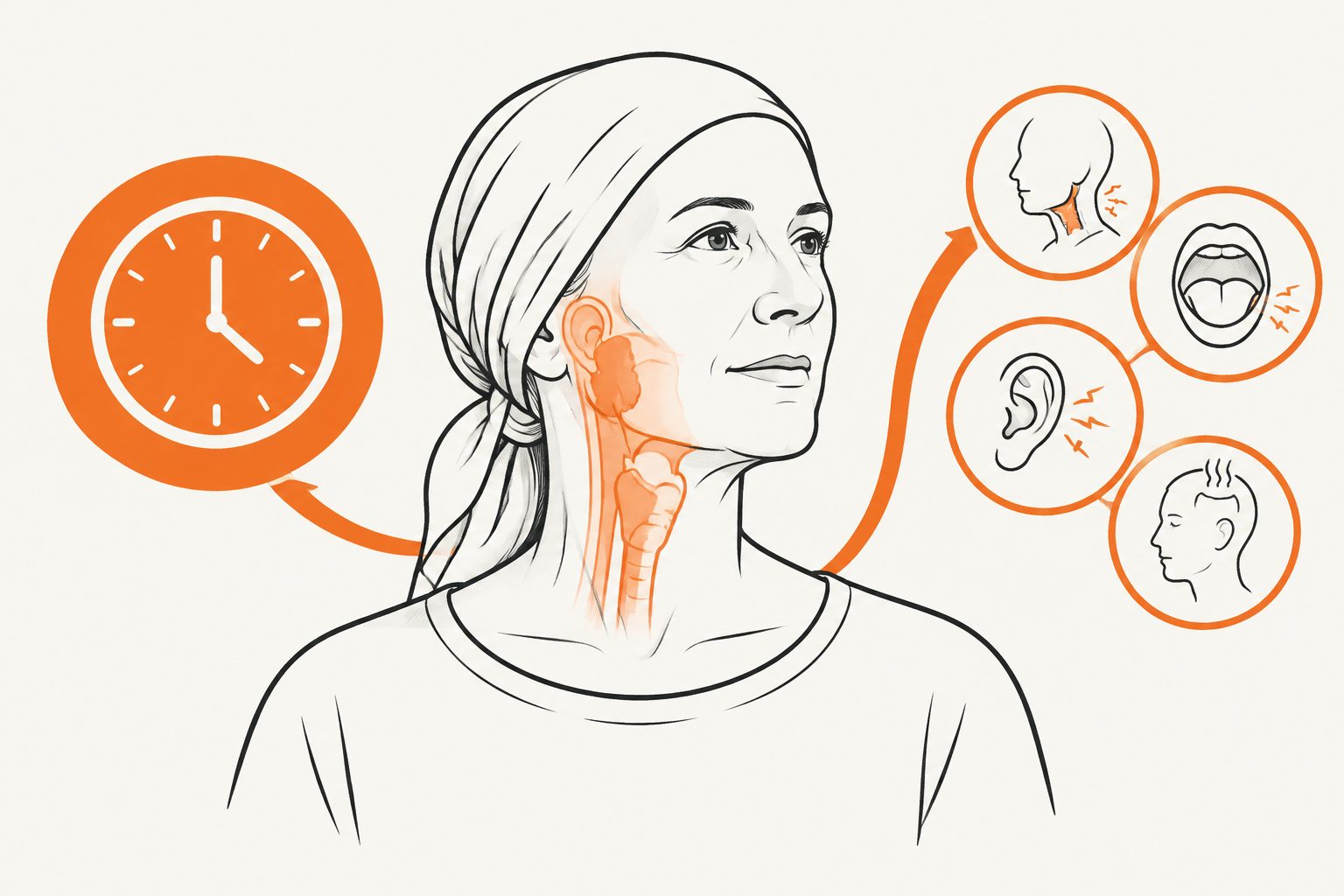
This systematic review examined randomized human trials of concurrent chemotherapy and radiation for locally advanced head and neck, cervical, esophageal, and non-small-cell lung cancers. Across the included trials, combined treatment was reported to provide better overall survival than radiation alone, but it also caused more severe short-term side effects. The review did not provide enough information in its abstract to show how many trials or patients were included.
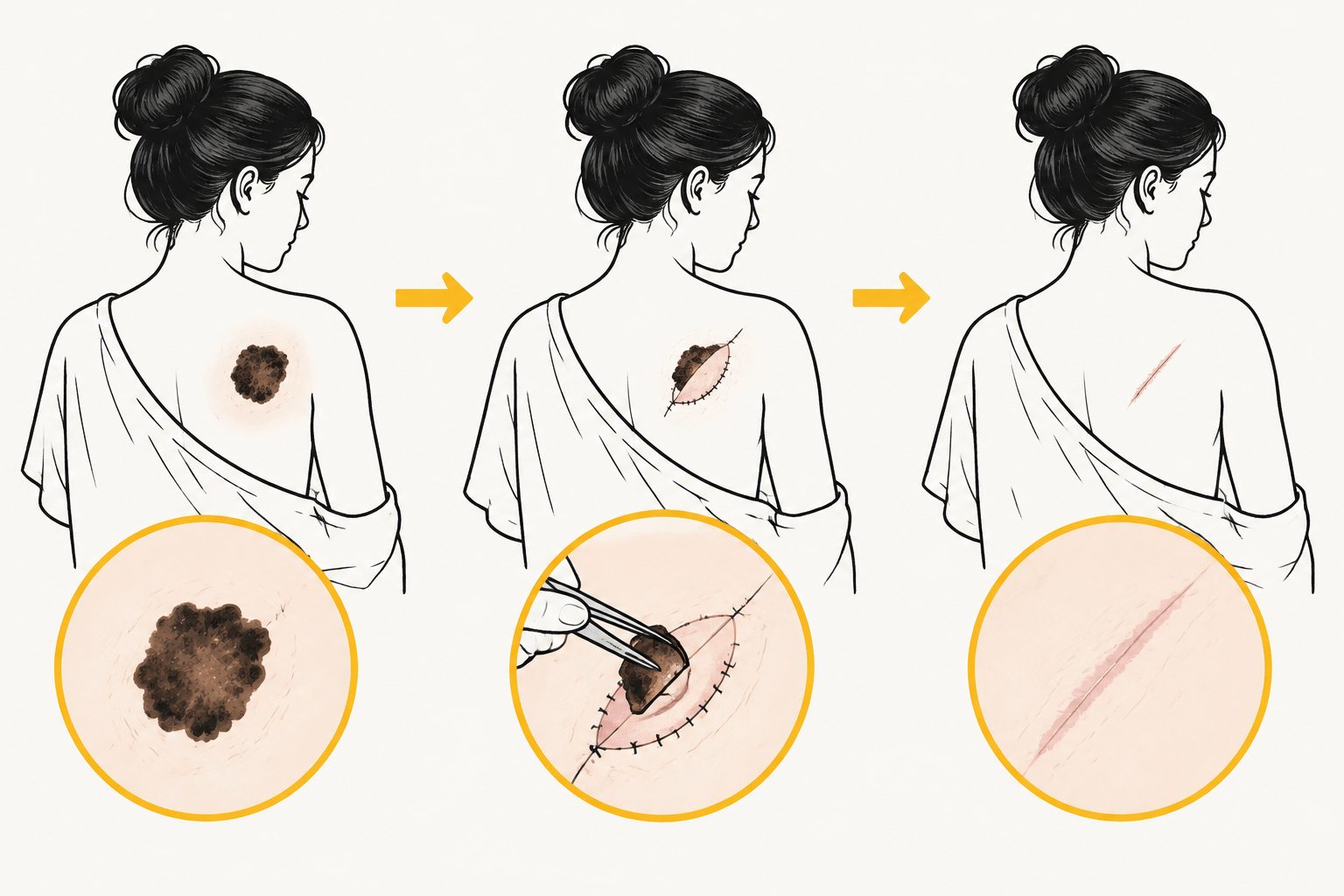
Researchers pooled results from seven human studies comparing multiple-staged with single-stage removal and reconstruction of congenital melanocytic nevi, sometimes called congenital moles. Staged surgery was associated with fewer major wound complications and recurrences, as well as slightly shorter and narrower scars, but the studies did not find a clear difference in cosmetic or overall patient satisfaction.
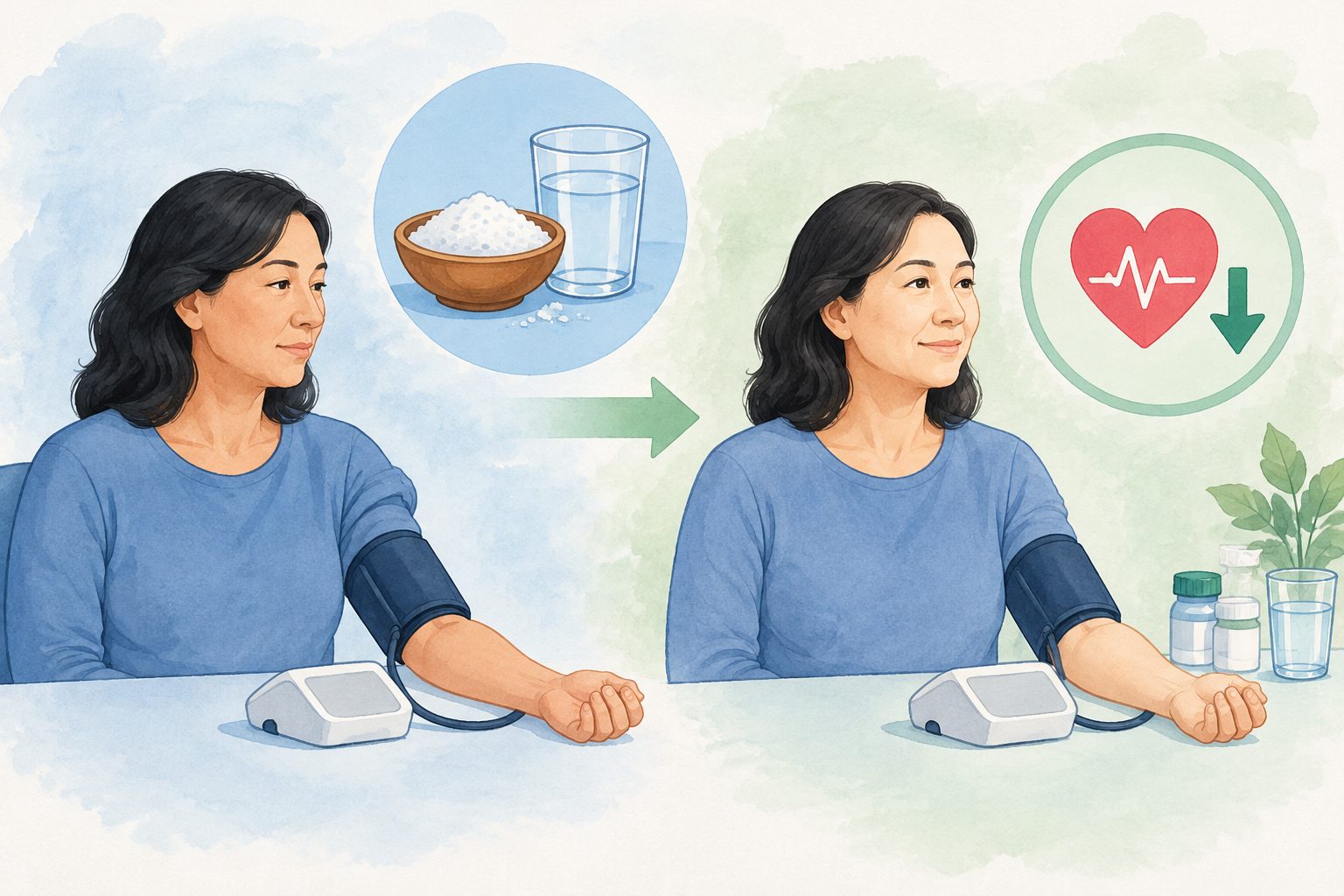
A cluster-randomized human study in 210 adults with recently detected stage 1 hypertension in Uzbekistan compared salt-sensitivity testing followed by assigned medication choices with conventional management. After 12 weeks, more participants in the testing-guided group reached the study's blood pressure target, although the study was small, short, and conducted in only three primary care centers.