Latest articles

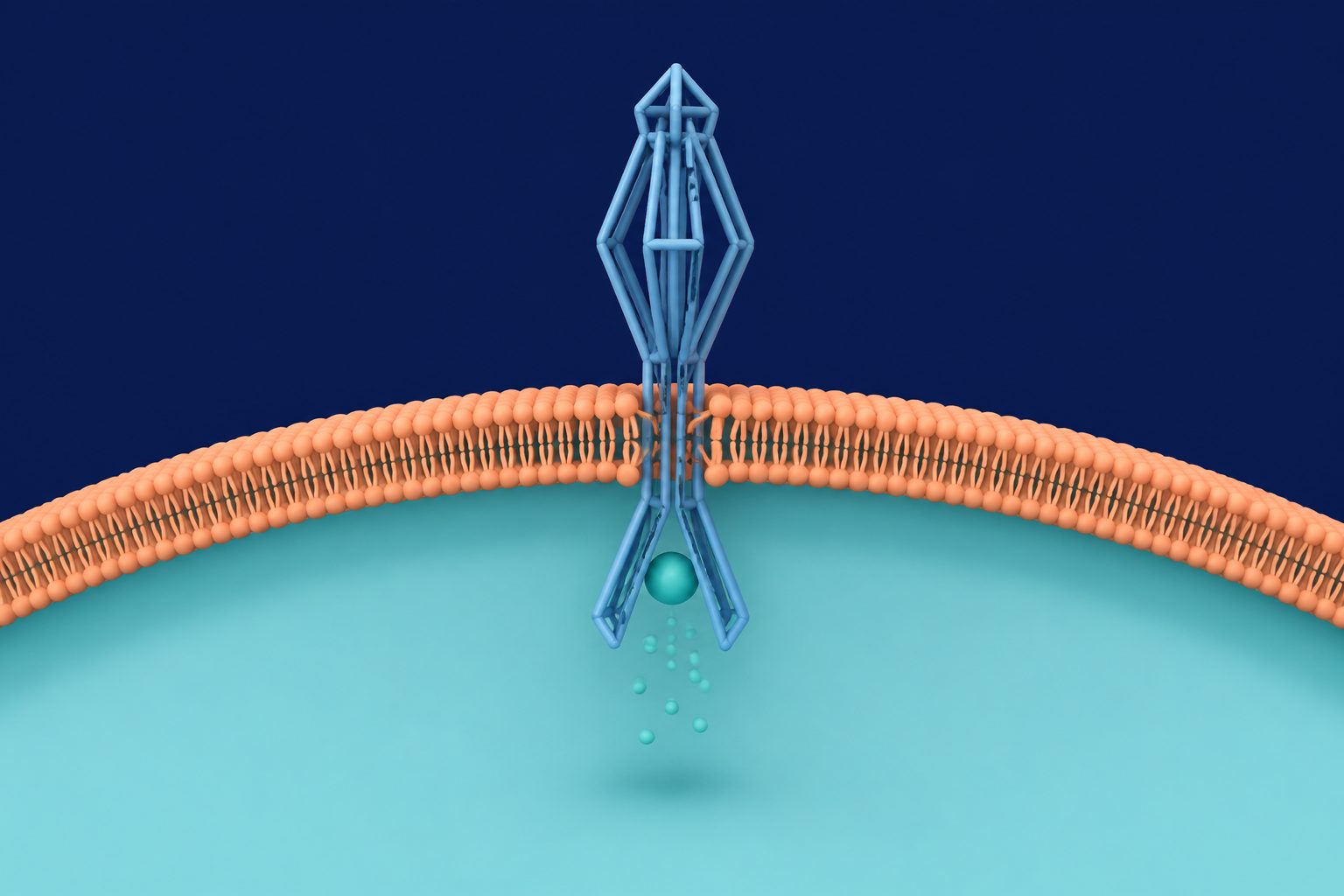
Abstract editorial illustration accompanying the article: Study links closer adherence to the Eatwell Guide with lower body-fat markers
Biology
Low evidenceHuman study

Study links closer adherence to the Eatwell Guide with lower body-fat markers

In a study of 156,764 UK Biobank participants, researchers examined associations between adherence to the UK Eatwell Guide and measures of body size and body fat. Higher adherence was associated with lower adiposity measures both at the initial assessment and, in the prospective analysis, with more favorable body mass index patterns over time. The study does not show that adherence caused these differences.

·144 views

Abstract editorial illustration accompanying the article: Review examines how biology may refine pancreatic cancer surgery decisions
Health & Medicine
Moderate evidenceReview

Review examines how biology may refine pancreatic cancer surgery decisions

This structured narrative review examined whether biological features of pancreatic ductal adenocarcinoma can add information to imaging when considering surgery. It reports that some tumors that appear operable may still have aggressive disease, but several proposed biomarkers require further prospective testing and standardization.

·69 views
Abstract editorial illustration accompanying the article: Review links diabetes drugs to higher blood counts
Health & Medicine
High evidenceReview

Review links diabetes drugs to higher blood counts

A systematic review and meta-analysis of 10 human studies found that SGLT2 inhibitors were associated with increases in hemoglobin and hematocrit among adults with type 2 diabetes. Real-world data reported a rise in polycythemia prevalence, but evidence about blood-clotting risk was limited and mainly observational. These findings describe associations and do not establish that the medicines cause clotting events.

·76 views
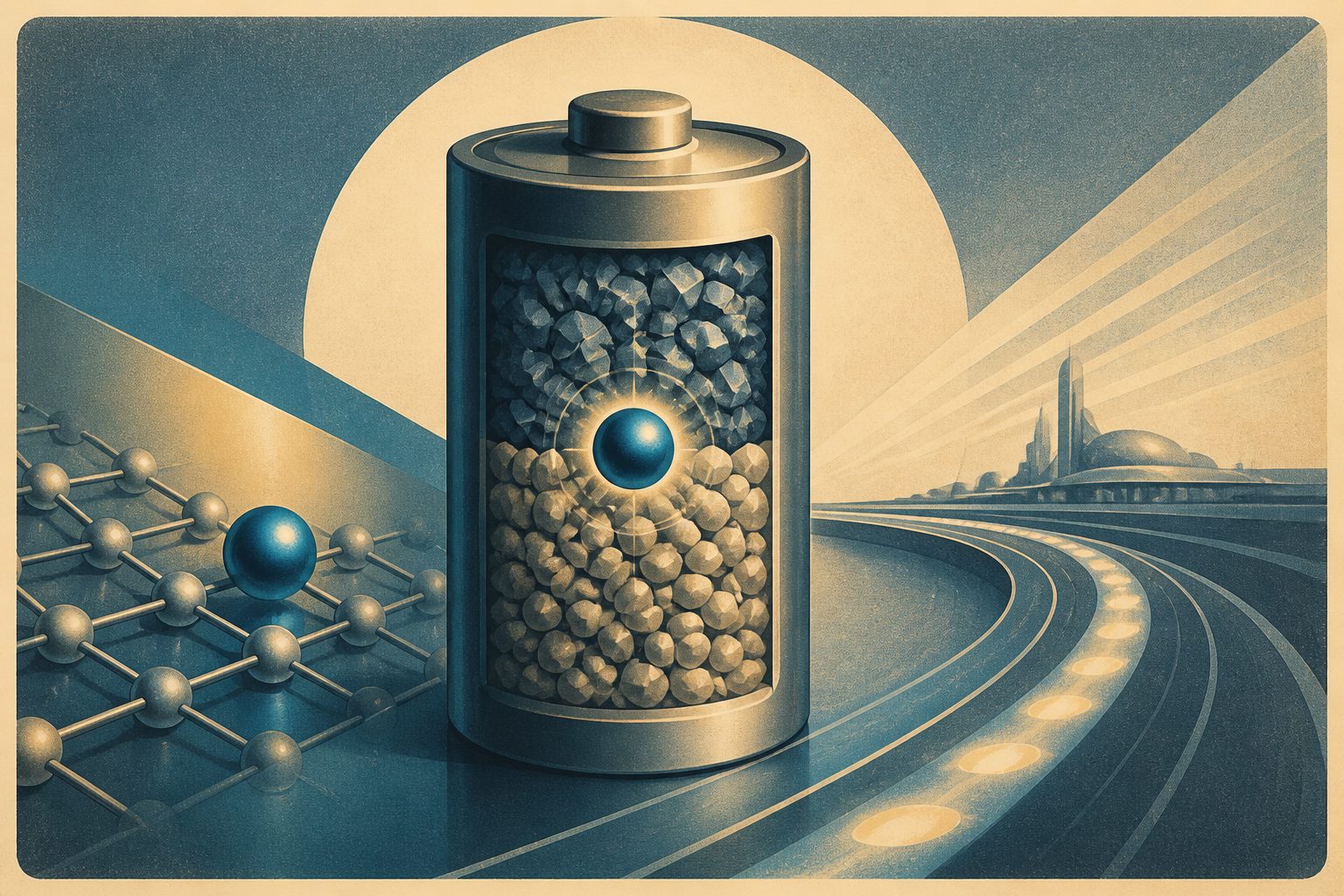
Abstract editorial illustration accompanying the article: Single cobalt atoms help zinc–manganese batteries last 15,000 cycles

Single cobalt atoms help zinc–manganese batteries last 15,000 cycles

A manganese dioxide cathode containing isolated, high-spin cobalt atoms helped an aqueous zinc–manganese battery deliver 658 mAh per gram and run for more than 15,000 cycles. The researchers say the cobalt enabled reversible three-electron storage and helped convert deposited manganese compounds back into active material without added acid or a redox mediator.

·78 views