Study links closer adherence to the Eatwell Guide with lower body-fat markers
In a large UK Biobank analysis, higher adherence was associated with lower measures of body size and fat, but cause and effect remain uncertain.
Low evidenceHuman studySome caution advised
Medical disclaimer: This article summarizes research findings and is for informational purposes only. It is not medical advice.
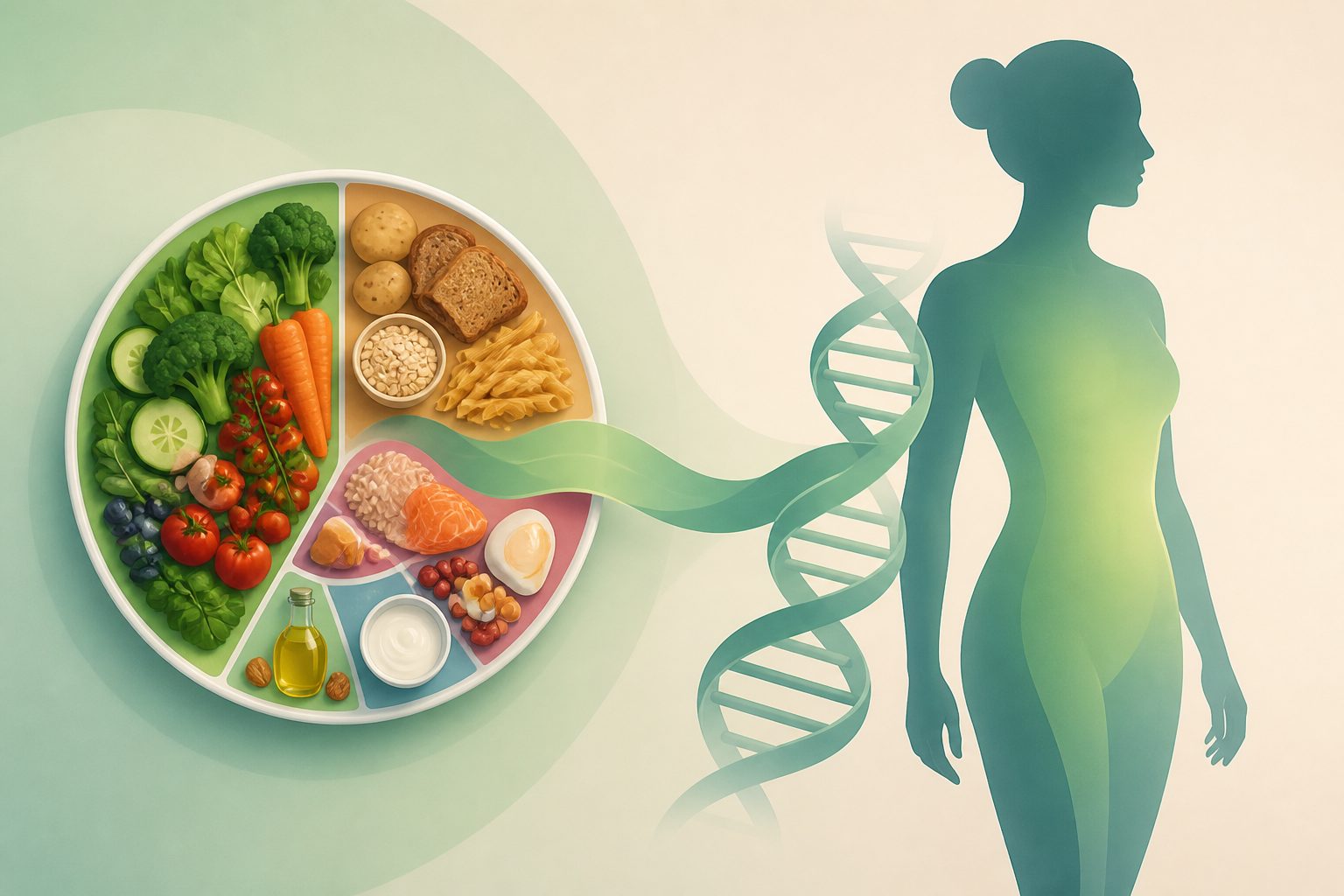
Editorial illustration — not from the study.
Researchers analyzed information from 156,764 UK Biobank participants to examine whether adherence to the UK Eatwell Guide was associated with body size and body-fat measures. They looked at both measurements taken at one point in time and changes in body mass index over time.
People with higher adherence scores generally had lower body mass index, waist circumference, body shape index, and total and trunk body-fat percentages. The findings were broadly similar across groups defined by genetic risk for obesity, age, sex, physical activity, and socioeconomic status, but the observational design means these patterns may reflect factors other than diet.
The question examined
Researchers examined whether adherence to the UK Eatwell Guide was associated with markers of adiposity in 156,764 UK Biobank participants. They assessed body mass index, waist circumference, body shape index, and total and trunk body-fat percentage. The analysis included cross-sectional comparisons at one time point and a prospective analysis of body mass index trajectories over time, with additional comparisons by genetic risk for obesity, age, sex, physical activity, and socioeconomic status.
What researchers observed
At the initial assessment, higher Eatwell Guide adherence was associated with lower body mass index. Compared with lower adherence, higher adherence was associated with 25% lower odds of overweight or obesity (OR 0.75, 95% CI 0.73–0.77). In the prospective analysis, greater adherence was associated with more favorable body mass index trajectories over time. Similar statistically significant associations were reported for waist circumference, body shape index, and total and trunk body-fat percentage. These patterns were broadly consistent across the population subgroups examined. The results describe associations and do not demonstrate that the dietary pattern caused the outcomes.
Who this may apply to
These findings may be relevant to adults in the UK who are similar to the UK Biobank participants. They do not show that changing diet will cause weight or body-fat measures to decrease, and the results may not apply equally to people who were underrepresented in the cohort or to populations outside the UK.
Why it matters
The study addresses whether a dietary model used in UK policy and practice is associated with commonly used measures of body size and fat. The broadly similar associations across the groups examined may be relevant to research on population dietary guidance, but this study alone cannot determine whether following the Eatwell Guide changes weight or body-fat measures or whether the findings would apply to all UK adults or other countries.
Limitations & evidence assessment
Because this was an observational study, it cannot establish that following the Eatwell Guide caused lower adiposity or more favorable changes over time. UK Biobank participants may not represent the wider UK population, and the abstract provides limited information about how diet and other factors were measured, the length of follow-up, and possible residual confounding. The abstract also reports associations rather than results from a controlled dietary intervention.
Why this evidence level: Case-control / cross-sectional design: useful signals but limited causal support.
Evidence levels are editorial estimates derived from study metadata — they are not clinical appraisals.
// Source
International Journal of Obesity · 2026 · DOI: 10.1038/s41366-026-02190-4
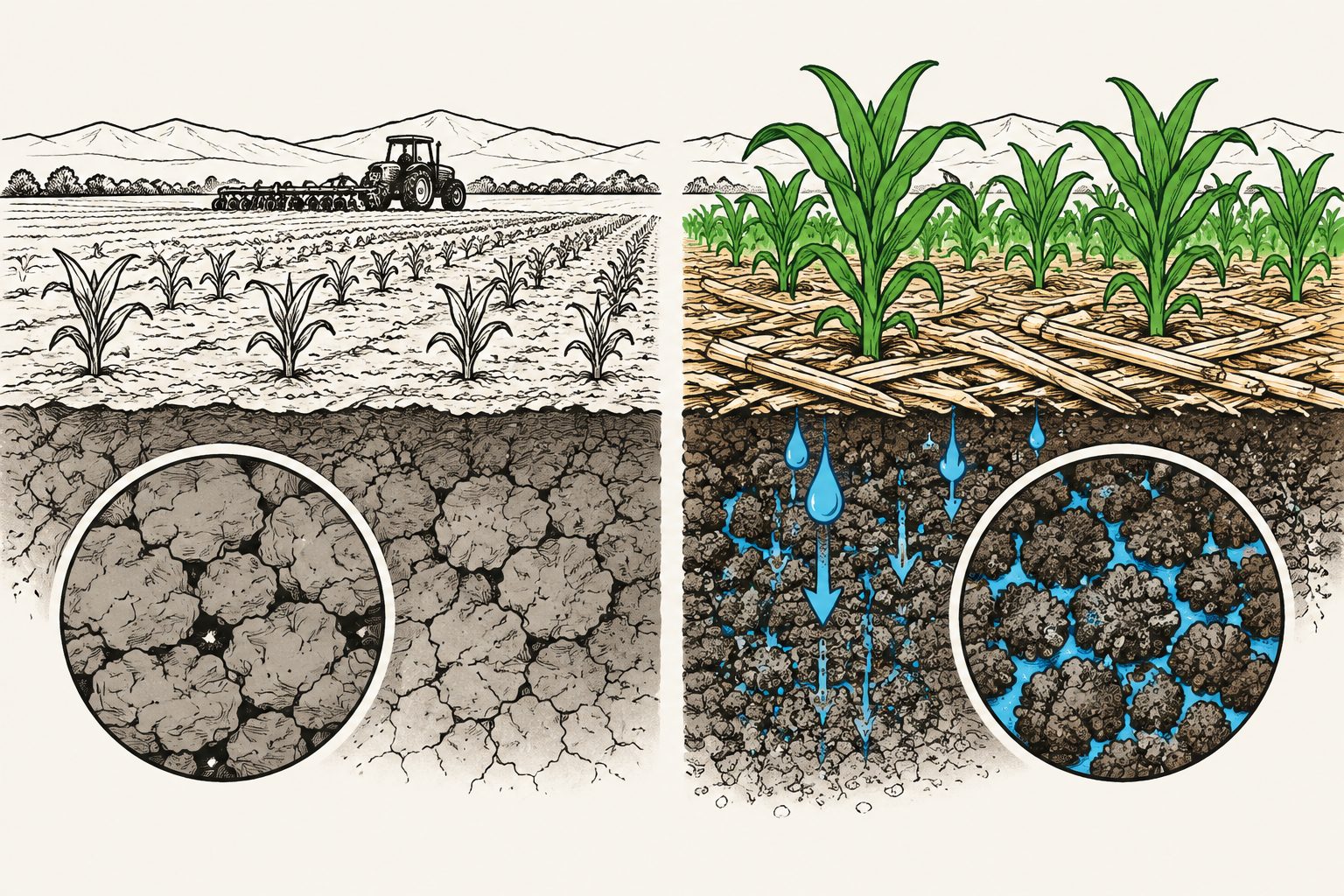
A 20-year comparison in California’s Central Valley found that reduced tillage with cover crops produced more stable soil aggregates, greater water retention and different forms of carbon protection than standard tillage without cover crops. The conservation system also retained room for additional carbon storage, although the study measured potential rather than future gains.
Human forebrain organoids classified artificial tactile Braille signals after a sensor converted the touch data into electrical stimulation. Accuracy averaged 61% with one organoid and rose to 83% when responses from three organoids were combined.
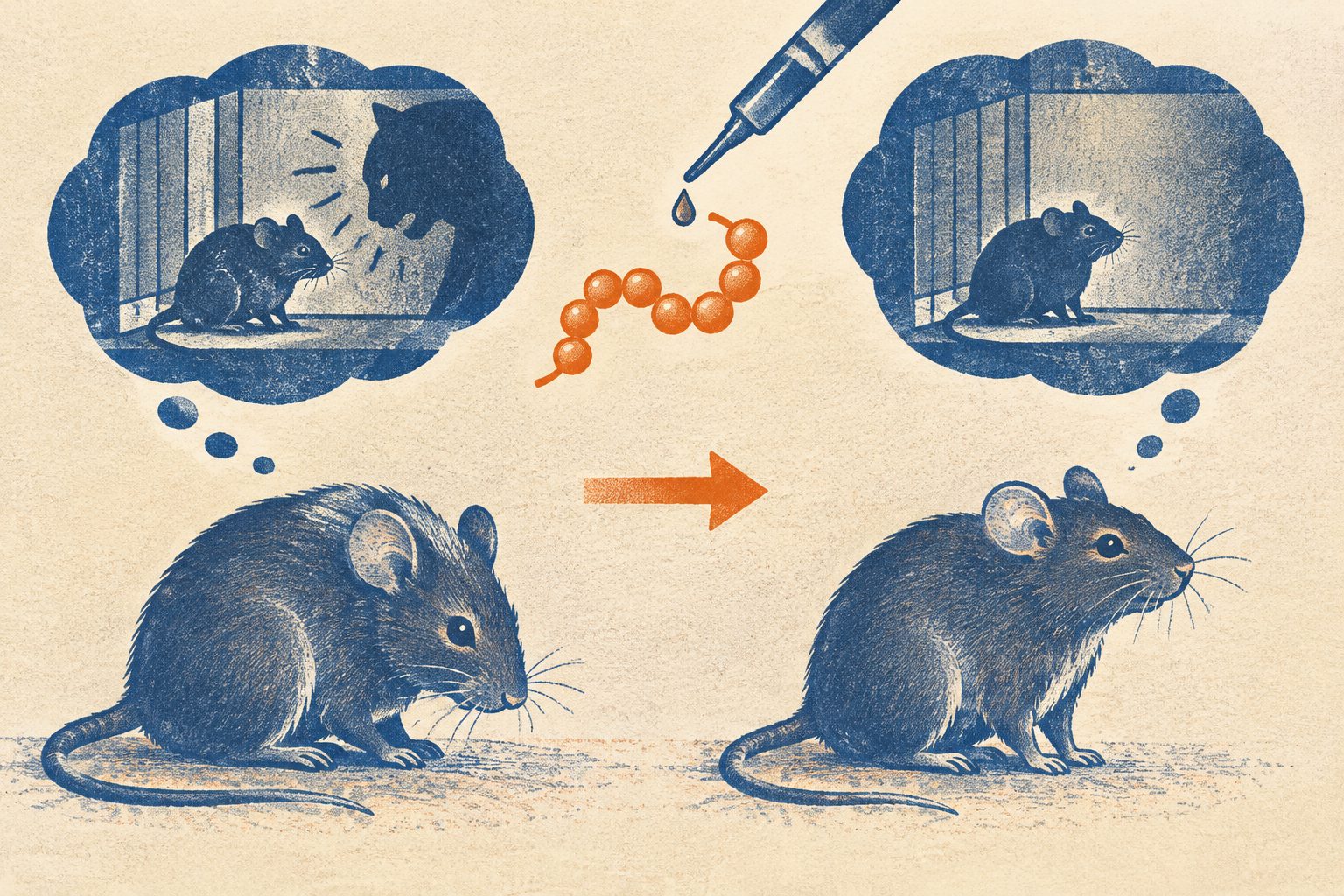
A study in mice found that a peptide targeting the memory-related protein CPEB3 reduced the persistence of traumatic memories and anhedonia, a loss of pleasure. The findings are an early genetic preclinical test of a possible approach for PTSD, not evidence of a treatment in people.