Latest articles

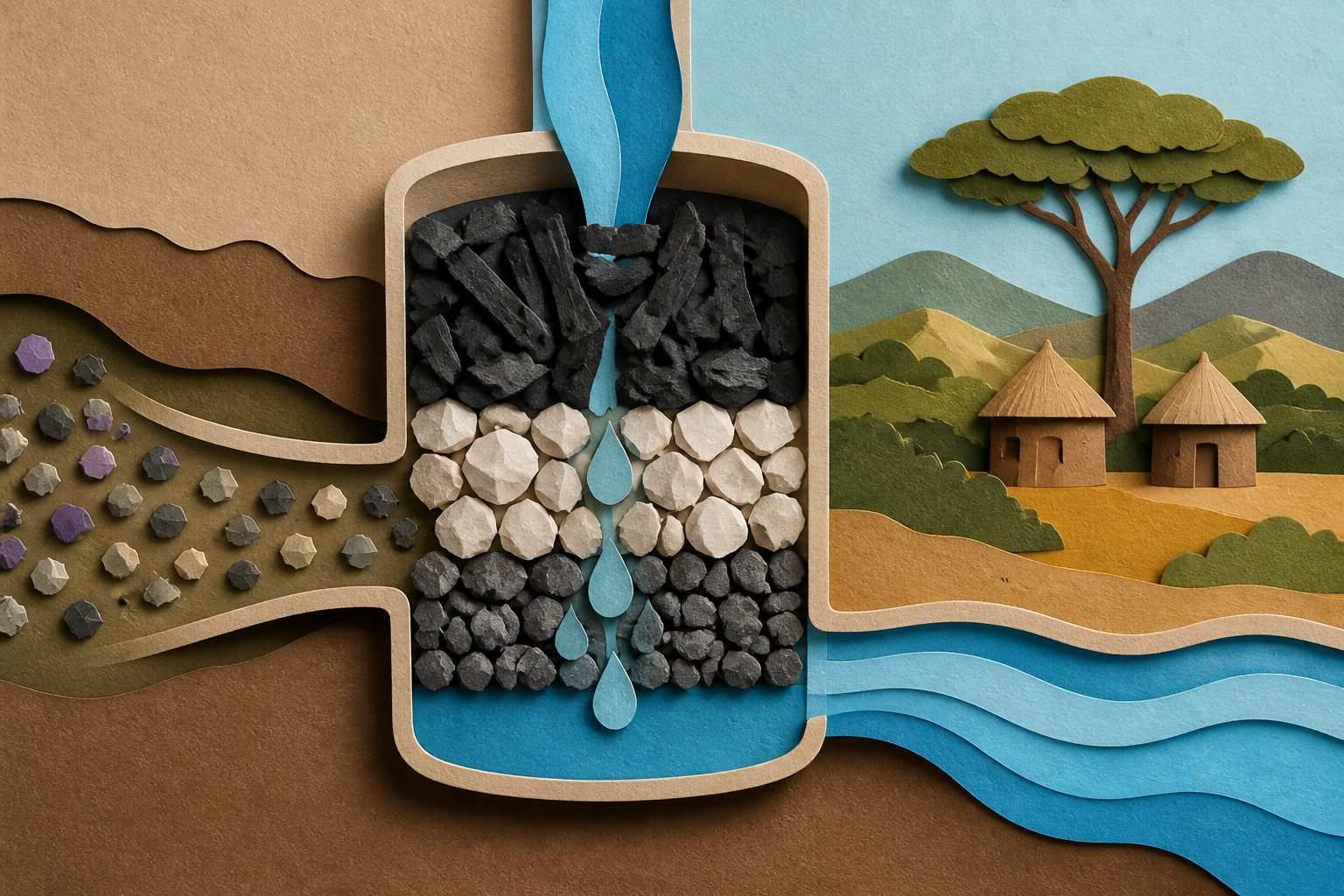
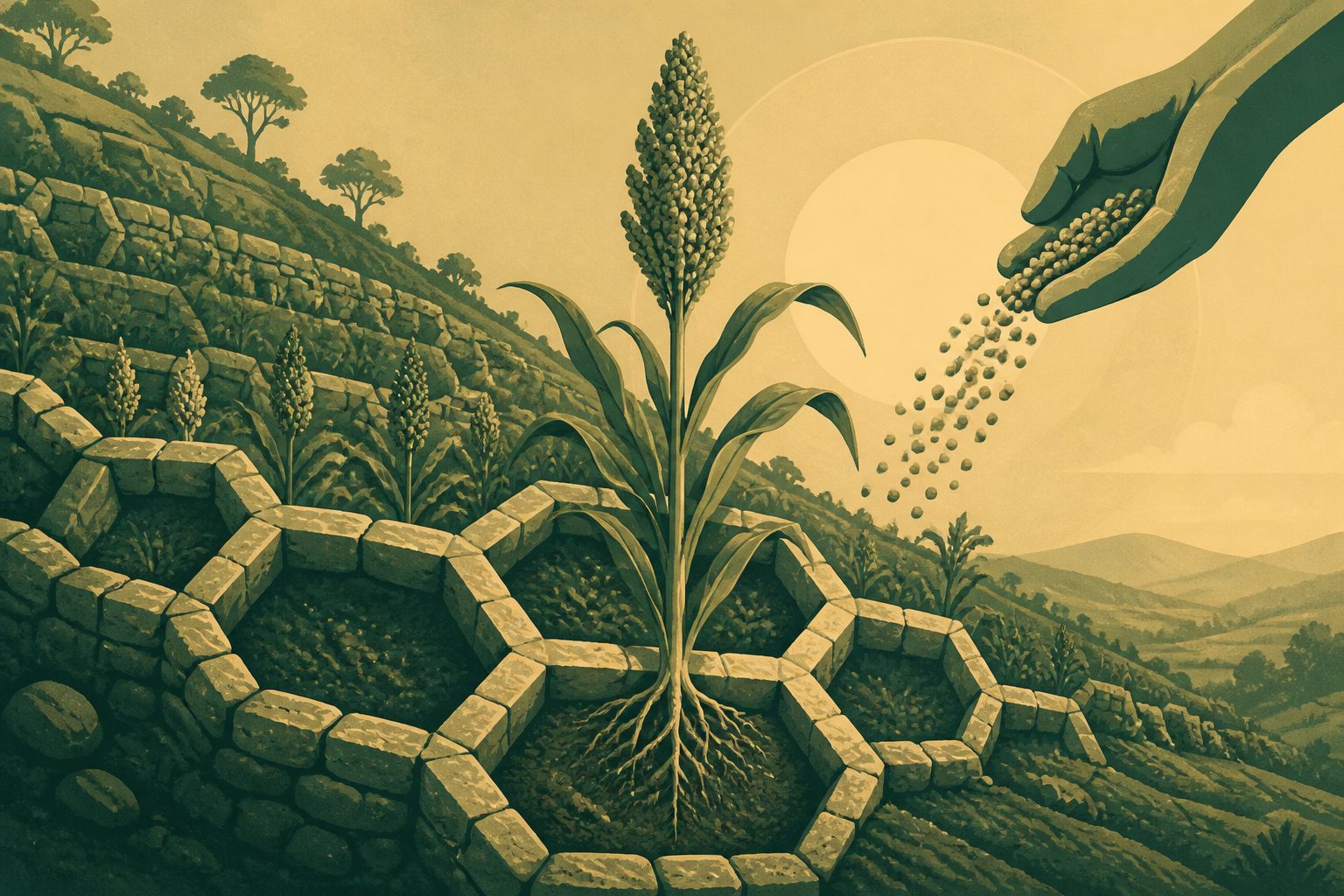
Abstract editorial illustration accompanying the article: Stone honeycombs and small fertilizer doses boosted sorghum on Benin hillsides

Stone honeycombs and small fertilizer doses boosted sorghum on Benin hillsides

On a steep hillside in northwestern Benin, circular and rectangular honeycomb-shaped stone arrangements reduced runoff and soil loss compared with ordinary contour stone rows. When paired with reduced fertilizer doses, the circular layout was associated with 87.42% more sorghum grain yield than the standard stone-row treatment.

·89 views

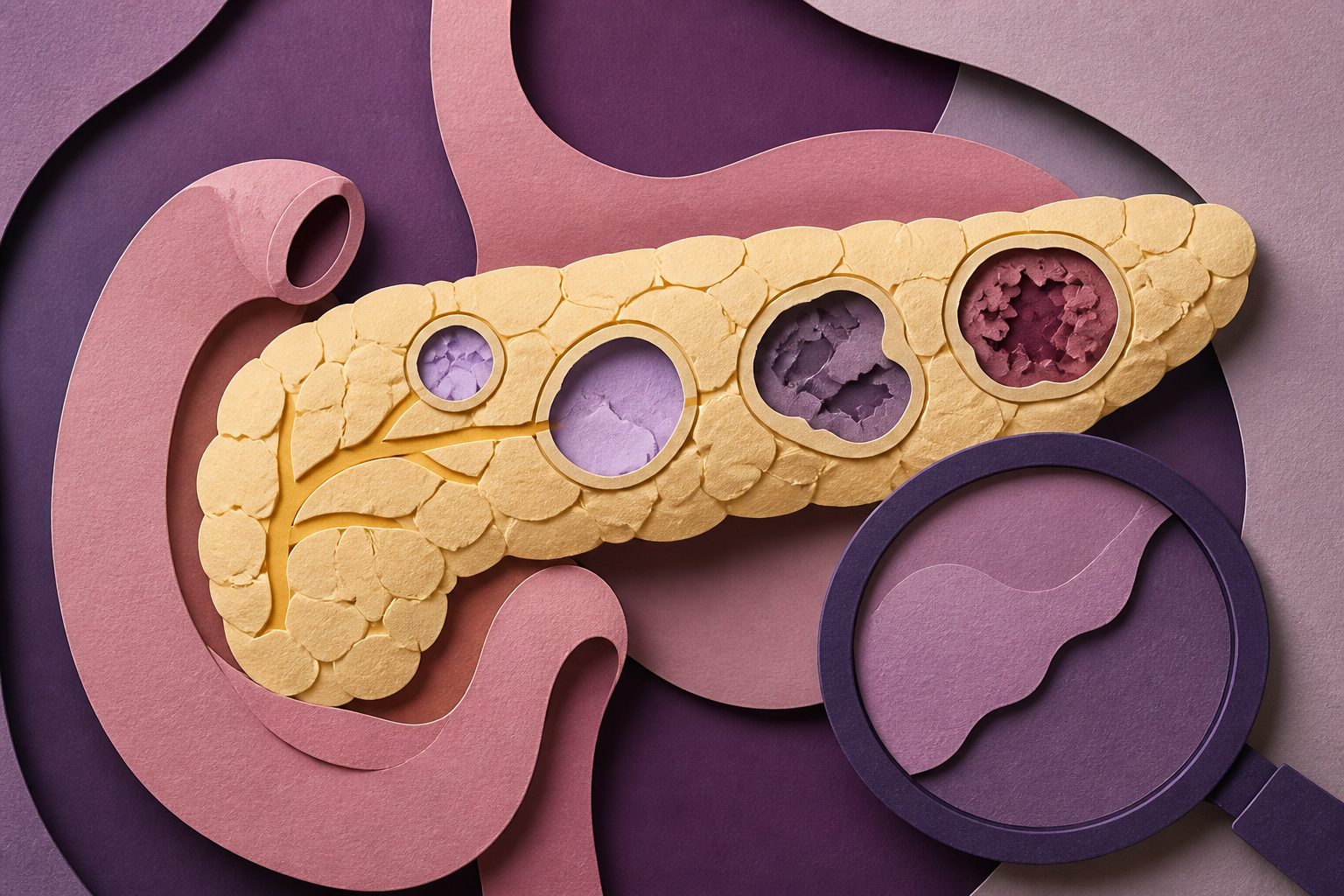
Abstract editorial illustration accompanying the article: Review examines how pancreatic cysts may signal different cancer risks
Health & Medicine
Moderate evidenceReview

Review examines how pancreatic cysts may signal different cancer risks

This review examines pancreatic cystic lesions, especially intraductal papillary mucinous neoplasms (IPMNs), and how imaging may help distinguish them from other cysts. It discusses signs associated with cancer arising from an IPMN and the possibility of a separate pancreatic cancer developing elsewhere in the pancreas. The article is a review, not a new study of a defined group of patients.

·126 views
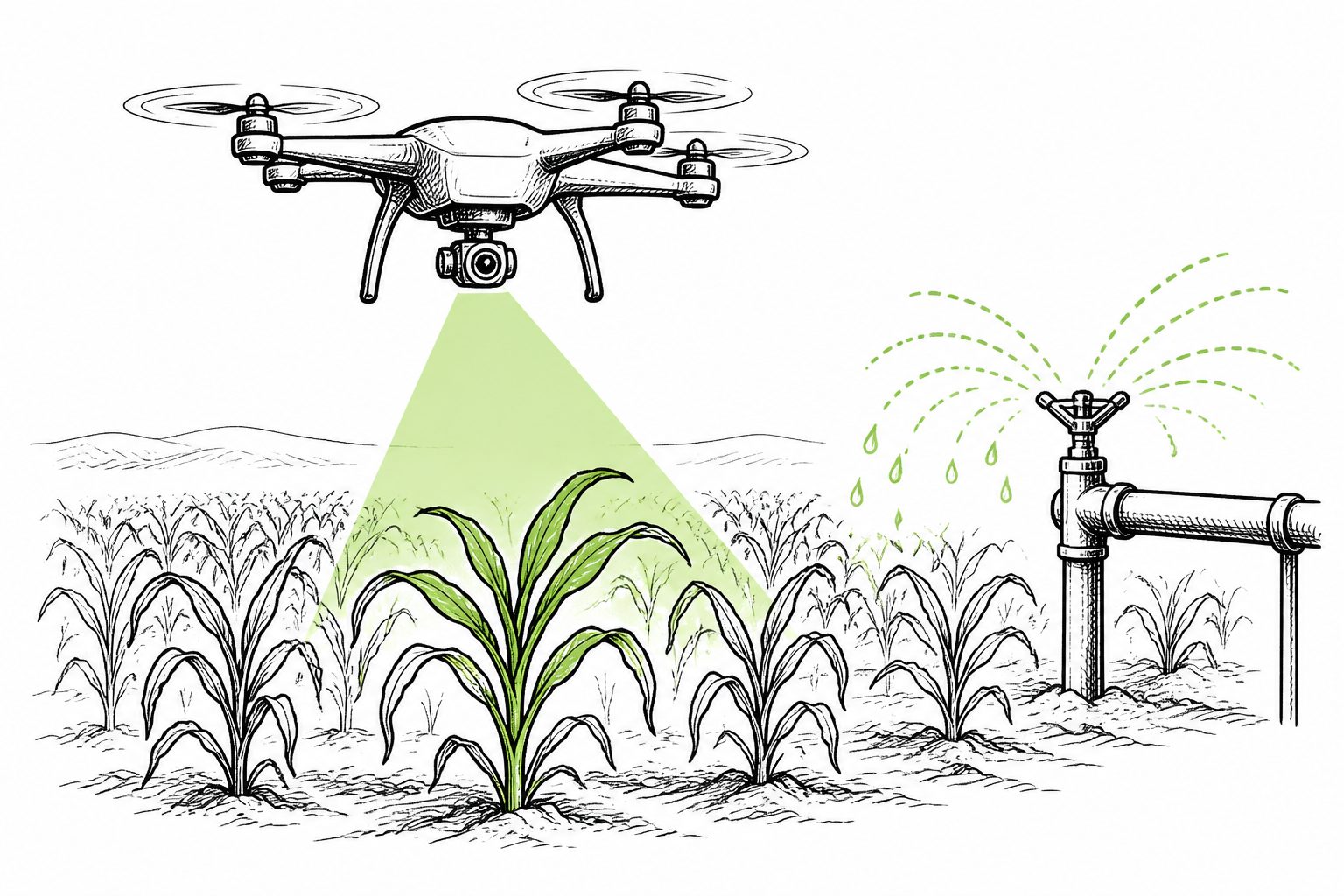
Abstract editorial illustration accompanying the article: Drones and AI predicted crop stress early and adjusted irrigation

Drones and AI predicted crop stress early and adjusted irrigation

A drone-based system combined images, soil readings and weather data to predict how crop stress might develop. In experiments, its irrigation decisions reduced predicted yield vulnerability by 46.6 and increased water-use efficiency by 41.1 compared with rule-based strategies.

·65 views
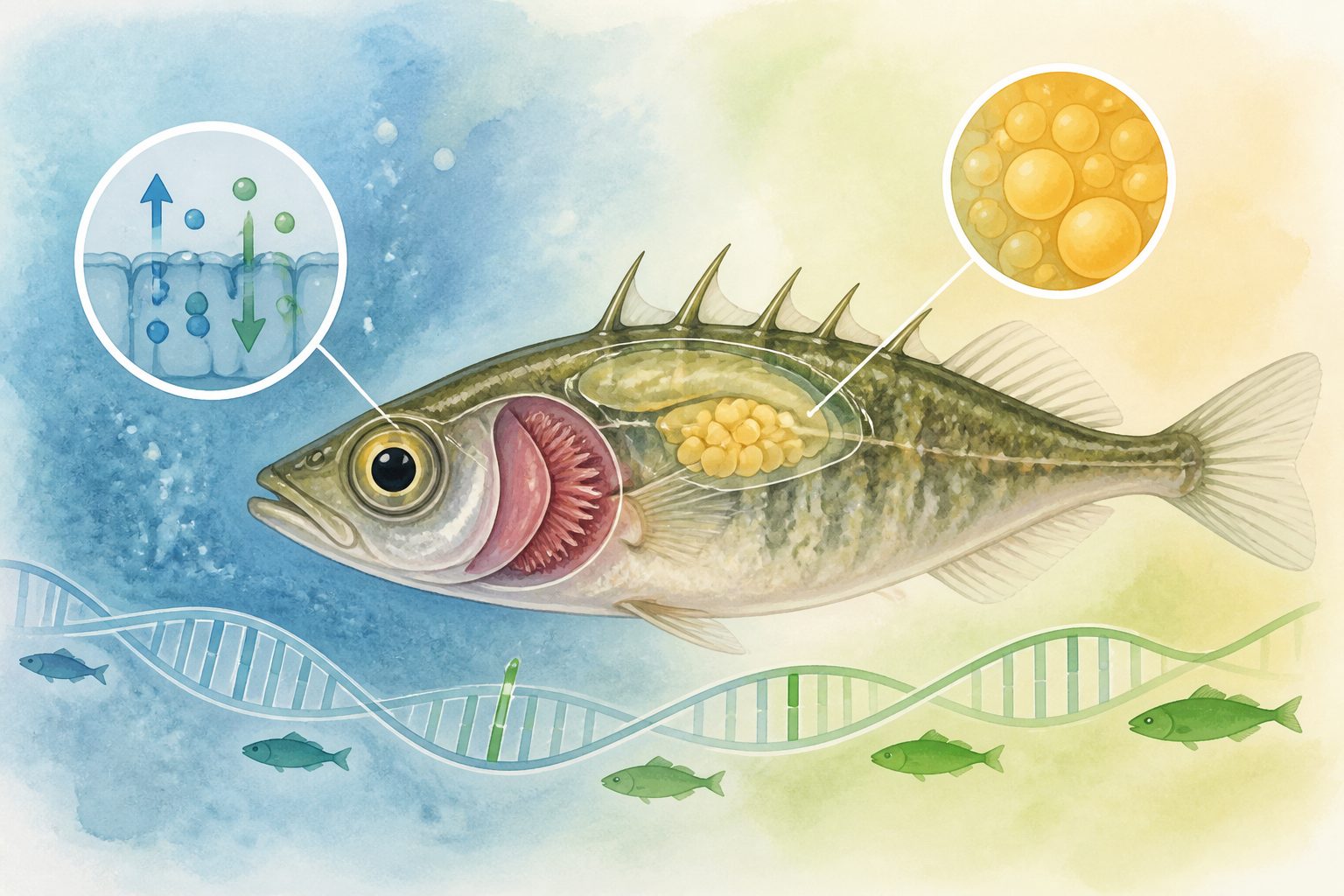
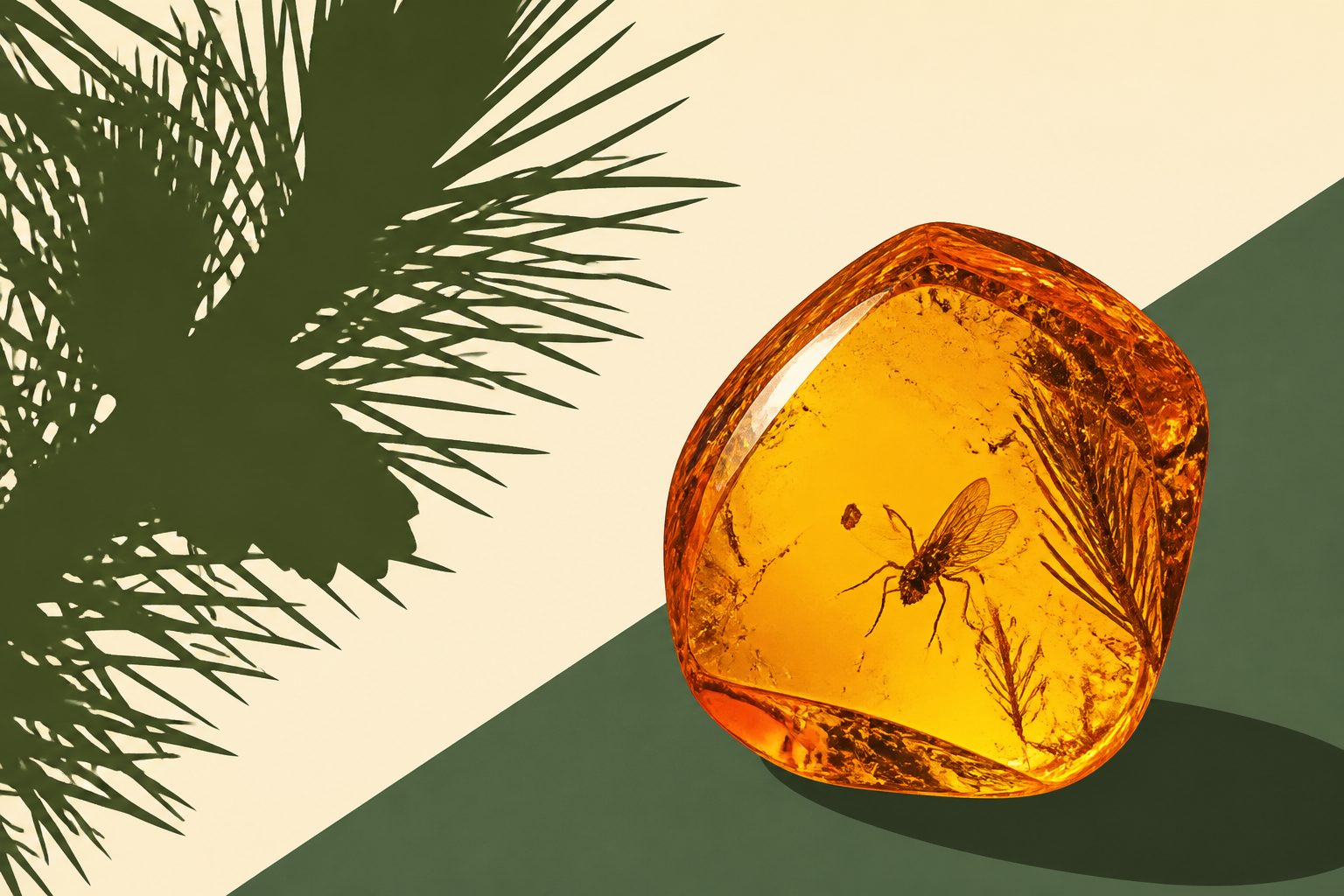
Abstract editorial illustration accompanying the article: Historic “Kolchedan amber” likely came from pine-family trees

Historic “Kolchedan amber” likely came from pine-family trees

A study of historic “Kolchedan amber” from the Iset River suggests that the fossil resin came from plants in the pine family, possibly related to the genus Pseudolarix. Infrared analysis also places it in a distinct and widespread type of Cretaceous resin found across Northern Eurasia.

·64 views