Indian trial reports more time out of hospital with nurse-led digital care
Among adults with reduced-heart-function heart failure, the program was also linked with lower mortality over two years.
High evidenceHuman studySome caution advised
Medical disclaimer: This article summarizes research findings and is for informational purposes only. It is not medical advice.
Editorial illustration — not from the study.
The study compared usual care with a broader care program that included risk assessment, lifestyle and medicine optimization, self-care education, active follow-up, and ongoing outpatient monitoring coordinated by nurses and supported by mobile technology. The 22 participating centers were assigned to one of the two groups, rather than assigning each participant individually.
After two years, the researchers reported that 84.0% of people in the program group had survived without hospitalization for the full follow-up period, compared with 79.4% in the usual-care group. Deaths occurred in 21.59% of the program group and 26.73% of the usual-care group; the analysis estimated a 22% lower mortality risk in the program group.
The question examined
Researchers examined whether a nurse-coordinated, mobile health–supported collaborative care model could increase days alive and out of the hospital and improve overall survival among adults with heart failure with reduced ejection fraction. The parallel-group cluster-randomized trial included 1,507 adults at 22 centers in India: 755 received the collaborative care model and 752 received usual care. Participants were followed for 24 months. Because centers, rather than individual patients, were randomized, the analysis accounted for clustering by center.
Key findings
The intervention group had a higher estimated probability of surviving for 730 days without hospitalization: 84.0% compared with 79.4% with usual care. The researchers reported that the intervention group had 1.78 times the odds of being alive and out of the hospital for all 730 days. There were 163 deaths among participants receiving the intervention and 201 among those receiving usual care. A model accounting for the clustered design estimated a hazard ratio for death of 0.78, meaning an estimated 22% lower mortality risk in the intervention group during follow-up. These findings describe the results of this trial and do not establish that every individual component of the program caused the difference.
Where this may apply
The findings may apply most closely to adults in India who have heart failure with reduced ejection fraction and receive care in settings able to provide the tested nurse coordination, follow-up, monitoring, and mobile-health support. They should not be assumed to apply to people with preserved heart function, children, people in substantially different health systems, or patients who differ markedly from the trial participants. The abstract does not provide enough information to determine applicability to every subgroup or setting.
Why this matters
Hospitalization and death are important outcomes for people living with heart failure. This trial suggests that a coordinated program combining clinical follow-up, education, monitoring, and mobile technology may improve these outcomes in a population similar to the one studied. The result is most directly relevant to adults in India with heart failure with reduced ejection fraction and may not transfer unchanged to other countries, health systems, or types of heart failure.
Limitations & evidence assessment
The abstract provides limited information about how usual care differed across centers, how consistently each part of the multi-component program was delivered, and whether the results varied among patient subgroups. The trial was conducted in 22 centers in India, so applicability to other health systems and populations is uncertain. Follow-up lasted two years, and the abstract does not report longer-term outcomes, possible harms, program costs, or resource requirements. Although randomization strengthens comparisons between groups, the study tested a complete care model, so it cannot show which individual component was responsible for the reported differences.
Why this evidence level: Large randomized trial (detected n≈1507 ≥ 500).
Evidence levels are editorial estimates derived from study metadata — they are not clinical appraisals.
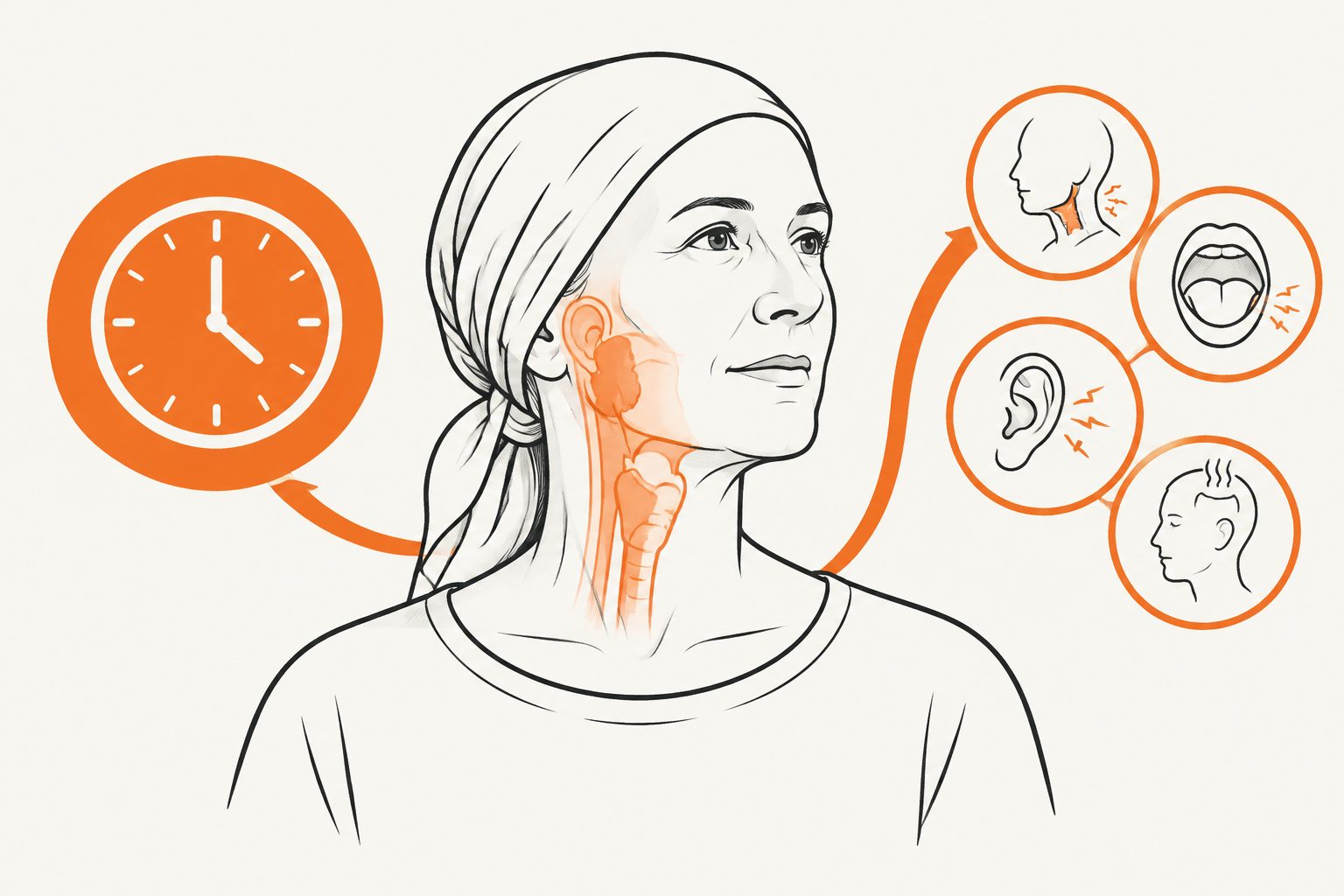
This systematic review examined randomized human trials of concurrent chemotherapy and radiation for locally advanced head and neck, cervical, esophageal, and non-small-cell lung cancers. Across the included trials, combined treatment was reported to provide better overall survival than radiation alone, but it also caused more severe short-term side effects. The review did not provide enough information in its abstract to show how many trials or patients were included.
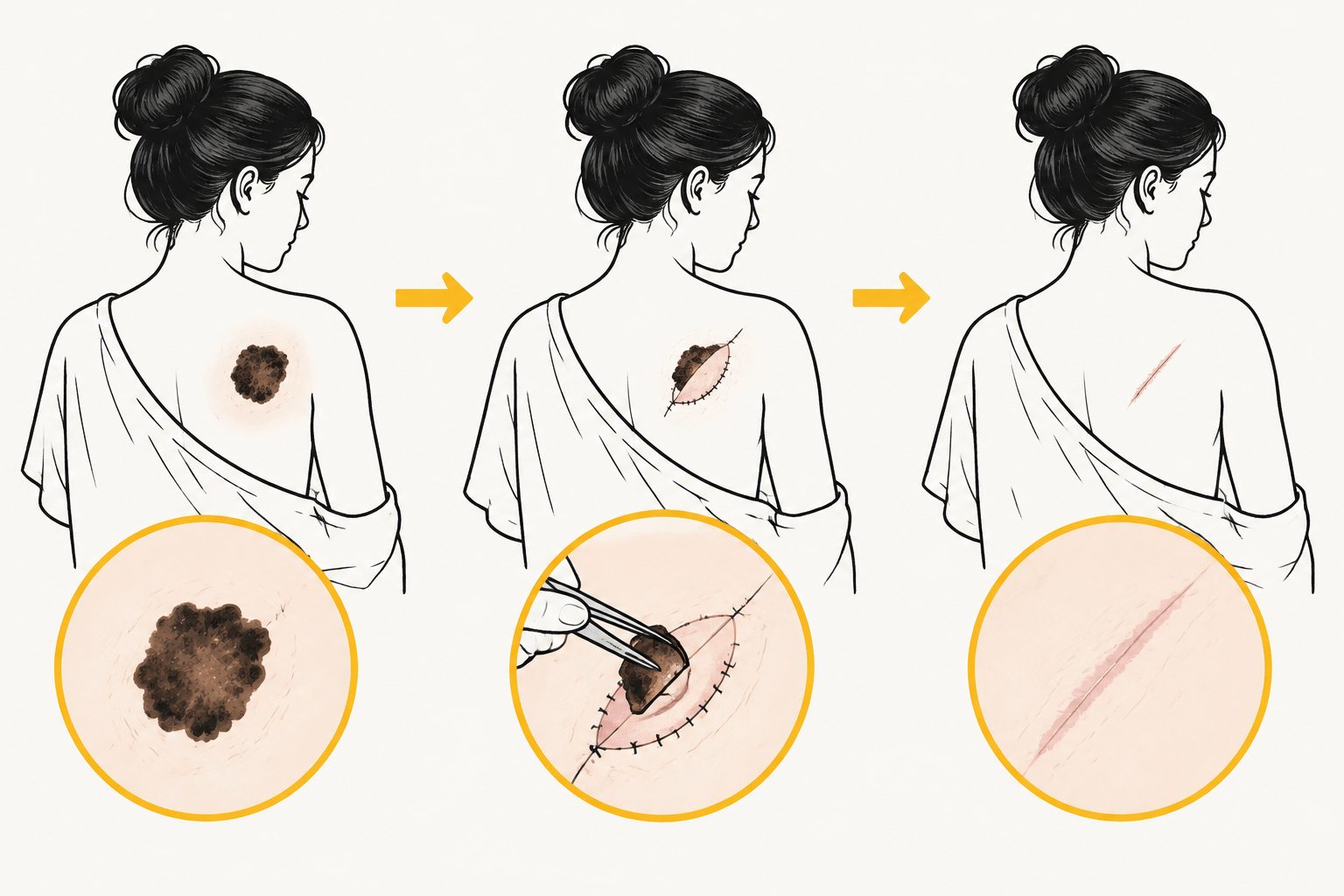
Researchers pooled results from seven human studies comparing multiple-staged with single-stage removal and reconstruction of congenital melanocytic nevi, sometimes called congenital moles. Staged surgery was associated with fewer major wound complications and recurrences, as well as slightly shorter and narrower scars, but the studies did not find a clear difference in cosmetic or overall patient satisfaction.
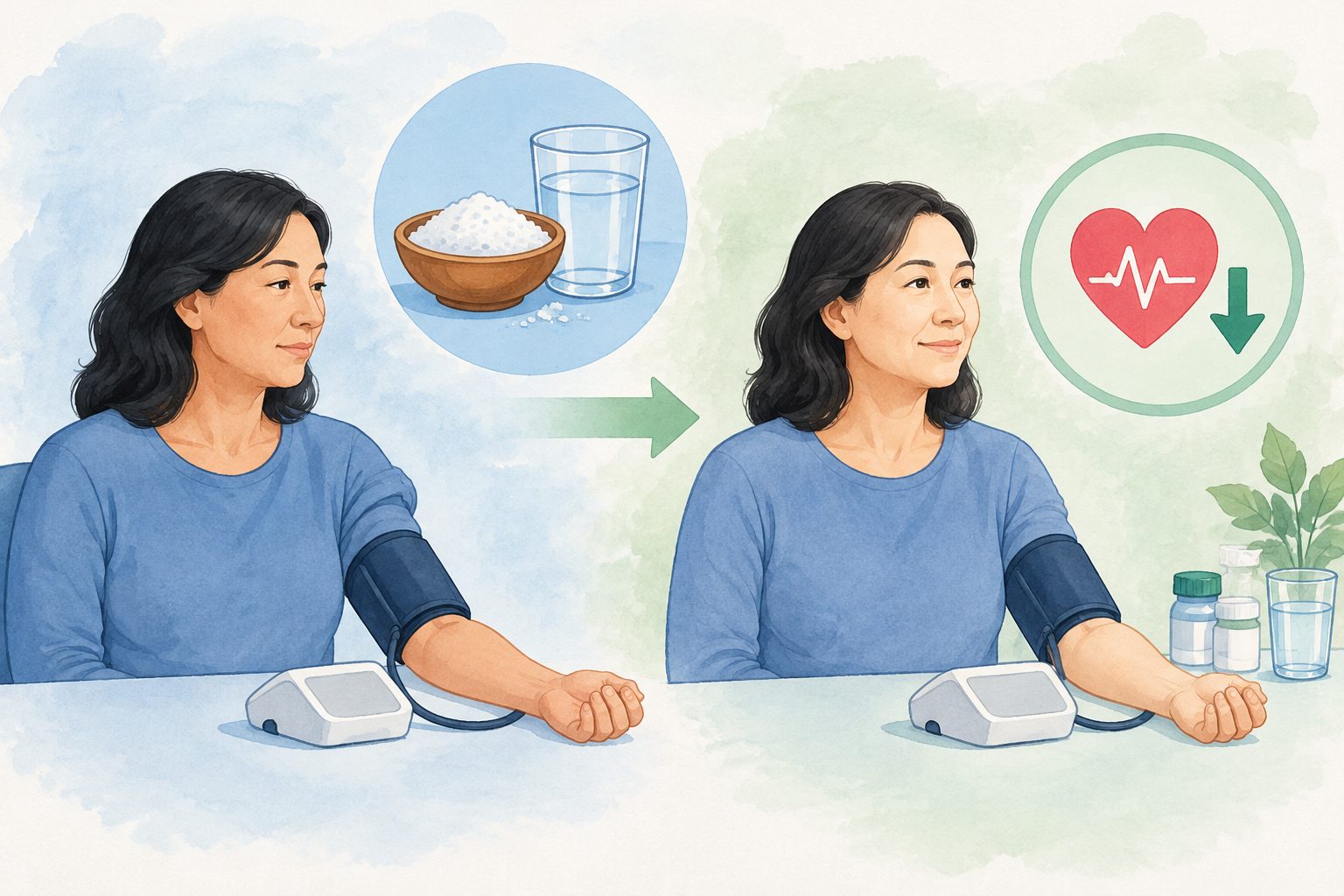
A cluster-randomized human study in 210 adults with recently detected stage 1 hypertension in Uzbekistan compared salt-sensitivity testing followed by assigned medication choices with conventional management. After 12 weeks, more participants in the testing-guided group reached the study's blood pressure target, although the study was small, short, and conducted in only three primary care centers.