The compound activated the DNA-repair protein KIF2C, improving cell health in progeria and Down syndrome models.
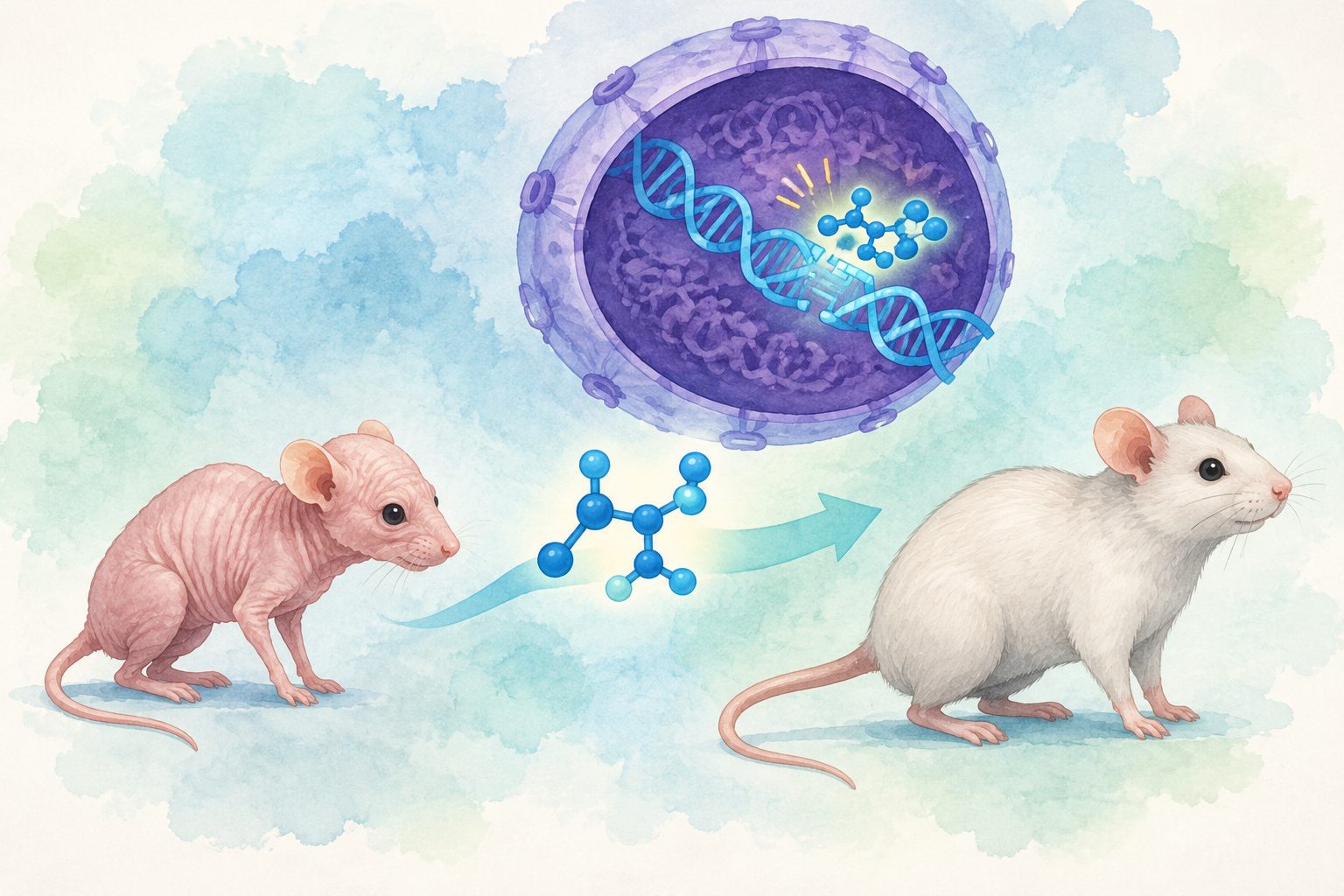
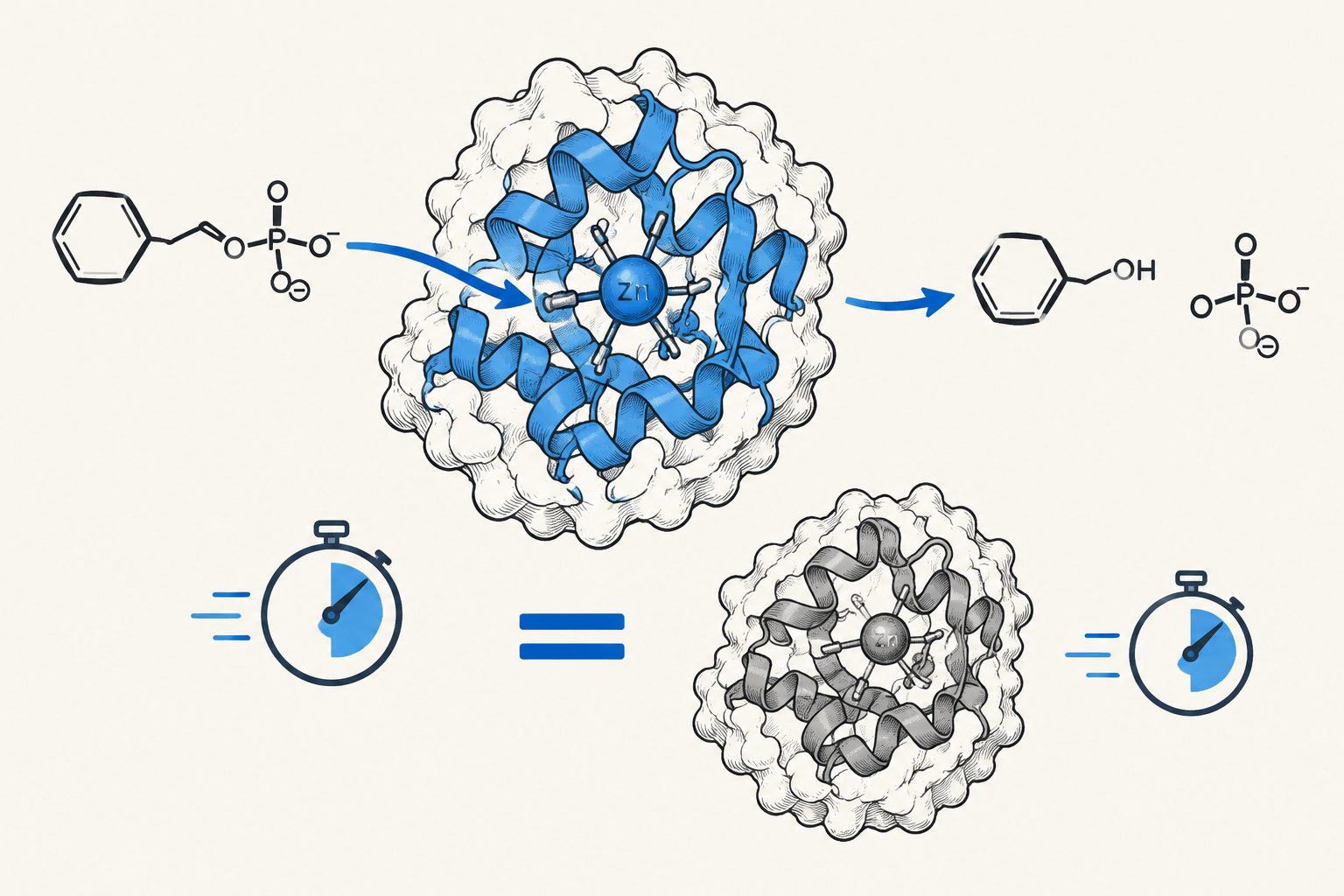
Researchers tested a small molecule that increases the activity of KIF2C, a protein involved in repairing damaged DNA. In cells from people with Hutchinson-Gilford progeria syndrome or Down syndrome, as well as in aged cells, the compound improved repair of DNA double-strand breaks.
The treatment also restored features of the cell nucleus and changed patterns of gene activity in the cells. When given under the skin to mice with progeria, the compound reduced aging-related phenotypes and extended both the animals’ healthspan and lifespan.
Evidence and caveats
The study combined experiments in aged cells, cells derived from patients with Hutchinson-Gilford progeria syndrome or Down syndrome, and a progeria mouse model. The abstract does not provide the number of animals or cells, the size of the lifespan extension, or details about treatment duration. The evidence described is preclinical: it does not include a human clinical trial, and results from progeria mice may not apply directly to ordinary aging or to people with these conditions.
// Source
Nature Communications · 2026 · DOI: 10.1038/s41467-026-79165-6
Authors: Joana Catarina Macedo, Marcos Antonio Barbosa Da Silva, Carlos Sousa-Soares, Joana Magalhães, M. Inês Ala, Rui Ribeiro, Monika Barroso‐Vilares, Mafalda Galhardo, Mafalda Sousa, Elsa D. Silva, Andrei Seluanov, Vera A. Gorbunova, Paula Sampaio, Francisco Vasques‐Nóvoa, Diana Santos Nascimento, Elsa Logarinho
Institutions: University of Rochester, Universidade do Porto, University of Rochester Medicine, i3S - Instituto de Investigação e Inovação em Saúde, Universidade do Porto, Hospital de São João, Instituto de Biologia Molecular e Celular, Instituto de Ciências Biomédicas Albel Salazar, Instituto Nacional de Engenharia Biomédica