Imaging suggests this protein complex helps preserve the boundaries that separate condensed, gene-active parts of the genome.
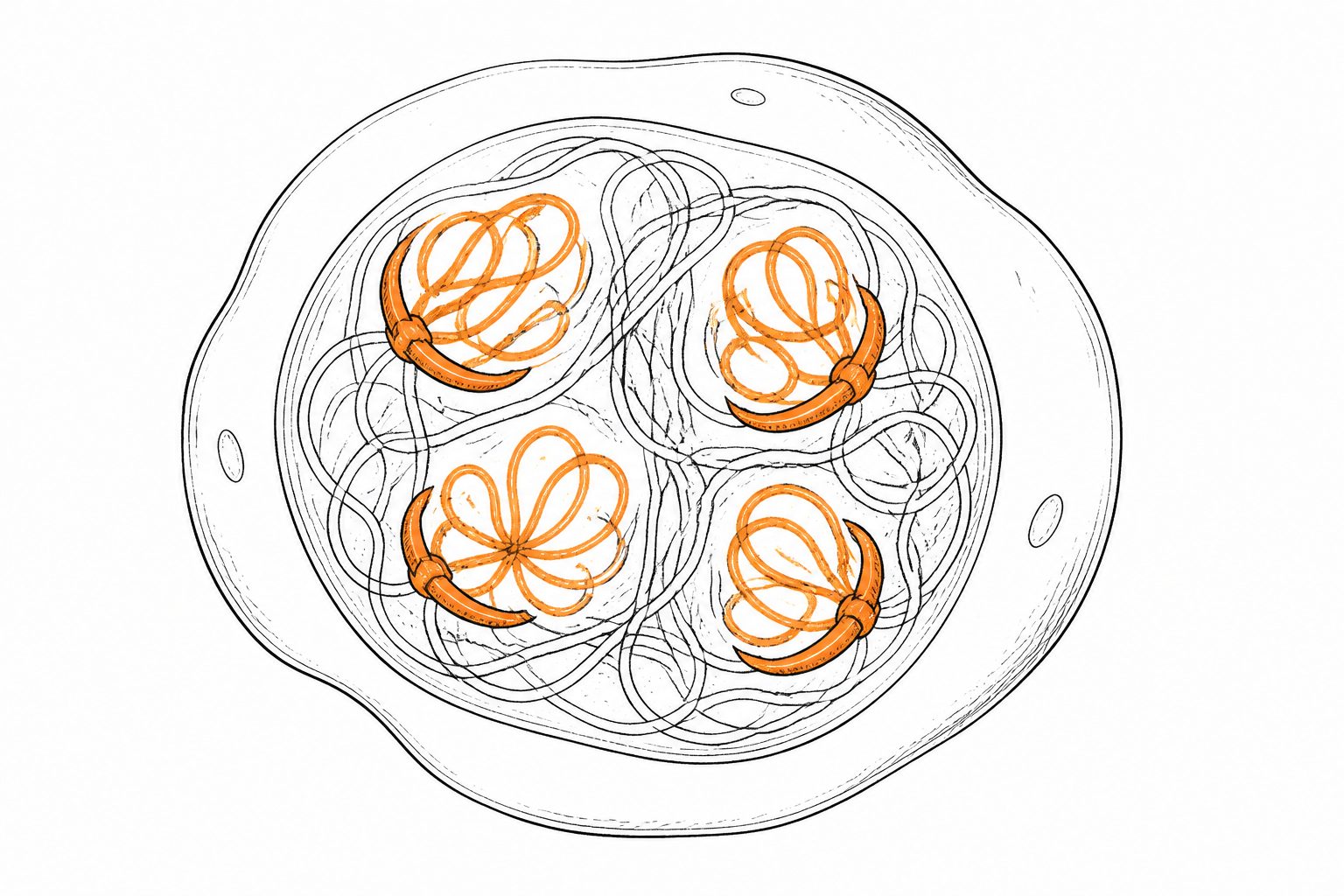
Using single-nucleosome tracking and super-resolution 3D imaging, researchers examined euchromatin—the generally gene-active form of DNA packaging—in living human cells. They found that euchromatin forms condensed domains rather than remaining uniformly open, and that cohesin-mediated loops constrain these domains.
The machinery that transcribes genes appeared near the surfaces or borders of the domains. Removing cohesin increased the fluidity of nucleosomes without changing the domains’ overall compaction, resulting in local mixing and compromised separation between regions involved in gene regulation.
// Source
Nature Genetics · 2026 · DOI: 10.1038/s41588-026-02736-2
Authors: Masa A. Shimazoe, Shiori Iida, Katsuhiko Minami, Koichi Higashi, Sachiko Tamura, Sarah Ashwin, Tomoko Nishiyama, Masato T. Kanemaki, Lothar Schermelleh, Atsushi Toyoda, Ken Kurokawa, Masaki Sasai, Kazuhiro Maeshima
Institutions: Kyoto University, University of Oxford, The University of Tokyo, Kyushu University, Nagoya University, The Graduate University for Advanced Studies, SOKENDAI, Cleveland Clinic Lerner College of Medicine, GITAM University, National Institute of Genetics