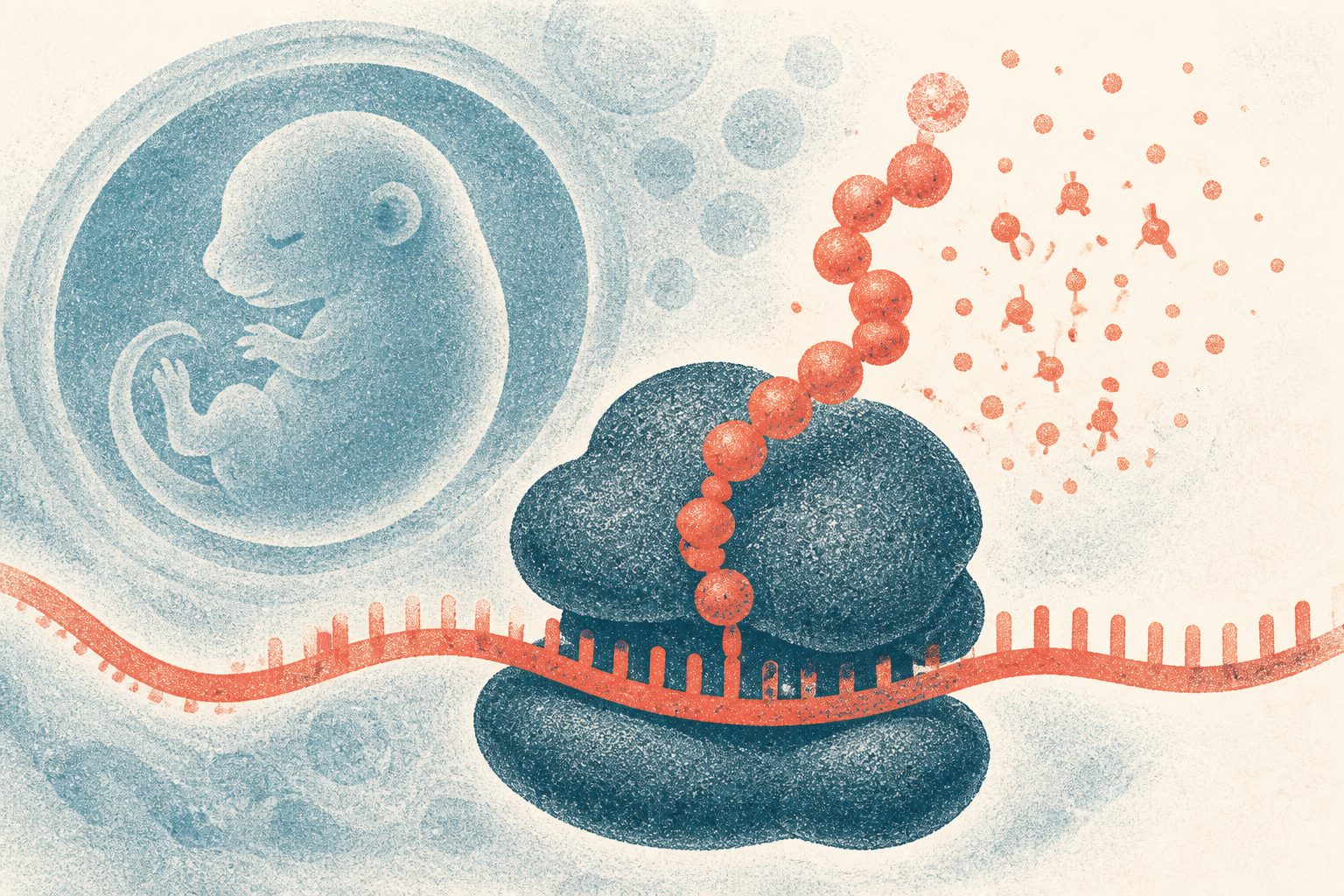
The researchers say that many translons were found in the last decade thanks to ribosome profiling and proteomics, but that conventional versions of those techniques often require large amounts of sample. Ribo-ITP is presented as a way to reduce this input requirement so translons can be studied in scarce tissues, including microdissected hippocampal samples and single preimplantation embryos.
To check whether the newly identified translons can actually be translated, the team engineered a translon-dependent GFP reporter system and detected expression in mouse embryonic stem cells. They also compared ribosome profiling datasets across many cell types to describe translon expression patterns and used a machine-learning model to predict how specific upstream translons could affect translation of an annotated coding region.