Study links GLP-1 drugs with lower dementia risk than long-acting insulin
A Taiwan health-records analysis found an association, but randomized studies are needed to test whether the medicines themselves explain the difference.
Moderate evidenceHuman studyInterpret with caution
Medical disclaimer: This article summarizes research findings and is for informational purposes only. It is not medical advice.
Editorial illustration — not from the study.
Researchers examined whether adults with type 2 diabetes who began a glucagon-like peptide-1 receptor agonist, or GLP-1 RA, had a different rate of newly diagnosed dementia than similar adults who began long-acting insulin. The study used health records from Taiwan and included 10,783 matched pairs of people aged over 50 who started one of these treatments between 2011 and 2021.
Dementia diagnoses occurred less often among GLP-1 RA users than among long-acting insulin users. Because this was a retrospective observational study, the results show an association and do not demonstrate that GLP-1 RAs themselves reduced dementia risk.
The question examined
Researchers conducted a population-based retrospective cohort study using Taiwan's National Health Insurance Research Database. They compared adults over age 50 with type 2 diabetes who initiated a GLP-1 receptor agonist with those who initiated long-acting insulin during 2011-2021. The analysis included 10,783 propensity-score-matched pairs. The main outcome was newly diagnosed dementia; additional outcomes included dementia requiring treatment and diagnoses of Alzheimer’s disease, vascular dementia, and unspecified dementia. Statistical models estimated hazard ratios between the groups.
What the analysis found
Among the matched participants, there were 375 newly diagnosed dementia cases. The incidence was 4.86 cases per 1,000 person-years among GLP-1 RA users and 7.56 cases per 1,000 person-years among long-acting insulin users. The estimated risk of overall dementia was lower among GLP-1 RA users, with a hazard ratio of 0.64 and a 95% confidence interval of 0.46 to 0.89. The association was also reported for unspecified dementia, with a hazard ratio of 0.41. The study did not find statistically significant differences for Alzheimer’s disease or vascular dementia. In analyses of individual GLP-1 RAs, liraglutide and dulaglutide were associated with lower risk of unspecified dementia. These results are associations from health records, not proof of a causal effect.
Where this may apply
These findings may be relevant to adults over age 50 with type 2 diabetes who are similar to the people included in Taiwan's health insurance database. They do not show that GLP-1 receptor agonists lower dementia risk for everyone, and they do not establish that one medicine causes a different dementia risk from another.
The significance
Dementia and type 2 diabetes commonly affect older adults, so possible differences in dementia diagnoses between diabetes treatments are of research interest. This study provides information from a large real-world human population and identifies an association that can be tested in future randomized controlled trials. It does not establish that GLP-1 receptor agonists prevent dementia, nor does it show that they should be used for that purpose. The findings may also differ in healthcare systems or populations outside Taiwan, or among people who do not have type 2 diabetes or are younger than the study participants.
Limitations & evidence assessment
The study was observational, so it cannot establish that GLP-1 receptor agonists caused the lower dementia risk. Although the researchers used propensity-score matching, other differences between the groups may remain. The abstract does not provide enough information about follow-up duration, possible missing health factors, or how dementia diagnoses were confirmed. The findings came from adults over 50 with type 2 diabetes in Taiwan and may not apply to other populations. Results for Alzheimer’s disease and vascular dementia were not statistically significant, and their confidence intervals were wide.
Why this evidence level: Randomized trial; sample size could not be determined from metadata.
Evidence levels are editorial estimates derived from study metadata — they are not clinical appraisals.
// Source
The Journal of Prevention of Alzheimer s Disease · 2026 · DOI: 10.1016/j.tjpad.2026.100645
This systematic review examined randomized human trials of concurrent chemotherapy and radiation for locally advanced head and neck, cervical, esophageal, and non-small-cell lung cancers. Across the included trials, combined treatment was reported to provide better overall survival than radiation alone, but it also caused more severe short-term side effects. The review did not provide enough information in its abstract to show how many trials or patients were included.
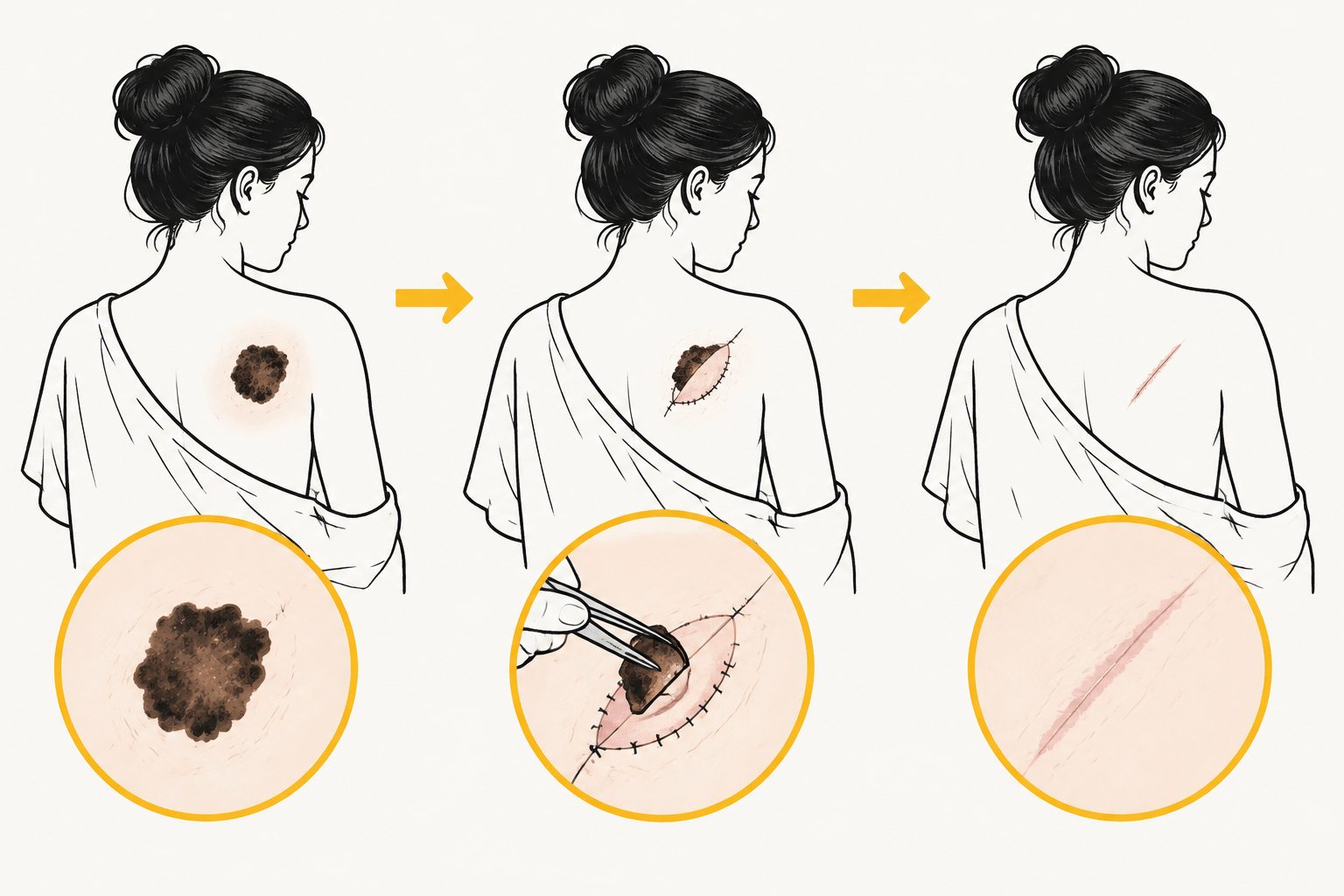
Researchers pooled results from seven human studies comparing multiple-staged with single-stage removal and reconstruction of congenital melanocytic nevi, sometimes called congenital moles. Staged surgery was associated with fewer major wound complications and recurrences, as well as slightly shorter and narrower scars, but the studies did not find a clear difference in cosmetic or overall patient satisfaction.
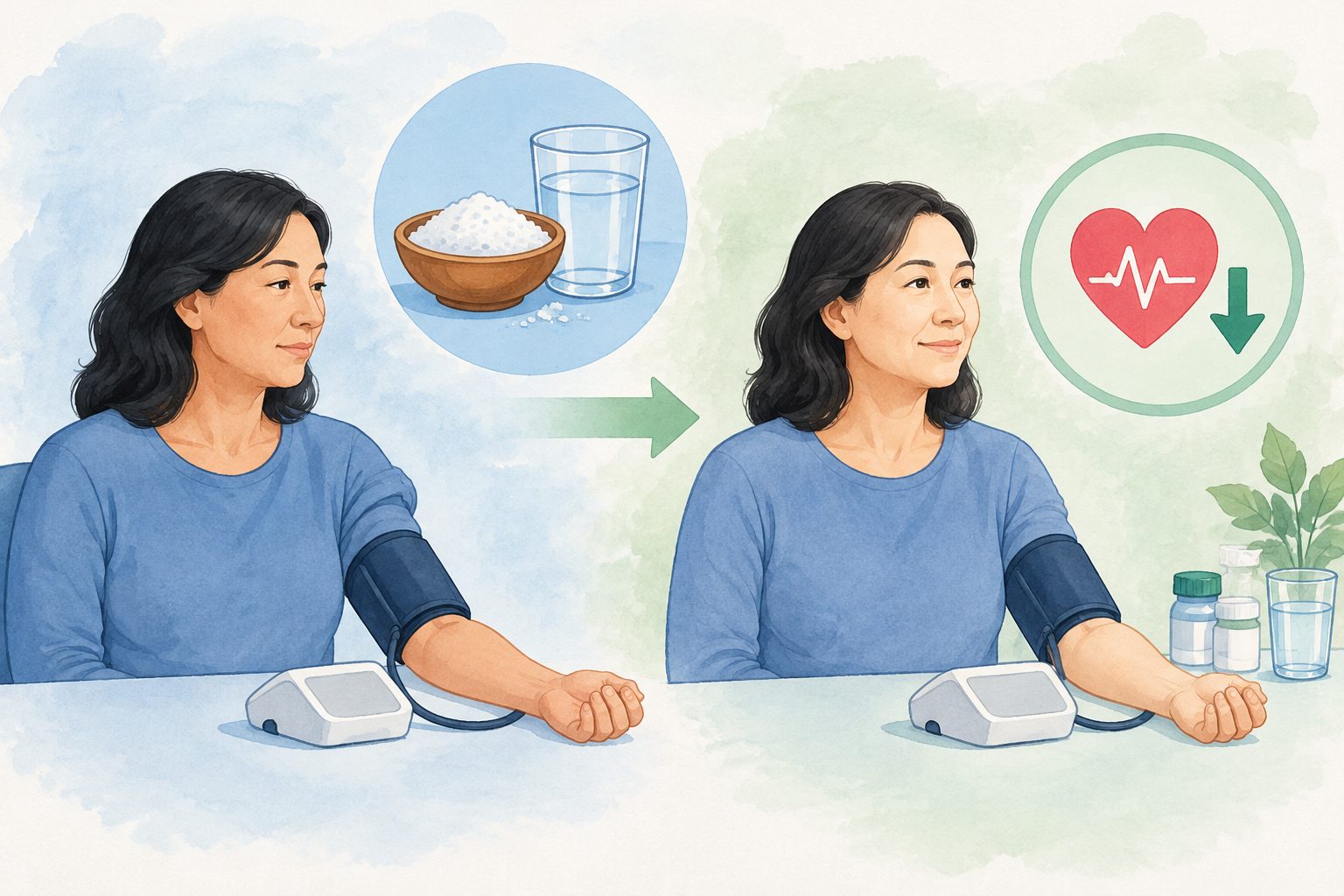
A cluster-randomized human study in 210 adults with recently detected stage 1 hypertension in Uzbekistan compared salt-sensitivity testing followed by assigned medication choices with conventional management. After 12 weeks, more participants in the testing-guided group reached the study's blood pressure target, although the study was small, short, and conducted in only three primary care centers.