Medicine · Endocrinology, Diabetes and Metabolism

Diabetes Treatment and Management

Log in to follow
Abstract editorial illustration accompanying the article: Review finds no consistent link between GLP-1 drugs and wet age-related macular degeneration
Health & Medicine
Very low evidenceReview

Review finds no consistent link between GLP-1 drugs and wet age-related macular degeneration

This review examined human clinical evidence about GLP-1 receptor agonists and neovascular age-related macular degeneration, sometimes called wet age-related macular degeneration, in people with type 2 diabetes. The reviewed studies had conflicting results: one reported higher risk, another lower risk, and two large comparisons found no significant increase. The evidence is observational and does not show that these medicines cause or prevent the eye condition.

·80 views
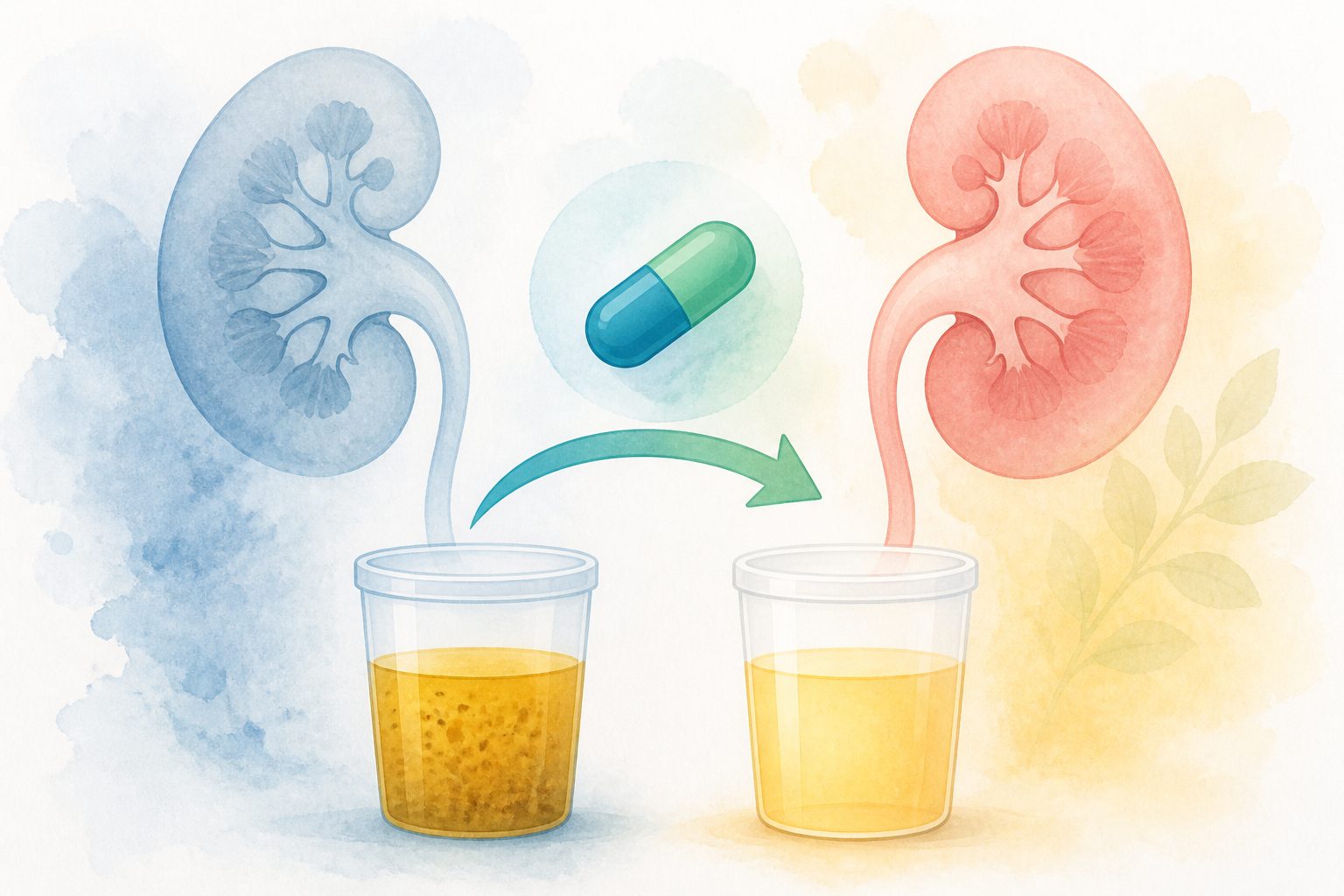
Abstract editorial illustration accompanying the article: New review finds less urine protein with some kidney drugs in type 1 diabetes
Health & Medicine
High evidenceReview

New review finds less urine protein with some kidney drugs in type 1 diabetes

This systematic review and meta-analysis combined results from 41 randomized trials involving adults with type 1 diabetes. Some treatments, particularly sodium–glucose cotransporter 2 inhibitors, were associated with less urine protein, but the analysis found no clear difference in the yearly change in kidney function and found higher risks of hypoglycemia and diabetic ketoacidosis.

·46 views
Abstract editorial illustration accompanying the article: Review finds no clear increase in digestive-tract tumors with SGLT2 drugs
Health & Medicine
High evidenceReview

Review finds no clear increase in digestive-tract tumors with SGLT2 drugs

Researchers combined results from 49 randomized controlled trials involving 49,054 people with type 2 diabetes to examine whether SGLT2 inhibitors were linked with gastrointestinal neoplasms, meaning tumors or abnormal growths in the digestive system. The analysis found no statistically significant association with gastrointestinal neoplasms overall or with the specific sites studied. However, about half of the trials lasted one year or less, so the analysis provides limited information about long-term risk.

·48 views
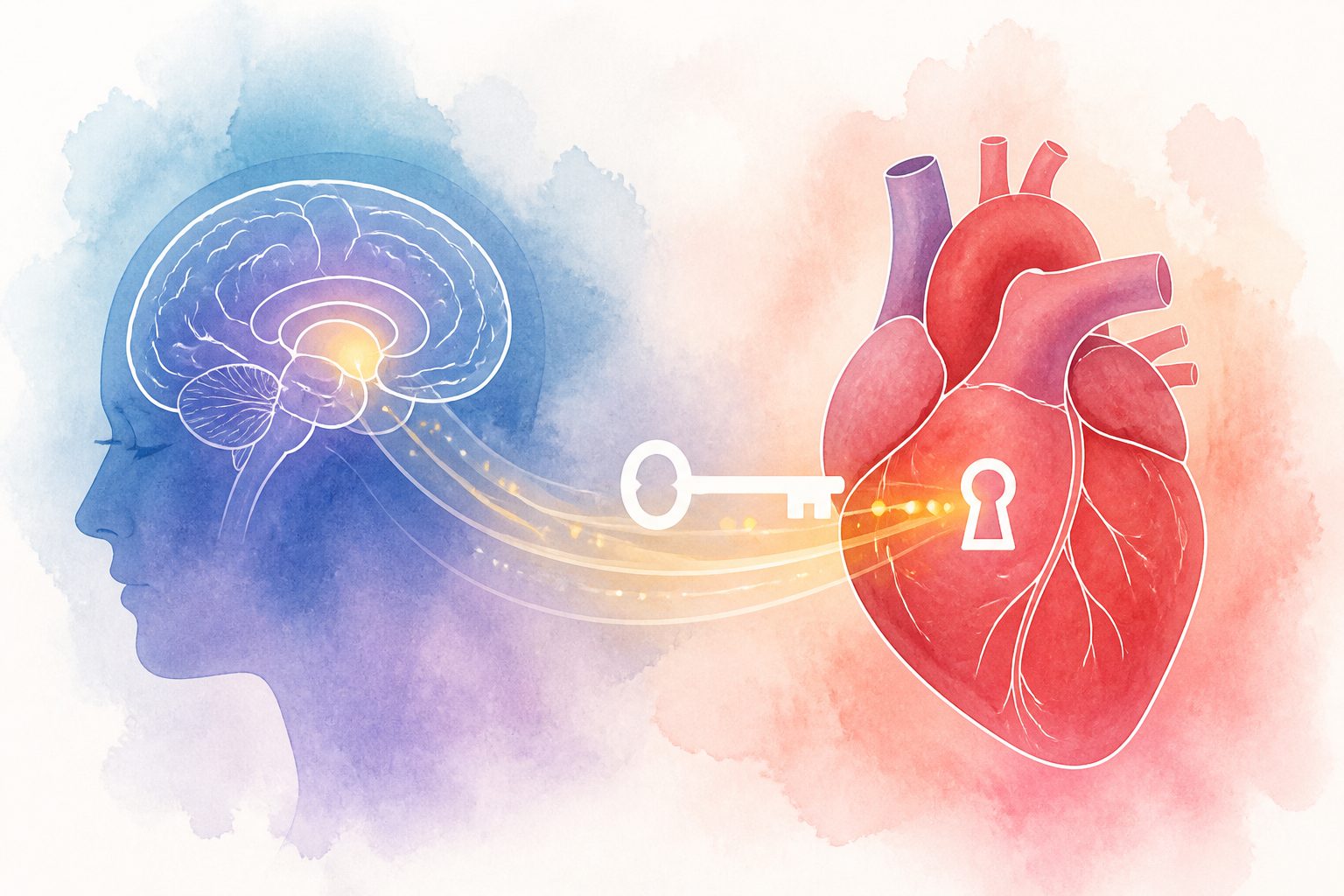
Abstract editorial illustration accompanying the article: Study suggests a possible heart-related action of SGLT2 medicines
Biology
Very low evidenceMixed evidence

Study suggests a possible heart-related action of SGLT2 medicines

Researchers studied how SGLT2 medicines might affect the heart, using heart tissue and cells from people with heart failure, purified laboratory components, and computer modeling. They found that the medicines activated an enzyme involved in making coenzyme A, a substance needed for several fuel-use pathways, but this study did not test patient outcomes or establish that the mechanism explains clinical benefits.

·41 views
Abstract editorial illustration accompanying the article: Trial reports weight loss with a daily oral GLP-1 medicine over 16 weeks
Health & Medicine
Moderate evidenceHuman study

Trial reports weight loss with a daily oral GLP-1 medicine over 16 weeks

In a randomized, placebo-controlled phase II trial of 250 adults with overweight or obesity in China, the oral GLP-1 receptor agonist VCT220 was associated with greater average weight loss over 16 weeks than placebo. The study also reported changes in HbA1c, fasting insulin, and blood pressure, while gastrointestinal side effects were common but usually mild to moderate. Longer-term effects and safety remain uncertain.

·50 views
Abstract editorial illustration accompanying the article: Study links GLP-1 drugs with lower dementia risk than long-acting insulin
Health & Medicine
Moderate evidenceHuman study

Study links GLP-1 drugs with lower dementia risk than long-acting insulin

In a large study of adults over 50 with type 2 diabetes in Taiwan, new dementia diagnoses were less frequent among people who started a GLP-1 receptor agonist than among matched people who started long-acting insulin. The study was observational, so it cannot determine whether the medicines caused the difference.

·81 views