Researchers report typhoid vaccine antibodies lasting 5 years in Nepalese children
A follow-up study found that most children retained a strong antibody response five years after one vaccine dose.
High evidenceHuman studySome caution advised
Medical disclaimer: This article summarizes research findings and is for informational purposes only. It is not medical advice.
Editorial illustration — not from the study.
The study included 20,019 children aged 9 months to 16 years who were initially assigned to receive either a typhoid conjugate vaccine or a meningococcal vaccine. A subgroup of 1,500 children provided blood samples from vaccination through Year 5 to assess antibodies against typhoid vaccine components.
The average anti-Vi IgG antibody concentration declined from 2037.90 at Day 28 to 109.3 at Year 5. Even so, 88% of participants still had at least a fourfold rise from their baseline antibody level at Year 5. Antibody levels declined faster in younger children than in older children, but the study did not determine whether booster doses are needed or how antibody levels relate to actual typhoid disease.
The question examined
Researchers examined how long immune responses lasted after one dose of Typbar TCV, a typhoid conjugate vaccine, in children in Lalitpur, Nepal. The parent study was a participant- and observer-blinded randomized trial conducted from 2017 to 2021, involving 20,019 children aged 9 months to 16 years. For the immunogenicity follow-up, 1,500 participants—1,000 originally assigned to the typhoid vaccine and 500 to the comparison meningococcal vaccine—provided blood samples at baseline, Day 28, Month 18, and Years 2, 4, and 5. The main measure was the level of anti-Vi antibodies, which are immune markers associated with response to the vaccine.
What the trial found
The geometric mean anti-Vi IgG concentration rose to 2037.90 at Day 28 after vaccination, fell to 241.29 at Month 18, and was 109.3 at Year 5. At five years, 88% of participants still had at least a fourfold increase in antibody level compared with baseline. Antibody decline was slower among older children, females, and children who already had detectable anti-Vi IgG at baseline. Anti-Vi IgA levels were strongly correlated with IgG levels. These findings show persistence of measured antibody responses, but they do not by themselves establish how well participants were protected from typhoid disease.
Who this is relevant to
These findings most directly apply to children aged 9 months to 16 years who received the studied typhoid conjugate vaccine in a setting similar to Lalitpur, Nepal. They may not apply in the same way to adults, children in other regions, people receiving different typhoid vaccines, or populations with different prior exposure to typhoid. The study does not provide individualized guidance or establish whether any particular person needs an additional dose.
Why this matters
The findings suggest that one dose of typhoid conjugate vaccine can be followed by measurable antibody responses for at least five years in the Nepalese children studied. This information may help researchers assess the duration of vaccine responses and investigate vaccination timing and possible booster needs. Because the study measured antibodies rather than typhoid illness, the results cannot establish the exact level or duration of clinical protection.
Limitations & evidence assessment
The immunogenicity analysis included 1,500 children, rather than all 20,019 participants in the randomized trial. The abstract does not report how many participants remained at each blood-sampling visit or fully explain how later receipt of the alternate vaccine after unblinding affected the five-year antibody results. Antibody concentration is an immune marker and is not the same as confirmed protection against illness. The abstract also provides too little information to determine how well these findings apply outside the study population or how antibody levels relate to a specific need for booster doses.
Why this evidence level: Large randomized trial (detected n≈20019 ≥ 500).
Evidence levels are editorial estimates derived from study metadata — they are not clinical appraisals.
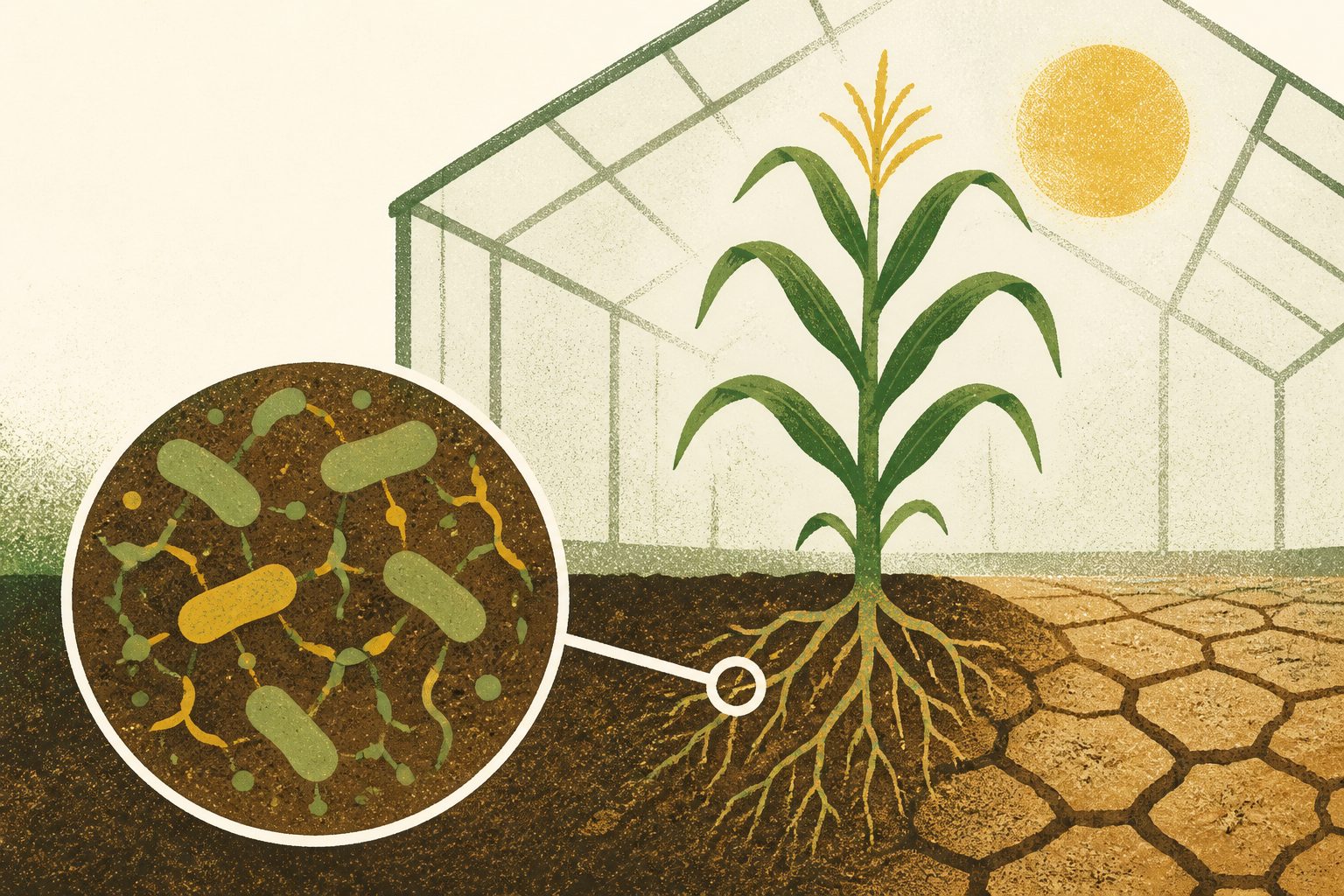
Certain Streptomyces bacteria improved maize growth when plants were grown with limited water in a greenhouse experiment. The effects varied among the four bacterial isolates, and further testing is needed before they can be considered for field use.
A review of five medicinal plants finds evidence that leaves, young stems, small branches and fruits may sometimes replace roots, bark or heartwood as sources of similar plant chemicals. The authors say these substitutions could reduce destructive harvesting, but therapeutic and safety testing is still needed.
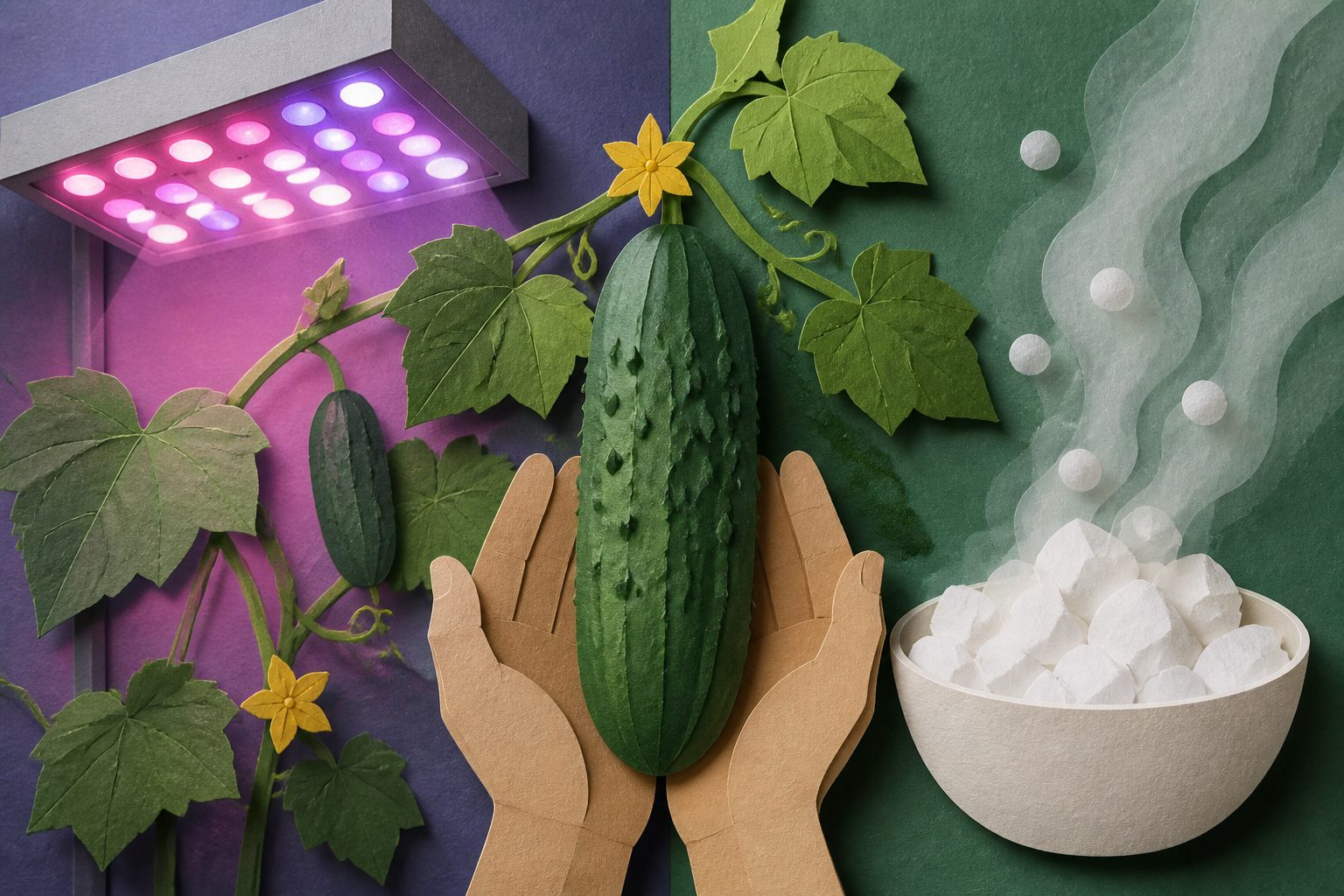
Adding LED lighting and solid carbon dioxide generators to winter greenhouse cucumber production increased yield by 18% and income by 21% compared with the control. Plants also grew larger and produced wider, heavier fruit during the trial.