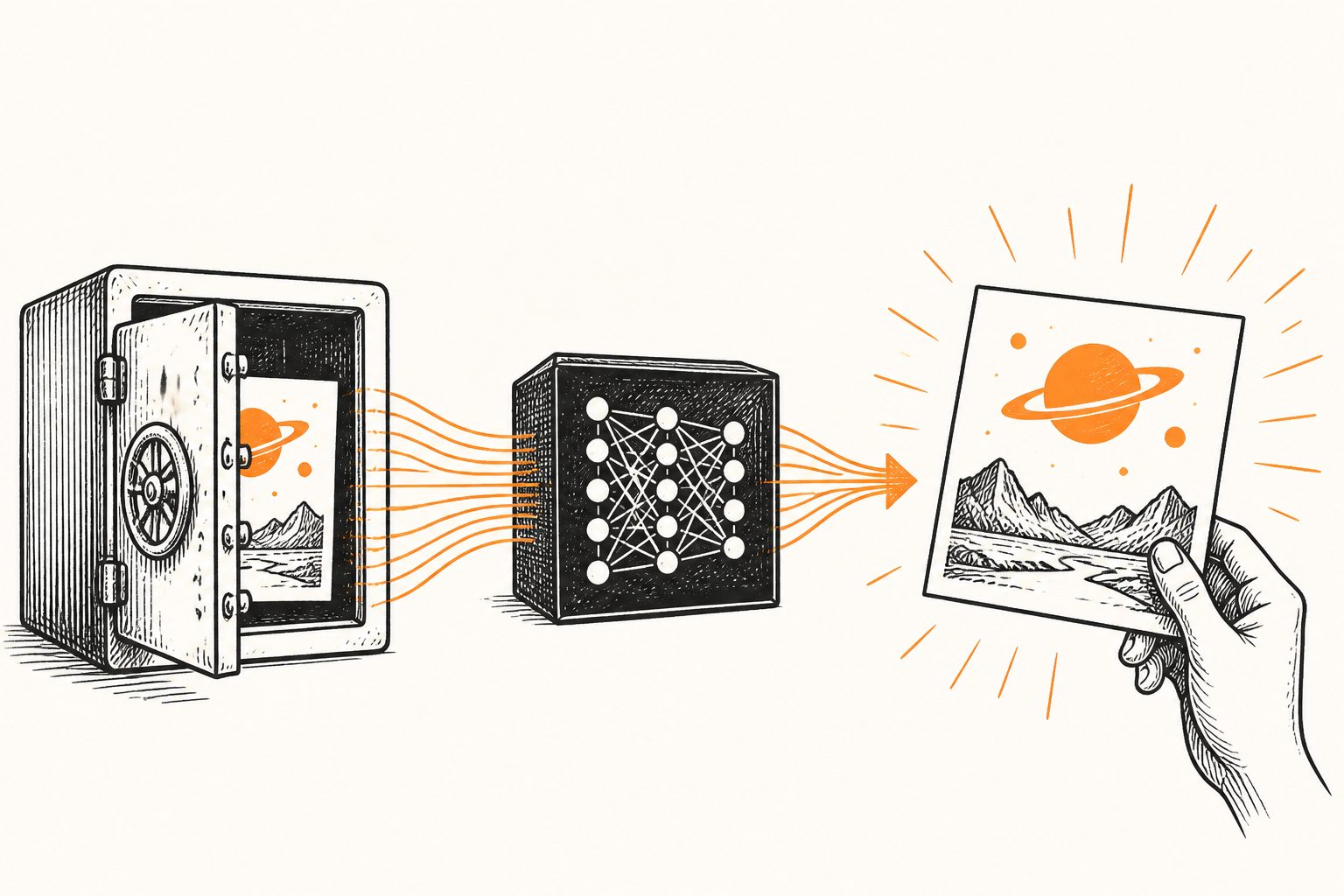
The particles reached a site outside CERN without being lost, opening a route to quieter laboratories for future tests.
Antiprotons are useful for testing whether matter and antimatter obey the same fundamental laws. Until now, these precision experiments have been carried out at CERN’s Antimatter Factory, where magnetic-field fluctuations from the facility can limit measurements.
The researchers used a cryogenic, transportable trapping system called BASE-STEP to move 92 antiprotons along a 7.5-kilometre road route. The particles remained trapped, and the system’s vacuum showed no measurable degradation during the journey.
// Source
Nature · 2026 · DOI: 10.1038/s41586-026-11019-z
Authors: Marc Leonhardt, J. Morgner, F. Abbass, Kamran Anjum, B. P. Arndt, Raphael Czampiel, N. Daehnhardt, S. Endoh, Tomoka Imamura, J. I. Jäger, L. Kürschner, B. M. Latacz, P. Micke, D. Natakala, R. Rahner, D. Schweitzer, S. Stahl, F. Völksen, H. Yildiz, K. Blaum, J. A. Devlin, Y. Matsuda, C. Ospelkaus, W. Quint, A. Sótér, J. Walz, Y. Yamazaki, S. Ulmer, C. Smorra
Institutions: Imperial College London, Heinrich Heine University Düsseldorf, Leibniz University Hannover, Johannes Gutenberg University Mainz, ETH Zurich, European Organization for Nuclear Research, GSI Helmholtz Centre for Heavy Ion Research, Max Planck Institute for Nuclear Physics, Helmholtz Institute Mainz, Board of the Swiss Federal Institutes of Technology, Physikalisch-Technische Bundesanstalt