Society & Economics

Social sciences, psychology, economics and the humanities.

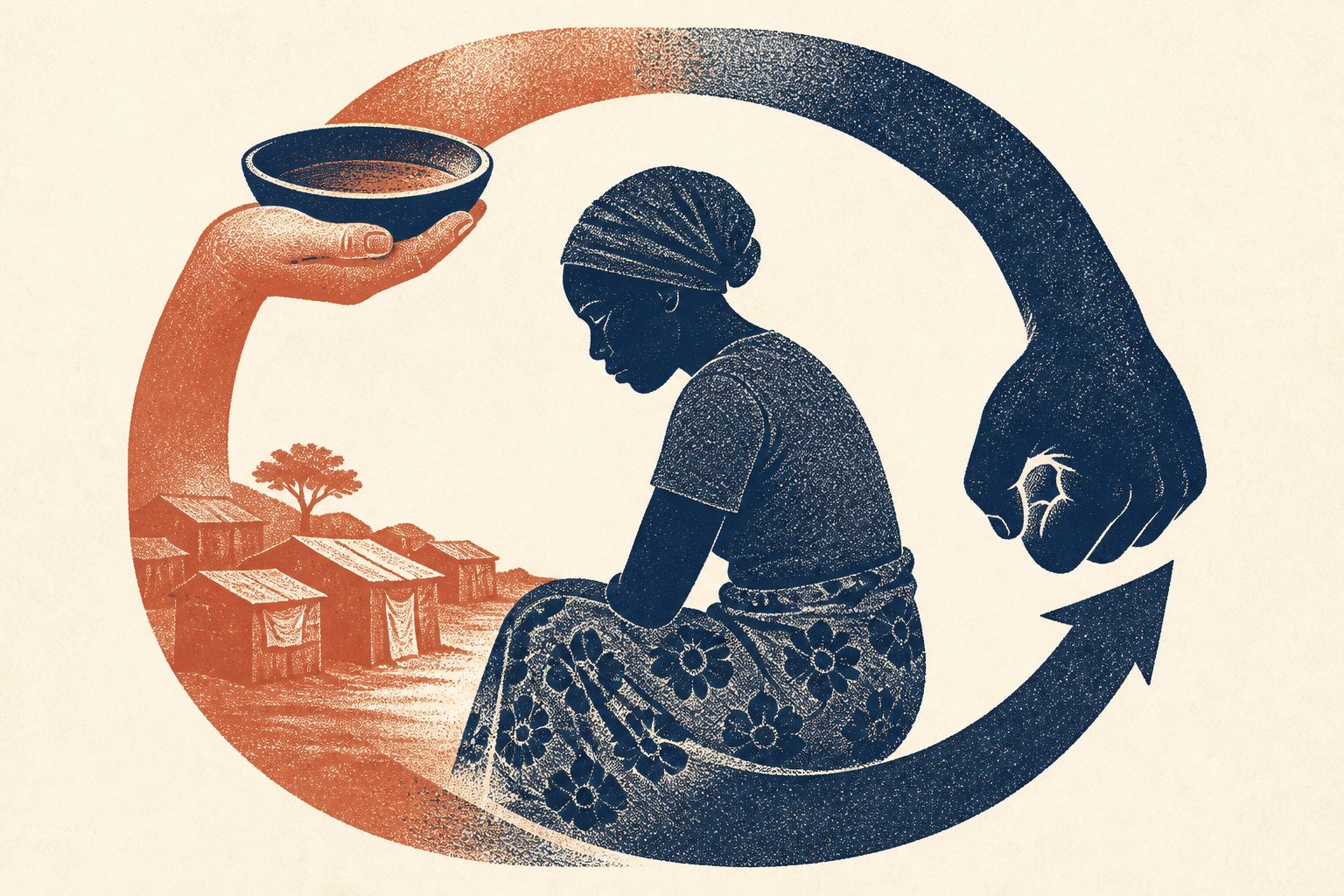
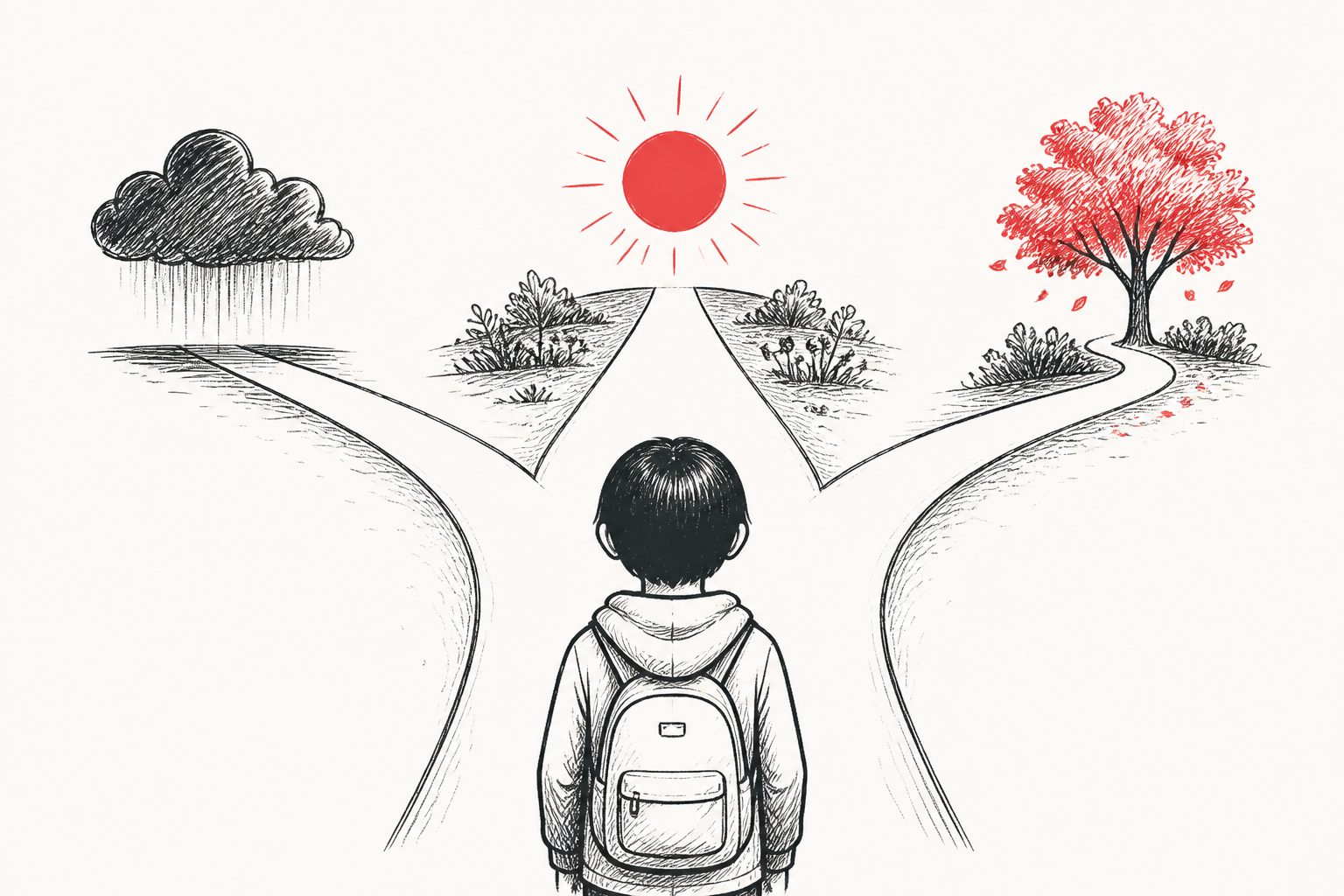
Abstract editorial illustration accompanying the article: How the Korean War derailed China’s plans to attack Taiwan

How the Korean War derailed China’s plans to attack Taiwan

A study of records from China, Taiwan, the United States and the former Soviet Union examines why the Chinese Communist Party’s plans to attack Taiwan in 1949–50 were never carried out. It argues that the Korean War was part of a broader Soviet shift that stopped indirect support for the operation and prompted the United States to change its policy toward Taiwan.

·37 views
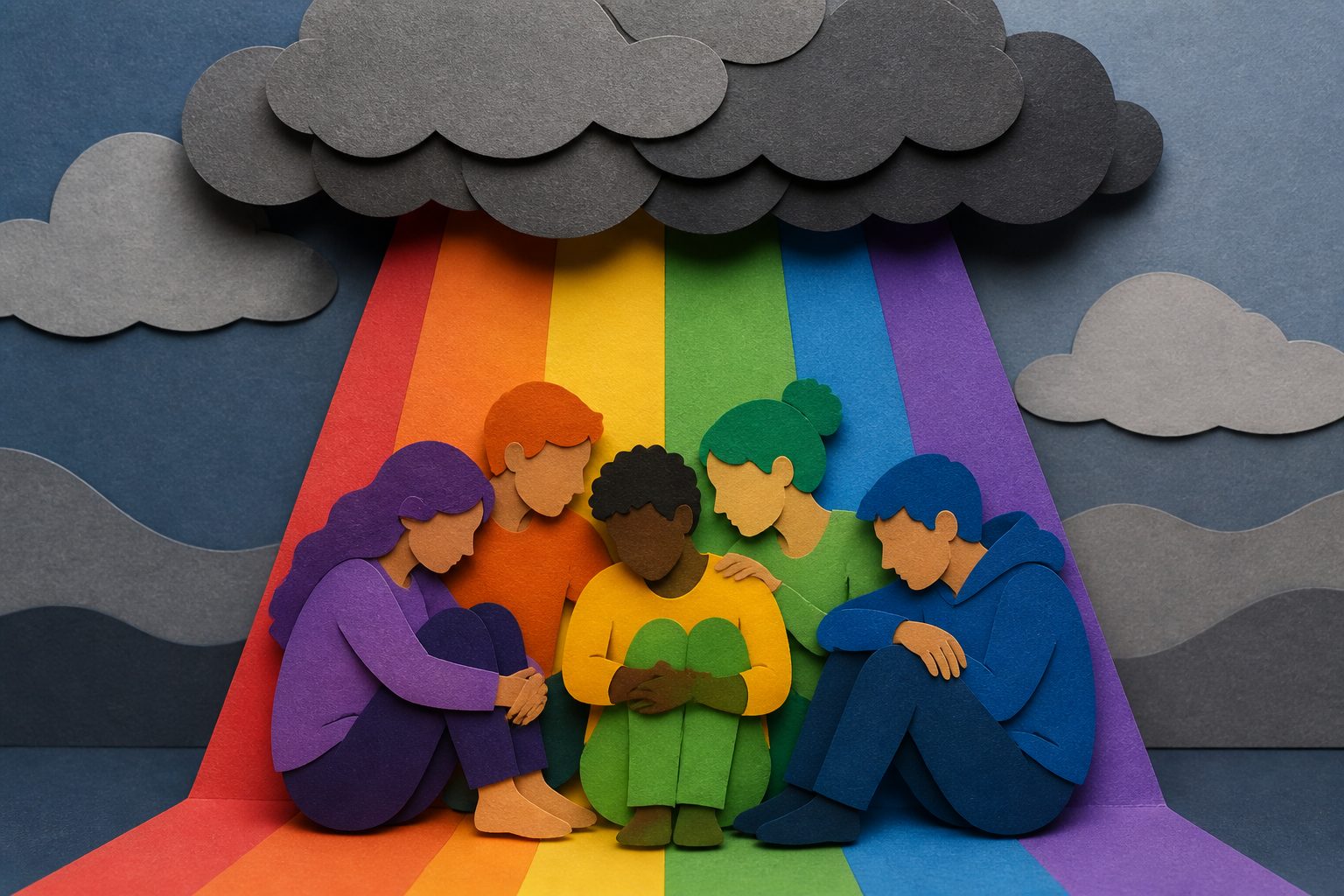
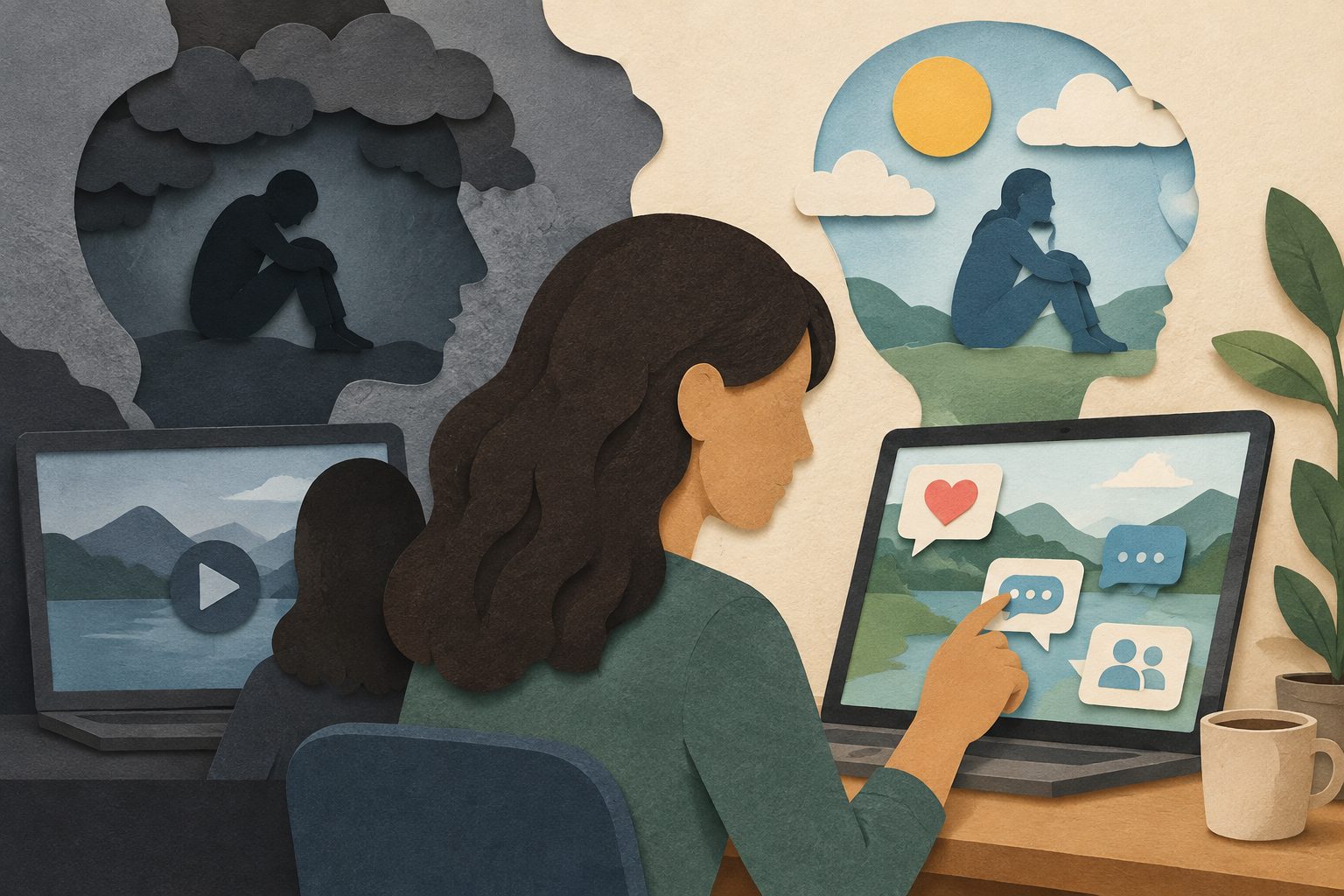
Abstract editorial illustration accompanying the article: Review finds higher depression and suicide risk among LGBTQIA+ people

Review finds higher depression and suicide risk among LGBTQIA+ people

An umbrella review of 22 systematic reviews found highly credible evidence of mental-health disparities affecting LGBTQIA+ populations. Compared with cisgender heterosexual people, lesbian, gay and bisexual populations had higher risks of depressive disorders and suicidal behavior, while bisexual people had higher odds of anxiety symptoms and non-suicidal self-injury than lesbian and gay people.

·36 views
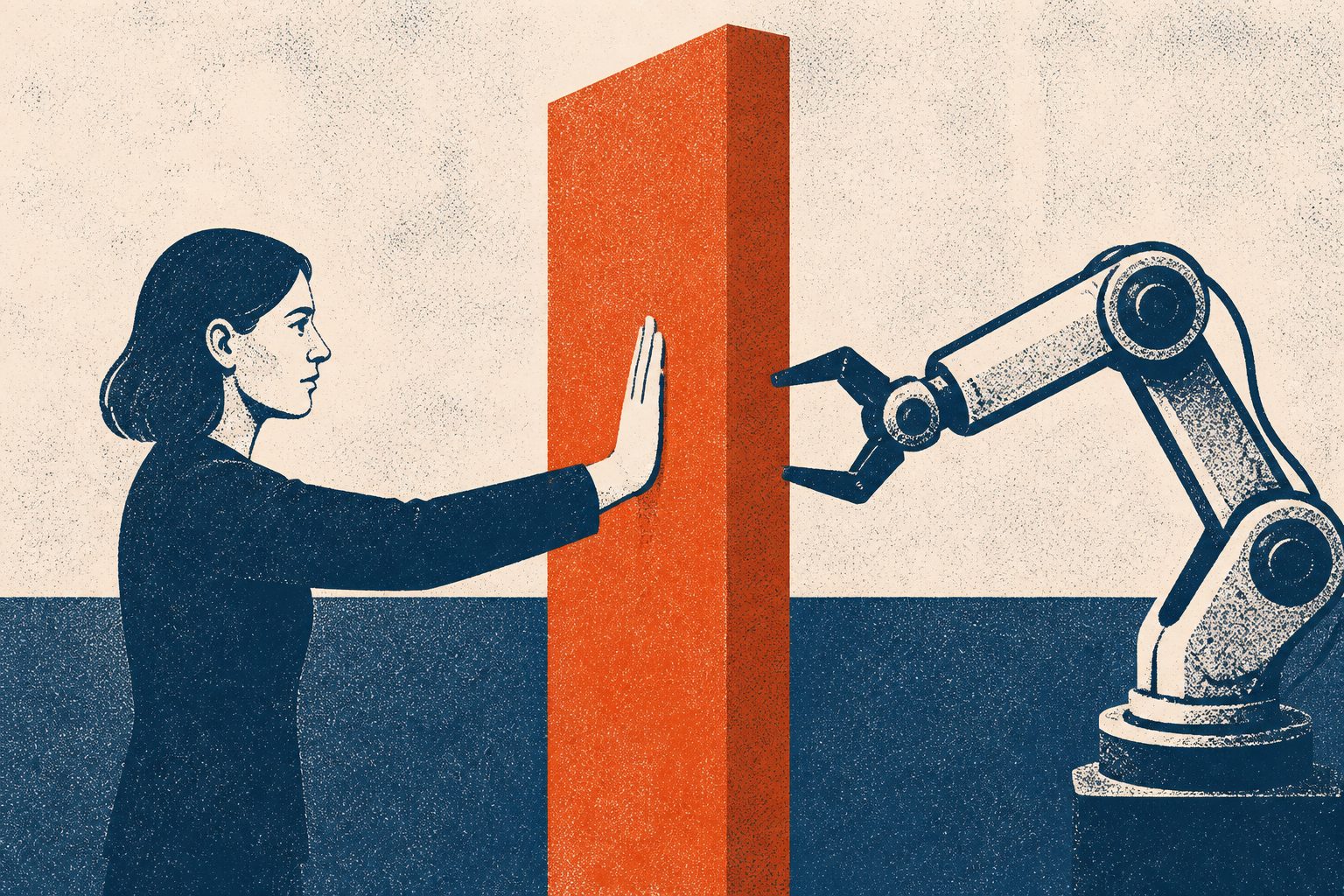
Abstract editorial illustration accompanying the article: Platform ratings and bonuses are tied to who sees work and earns

Platform ratings and bonuses are tied to who sees work and earns

A qualitative study of official documents from seven international and Turkish platforms found that ratings, scores, rankings and incentives form connected systems for managing workers. These systems are linked to visibility, access to jobs, rewards, income opportunities and the risk of losing access to platform work.

·59 views
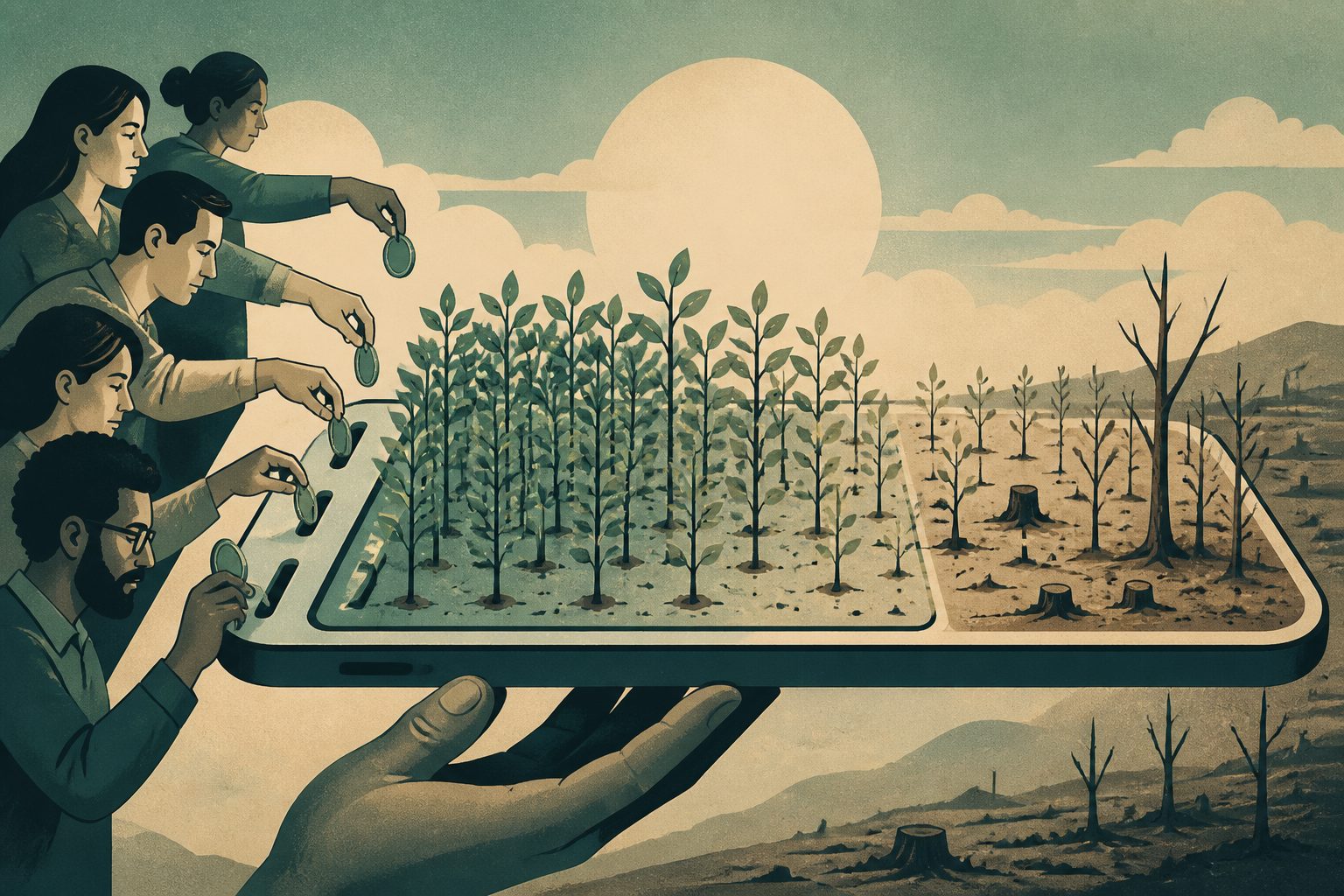
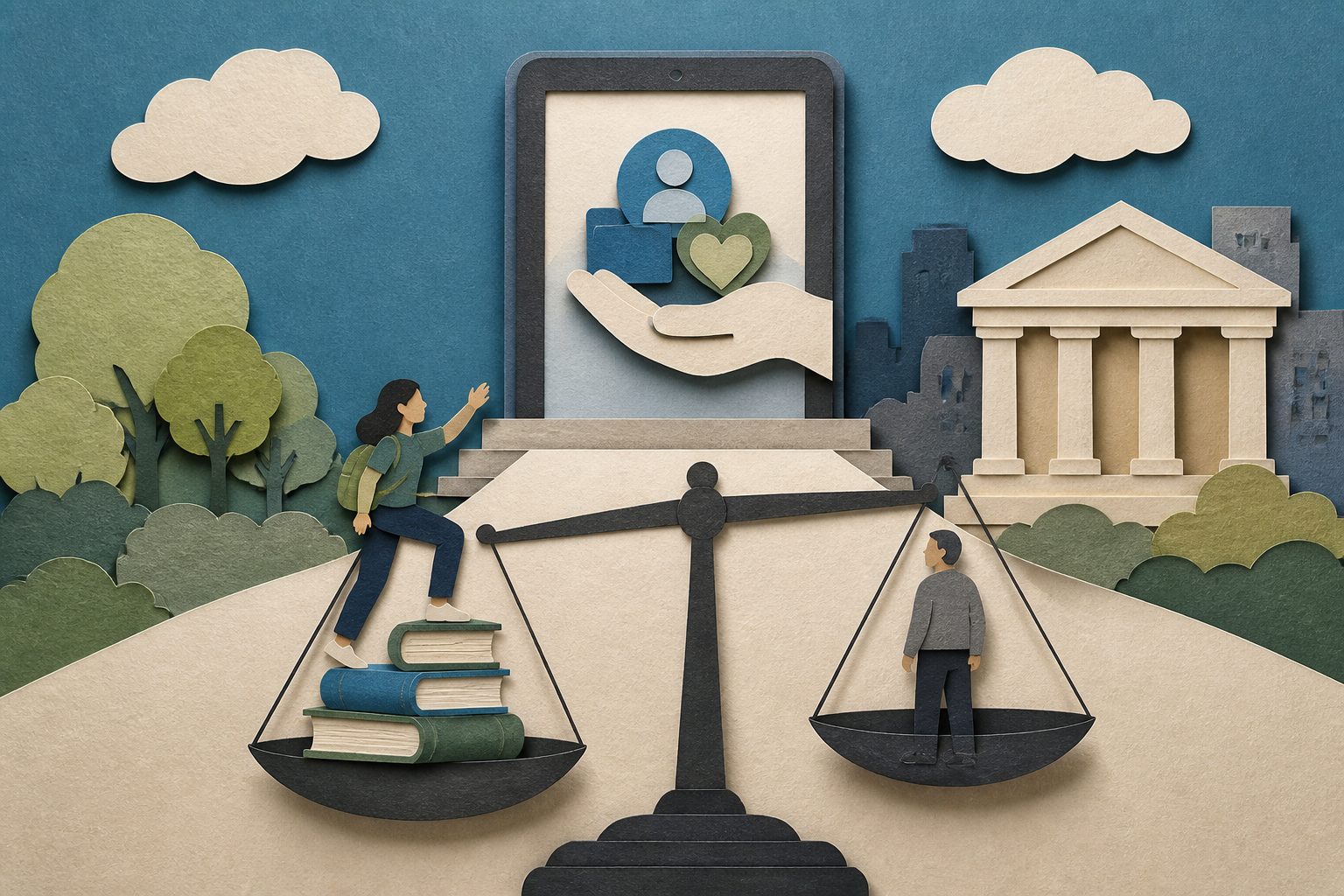
Abstract editorial illustration accompanying the article: When public services go digital, social rights can depend on digital skills

When public services go digital, social rights can depend on digital skills

A theory article proposes the concept of a “digital citizenship prerequisite” to describe how online public services may make access to social rights depend on people’s digital resources. It argues that this can weaken the welfare state’s universal reach in practice, especially for people with lower incomes, less education, older people and rural residents.

·29 views