Trial reports weight loss with a daily oral GLP-1 medicine over 16 weeks
In 250 adults in China, weight loss and some metabolic measures improved more with VCT220 than with placebo, but follow-up was short.
Moderate evidenceHuman studySome caution advised
Medical disclaimer: This article summarizes research findings and is for informational purposes only. It is not medical advice.
Editorial illustration — not from the study.
A randomized phase II trial in China tested VCT220, an oral medicine designed to activate the GLP-1 receptor, in adults with overweight or obesity. Participants received VCT220 or placebo once daily for 16 weeks while also receiving lifestyle counselling. The trial was double-blind, meaning participants and researchers generally did not know which treatment had been assigned during the study.
Average weight loss was greater with VCT220 than with placebo across the tested doses and titration schedules. The study also reported improvements in some blood-sugar and blood-pressure measurements. Gastrointestinal side effects were the most common adverse events and were mainly mild to moderate, especially while doses were being increased.
What was studied
Researchers conducted a multicenter, randomized, double-blind, placebo-controlled phase II trial at 13 sites in China. The study included 250 adults aged 18–75 years: 189 were assigned to once-daily VCT220 and 61 to placebo. Participants had either overweight, defined in this study as a body-mass index of 24–28 kg/m² plus at least one related health condition, or obesity, defined as a body-mass index of at least 28 kg/m². VCT220 was tested at 80 mg, 120 mg, and 160 mg, using slower or faster dose-increase schedules, alongside lifestyle counselling. The main outcome was percentage change in body weight after 16 weeks.
What the study found
After 16 weeks, mean body weight decreased by 5.75% with the 80 mg VCT220 regimen and by up to 9.73% with the 160 mg fast-titration regimen, compared with a 1.61% decrease with placebo. Across VCT220 groups, 55.4% to 90.3% of participants reached at least 5% weight loss, compared with 13.1% in the placebo group. The abstract also reports improvements in HbA1c, fasting insulin, and blood pressure, but it does not provide the numerical size of those changes. Adverse events were mainly mild-to-moderate gastrointestinal symptoms, most often during dose titration, and rarely caused participants to stop taking the study medicine. Because this was a controlled randomized trial, these differences may reflect an effect of VCT220, although the study's short duration and phase II design limit certainty about longer-term outcomes.
Who this is relevant to
The findings may apply to adults aged 18–75 years with overweight plus at least one related health condition, or with obesity, who are similar to participants at the 13 Chinese study sites. They do not establish effects for children, people outside the studied age and weight ranges, or people with substantially different health conditions. The study also does not show whether results continue beyond 16 weeks or apply to long-term health outcomes.
Why it matters
The findings indicate that an oral, nonpeptide GLP-1 receptor agonist can be evaluated in people with overweight or obesity and may produce greater short-term weight loss than placebo in this trial. They also provide early information about effects on selected metabolic measurements and about gastrointestinal side effects. However, this study does not establish long-term benefits, long-term safety, effects on major health events, or how VCT220 compares with other weight-management medicines. The results therefore support further research rather than providing a complete assessment of the medicine's role in care.
Limitations & evidence assessment
The study was relatively small, included 250 participants, took place at 13 sites in China, and lasted only 16 weeks. It tested several doses and titration schedules, but the abstract does not provide enough detail about participant dropouts, missing data, or how results may differ across subgroups. The placebo comparison and lifestyle counselling do not show how VCT220 compares with other available treatments. Longer-term weight change, safety, and effects on major cardiovascular or other health outcomes were not established; the researchers state that phase III evaluation is needed.
Why this evidence level: Clinical trial without confirmed randomization details in the available metadata.
Evidence levels are editorial estimates derived from study metadata — they are not clinical appraisals.
// Source
Signal Transduction and Targeted Therapy · 2026 · DOI: 10.1038/s41392-026-02859-2
This systematic review examined randomized human trials of concurrent chemotherapy and radiation for locally advanced head and neck, cervical, esophageal, and non-small-cell lung cancers. Across the included trials, combined treatment was reported to provide better overall survival than radiation alone, but it also caused more severe short-term side effects. The review did not provide enough information in its abstract to show how many trials or patients were included.
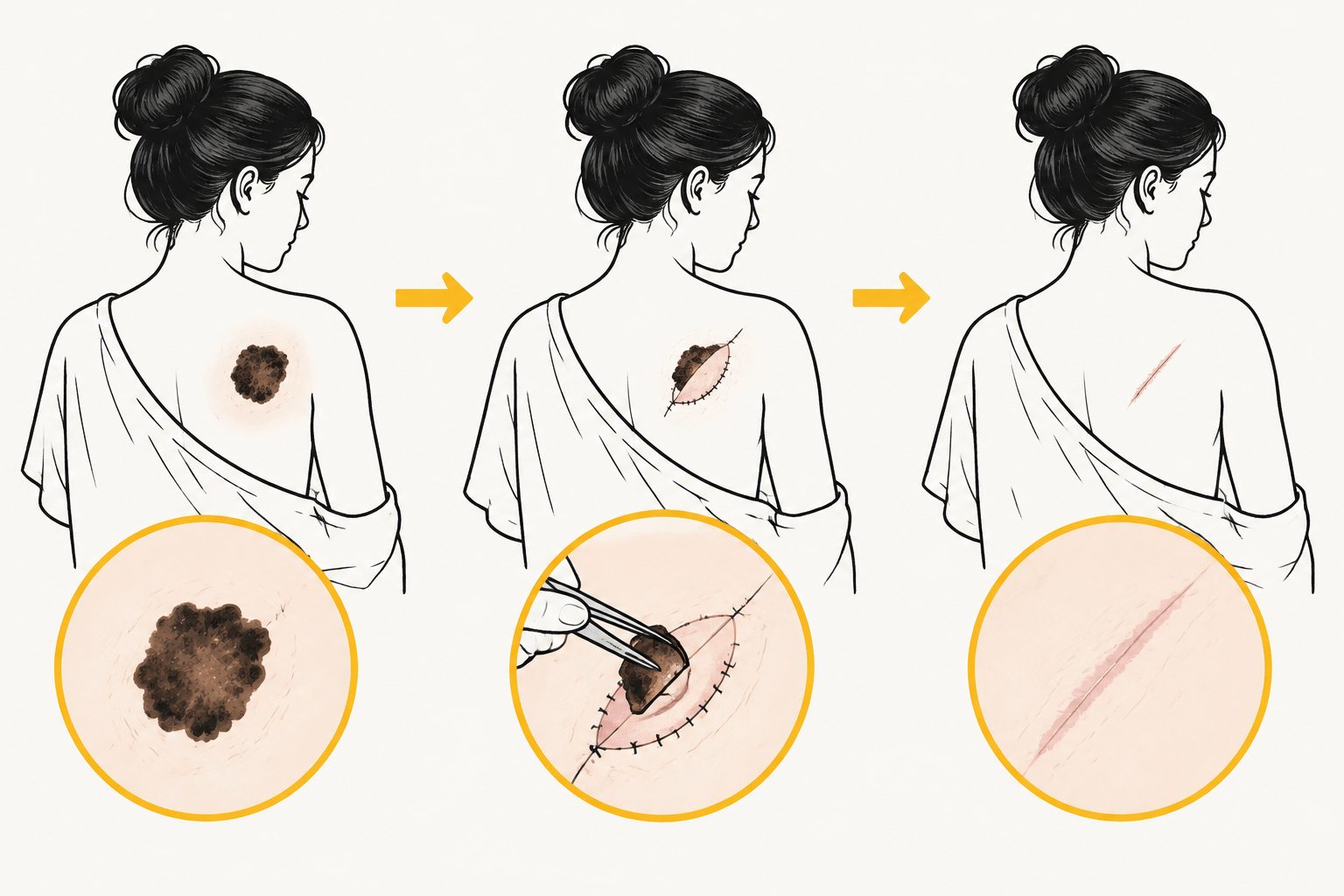
Researchers pooled results from seven human studies comparing multiple-staged with single-stage removal and reconstruction of congenital melanocytic nevi, sometimes called congenital moles. Staged surgery was associated with fewer major wound complications and recurrences, as well as slightly shorter and narrower scars, but the studies did not find a clear difference in cosmetic or overall patient satisfaction.
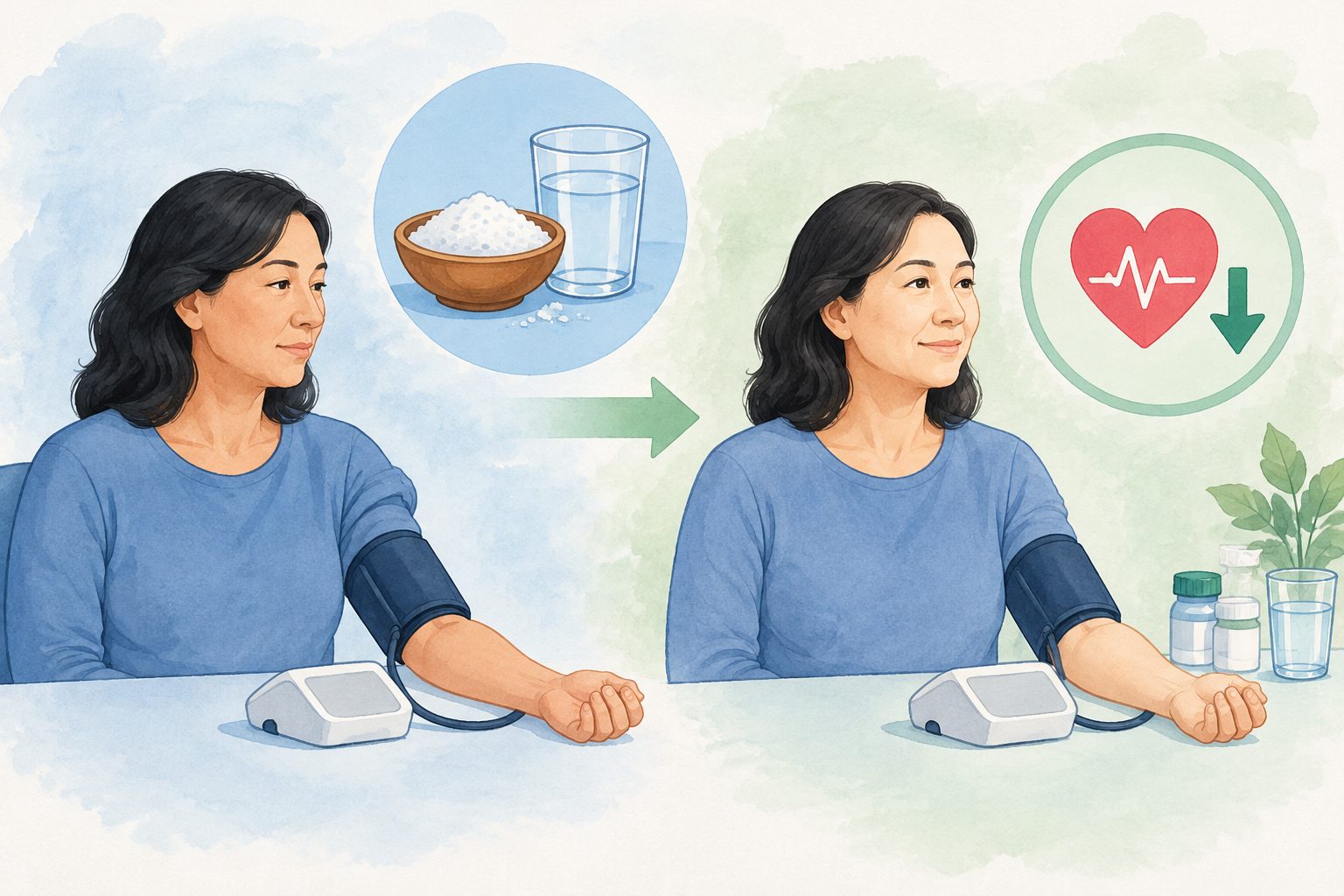
A cluster-randomized human study in 210 adults with recently detected stage 1 hypertension in Uzbekistan compared salt-sensitivity testing followed by assigned medication choices with conventional management. After 12 weeks, more participants in the testing-guided group reached the study's blood pressure target, although the study was small, short, and conducted in only three primary care centers.