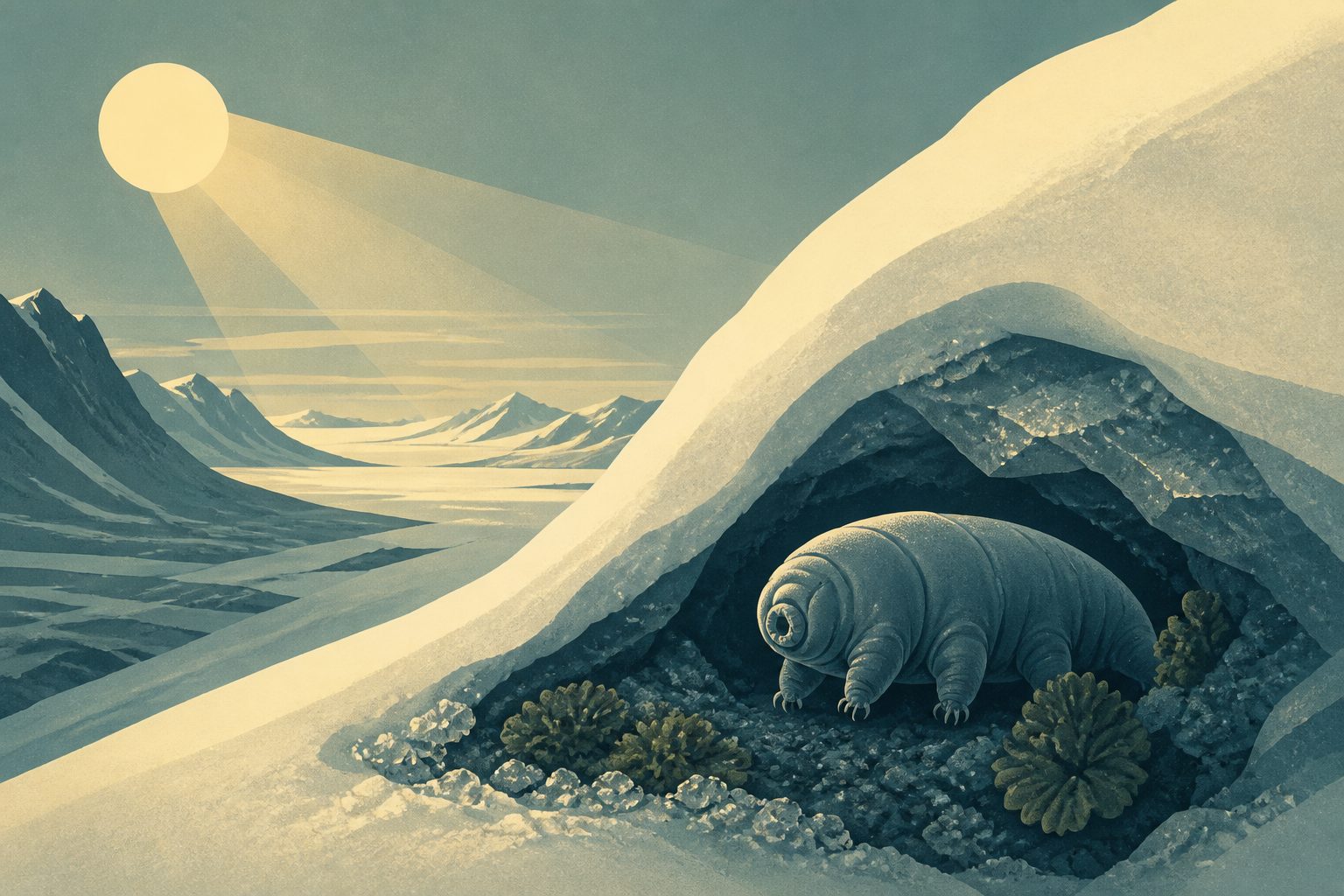
Snowfields and small glaciers may shelter tiny animals during warm periods
A survey across Europe, the Arctic and Alaska found tardigrades, rotifers and other invertebrates living in snow.
Editorial illustration — not from the study.
Researchers sampled snow from glacier surfaces and forefields, mountain valleys and slopes, and forest floors in the Pyrenees, the European Alps, Poland’s Tatra Mountains, the Baltic states, central Norway, Svalbard and Alaska between 2021 and 2025. They identified invertebrates using their physical features and DNA-based methods.
Tardigrades were found at every sampling locality, while tardigrades and rotifers were the most abundant groups. The study also found differences between animals living on glacial and non-glacial snow, including different rotifer species, and reported some species as new or possibly new to science.
Animals found in snow
The samples contained tardigrades, rotifers, nematodes, mites and springtails. Tardigrades occurred at all sampling localities, and tardigrades and rotifers were the most abundant groups. In the Tatra Mountains, Poland, tardigrades and rotifers reached about 7,600 individuals per liter of melted snow.
Some animals appeared typical of glacial ecosystems, including certain tardigrades, while others, such as some mites, were likely carried to snow by wind. The rotifers found on non-glacial snow belonged to different species from those found on glacier snow. The glacier tardigrade Fontourion glaciale was found on snow in Svalbard and the Tatra Mountains, and dark-pigmented tardigrades in the Pyrenees and Tatra Mountains represented the same species. Some specimens were identified as new or putatively new species.
Why these habitats matter
Conservation planning for snow and glacier ecosystems depends on knowing which species live there. The survey shows that glacial and non-glacial snow support partly different communities, and suggests that snowfields and glacierets—small, glacier-like ice bodies—could act as refuges for some cold-loving invertebrates during warm climatic periods, including summers in polar and high-mountain regions and periods between ice ages. These habitats may therefore need to be included in conservation efforts.
Evidence and limits
This was a field survey covering sites from several European regions, the Arctic and Alaska, with samples collected between 2021 and 2025. Researchers used both morphological identification and DNA-based approaches, providing a broad initial inventory of snow-dwelling invertebrates.
The study is described as a first assessment across latitudes. Its observations identify patterns in species composition and abundance, but the abstract does not report experiments testing whether snowfields or glacierets preserve populations through warmer periods. It also notes that some species are only putatively new, so their status requires further confirmation.
// Source
Biodiversity and Conservation · 2026 · DOI: 10.1007/s10531-026-03415-8
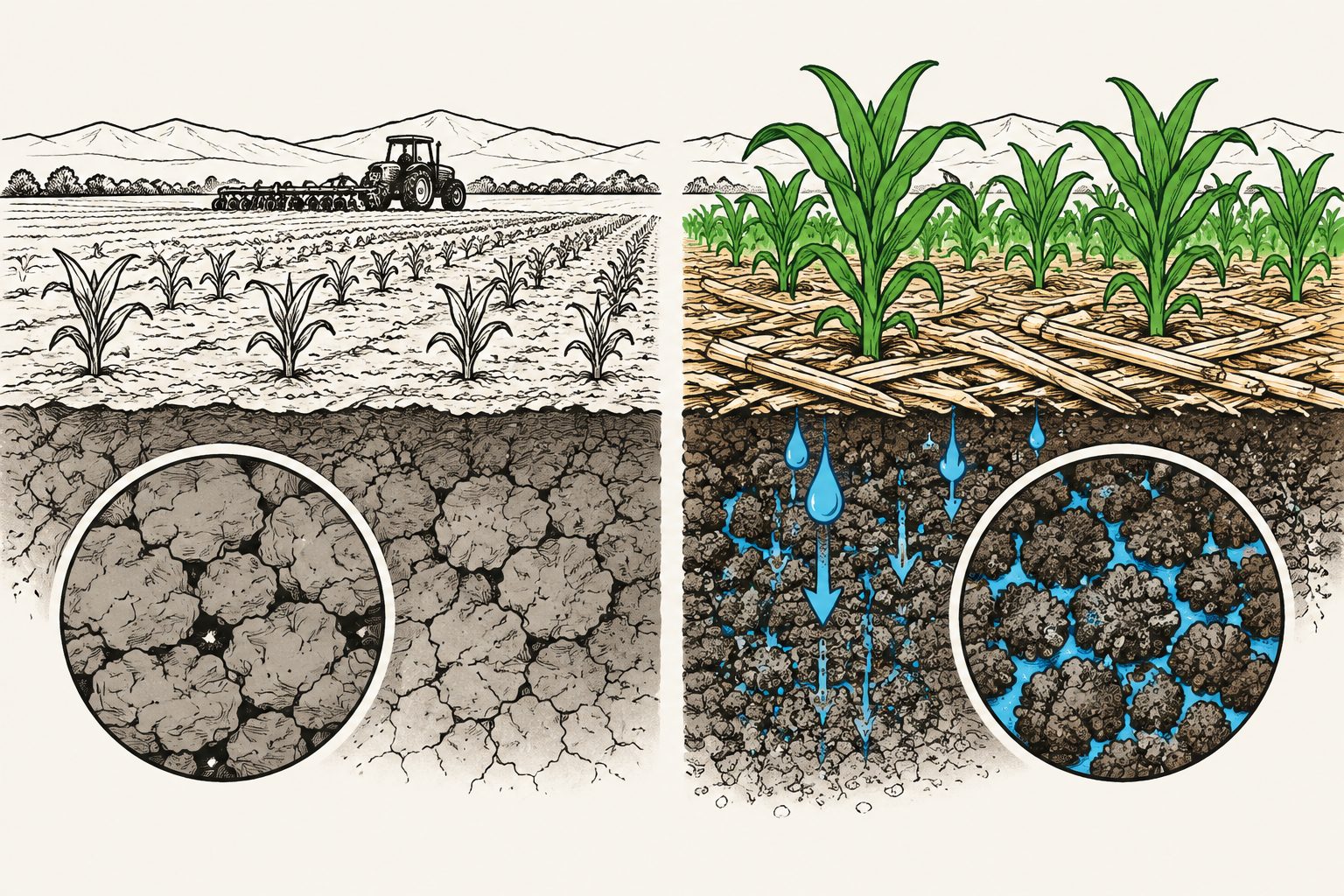
A 20-year comparison in California’s Central Valley found that reduced tillage with cover crops produced more stable soil aggregates, greater water retention and different forms of carbon protection than standard tillage without cover crops. The conservation system also retained room for additional carbon storage, although the study measured potential rather than future gains.
Human forebrain organoids classified artificial tactile Braille signals after a sensor converted the touch data into electrical stimulation. Accuracy averaged 61% with one organoid and rose to 83% when responses from three organoids were combined.
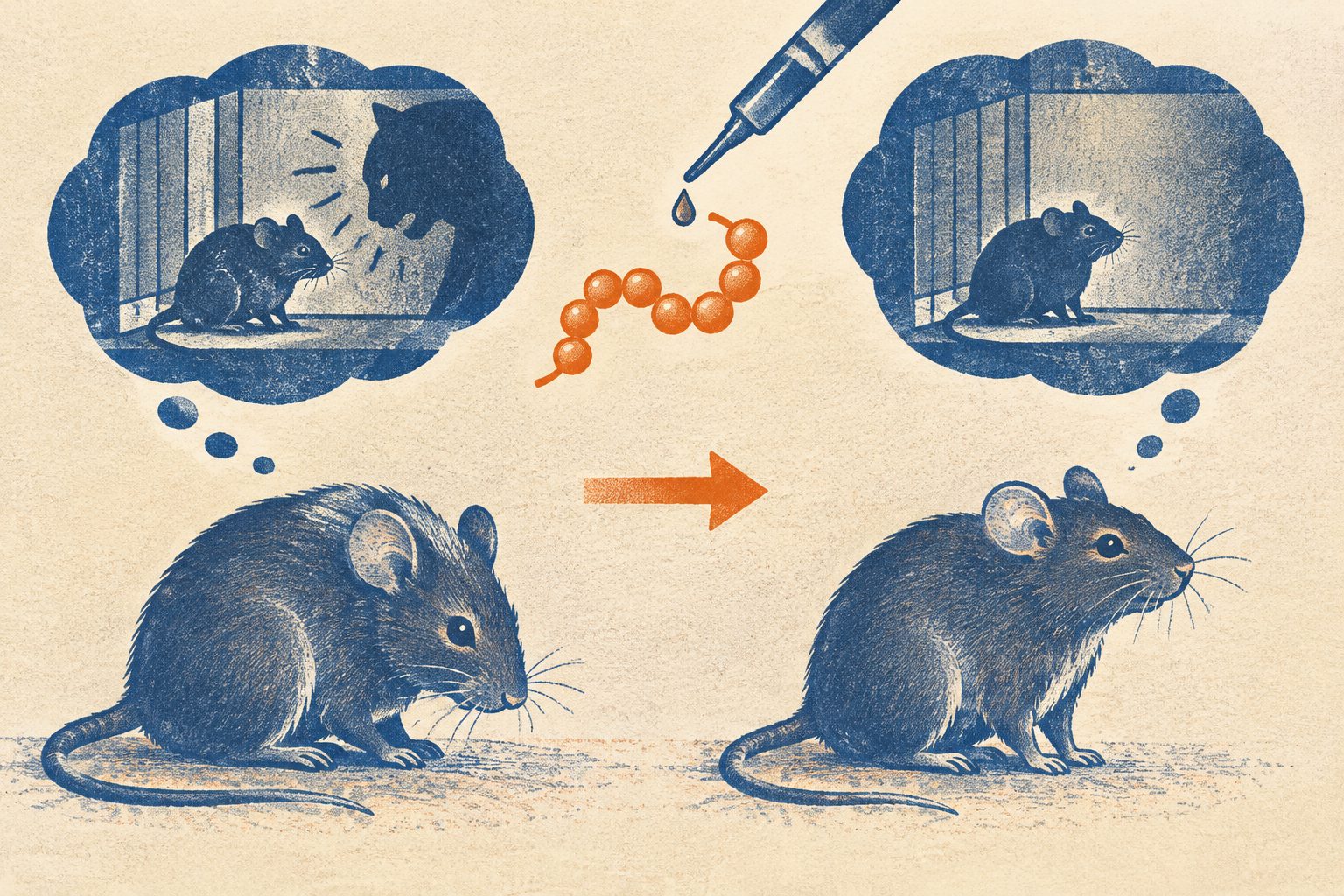
A study in mice found that a peptide targeting the memory-related protein CPEB3 reduced the persistence of traumatic memories and anhedonia, a loss of pleasure. The findings are an early genetic preclinical test of a possible approach for PTSD, not evidence of a treatment in people.