New analysis identifies risk factors for chronic kidney disease after unilateral kidney removal
Review of adult studies finds age, diabetes, lower kidney function before surgery, and radical surgery linked to higher risk.
High evidenceReviewSome caution advised
Medical disclaimer: This article summarizes research findings and is for informational purposes only. It is not medical advice.
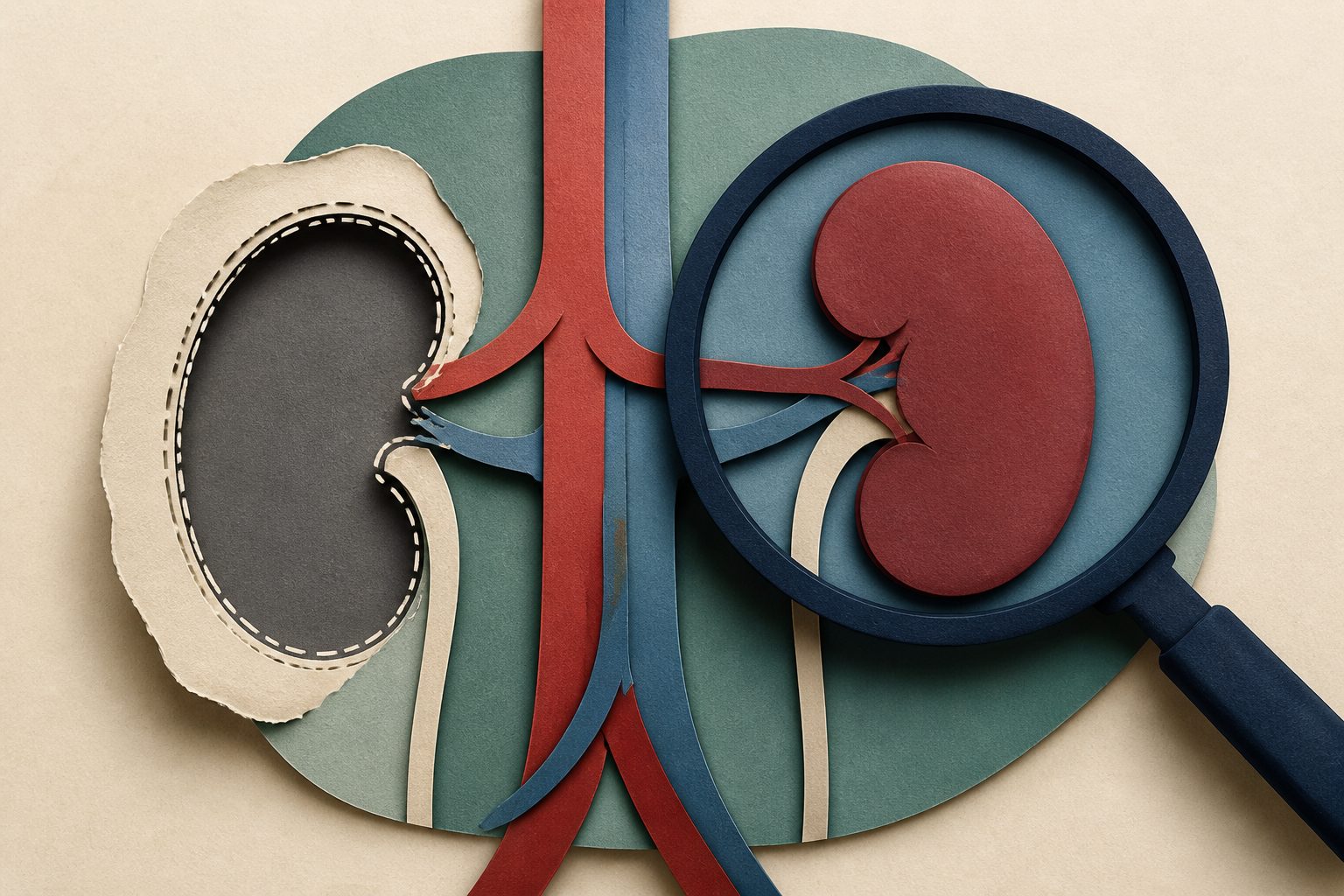
Editorial illustration — not from the study.
The review question was focused on which risk factors predict incident CKD after unilateral nephrectomy, including differences between radical and partial (nephron-sparing) approaches. The analysis looked across PubMed, Embase, Web of Science, and Google Scholar through January 2026.
Across the included studies, advanced age, male sex, diabetes, and markers of lower kidney function before surgery were associated with increased risk, while higher baseline eGFR was associated with reduced risk. The pooled results also suggested radical nephrectomy was linked to higher odds of CKD compared with partial nephrectomy, although publication bias was detected for certain variables.
The question reviewed
The researchers examined which factors are associated with incident (new) chronic kidney disease after unilateral nephrectomy. They included adult cohort studies of patients with preserved preoperative kidney function (eGFR ≥ 60 mL/min/1.73 m²), pooled 26 studies comprising 13,321 patients, and calculated pooled odds ratios using fixed- or random-effects models. They also performed subgroup, leave-one-out sensitivity, and publication-bias analyses; study quality was assessed using the Newcastle-Ottawa Scale.
What the review concluded
The meta-analysis reported significant associations with higher risk of postoperative incident CKD for: advanced age, male sex, diabetes mellitus, lower preoperative eGFR, higher preoperative serum creatinine, and radical nephrectomy. It also reported that higher baseline eGFR was associated with reduced risk. The abstract states that each one-year increase in age was associated with higher likelihood of CKD (adjusted OR = 1.05, 95% CI: 1.03–1.08), and that radical nephrectomy was associated with increased risk compared with partial nephrectomy (adjusted OR = 3.73, 95% CI: 2.27–6.13). Sensitivity analyses supported robustness of findings, but publication bias was detected for certain variables.
Who this may apply to
These findings apply most directly to adults undergoing unilateral nephrectomy who had preserved preoperative kidney function (eGFR ≥ 60 mL/min/1.73 m²), as studied across the included cohort studies. The results may not generalize to people with worse baseline kidney function, children, or other surgical settings not represented in the review. Because this is a review of observational studies, it indicates associations with incident CKD rather than guidance or confirmation of what will happen for any individual patient.
The significance
Because unilateral nephrectomy is performed for kidney tumors and living kidney donation, understanding which factors are associated with later CKD can help inform how clinicians and researchers think about risk stratification and follow-up needs. This study synthesizes human observational data, but it does not itself establish that any risk factor causes CKD.
Limitations & evidence assessment
Key limitations include that the included evidence comes from adult cohort (observational) studies, so associations may reflect confounding rather than cause-and-effect. Publication bias was detected for certain variables, which can over- or under-estimate true associations. The abstract does not describe the length of follow-up after surgery, the precise definitions of “incident CKD,” or how consistently risk factors and outcomes were measured across studies, so comparability may be limited. While the abstract mentions sensitivity analyses and study-quality assessment, it provides limited detail on which specific studies contributed most or how definitions varied.
Why this evidence level: Meta-analysis pooling multiple studies sits at the top of common evidence hierarchies.
Evidence levels are editorial estimates derived from study metadata — they are not clinical appraisals.
This systematic review examined randomized human trials of concurrent chemotherapy and radiation for locally advanced head and neck, cervical, esophageal, and non-small-cell lung cancers. Across the included trials, combined treatment was reported to provide better overall survival than radiation alone, but it also caused more severe short-term side effects. The review did not provide enough information in its abstract to show how many trials or patients were included.
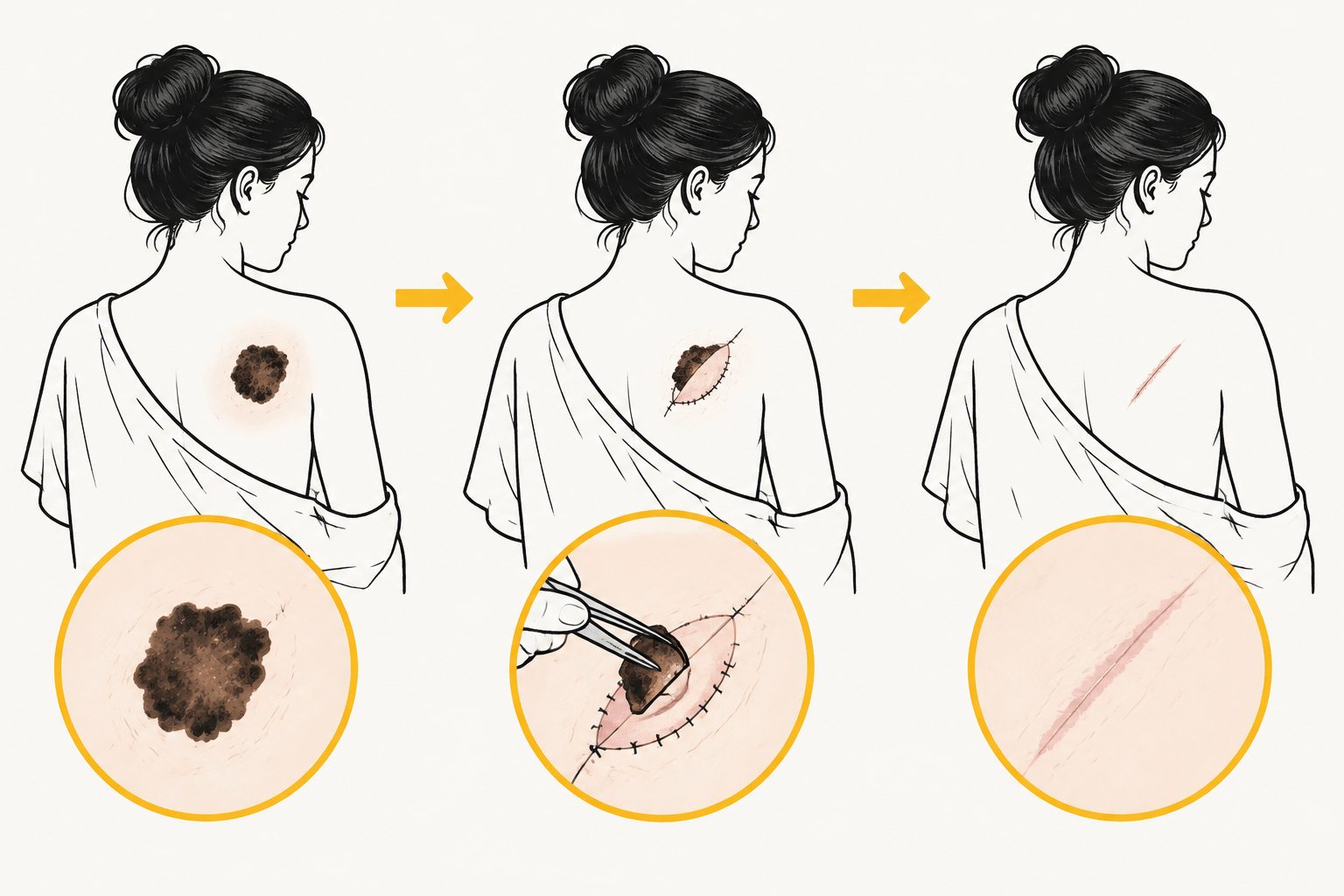
Researchers pooled results from seven human studies comparing multiple-staged with single-stage removal and reconstruction of congenital melanocytic nevi, sometimes called congenital moles. Staged surgery was associated with fewer major wound complications and recurrences, as well as slightly shorter and narrower scars, but the studies did not find a clear difference in cosmetic or overall patient satisfaction.
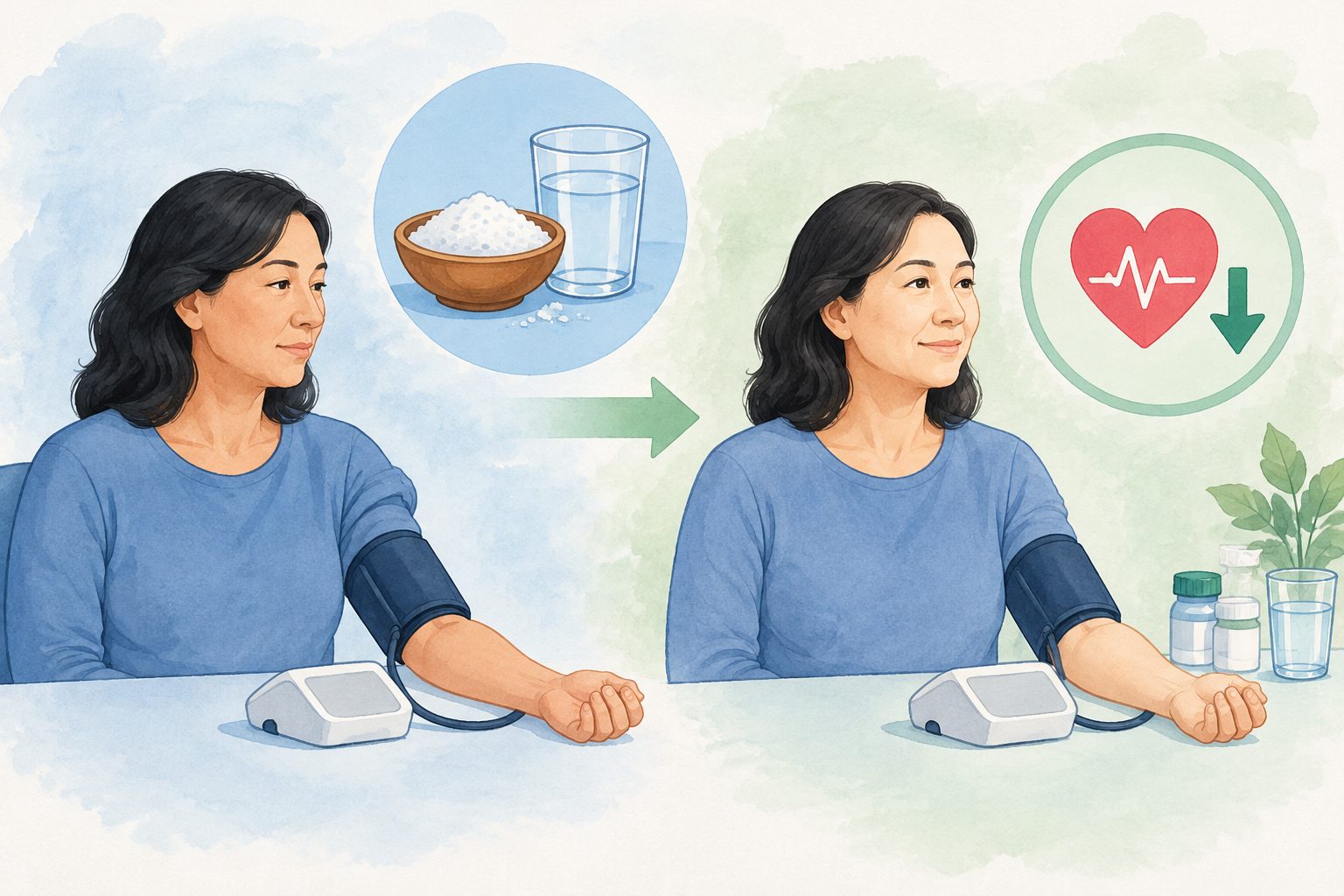
A cluster-randomized human study in 210 adults with recently detected stage 1 hypertension in Uzbekistan compared salt-sensitivity testing followed by assigned medication choices with conventional management. After 12 weeks, more participants in the testing-guided group reached the study's blood pressure target, although the study was small, short, and conducted in only three primary care centers.