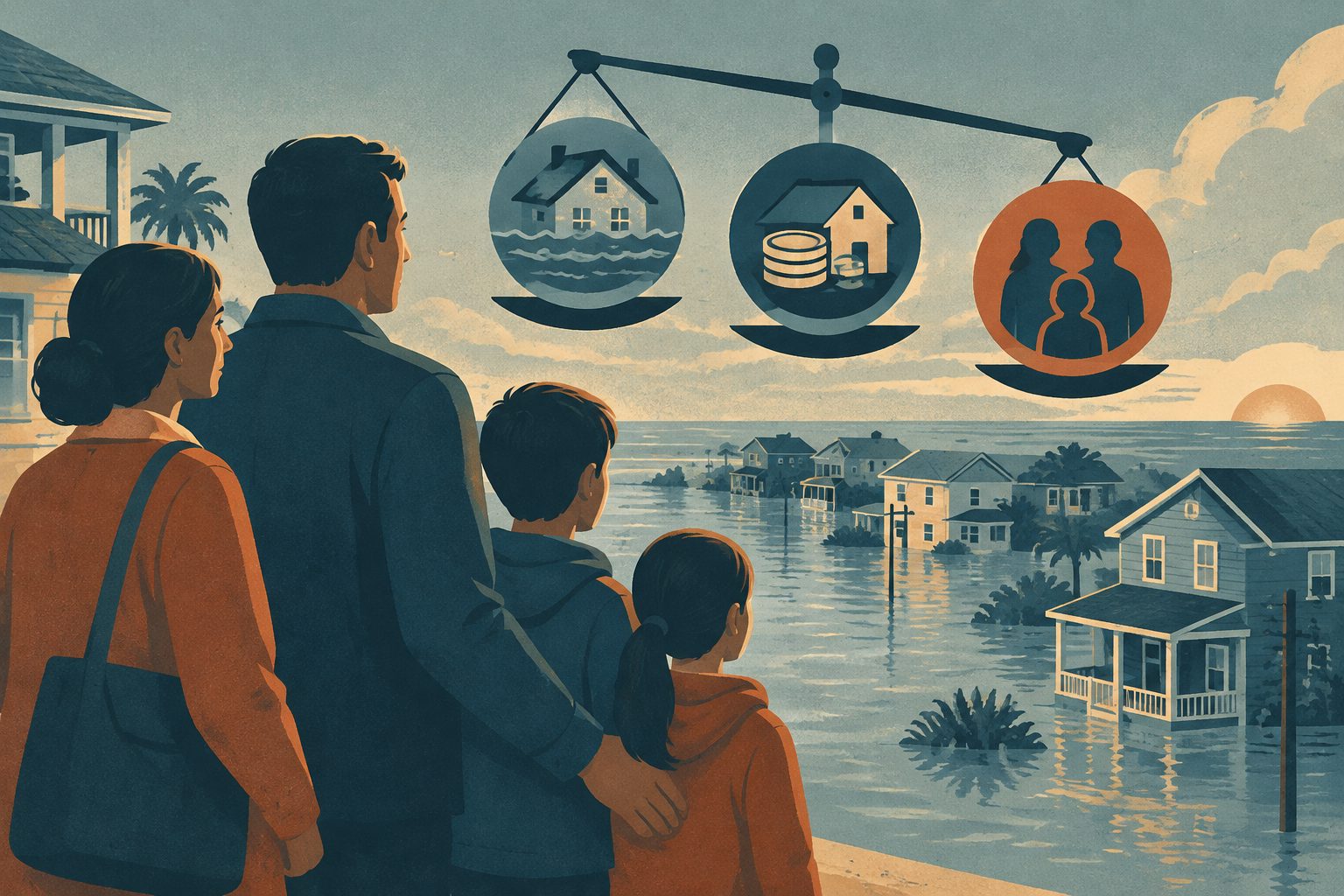
The modelling suggests that curbing high consumption in affluent regions could reduce pressure on technology-led emissions cuts while supporting decent living standards worldwide.
A modelling analysis examined how consumption levels, carbon prices and the distribution of income affect efforts to limit global warming to 1.5 °C. It compared pathways in which consumption is lower or higher and in which incomes become more similar between regions.
The lower-consumption pathways produced substantially less warming across different carbon-price paths. By contrast, bringing incomes between regions closer together had only a small effect on global temperature in the scenarios, although the authors say it could support more equitable living standards.
What the scenarios showed
The researchers used a modified integrated assessment model to explore combinations of per-person consumption, climate-policy stringency, carbon prices and equity. Across the scenarios, lower-consumption futures were associated with 0.3–1.1 °C less warming than high-consumption futures, depending on the carbon-price pathway.
Global convergence of incomes between regions had a comparatively small effect on global temperature: less than plus or minus 0.1 °C in the scenarios. The authors identify reducing high per-person consumption in high-income regions as a primary lever for pursuing equitable and decent living standards while meeting climate targets.
// Source
Nature Communications · 2026 · DOI: 10.1038/s41467-026-75815-x
Authors: Mengyu Li, Jarmo Kikstra, Lorenz Keyßer, Jason Hickel, Keywan Riahi, Manfred Lenzen
Institutions: The University of Sydney, Imperial College London, International Institute for Applied Systems Analysis, UNSW Sydney, Universitat Autònoma de Barcelona, Institució Catalana de Recerca i Estudis Avançats, University of Lausanne