In male service members, higher pre-deployment antibody levels were associated with lower depression and PTSD symptoms after combat deployment.
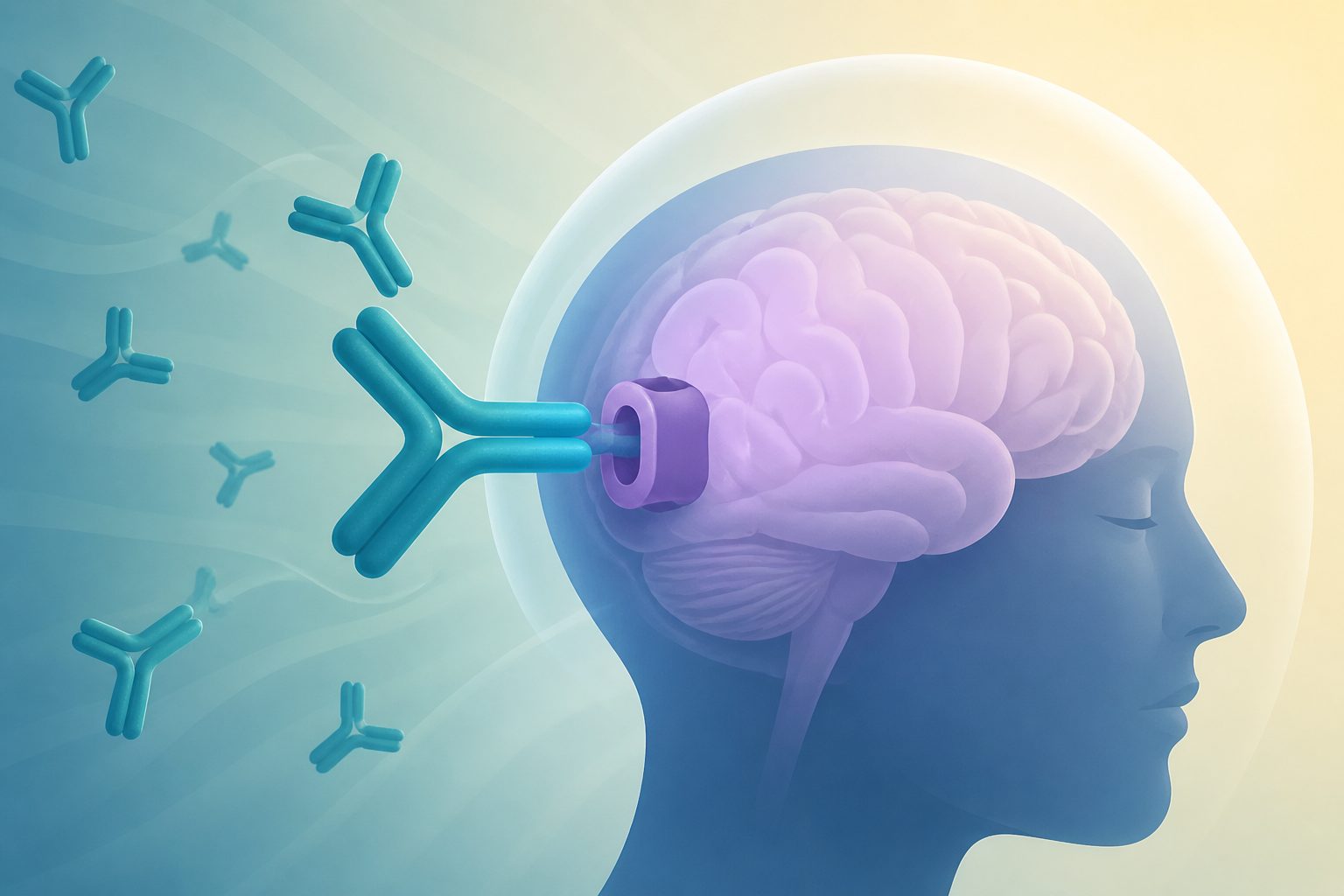
Researchers measured blood levels of natural antibodies against the N-methyl-D-aspartate receptor 1, a receptor involved in brain signaling, in 1,025 male service members before combat deployment. The group included 606 people with a history of traumatic brain injury and 419 without one; researchers then assessed depression, post-traumatic stress and anxiety symptoms after deployment.
Among participants with traumatic brain injury, higher antibody levels were associated with lower predicted depression and post-traumatic stress symptoms, but not anxiety symptoms. Participants in the highest antibody-level group also had lower reported use of psychiatric medication and lower odds of moderate-to-severe depression symptoms.
What the antibodies were linked to
A history of traumatic brain injury was associated with higher predicted depression, post-traumatic stress and anxiety symptoms after combat deployment. Among service members with traumatic brain injury, higher pre-deployment levels of natural anti-NMDAR1 antibodies were modestly but significantly associated with lower predicted depression symptoms (p = 0.0008) and post-traumatic stress symptoms (p = 0.0075). There was no significant association with anxiety symptoms.
Compared with the rest of the traumatic brain injury group, participants in the highest antibody-level quartile had predicted post-traumatic stress scores that were 22% lower, or about 4 points, and predicted depression scores that were 25% lower, or about 2 points. They also had lower overall use of psychiatric medication (p = 0.006) and lower odds of reporting moderate-to-severe depression symptoms (odds ratio 0.14, 95% confidence interval 0.01–0.69, p = 0.014).
Why the finding matters
The findings identify natural antibodies against a brain receptor as a possible biological factor associated with resilience to depression and post-traumatic stress symptoms after traumatic brain injury. They could help researchers investigate why people with similar injuries have different psychiatric outcomes.
The study does not establish that the antibodies cause protection. The researchers say future studies should determine whether these antibodies reach the brain and can suppress excessive glutamate signaling associated with traumatic brain injury, and whether the findings apply to other populations.
// Source
Molecular Psychiatry · 2026 · DOI: 10.1038/s41380-026-03883-y
Authors: Melonie N. Vaughn, Dean T. Acheson, Susan B. Powell, Jenna M. DeWit, Kate A. Yurgil, Caroline M. Nievergelt, Dewleen Baker, Victoria B. Risbrough, Xianjin Zhou
Institutions: University of California San Diego, VA San Diego Healthcare System, Loyola University New Orleans