Psychology · Clinical Psychology

Posttraumatic Stress Disorder Research

Log in to follow
Abstract editorial illustration accompanying the article: A peptide reduced persistent traumatic memories in mice

A peptide reduced persistent traumatic memories in mice

A study in mice found that a peptide targeting the memory-related protein CPEB3 reduced the persistence of traumatic memories and anhedonia, a loss of pleasure. The findings are an early genetic preclinical test of a possible approach for PTSD, not evidence of a treatment in people.

·4 views

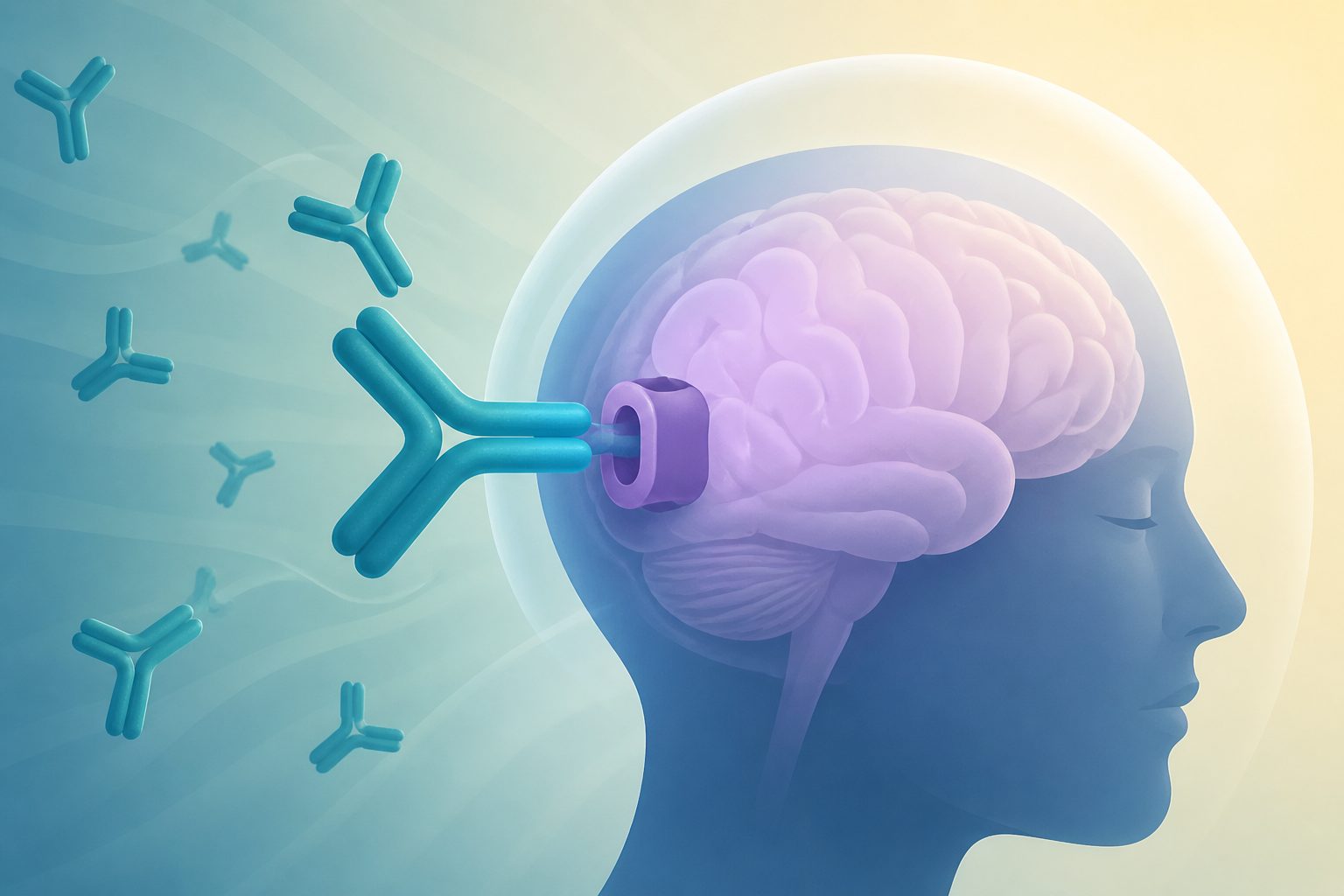
Abstract editorial illustration accompanying the article: Antibodies against a brain receptor linked to fewer symptoms after brain injury

Antibodies against a brain receptor linked to fewer symptoms after brain injury

A study of male active-duty service members found that higher levels of natural antibodies targeting a brain receptor were associated with fewer depression and post-traumatic stress symptoms after traumatic brain injury. The antibodies were not associated with lower anxiety symptoms, and the findings do not show that they prevent psychiatric symptoms.

·42 views
Abstract editorial illustration accompanying the article: When disaster news helps or harms older adults’ preparedness

When disaster news helps or harms older adults’ preparedness

A narrative review in Discover Public Health examines how crisis media exposure affects older adults’ thinking, emotions, and disaster preparedness. The authors report that trusted, step-by-step information can support planning, while repeated graphic coverage and misinformation can increase stress and promote more viewing despite distress.

·55 views
Abstract editorial illustration accompanying the article: War-zone webinars trained child mental-health staff across Ukraine

War-zone webinars trained child mental-health staff across Ukraine

A new report in European Child & Adolescent Psychiatry describes how webinar training helped build child mental-health skills during the war in Ukraine. The ESCAP-Ukraine initiative reached 10,489 unique participants across the country, including frontline areas, and supported broader efforts to integrate child psychiatry into care and community services.

·52 views