New analysis finds fewer broad antibiotics after tooth-extraction guidelines in Japan
Claims data linked guideline changes with lower use of third-generation cephalosporins and lower antibiotic costs, while infection rates did not change.
Moderate evidenceHuman studySome caution advised
Medical disclaimer: This article summarizes research findings and is for informational purposes only. It is not medical advice.
Editorial illustration — not from the study.
The study examined whether guidelines favoring amoxicillin over third-generation cephalosporins for preventive antibiotic use during tooth extraction were followed by changes in prescribing, surgical-site infection rates, and antibiotic costs. Researchers compared trends before and after guideline changes in December 2014 and April 2016, using insurance claims from Japan.
Use of third-generation cephalosporins declined overall. The reduction began in hospitals after the 2014 guidance and became greater after the 2016 guidance in hospitals that had both infection-control departments and ward pharmacists. A decline began later in dental clinics. Infection rates stayed unchanged, while antibiotic costs decreased over time. The study does not establish that the guidelines alone produced these changes.
What was studied
Researchers used a Japanese health-insurance claims database covering dental visits for tooth extractions from April 2012 through March 2024 among people aged 75 or younger. They conducted an interrupted time-series analysis, a method that compares trends before and after a defined event, to examine the effects associated with antibiotic guidelines issued in December 2014 and April 2016. The analysis assessed use of third-generation cephalosporins, movement toward amoxicillin, surgical-site infection rates, antibiotic costs, and whether prescriptions were issued inside or outside hospitals. Results were also compared across facility types and according to whether hospitals had infection-control departments and ward pharmacists. The abstract does not report the total number of people or dental visits included.
Key observations
Overall, use of third-generation cephalosporins, measured as days of therapy, decreased during the study period. After the 2014 guideline, use decreased in hospitals but not in dental clinics. After the 2016 guideline, use fell further in hospitals that had both infection-control departments and ward pharmacists, and a decline began in dental clinics. Hospitals with infection-control departments alone did not show a change after the 2016 guideline. The shift toward amoxicillin was more apparent for prescriptions filled outside hospitals than for prescriptions given within hospitals. Surgical-site infection rates did not change, while antibiotic costs decreased significantly over time. These are associations in claims data; the abstract does not show that the guidelines directly caused every change.
Who this is relevant to
These findings may be most relevant to dental clinics and hospitals in Japan caring for people aged 75 or younger who undergo tooth extraction, particularly facilities with infection-control departments and ward pharmacists. They may not apply directly to older adults, people with different medical conditions, other countries, or healthcare systems with different prescribing practices. The results describe population-level trends and do not determine what is appropriate for any individual patient or procedure.
Why it matters
The findings suggest that antibiotic guidance may be associated with changes in prescribing and lower antibiotic costs without a detected increase in surgical-site infections in this dataset. They also suggest that the effect differed by facility type and may have been greater where infection-control staff and ward pharmacists worked together. The results may be relevant to efforts to understand antibiotic use around dental procedures, but they do not determine whether the same patterns would occur in other countries, healthcare systems, age groups, or patient populations.
Limitations & evidence assessment
The study was observational and had no randomized comparison group, so changes in prescribing or infection rates could also reflect other policies, staffing changes, changes in patient mix, or broader trends during 2012–2024. Claims data may not contain all clinical details needed to assess infection risk, the reason an antibiotic was prescribed, or whether patients actually took it. The abstract does not provide the sample size, detailed patient characteristics, the length of follow-up for each patient, or the specific statistical estimates and uncertainty ranges. It also reports results for people aged 75 or younger in Japan, which limits how broadly the findings can be applied. Although infection rates were unchanged, the study cannot establish that antibiotic reduction was risk-free for every individual.
Why this evidence level: This was a large health-insurance claims analysis of people undergoing tooth extraction, using an interrupted time-series design to compare patterns before and after guideline changes. Because it was not a randomized trial, other changes over time could have contributed to the findings, so it shows associations rather than definite cause and effect.
Evidence levels are editorial estimates derived from study metadata — they are not clinical appraisals.
// Source
Journal of Hospital Infection · 2026 · DOI: 10.1016/j.jhin.2026.08.004
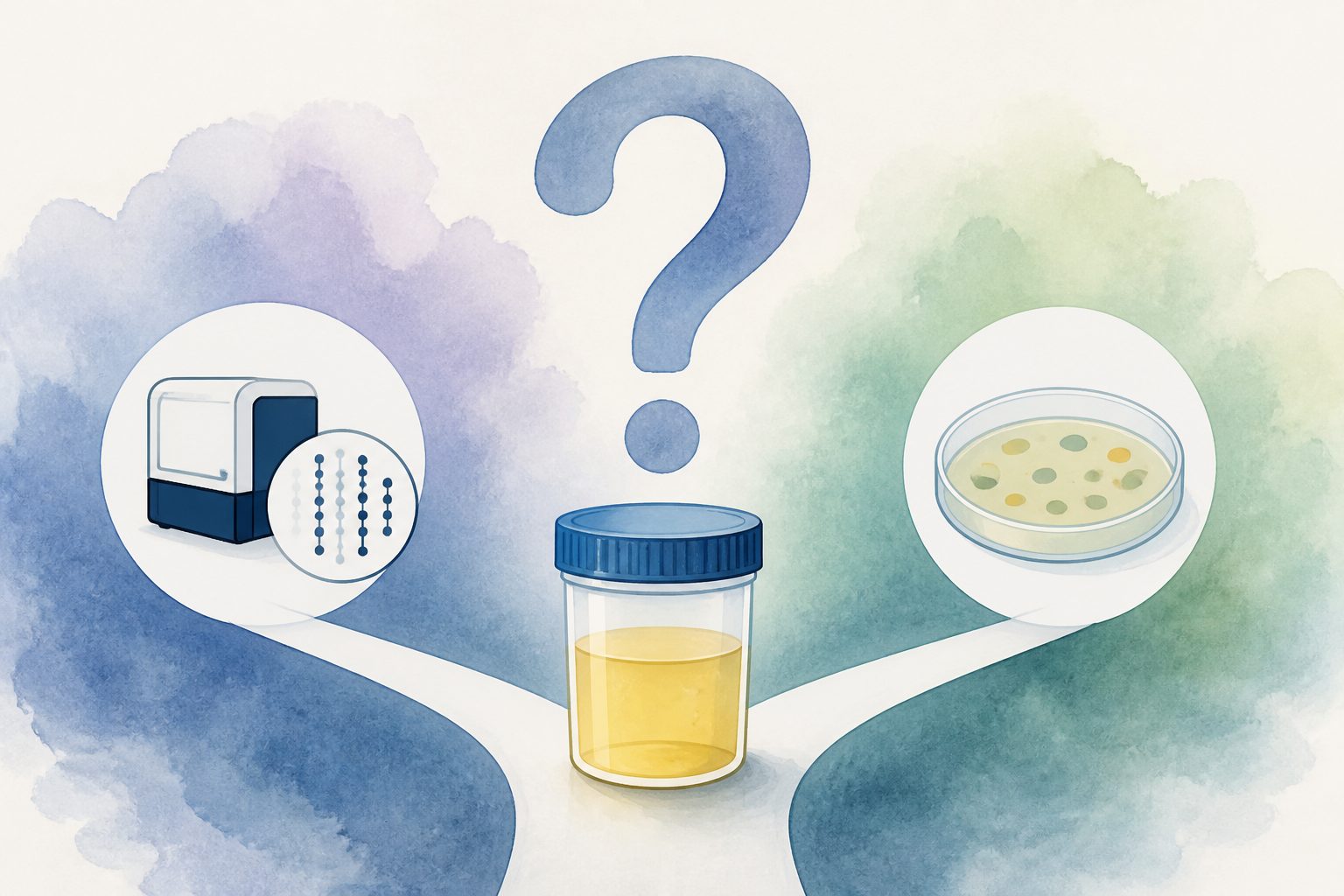
A systematic review examined 12 studies of molecular tests for urinary tract infections in adults, including two randomized trials with 830 participants. The review found that PCR-based tests were more sensitive than standard urine cultures and were linked with short-term symptom improvement in both trials, but the tests were less specific and the overall clinical evidence remains limited.
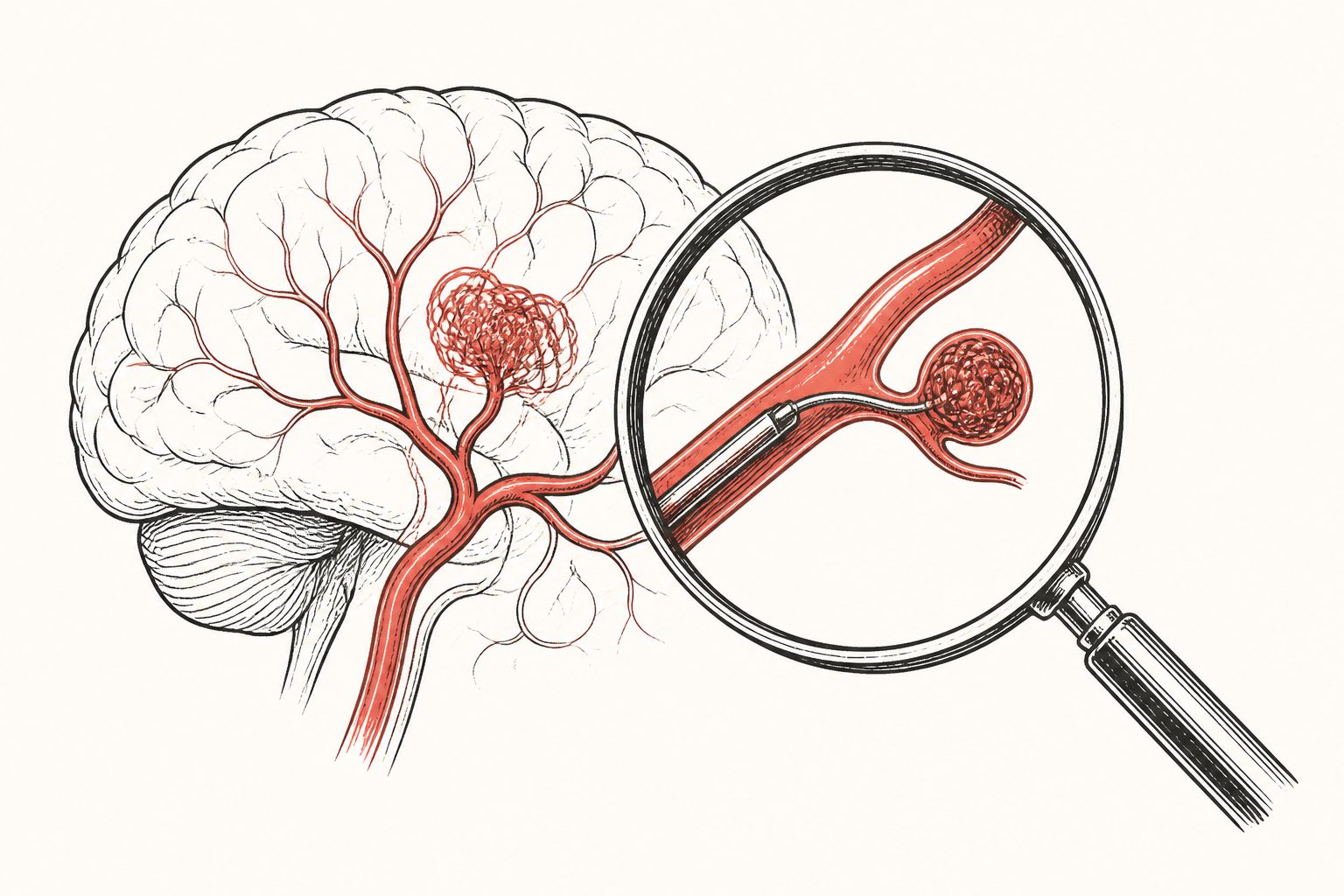
This human-focused review examines chronic subdural hematoma, a blood collection around the brain that is more common in older adults. It describes evidence for middle meningeal artery embolization, a procedure intended to reduce blood flow to the membrane that can help sustain the hematoma. The review presents the procedure as a possible addition to, or alternative for, surgery in selected high-risk patients—not as a universal replacement.
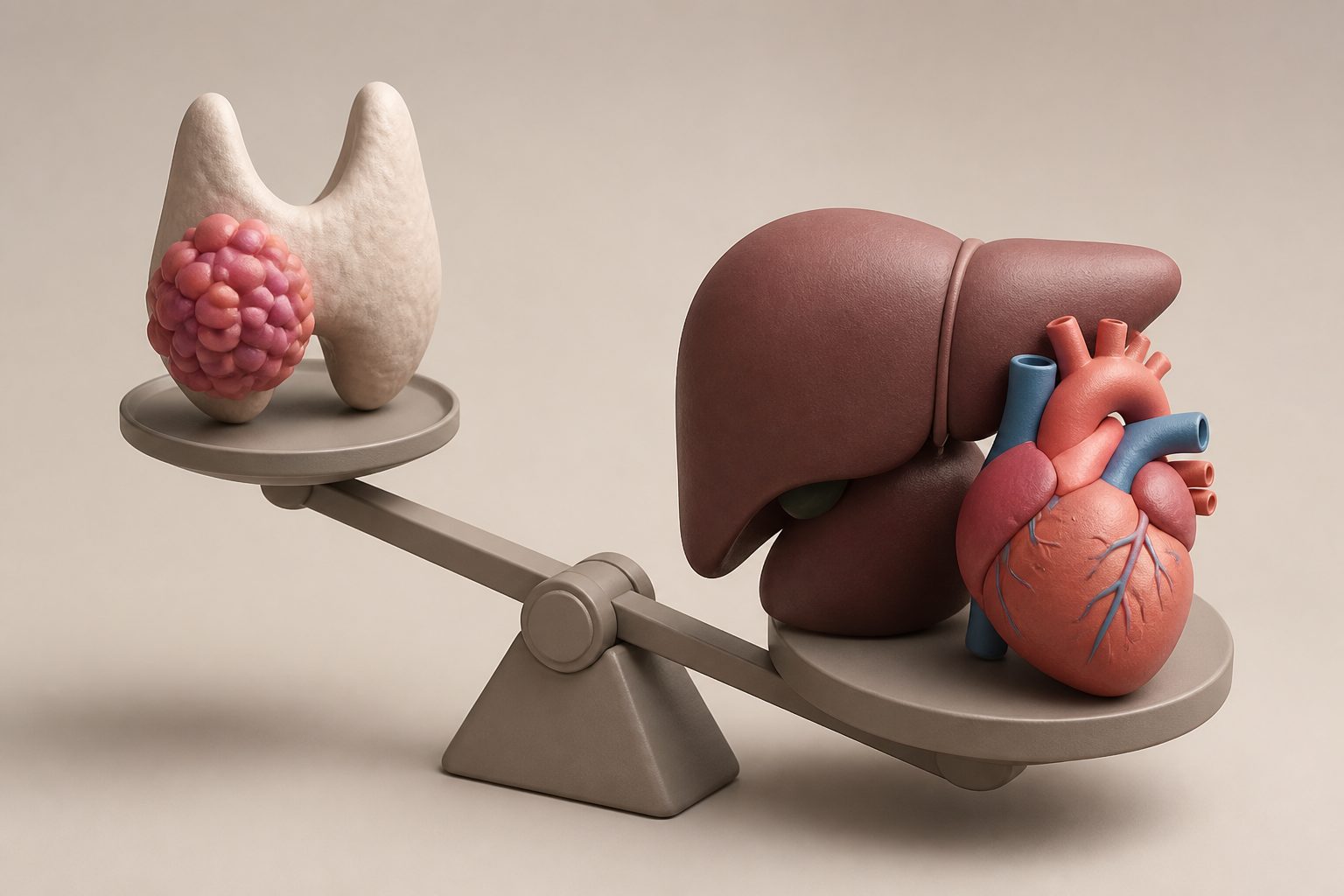
Researchers studied adults with pheochromocytoma or paraganglioma, rare tumors that can produce excess stress-related hormones, using anonymized electronic health records. Compared with matched adults who had essential hypertension, those with these tumors had higher rates of fatty liver disease, serious liver complications and some cardiovascular outcomes over several years. Because this was an observational study, it shows associations rather than proving that the tumors caused these outcomes.