The mouse study linked the effect to brain plasticity signals, while patient samples showed lower TrkB levels.
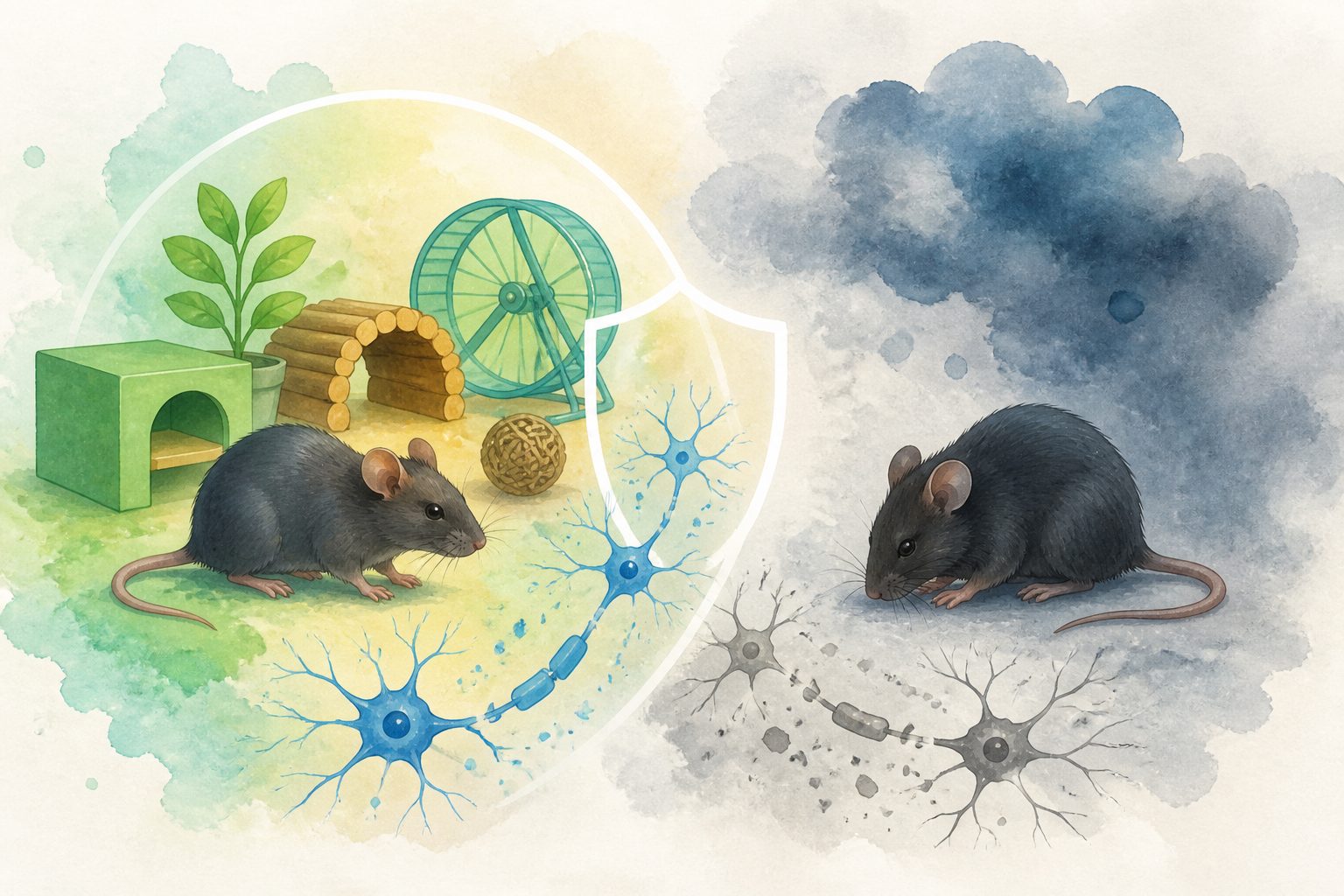
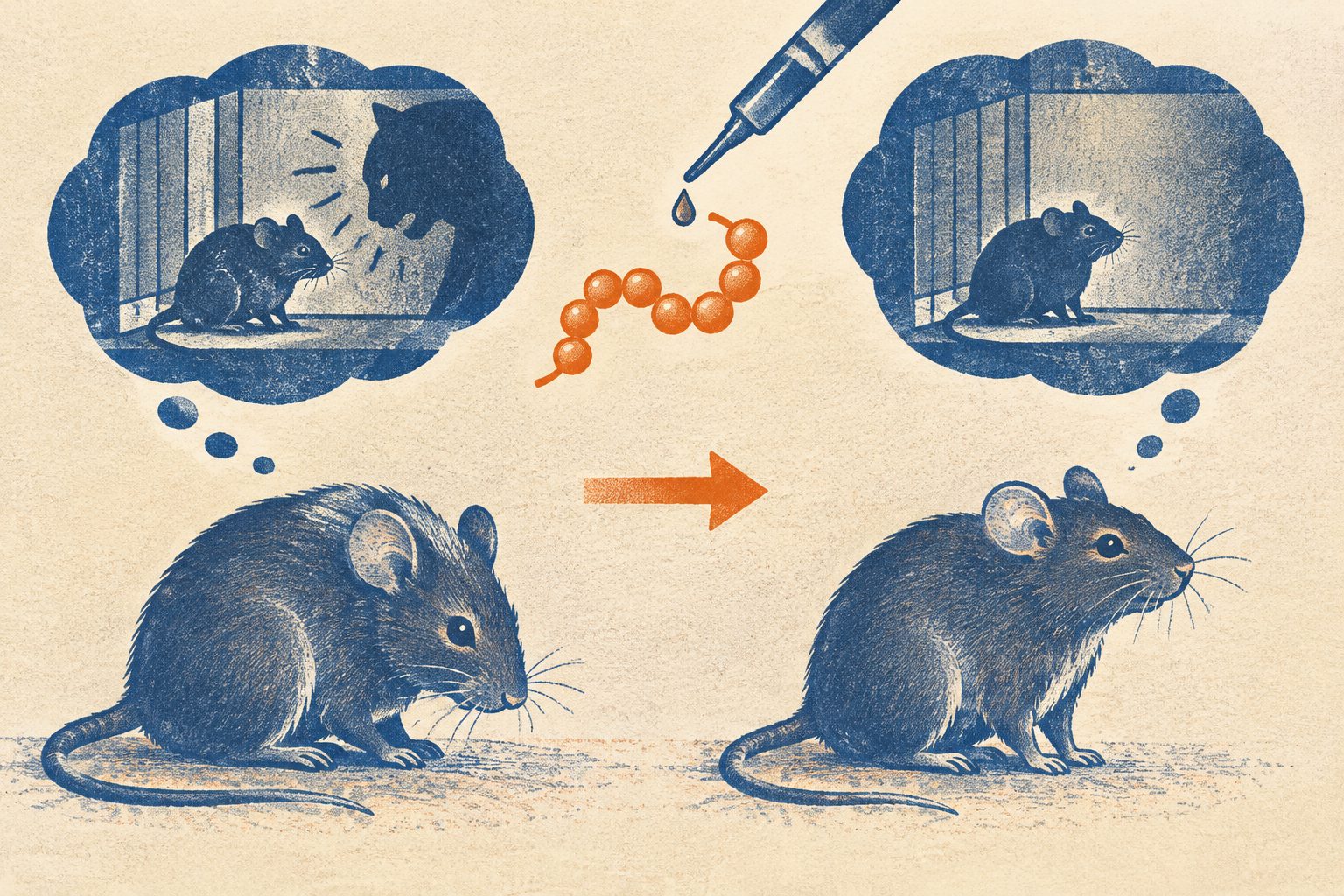
In a maternal-separation model of early-life stress, mice developed schizophrenia-like behavioral and cognitive deficits along with oxidative stress, impaired mitochondria, inflammation, cell death and synaptic problems in the hippocampus. Adolescent environmental enrichment reversed these changes and restored signaling involved in brain plasticity.
Experiments with drugs that activated or blocked TrkB supported a causal role for this signaling pathway within the study. The researchers also found that TrkB levels were reduced in neuron-derived exosomes from patients with schizophrenia, although the measure had only moderate diagnostic performance.
What enrichment changed
Maternal separation in mice suppressed CREB-BDNF-TrkB signaling and was accompanied by oxidative stress, mitochondrial dysfunction, neuroinflammation, neuronal apoptosis and synaptic deficits in the hippocampus. Providing environmental enrichment during adolescence prevented the resulting schizophrenia-like behavioral and cognitive deficits and reversed the measured biological abnormalities.
In cell experiments, pharmacologically activating TrkB rescued synaptic deficits caused by oxidative stress. In mice, inhibiting TrkB eliminated the behavioral and cognitive benefits of environmental enrichment. TrkB levels were also significantly lower in neuron-derived exosomes from patients with schizophrenia; the measure had an area under the curve of 0.784, described as moderate diagnostic performance.
// Source
Translational Psychiatry · 2026 · DOI: 10.1038/s41398-026-04388-6
Authors: Fashuai Chen, Xingyue Li, Xiaowei Wang, Qianyu Yao, Huan Huang, Guopeng Chen, Huiling Wang, Keke Hao
Institutions: Nanfang Hospital, Southern Medical University, Wuhan University, Renmin Hospital of Wuhan University, Hubei Provincial Center for Disease Control and Prevention, Zhujiang Hospital