A global analysis of environmental DNA reveals uncultivated eukaryotes across marine, freshwater and soil habitats.
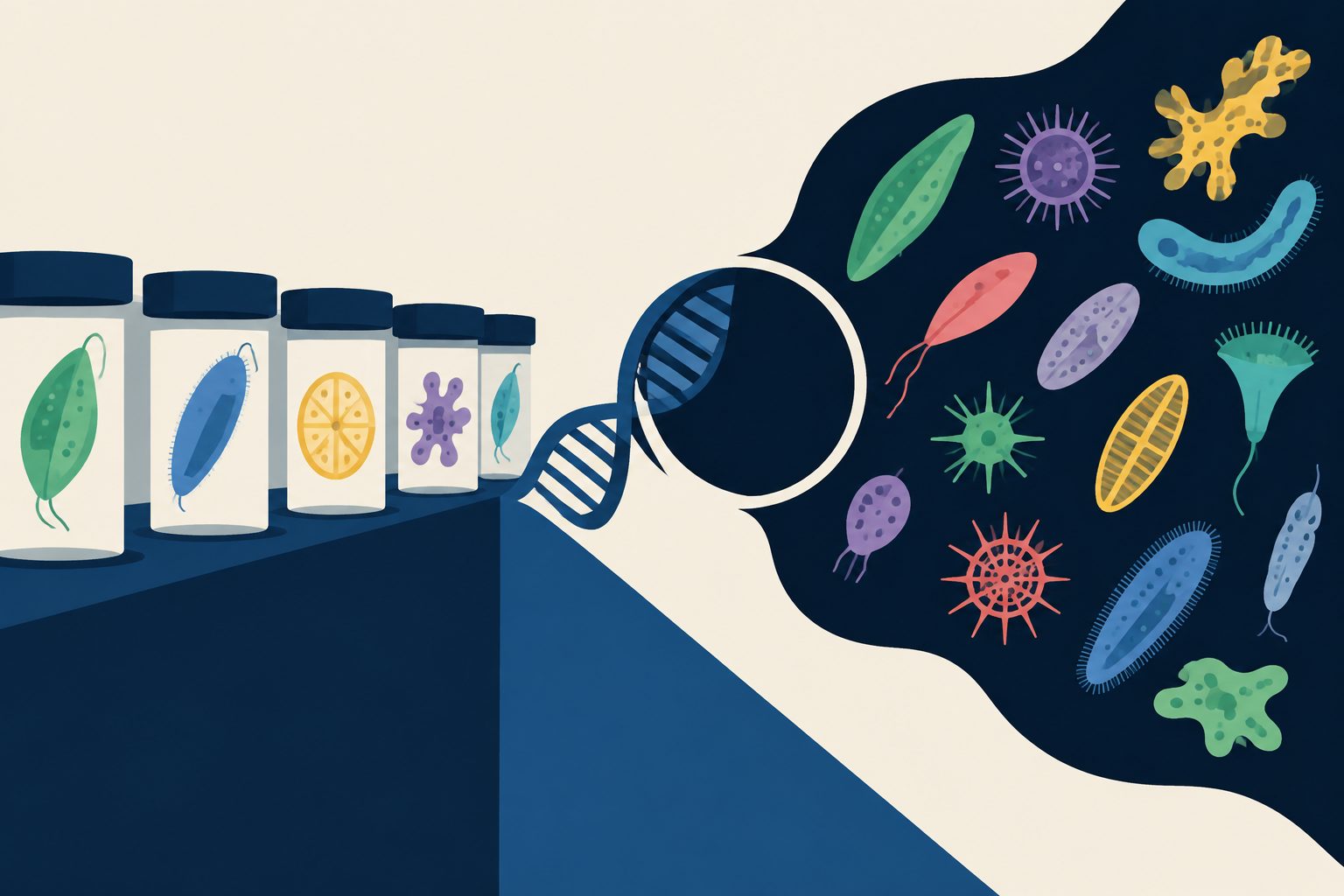
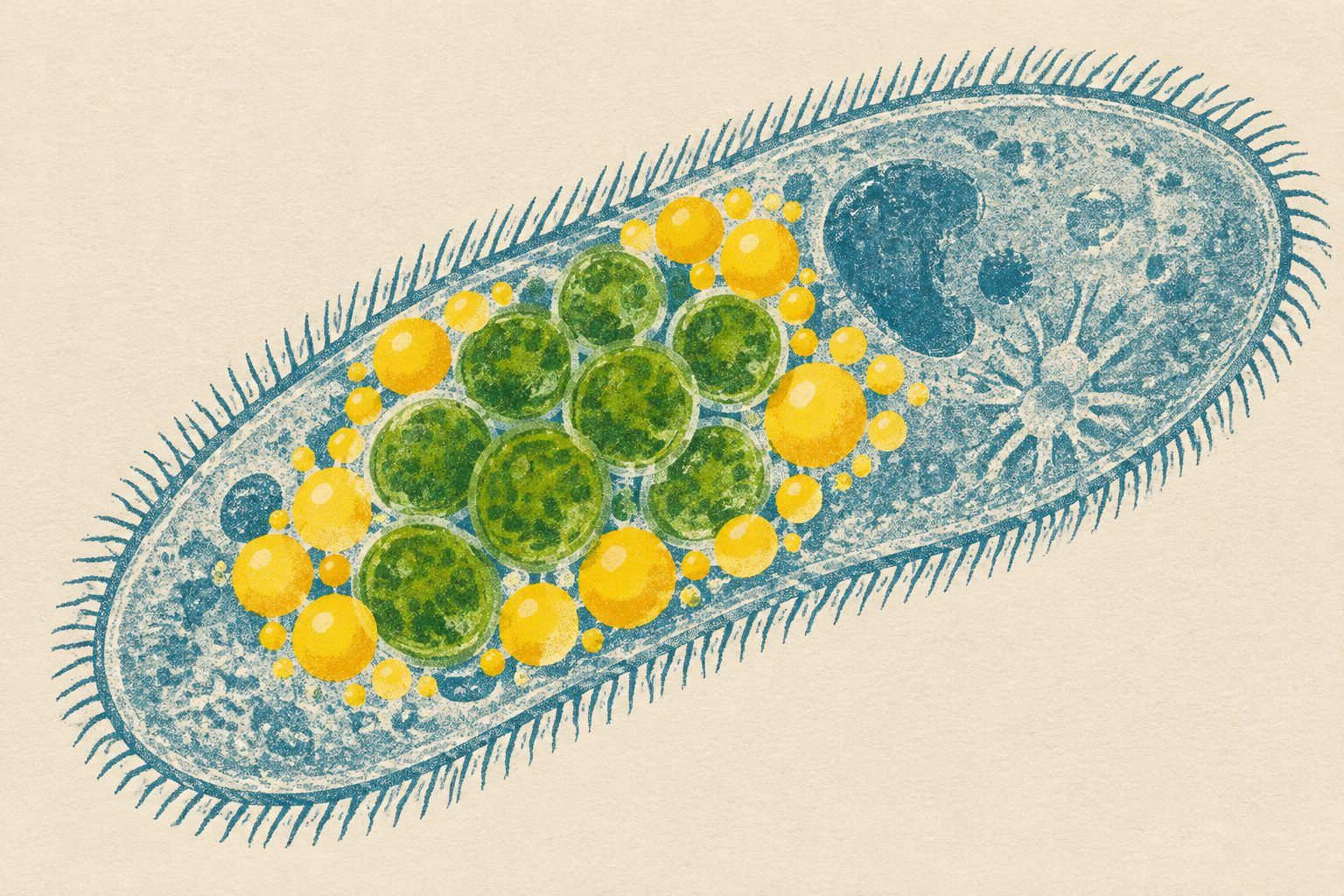
Researchers used long sections of ribosomal DNA to examine protists—diverse eukaryotes other than plants, animals and fungi—in marine, freshwater and soil-associated environments. They recovered 157,956 long 18S ribosomal DNA sequences and grouped them into sequence-based clusters at two levels of similarity.
After removing non-protists and one-off sequences, 81% of 9,543 clusters at the lower similarity threshold contained only environmental sequences and had no described representative. A broader comparison of two ribosomal genes also showed that Amoebozoa, Discoba and Rhizaria are poorly represented in current reference collections.
Hidden protist lineages
The study analyzed more than 30,000 assembled metagenomes, protist single-cell genomes and 21 long-amplicon datasets. It recovered 157,956 18S ribosomal DNA sequences at least 800 bases long. These formed 103,338 sequence clusters at 97% identity and 24,438 clusters at 85% identity.
After excluding non-protist groups and singletons, 9,543 protist clusters remained at the 85% threshold. Of these, 81% consisted exclusively of environmental sequences with no described representative. A combined analysis of 18S and 28S ribosomal DNA identified 13 candidate lineages that are deeply divergent and have little or no representation in current databases. Some were linked to partial genomes obtained through single-cell sequencing. The researchers also mapped where these lineages were found and predicted associations with bacteria and other eukaryotes.
What the evidence shows
This was a cultivation-independent analysis of existing metagenomes, single-cell genomes and long-amplicon datasets, rather than a study based on growing and directly observing the organisms. The reported groups are sequence clusters, and some candidate lineages are represented only by environmental sequences or partial genomes. Associations with bacteria and other eukaryotes were predicted from the data, not experimentally confirmed. The findings also identify gaps in reference databases, so the apparent absence of described representatives reflects current records as well as the underlying diversity.
// Source
Nature Communications · 2026 · DOI: 10.1038/s41467-026-78712-5
Authors: Miguel F. Romero, Arianna I. Krinos, Xyrus X. Maurer‐Alcalá, John A. Burns, Ramūnas Stepanauskas, Tanja Woyke, Frederik Schulz
Institutions: Brown University, William & Mary, Aalborg University, Lawrence Berkeley National Laboratory, American Museum of Natural History, Bigelow Laboratory for Ocean Sciences, Joint Genome Institute, University of California, Merced