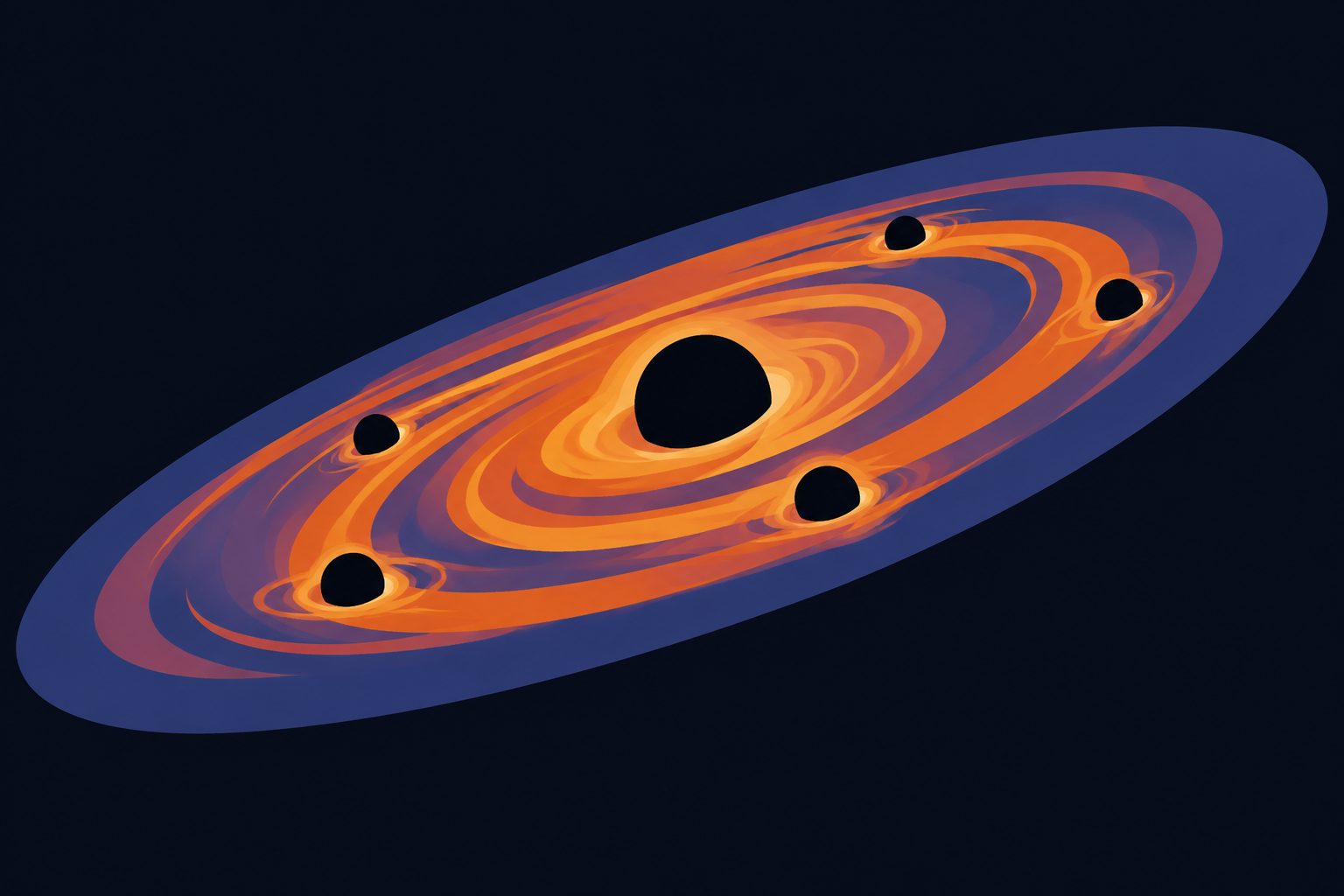
A study finds that some orbiting black holes can become locked in repeating paths, while others migrate toward merger without such chains.
The researchers developed analytic criteria for when pairs of stellar-mass black holes in active-galaxy disks remain in, or are pushed out of, mean-motion resonances—repeating orbital patterns familiar from planetary systems. They considered disruption from general-relativistic effects, gas turbulence and encounters with stars, then mapped resonance stability across different disk conditions.
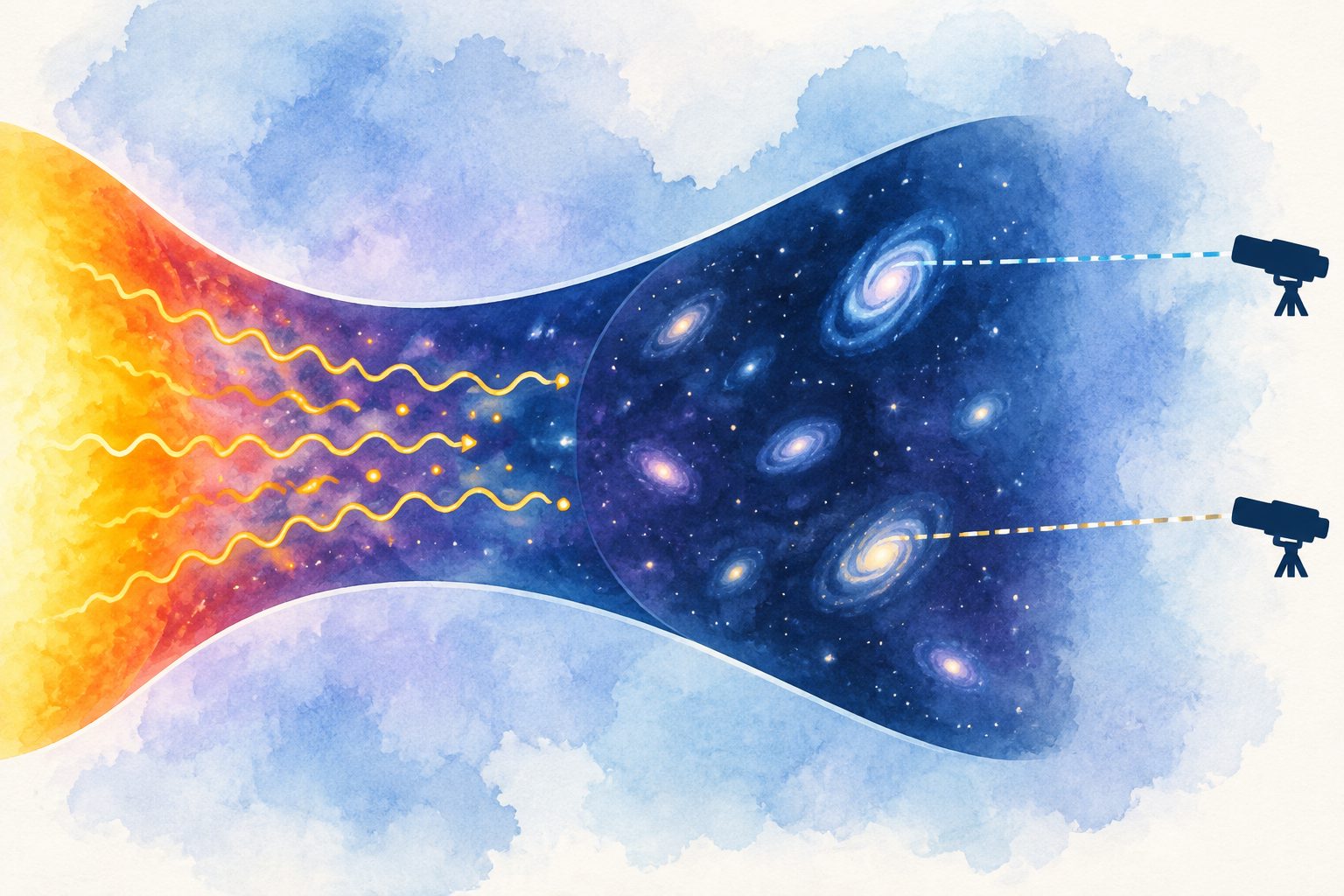
Their analysis identifies three central-black-hole mass ranges. Stable resonances are always present below about 3 million solar masses, generally absent above about 32 million solar masses, and dependent on disk and stellar-system properties in between. Where they survive, the resonances commonly lie between regions where gas torques reverse the direction of migration.
Where orbital patterns survive
The analysis predicts that first-order orbital resonances between embedded black holes are generally unstable when the central black hole is more massive than about 10^7.5 Suns, or roughly 32 million solar masses. For central black holes below about 10^6.5 Suns, or roughly 3 million solar masses, stable resonances are always present in the models. Between those masses, stability depends on the disk's mass flow, the combined mass of the orbiting objects and the slope of the surrounding nuclear star cluster.
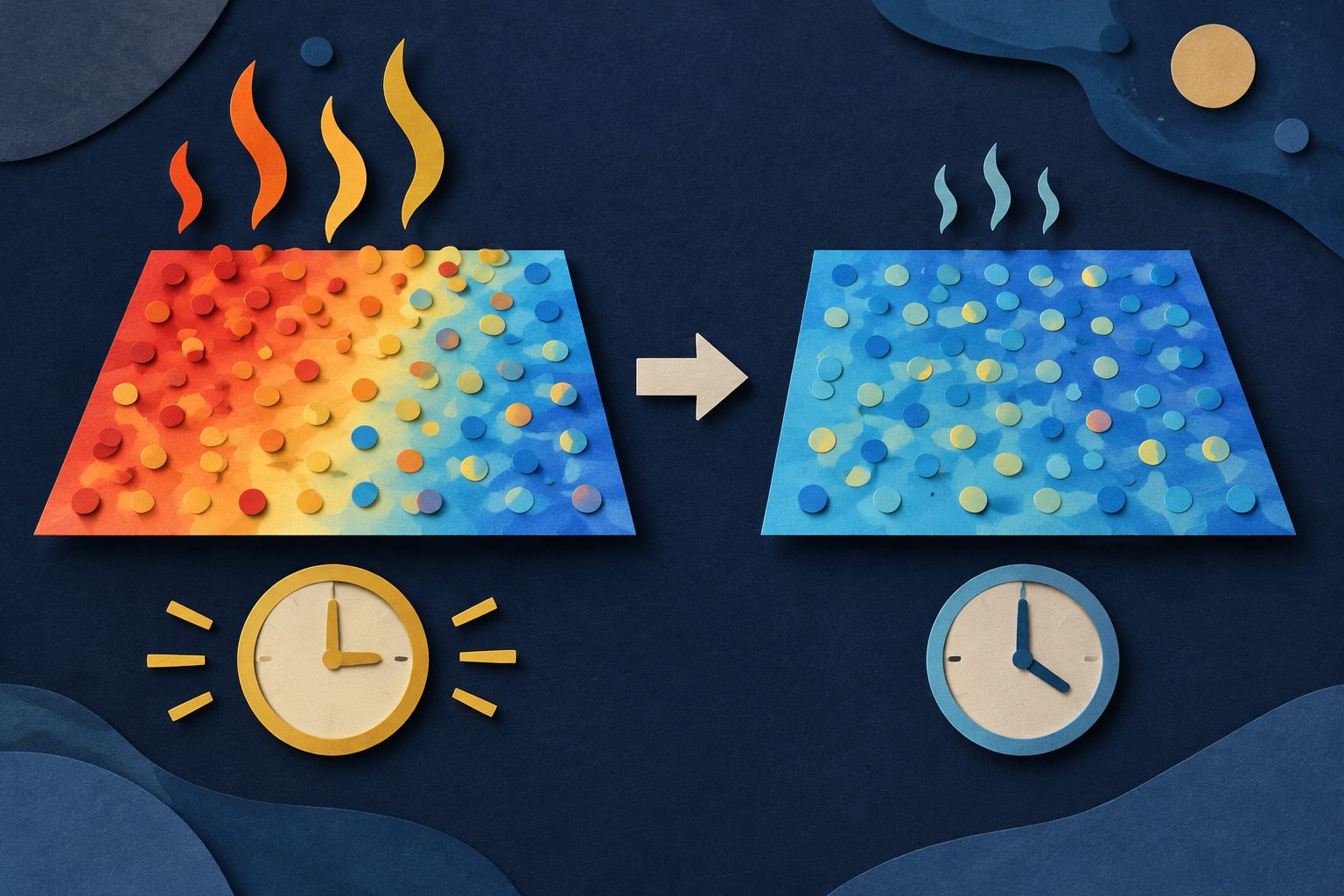
General-relativistic changes to orbital orientation can destroy resonances close to the central black hole. Turbulence and stellar flybys can also disrupt them, although the analysis finds that changes in the objects' orbital sizes usually set the main disruption threshold. When stable resonances occur, they commonly occupy a region between an inner migration barrier and an outer one created by heat-related gas torques, where embedded objects are expected to move outward.
Evidence and caveats
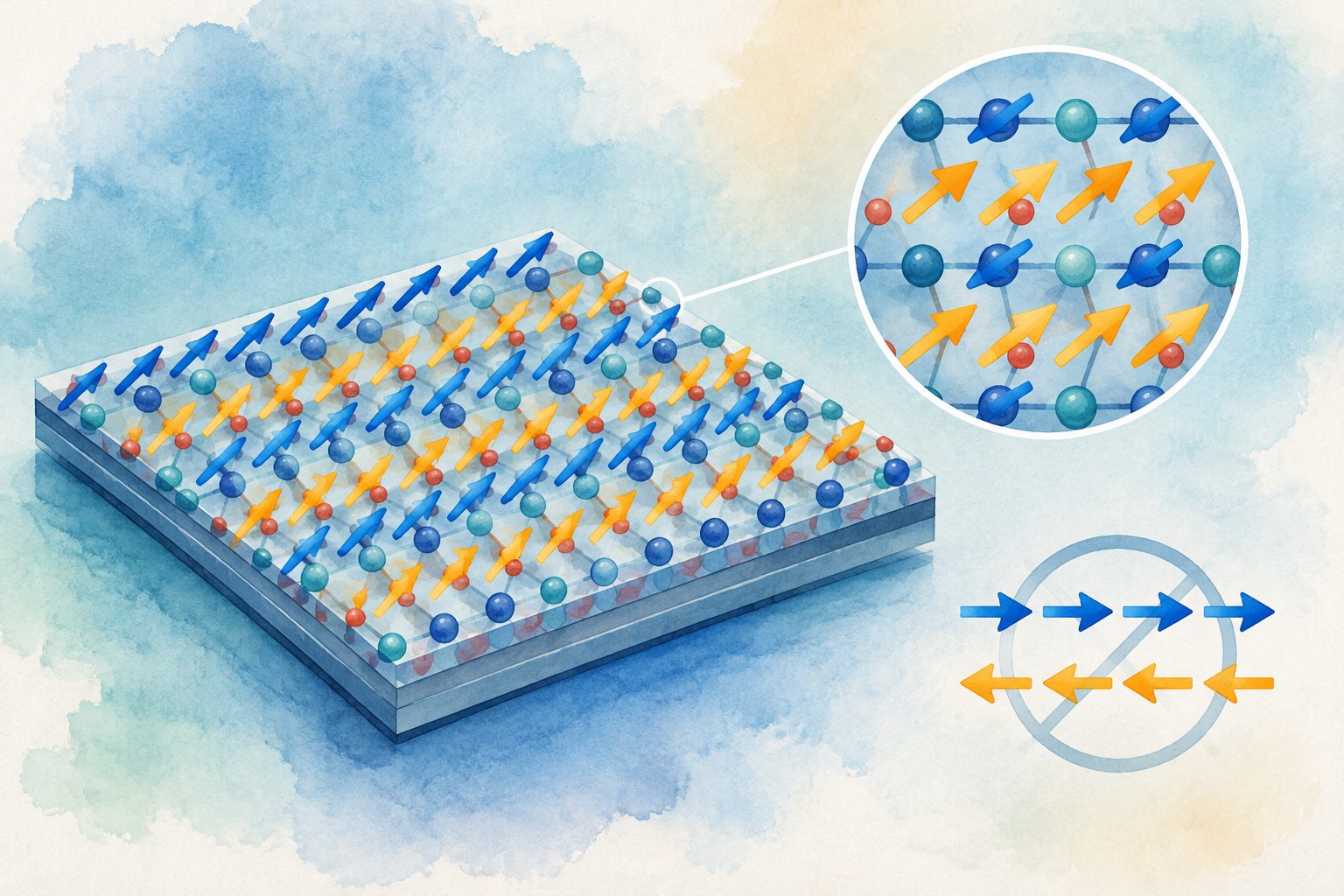
This is an analytic study: the researchers derived resonance-breaking criteria and applied them across models of active-galaxy disks. The calculation includes general-relativistic precession, turbulent diffusion, stellar flybys, migration and heat-related torques; it is not a direct observation or a numerical simulation of a population of black holes.
The conclusions depend on the assumed disk prescriptions, which affect migration and turbulence. Heat-related torques require conditions that may fail for sufficiently massive embedded objects or at large distances from the central black hole. Without those torques, the study finds that resonances are much less robust and survive only in small regions of parameter space. The authors say the analytic results should be tested with numerical simulations.