Study links genetic diabetes risk and alcohol intake with Dupuytren’s disease
A genetic-data analysis found small associations, but it did not test whether changing these exposures would alter individual risk.
Moderate evidenceHuman studySome caution advised
Medical disclaimer: This article summarizes research findings and is for informational purposes only. It is not medical advice.
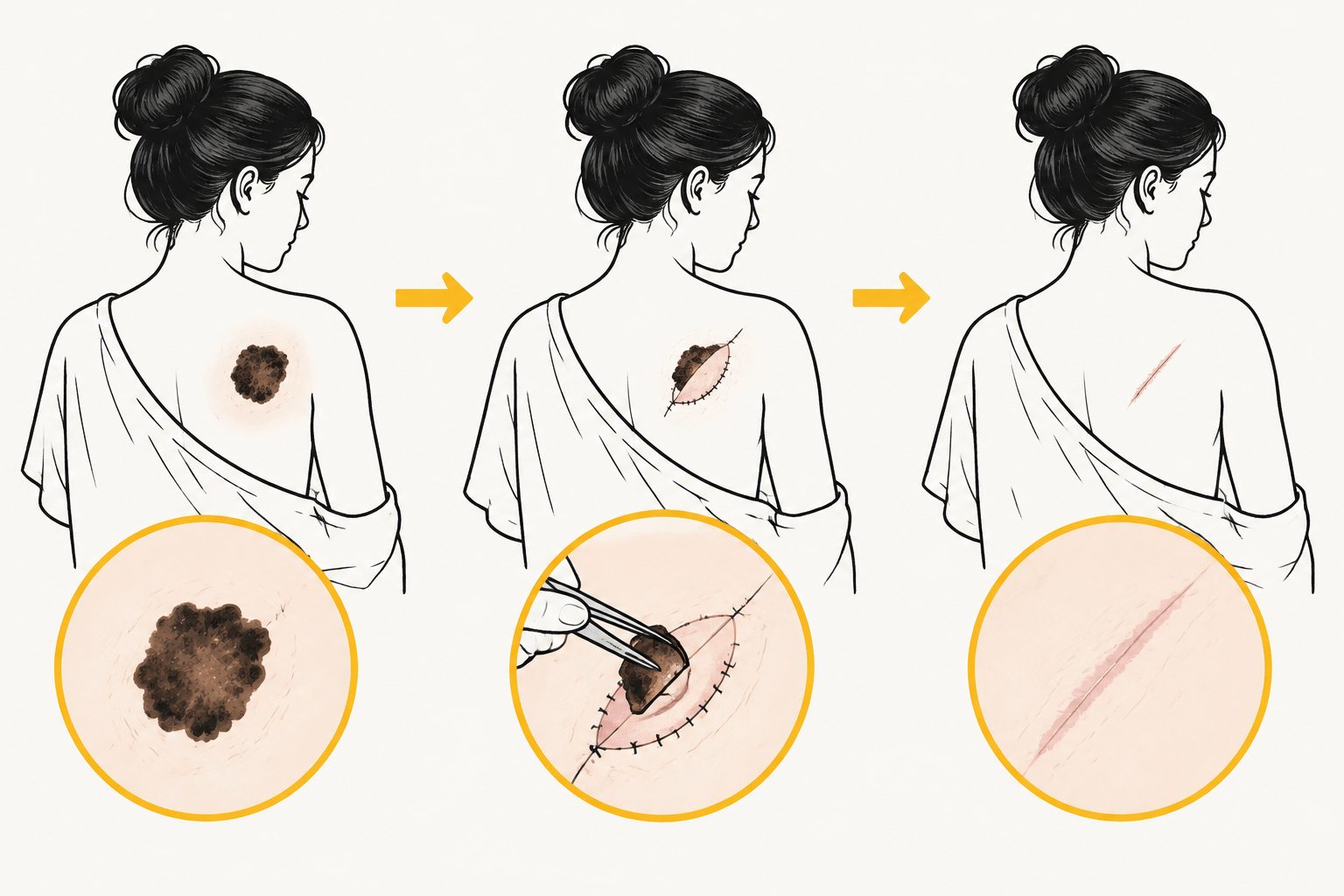
Editorial illustration — not from the study.
The researchers used two-sample Mendelian randomization, a method that uses genetic variants as indirect markers of possible exposures. They combined Dupuytren’s disease data from UK Biobank and FinnGen and examined genetic links with diabetes, alcohol-related traits, obesity-related traits, and smoking intensity.
The analysis found small associations between genetic liability for diabetes and Dupuytren’s disease, and between genetically predicted alcohol intake and the disease. The findings support possible directional relationships, but they do not show that changing diabetes or alcohol exposure would produce a specific result for any individual person.
The question reviewed
This was a human genetic analysis using summary data from genome-wide association studies, with participants largely of European ancestry. The researchers used genetic variants associated with diabetes, obesity-related traits, smoking, and alcohol-related traits as instruments, then compared them with Dupuytren’s disease data from UK Biobank and FinnGen. The two disease datasets were combined using a meta-analysis. Exact participant numbers were not provided in the abstract.
Key conclusions
Genetic liability for diabetes was associated with a higher risk of Dupuytren’s disease, with an odds ratio of 1.0157 and a 95% confidence interval of 1.0070 to 1.0245. Genetically predicted alcohol intake was also associated with higher risk: the odds ratio was 1.0150 for alcohol intake and 1.0062 for drinks per week. The researchers reported no convincing evidence that genetically proxied obesity traits or smoking intensity had effects on Dupuytren’s disease. Sensitivity analyses were directionally consistent, and the abstract reported no substantial evidence of horizontal pleiotropy for the main associations. The effect sizes were modest, so the findings do not indicate large individual-level effects.
Who this is relevant to
The findings are most relevant to populations similar to the largely European-ancestry human datasets used in the analysis. They may not apply equally to people from other ancestry groups or to individual patients. Because this was a genetic analysis rather than a clinical intervention study, it does not establish that changing diabetes or alcohol exposure will prevent or change Dupuytren’s disease.
What this could mean
Dupuytren’s disease is multifactorial, meaning that many genetic and non-genetic factors may contribute to its development. This analysis adds evidence that diabetes-related genetic liability and alcohol-related genetic signals may be associated with risk, while not finding a clear relationship for the obesity and smoking traits examined. The study does not directly test a diabetes-management or alcohol-reduction intervention, so it cannot establish how changing either exposure would affect a person’s risk.
Limitations & evidence assessment
Mendelian randomization estimates effects using genetic proxies and depends on assumptions that the selected genetic variants are sufficiently strong and affect Dupuytren’s disease mainly through the exposure being studied. Even when these assumptions appear supported by sensitivity analyses, bias from pleiotropy or other sources cannot be ruled out completely. The data were primarily from people of European ancestry, so applicability to other populations is uncertain. The abstract does not provide exact sample sizes or enough detail to assess all aspects of the underlying genetic studies. The small effect sizes also limit conclusions about risk for any individual person.
Why this evidence level: The study used large human genetic datasets and combined results from UK Biobank and FinnGen, which provides more evidence than a small observational study. However, Mendelian randomization relies on assumptions about genetic instruments and estimates effects of genetic liability rather than directly testing changes in diabetes or alcohol exposure.
Evidence levels are editorial estimates derived from study metadata — they are not clinical appraisals.
// Source
Korean Journal of Family Medicine · 2026 · DOI: 10.4082/kjfm.26.0046
This systematic review examined randomized human trials of concurrent chemotherapy and radiation for locally advanced head and neck, cervical, esophageal, and non-small-cell lung cancers. Across the included trials, combined treatment was reported to provide better overall survival than radiation alone, but it also caused more severe short-term side effects. The review did not provide enough information in its abstract to show how many trials or patients were included.
Researchers pooled results from seven human studies comparing multiple-staged with single-stage removal and reconstruction of congenital melanocytic nevi, sometimes called congenital moles. Staged surgery was associated with fewer major wound complications and recurrences, as well as slightly shorter and narrower scars, but the studies did not find a clear difference in cosmetic or overall patient satisfaction.
A cluster-randomized human study in 210 adults with recently detected stage 1 hypertension in Uzbekistan compared salt-sensitivity testing followed by assigned medication choices with conventional management. After 12 weeks, more participants in the testing-guided group reached the study's blood pressure target, although the study was small, short, and conducted in only three primary care centers.