Review links higher body fat measures with aortic dissection risk
Large human cohort studies and a review of earlier research found stronger associations for some measures of abdominal fat.
High evidenceReviewSome caution advised
Medical disclaimer: This article summarizes research findings and is for informational purposes only. It is not medical advice.
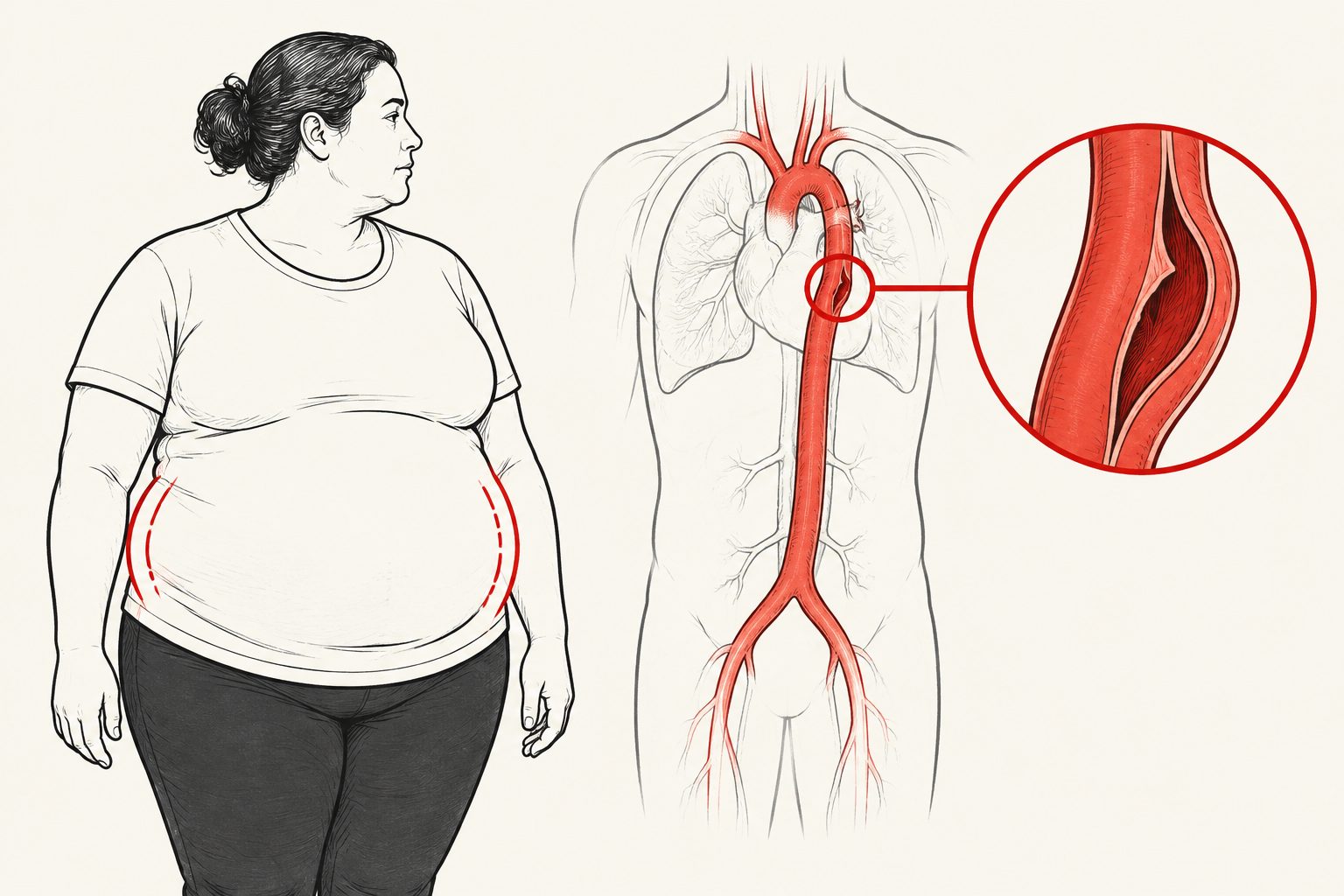
Editorial illustration — not from the study.
Researchers analyzed body mass index, waist size, hip size, waist-to-height ratio, fat mass, and other measures in two large human cohorts. In the UK Biobank, 371 aortic dissections occurred during an average follow-up of 12.3 years. In the Japanese study, 105 deaths from aortic dissection occurred during 4 years of follow-up.
The researchers also combined results from five cohort studies involving 4,962,288 people and 2,007 aortic dissection cases. Across the studies, higher body mass index, waist circumference, and waist-to-height ratio were associated with higher aortic dissection risk. The strength of these associations varied, and some individual measures did not show a clear association.
What the review covered
The researchers asked whether general or abdominal adiposity was associated with aortic dissection incidence or mortality. They used multivariable statistical models in the UK Biobank and the Japan Specific Health Checkups Study, both of which are human observational cohort studies. They then searched PubMed and Embase through February 27, 2026, and used random-effects meta-analysis to combine findings from five cohort studies on body mass index. The available abstract does not provide enough detail to determine all eligibility criteria, adjustment factors, or the full characteristics of every included study.
What the review concluded
In the UK Biobank, higher body mass index, waist circumference, hip circumference, waist-to-height ratio, and fat mass were positively associated with aortic dissection risk. For example, the reported hazard ratios for the highest versus lowest categories were 1.54 for body mass index, 1.82 for waist circumference, 1.77 for hip circumference, 1.88 for waist-to-height ratio, and 1.36 for fat mass. The confidence intervals for some measures included little or no association, including fat mass. Waist-to-hip ratio and body fat percentage did not show clear associations.
In the Japanese cohort, higher body mass index, waist circumference, and waist-to-height ratio were associated with a higher risk of death from aortic dissection, although the body mass index confidence interval was broad. In the meta-analysis, each 5 kg/m² increase in body mass index was associated with a relative risk of 1.09, each 10 cm increase in waist circumference with a relative risk of 1.21, and each 0.1 increase in waist-to-height ratio with a relative risk of 1.32. These results describe associations, not proof that adiposity causes aortic dissection or that changing it would alter risk.
Where this may apply
These findings may be most relevant to adults broadly similar to participants in the UK Biobank and Japanese health-check cohort, and to populations represented in the earlier cohort studies. They do not establish risk for any particular person, and they may not apply equally to people of different ages, backgrounds, health conditions, or body-composition patterns. Because the evidence is observational, it does not show that altering body weight or any single body-size measure would change a person's chance of aortic dissection.
Why it matters
Aortic dissection is an uncommon but serious condition, and the study examines whether commonly recorded body-size measures are related to its occurrence or mortality in large human populations. The results suggest that measures reflecting abdominal size, particularly waist-to-height ratio, may have stronger statistical associations than some other measures. The findings may help inform future research, but they do not by themselves establish an individual person's risk or demonstrate that weight change would prevent aortic dissection.
Limitations & evidence assessment
The underlying studies were observational, so differences in other factors could partly explain the associations; the abstract does not provide enough information to judge how fully all possible confounding was addressed. Aortic dissection was uncommon in the two main cohorts, with 371 and 105 events, which means some estimates were imprecise. The studies used different outcomes, including aortic dissection incidence and death from aortic dissection, and the meta-analysis included only five cohort studies. Statistical variation between studies was moderate for some measures, and the authors stated that further large-scale studies are needed for confirmation. The abstract also provides limited information about participant selection, measurement methods, and whether the results apply equally across different populations.
Why this evidence level: Meta-analysis pooling multiple studies sits at the top of common evidence hierarchies.
Evidence levels are editorial estimates derived from study metadata — they are not clinical appraisals.
// Source
European Journal of Epidemiology · 2026 · DOI: 10.1007/s10654-026-01456-5
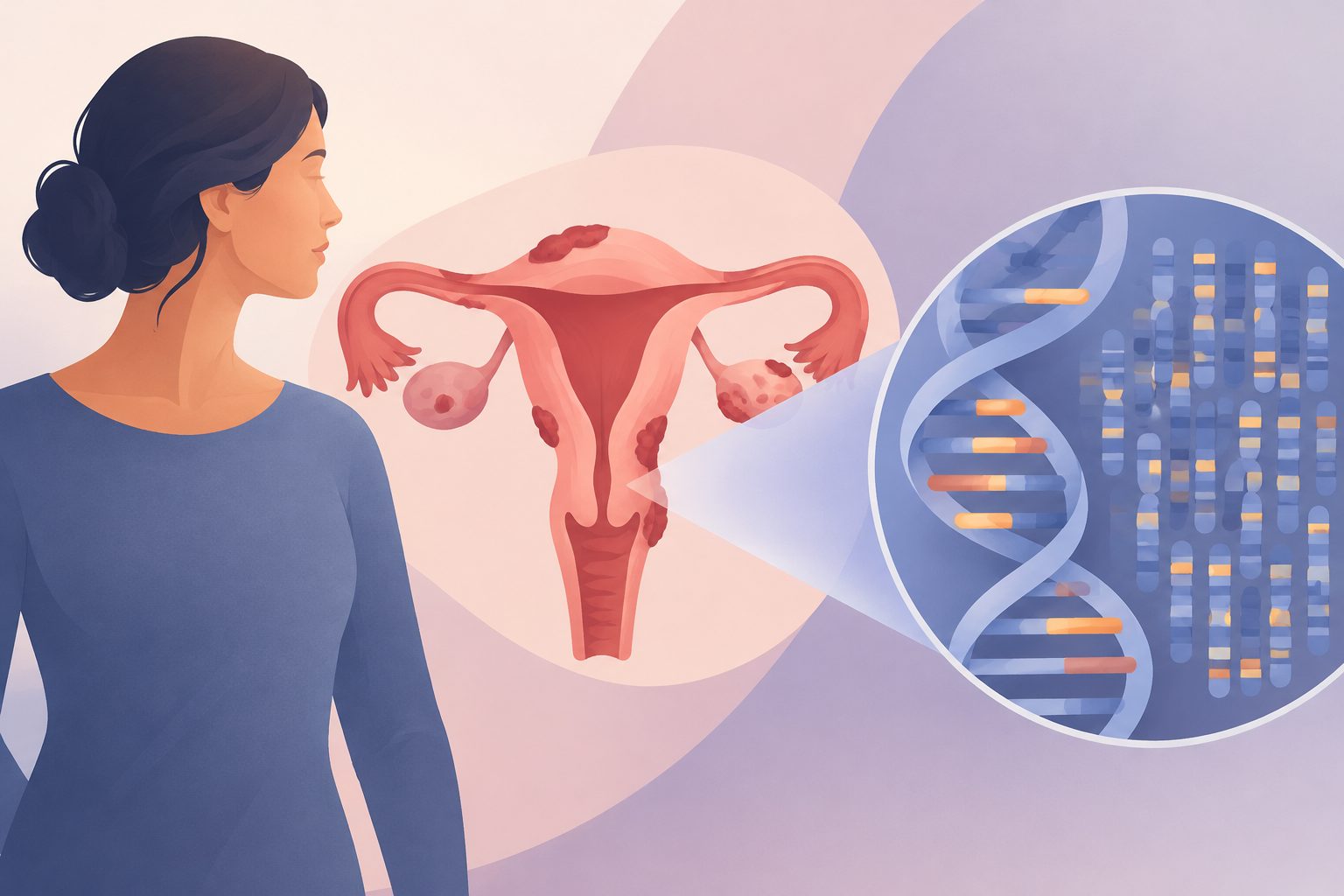
Researchers combined genetic data from more than 1 million human participants to study factors associated with endometriosis. They identified 58 genomic regions, including 27 not previously reported, and used additional molecular analyses to implicate 314 genes. These findings point to possible biological pathways for further research, but they do not establish causes or demonstrate that any treatment will work.
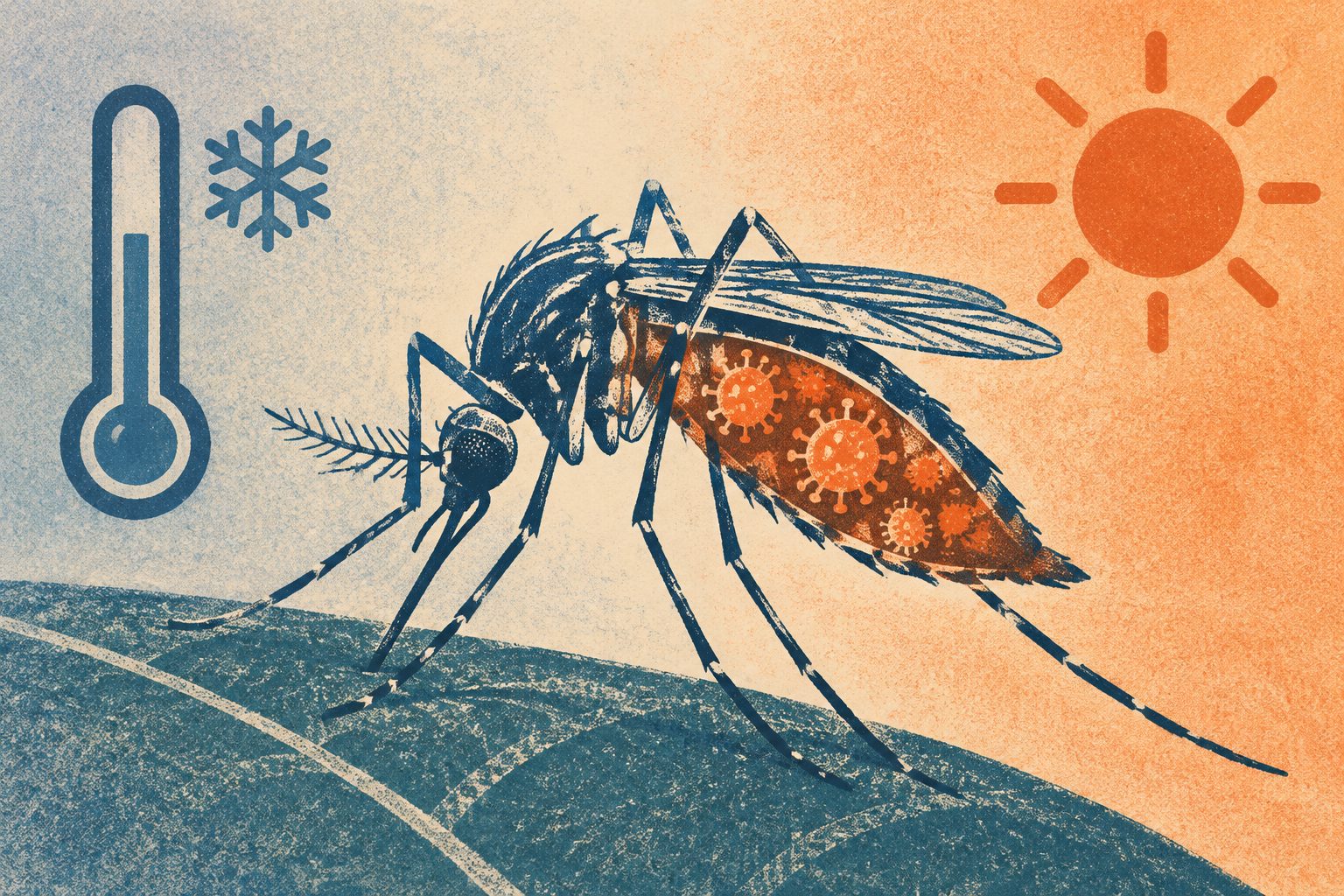
Researchers systematically reviewed laboratory studies of how temperature affects the time it takes arboviruses to become transmissible inside mosquitoes. Across 53 studies covering 17 viruses, higher temperatures were generally linked with greater transmission efficiency and a shorter time to infectiousness for Zika and West Nile viruses, while results for several other viruses were unclear.
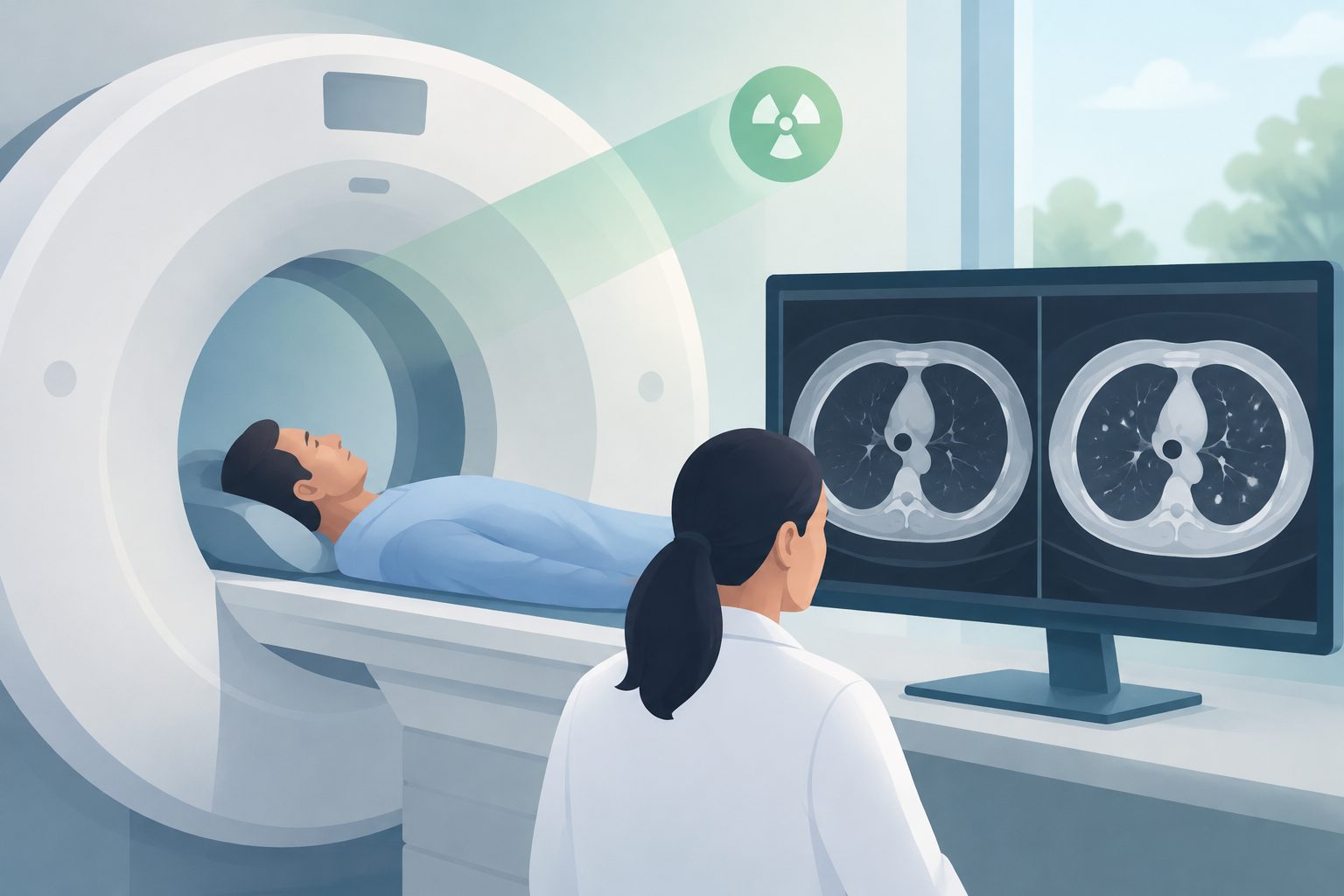
This systematic review and meta-analysis examined whether ultra-low-dose computed tomography (CT) can detect pulmonary, or lung, nodules while using less radiation than standard-dose CT. Across 42 studies involving 15,792 patients, pooled sensitivity for nodule detection was 91.9%, but results varied greatly between studies. The review also found that ultra-low-dose CT used an average effective dose of 0.22 millisieverts (mSv), while detection was less reliable for some small or hazy nodules and in patients with a high body mass index.