Review finds limited evidence for vaginal laser in breast cancer survivors
Short-term tolerance was generally reported as acceptable, but randomized trials did not show a clear benefit over comparison treatments.
Moderate evidenceReviewInterpret with caution
Medical disclaimer: This article summarizes research findings and is for informational purposes only. It is not medical advice.
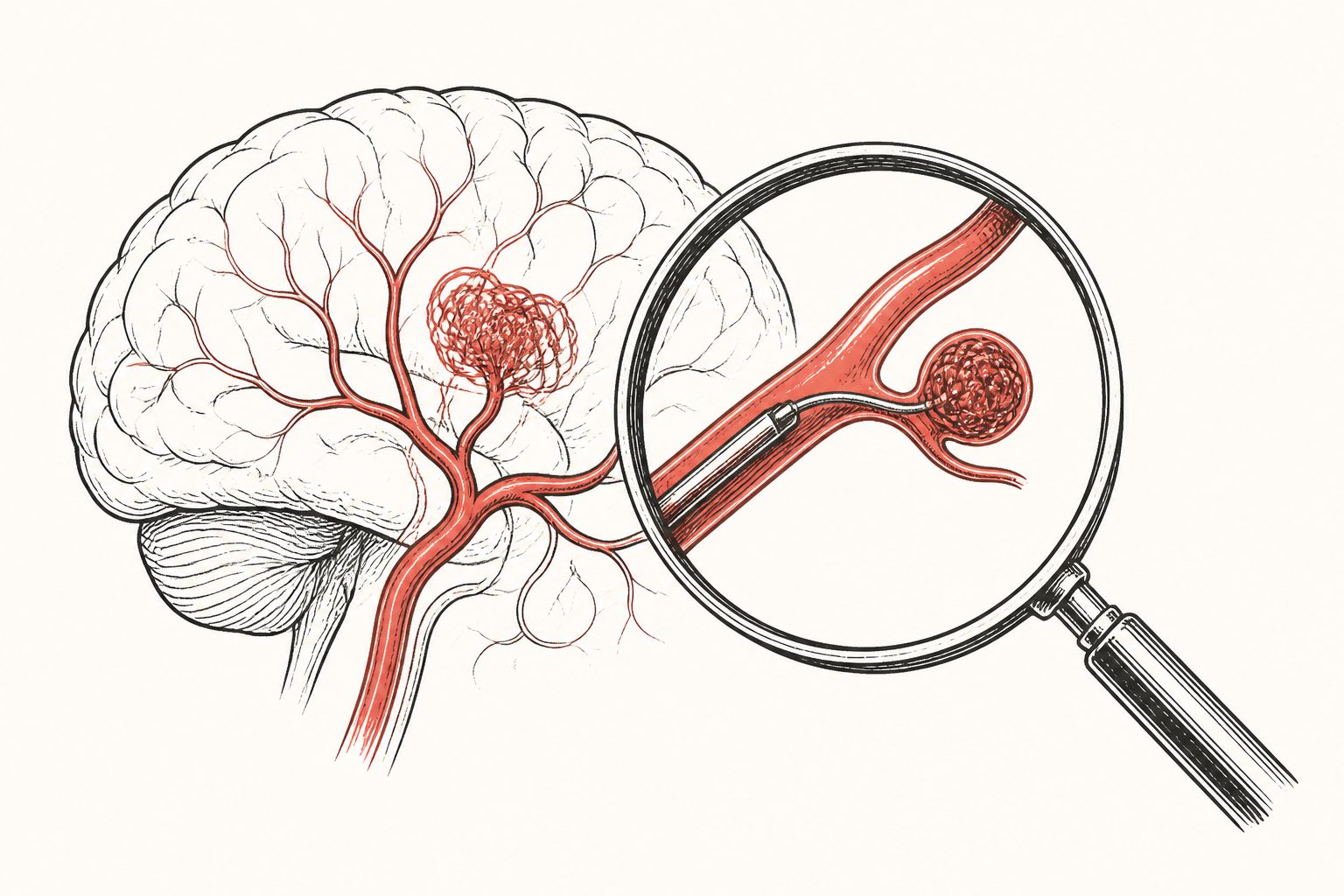
Researchers mapped studies of vaginal CO₂ laser therapy for menopause-related vaginal and urinary symptoms in breast cancer survivors. The review included randomized and observational human studies published through June 2025 and examined reported symptoms, sexual-function measures, vaginal-health measures, follow-up, and adverse events.
Most observational studies reported improvements after treatment, and treatment was generally described as well tolerated in the short term. However, the randomized evidence was less encouraging: two sham-controlled trials found no clinically meaningful advantage over sham treatment, while two trials comparing CO₂ laser with radiofrequency or promestriene found no clear differences.
The question reviewed
The researchers conducted a scoping review following PRISMA-ScR reporting guidance. They searched PubMed, Embase, the Cochrane Library, Web of Science, and APA PsycInfo from the beginning of each database through June 2025. The review included randomized controlled trials and observational studies of vaginal CO₂ laser therapy for genitourinary syndrome of menopause among women with current or previous breast cancer. In total, 22 study reports representing approximately 1,099 participant observations were included. The review gathered information on study methods, laser protocols, outcomes, follow-up periods, and adverse events.
What the evidence shows
Most observational studies reported within-study improvements in menopause-related symptoms and in measures such as the Female Sexual Function Index, visual analogue scale scores, and Vaginal Health Index scores. These findings show associations within the treated groups and do not by themselves show that the laser caused the improvements.
The two sham-controlled randomized trials did not demonstrate a clinically meaningful benefit of CO₂ laser therapy over sham treatment. Two randomized trials using active comparisons found no clear differences between CO₂ laser therapy, radiofrequency, and promestriene. Treatment was generally reported as well tolerated in the short term, but the available studies do not establish long-term safety.
Who this is relevant to
These findings apply most directly to women with current or previous breast cancer who have genitourinary syndrome of menopause and who resemble the participants in the included studies. They do not establish that the results apply to people without a breast cancer history, to people with different causes of genitourinary symptoms, or to those using different laser protocols. The evidence is also insufficient to determine long-term effects for any patient group.
The significance
Genitourinary syndrome of menopause is common among breast cancer survivors, and treatment-related lower estrogen levels can contribute to these symptoms. This review is relevant because it assesses a non-hormonal procedure in a population for whom hormonal options may be unsuitable or restricted. However, the review's findings indicate that reported improvements from observational studies have not been clearly separated from placebo effects, natural symptom changes, or other influences in sham-controlled trials.
Limitations & evidence assessment
The included studies differed substantially in their participants, laser procedures, outcome measures, comparison groups, and follow-up periods. Much of the reported improvement came from observational studies, which generally lacked the safeguards of randomized comparisons and cannot establish cause and effect. Only two sham-controlled randomized trials were identified, and neither showed a clinically meaningful benefit over sham treatment. Follow-up was often short or variable, so long-term safety and effectiveness remain uncertain. The abstract does not provide enough detail to judge the size or statistical strength of each individual study, and the review itself maps and summarizes evidence rather than providing a definitive pooled estimate.
Why this evidence level: This scoping review included human studies, including randomized trials, but the underlying evidence was heterogeneous and limited. The two sham-controlled trials did not find a clinically meaningful benefit over sham treatment, so the review does not establish clear treatment-specific effectiveness.
Evidence levels are editorial estimates derived from study metadata — they are not clinical appraisals.