New surroundings and reduced vision in one eye reshaped mouse synapses
Environmental enrichment and one-eye visual deprivation changed patterns of excitatory synapses across more than 100 brain regions in developing and adult mice.
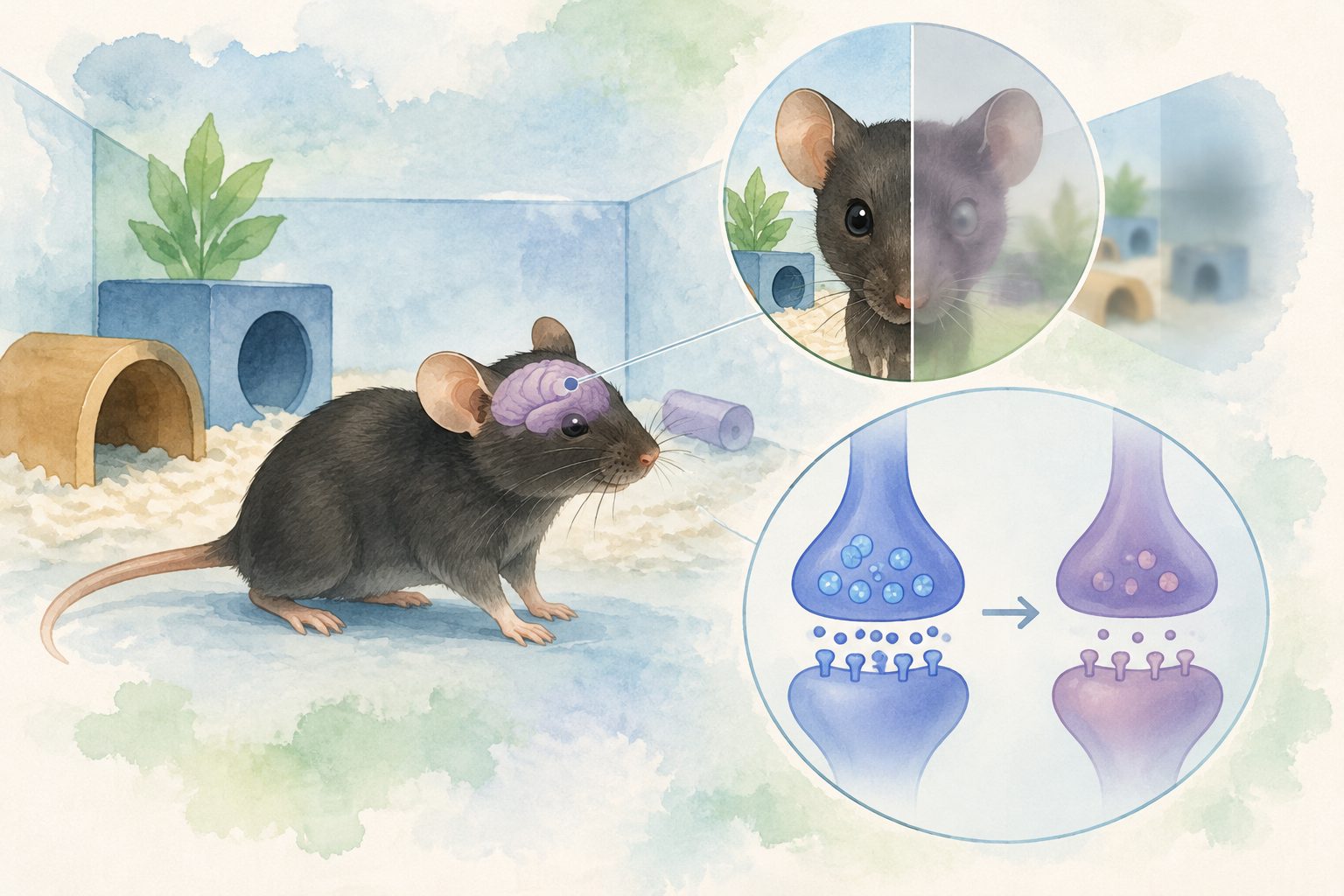
Editorial illustration — not from the study.
Researchers studied how environmental enrichment and monocular visual deprivation affect the synaptome—the distribution of diverse excitatory synapses across the brain—in mice. Both experiences produced large-scale changes in synapse populations across more than 100 brain regions, and each altered distinct groups of synapse types and subtypes.
The similarities between changes seen during development and adulthood point to shared mechanisms of synapse adaptation. The altered patterns were also related to how quickly synapse-associated proteins are replaced and to the brain’s wiring organization.
How mouse synapses changed
Environmental enrichment and monocular visual deprivation each caused large-scale reconfiguration of excitatory synapse populations in more than 100 mouse brain regions. The experiences changed different subsets of synapse types and subtypes. The patterns were associated with protein turnover rates and the brain’s connectome, or network of physical connections.
Changes caused by experience showed similarities in developing and adult mice. The researchers also report that this reconfiguration shared features with responses linked to aging, sleep deprivation, brain injury and genetic mutations.
Why the pattern matters
The findings support a view in which experience adapts the brain by selectively changing particular synapse types and subtypes distributed across many regions, rather than affecting all synapses in the same way. Similar patterns in developing and adult mice suggest that some mechanisms of synapse adaptation may operate across the lifespan.
The overlap with changes associated with aging, sleep loss, brain injury and genetic mutations also points to a possible common principle of brain adaptation. The study does not, however, establish how these synapse changes affect behavior or whether the same patterns occur in people.
Evidence and caveats
This is a journal research article reporting experiments in mice exposed to environmental enrichment or monocular visual deprivation. The abstract describes changes in synapse populations across the brain but does not provide the study’s sample sizes, the duration of the experiences, or the detailed methods used to measure synapses.
Because the work was conducted in mice and focuses on synapse architecture, its findings cannot by themselves establish effects on human brain function, memory or behavior. The reported similarities with aging, sleep deprivation, brain injury and genetic mutations also describe shared features, not proof that the underlying mechanisms are identical.
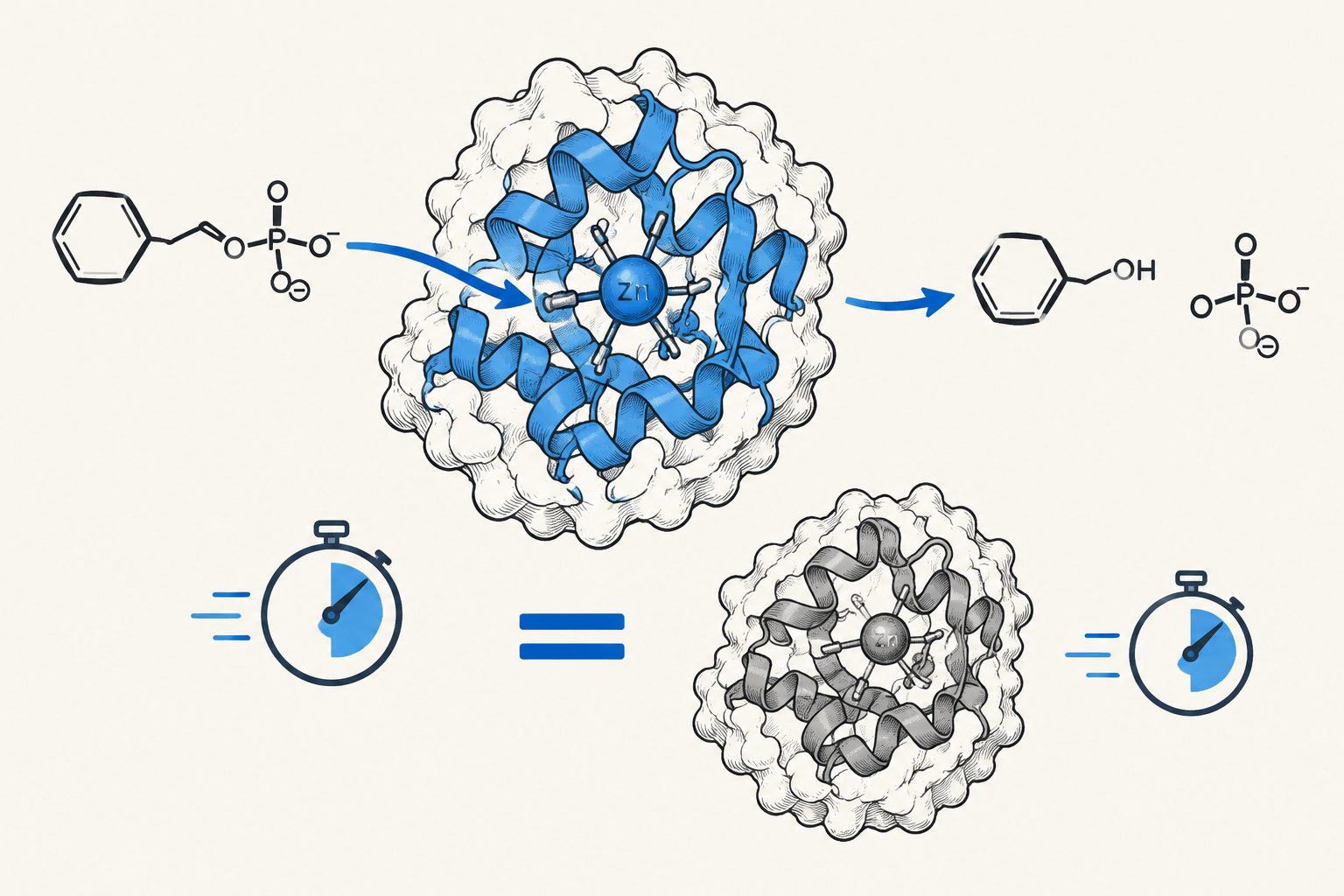
Researchers designed a zinc-containing enzyme from scratch, without a natural template, catalytic motif or evolutionary data. The enzyme showed activity against both phosphomonoesters and phosphodiesters, with rate enhancement comparable to characterized natural phosphatases.
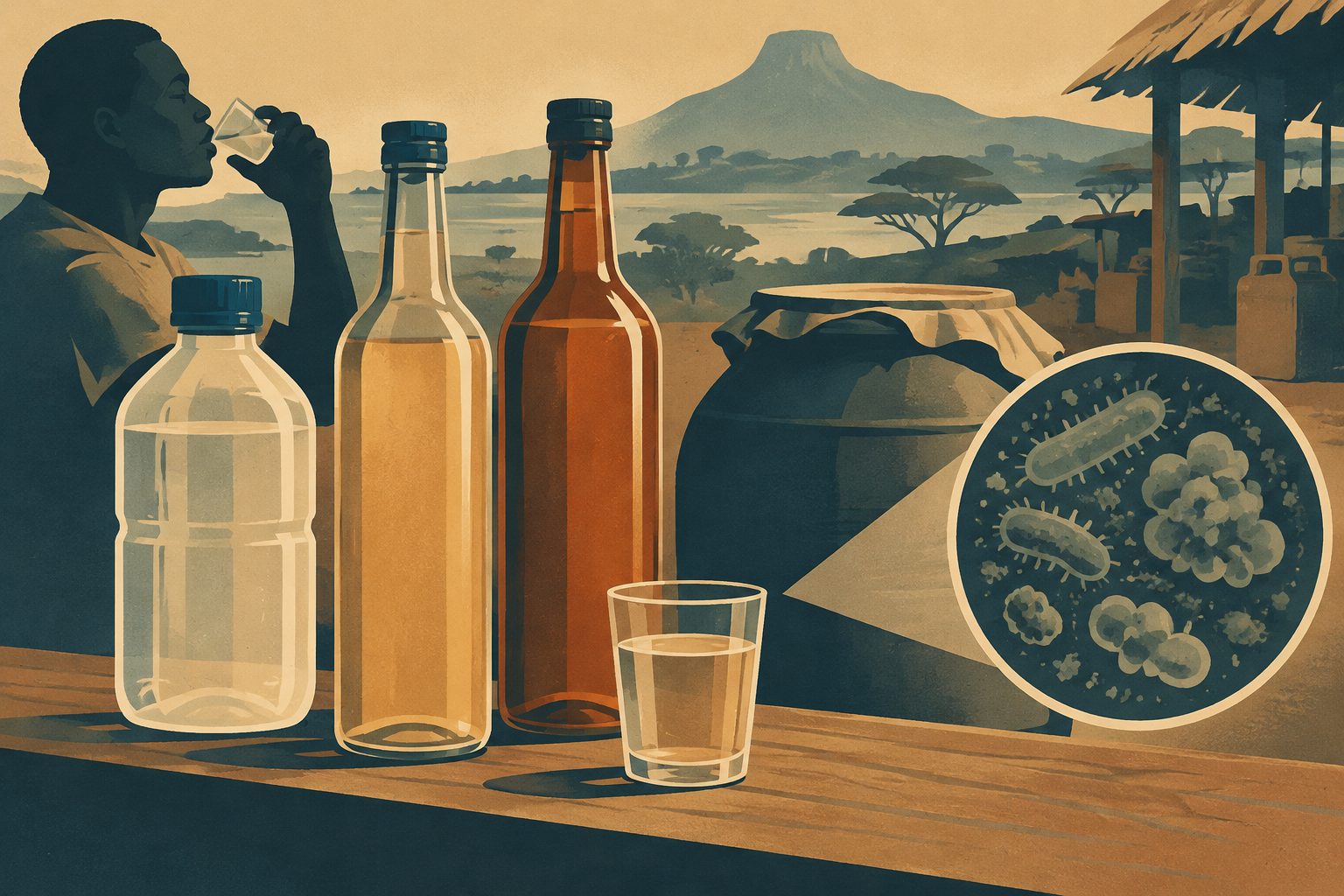
A study of illicit alcohol in two Ugandan cities found that alcohol strength was inconsistent and sometimes under-declared, reaching 44.2%. Some spirits contained methanol above safe limits, while opaque beers showed bacterial contamination and many production and retail sites had poor sanitation.
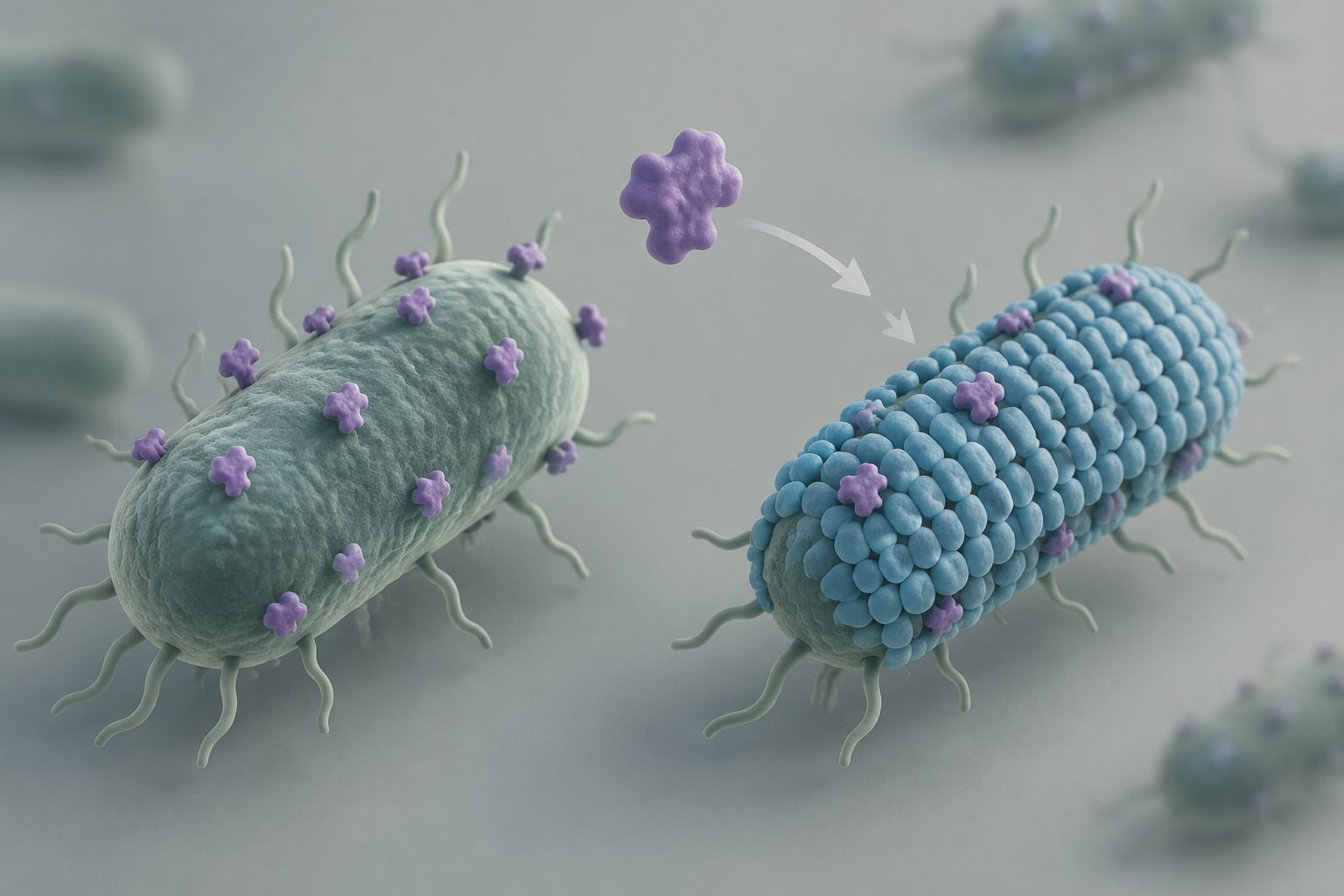
Researchers found that bacterial surface-layer proteins can evolve through modular changes and gene transfer, producing different outer structures. In closely related bacteria with the same type of surface layer, only pathogens showed resistance to the antimicrobial molecules LL-37 and lysozyme.