An open benchmark shows how quantum compilation can erase parts of a circuit
FTCircuitBench lets researchers compare compilation choices across quantum algorithms and fault-tolerant computer designs.
Editorial illustration — not from the study.
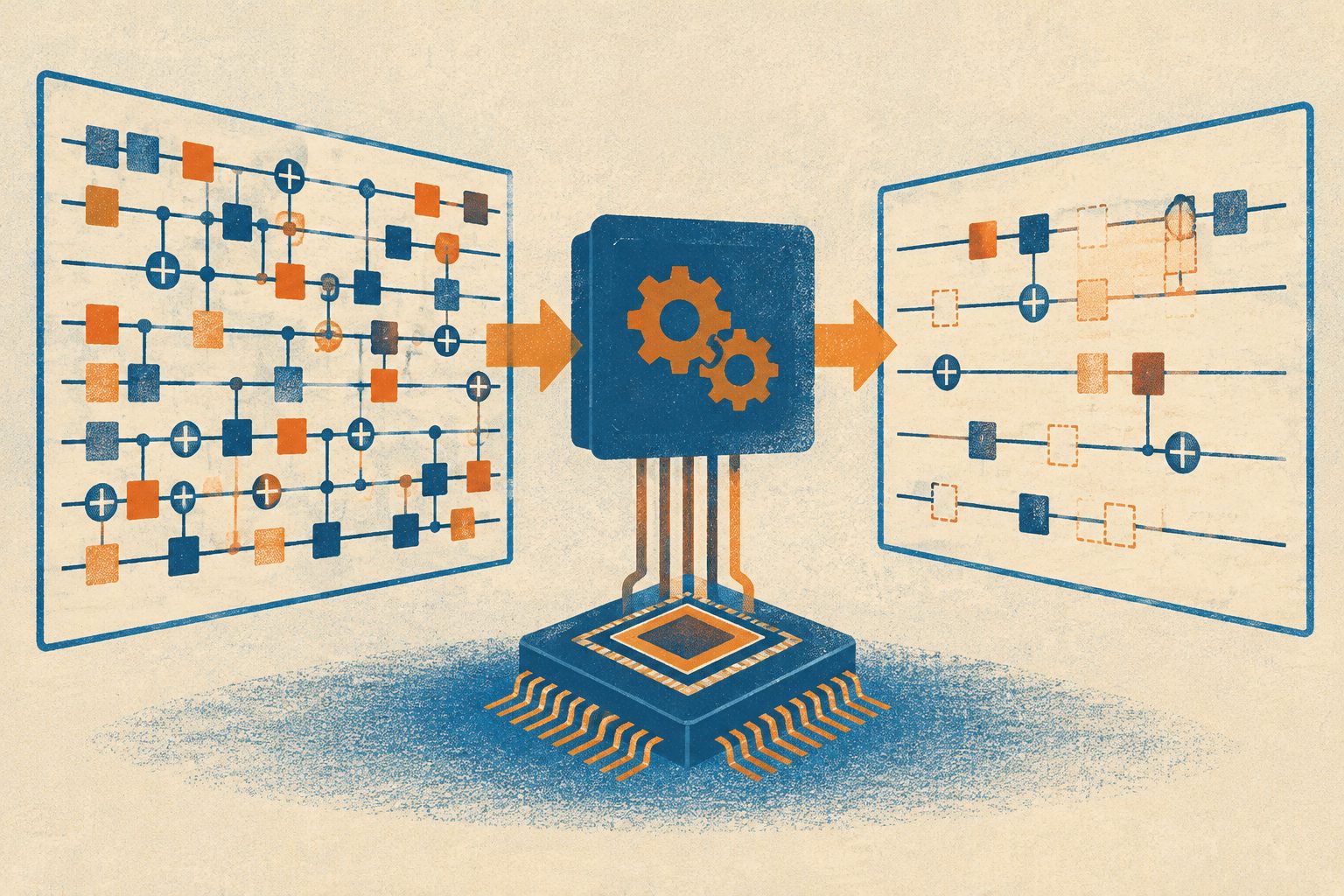
FTCircuitBench contains quantum algorithm circuits prepared in two models for fault-tolerant computation: Clifford+T and Pauli Based Computation. Its modular pipeline lets users compile algorithms for different architectures, add optimization passes and record numerical results at each stage. The project is open-sourced and maintained on GitHub.
The benchmark also exposes interactions between compilation steps. In Hamiltonian-simulation circuits built with 20 Trotter steps, low-precision Solovay–Kitaev conversion removed all Pauli rotations in many cases after a later layering-and-merging step. The authors attribute this to small-angle rotations being replaced by identity operations, along with cancellations among sequential rotations. They recommend first merging sequential rotations and replacing them with standard gates when possible.
What compilation changed
The researchers assembled a library of algorithms and precompiled versions in Clifford+T and Pauli Based Computation. Each algorithm is evaluated through four Clifford+T pipelines: Solovay–Kitaev conversion at one or two recursion levels, and Gridsynth conversion at precisions of 10^-5 and 10^-8. The toolkit records properties such as gate counts, circuit depth, T-gate counts and Pauli-weight information.
The results show that compilation stages can interact in ways that substantially change circuit statistics. For many Hamiltonian-simulation circuits with 20 Trotter steps, Solovay–Kitaev conversion at one or two recursion levels led to a 100% reduction in Pauli rotations after layering and merging. The authors explain that the small rotation angles in these circuits were close enough to identity that low-precision conversion replaced them with identity operations. They also report up to 100% T-gate reduction after cancellations in the resulting circuits. Circuits using five Trotter steps had larger rotation angles, so fewer rotations were replaced by identity operations.
Why shared tests matter
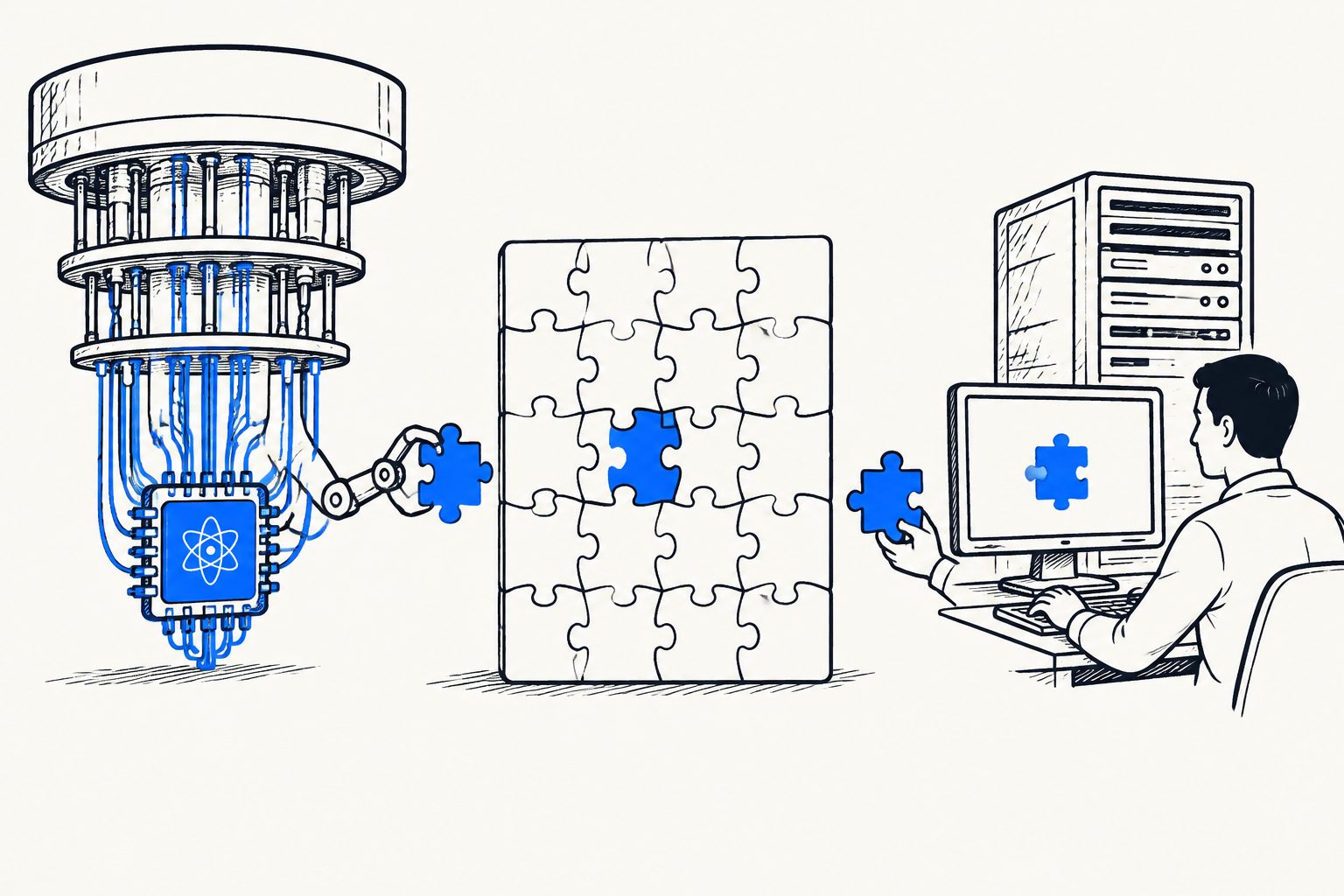
Fault-tolerant quantum computers will require algorithms to be translated into logical operations that fit particular error-correction methods and hardware layouts. FTCircuitBench gives researchers a shared way to compare those translations, optimization methods and architecture-related costs instead of relying on separate, incompatible test cases.
The reported artifacts also show why circuit estimates need to be examined across the full compilation process. A local choice about approximation precision can change the apparent number of operations later in the pipeline, potentially obscuring the computational cost of an algorithm. The toolkit is intended to make these trade-offs visible when researchers co-design algorithms, error-correction approaches and computational models.
Evidence and caveats
This work presents an open benchmark, compilation pipeline and numerical analysis of the circuits in its library; it is not a hardware demonstration or a randomized comparison of competing quantum computers. The reported examples use specified compilation methods and precisions, including 20 or five Trotter steps for the Hamiltonian-simulation circuits. The benchmark's input circuits are intentionally not optimized before compilation, so some effects arise from that choice, including sequential rotation gates that a preliminary compiler pass could merge. The excerpts do not establish that any one compiler or computational model is best overall, and the observed reductions should not be treated as general results for all quantum algorithms or architectures.
// Source
ACM Transactions on Quantum Computing · 2026 · DOI: 10.1145/3858421
Researchers used IBM quantum hardware to recover the best solutions to graph-based optimization problems with up to 117 decision variables. The results suggest favorable scaling compared with the tested classical sampling methods, but the same instances were efficiently solved by a classical optimization program.
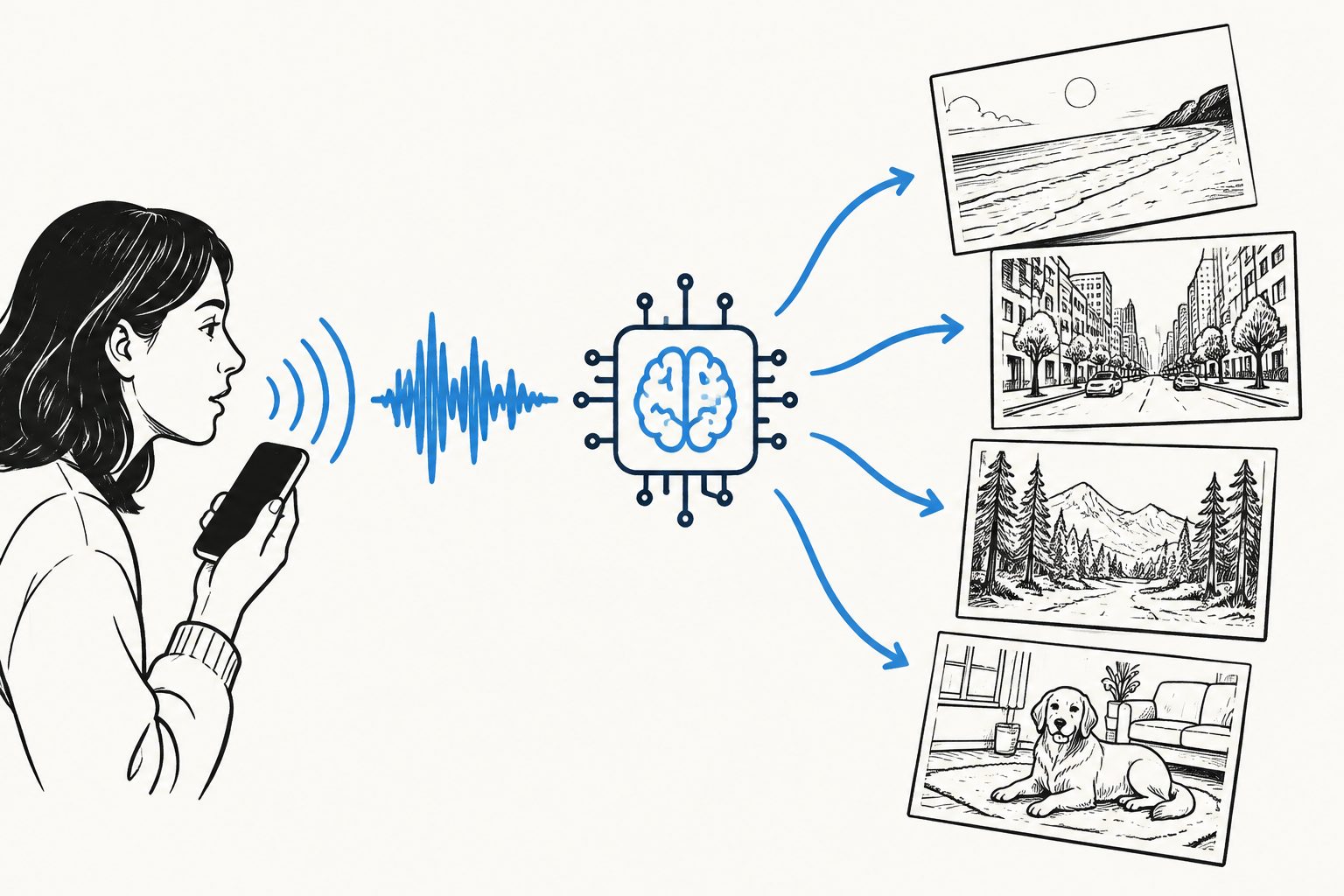
Researchers developed an AI system that generates visual scenes from sounds such as environmental noise and speech. Tested on two audio-visual datasets, it produced more varied and higher-quality images than earlier methods and allowed users to influence the results by changing the sound or the system’s internal representation.
Researchers developed a graph-learning system that trains on data from several fields, including research papers, products and social-media posts. Across six benchmark datasets, it improved results by as much as 10.2% over existing leading methods when adapting to new graph domains.