Biologically made nanoparticles could clean wastewater, but key risks remain
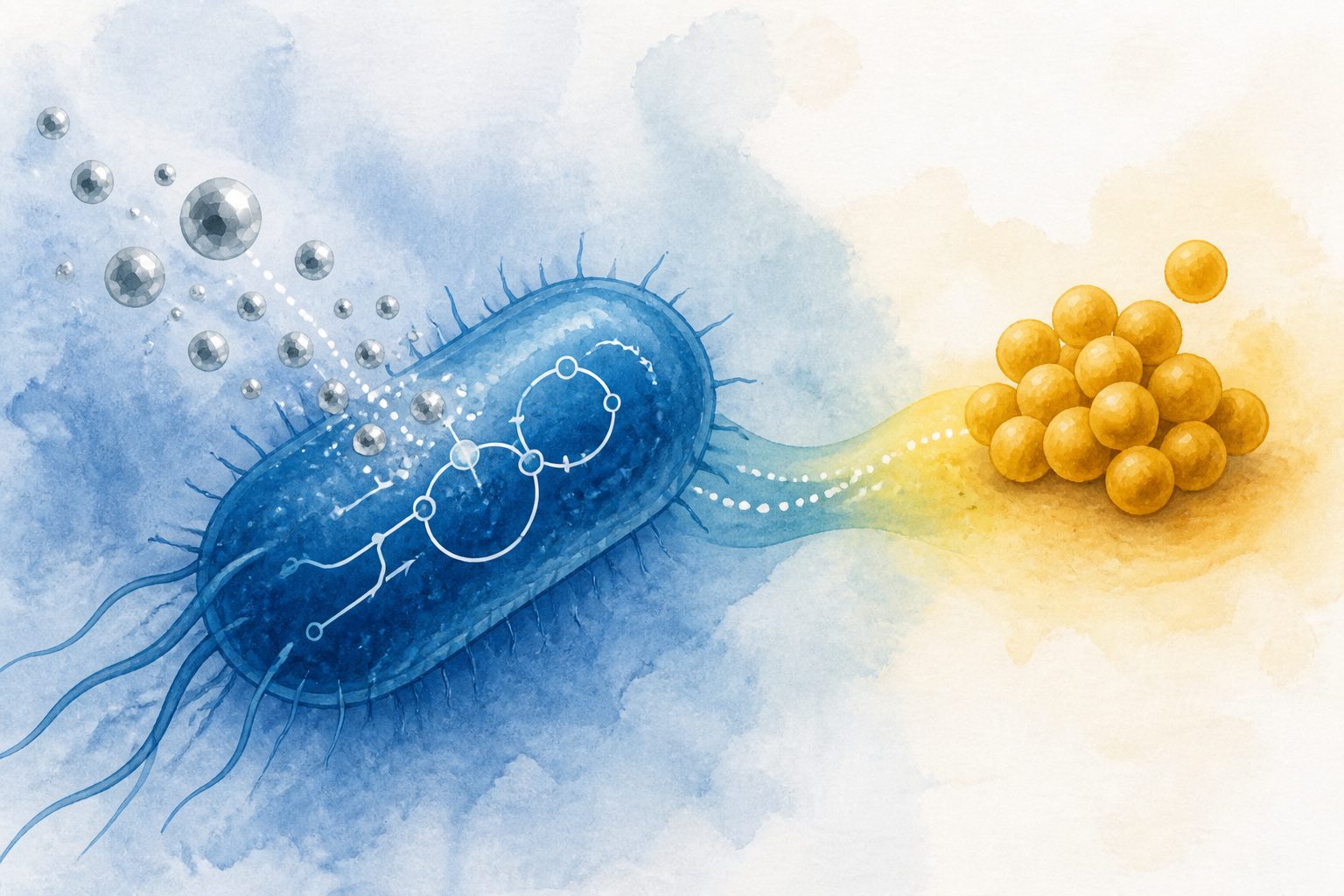
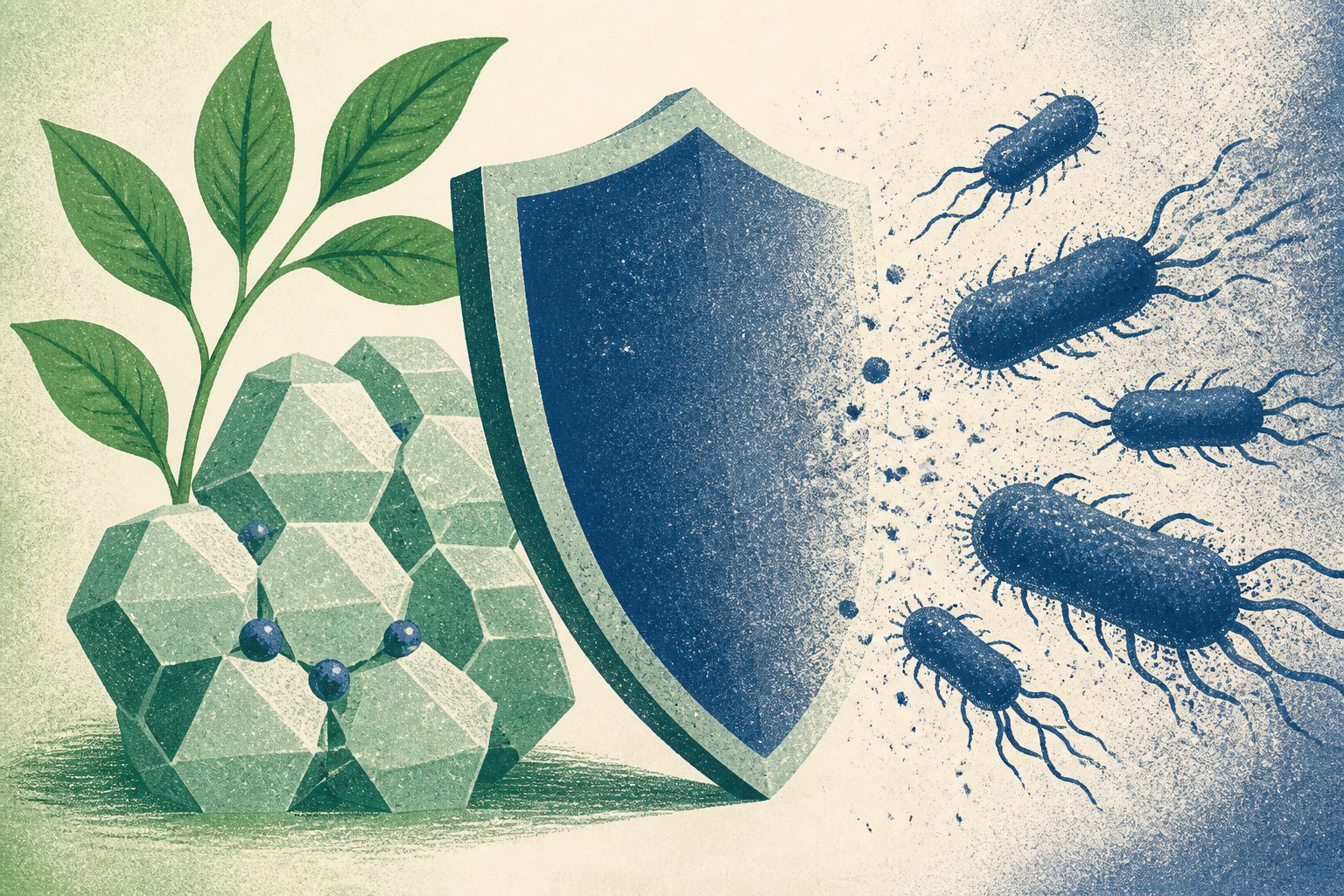
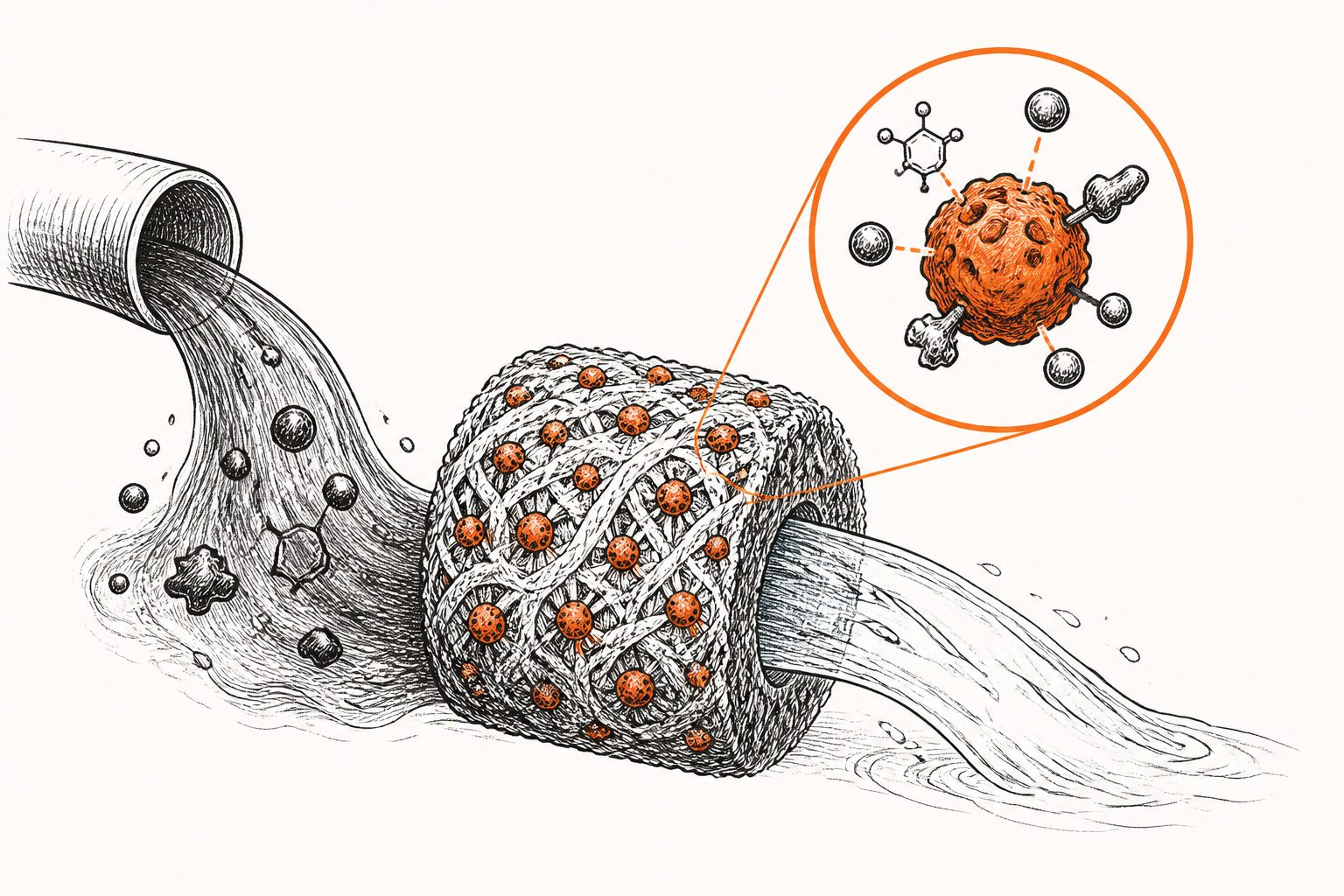
A systematic review finds that nanoparticles made with plants, bacteria, fungi and algae can remove dyes, heavy metals and other wastewater pollutants through adsorption, chemical transformation and antimicrobial activity. But differences in how they are produced, along with unanswered questions about their environmental fate, could hinder wider adoption.
·34 views