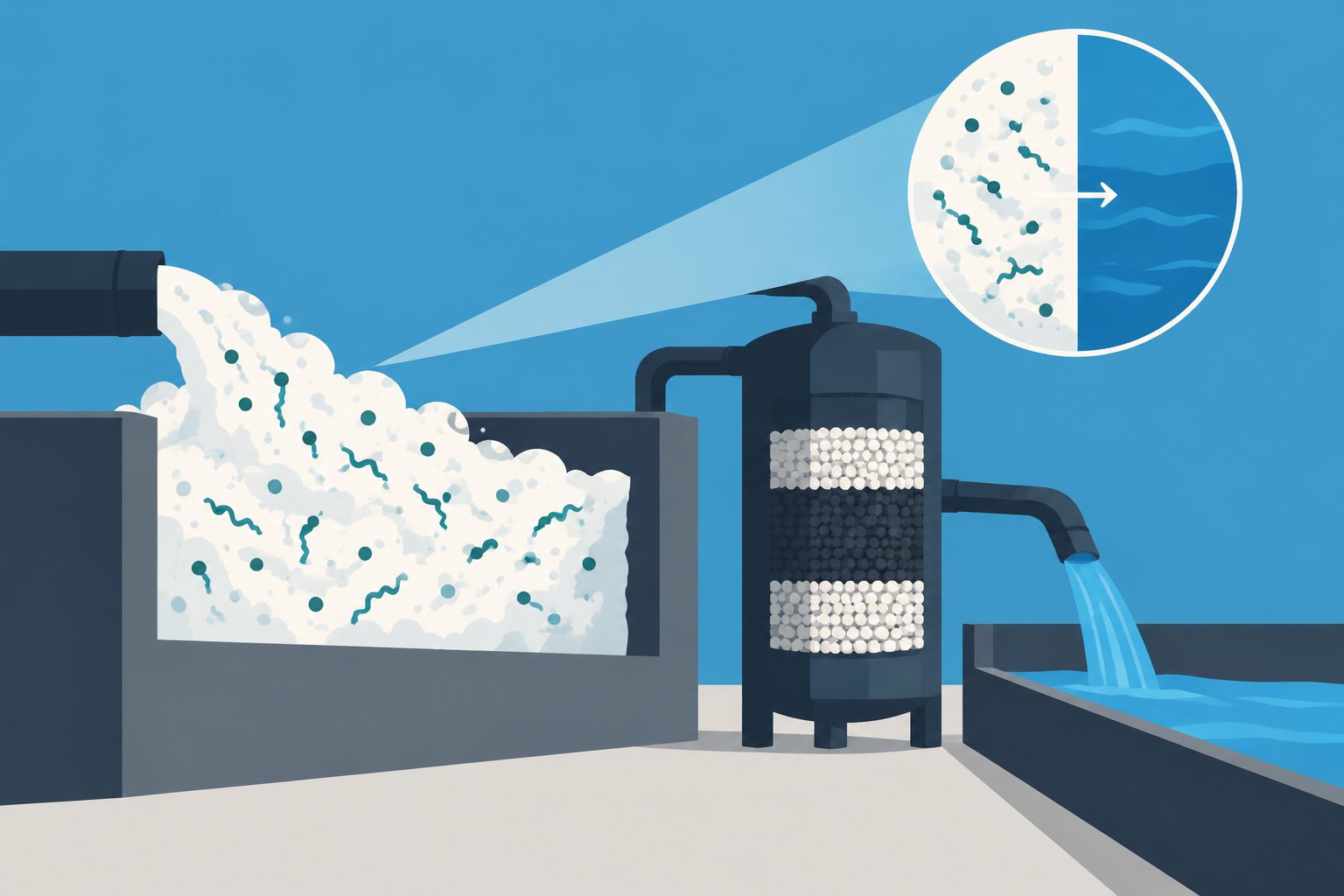
Researchers analyzed hydrogen and oxygen isotopes, along with dissolved chemicals, in waters from and around Kussharo Caldera in northern Japan. They found that the Kawayu hot springs near the active lava dome cannot be explained by rainfall alone: their measurements indicate mixing between surface water and magmatic water released from below.
Climate & Environment1 month ago
Volcanic water beneath Japan’s Kussharo Caldera traces back to a sinking ocean plate
Water from hot springs near the caldera’s active lava dome carries the chemical and isotopic signature expected from the Pacific Plate.
The water’s source
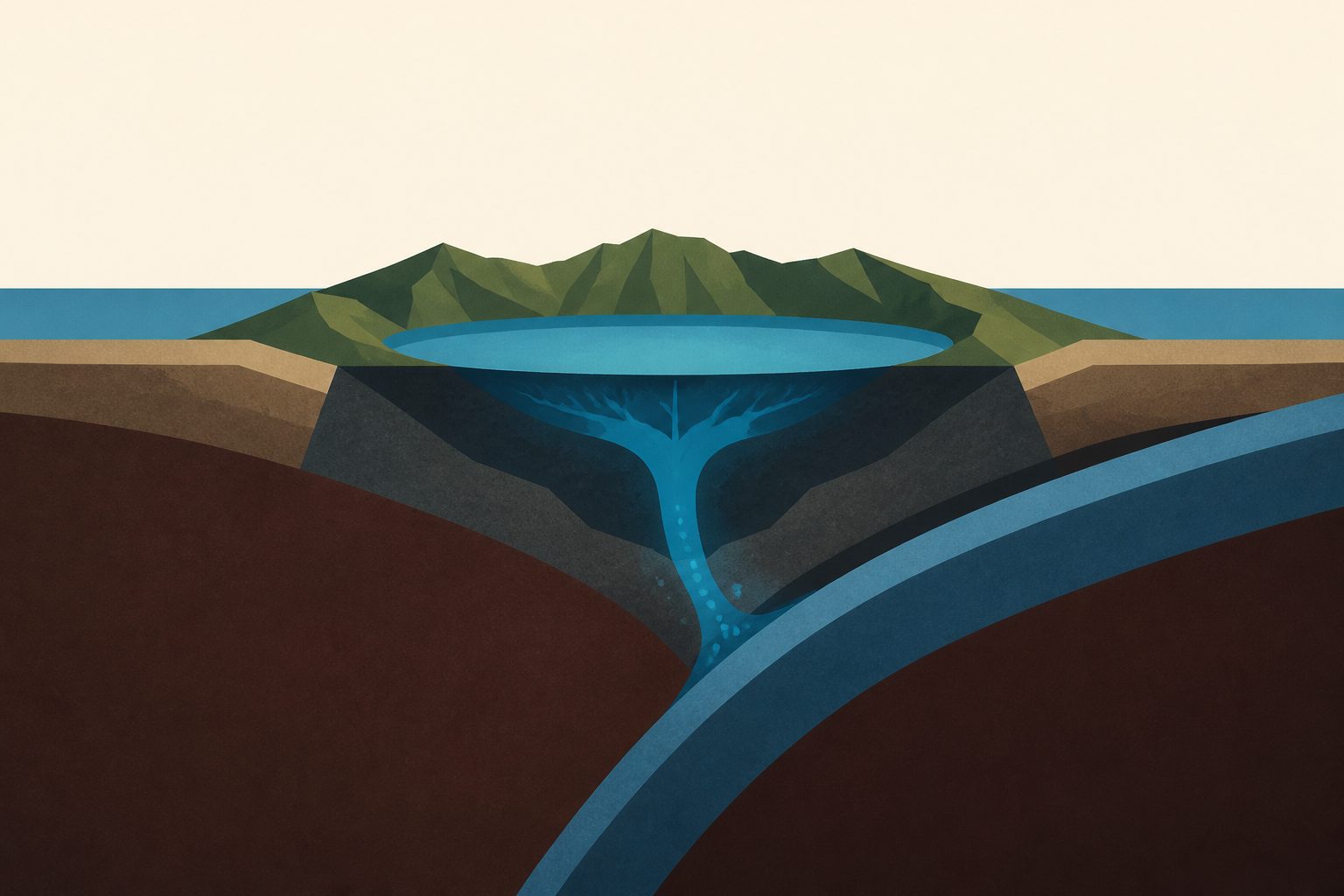
The Kawayu hot springs showed strong linear relationships among hydrogen isotopes, oxygen isotopes, chloride and sulfate concentrations. Together, these patterns indicate mixing between meteoric water—water originating from rain or snow—and magmatic water. The estimated isotopic composition of the magmatic component matched a simulated value for water released from the Pacific Plate as it subducts beneath Japan, providing direct evidence that the magmatic water came from the slab. The study also found that volcanic vapor and hydrothermal waters had partly changed isotope compositions because of separation between vapor and liquid.
Why slab water matters
Water carried into Earth’s interior by a subducting oceanic plate is important to the formation of magmas in volcanic arcs. Direct evidence for the slab origin of magmatic water has been limited, so the match between the Kussharo measurements and the simulated slab-water value helps connect subduction to the water beneath an active volcanic region. The study also indicates that a large flow of slab-derived water can retain its original isotopic signature even when surrounding rocks have undergone substantial chemical exchange with water.
Evidence and caveats
The evidence comes from isotope and dissolved-ion analyses of hot and cold springs, rivers, volcanic vapor and hydrothermal waters around Kussharo Caldera. The conclusion relies on correlations in the water measurements and on a match between the inferred magmatic component and a simulated value for Pacific slab-derived water. The abstract does not report the number of samples or the uncertainty of the measurements. It also notes that fumarolic vapor and hydrothermal waters were partly altered by vapor–liquid separation, so not every water type preserves the slab signal unchanged.
// Source
Institutional Repositories DataBase (IRDB) · 2026
Open access versionPublished 2026-09-01
Authors: Yamanaka Tsutomu, Adachi Ikuya, Sato Konomi, Runze Guo, Rofiqul Umam
Institutions: University of Tsukuba