Study links robot-assisted cancer surgery with fewer short-term complications
A single-hospital analysis found differences among robot-assisted, minimally invasive and open operations, especially for some kidney and prostate procedures.
Moderate evidenceHuman studySome caution advised
Medical disclaimer: This article summarizes research findings and is for informational purposes only. It is not medical advice.
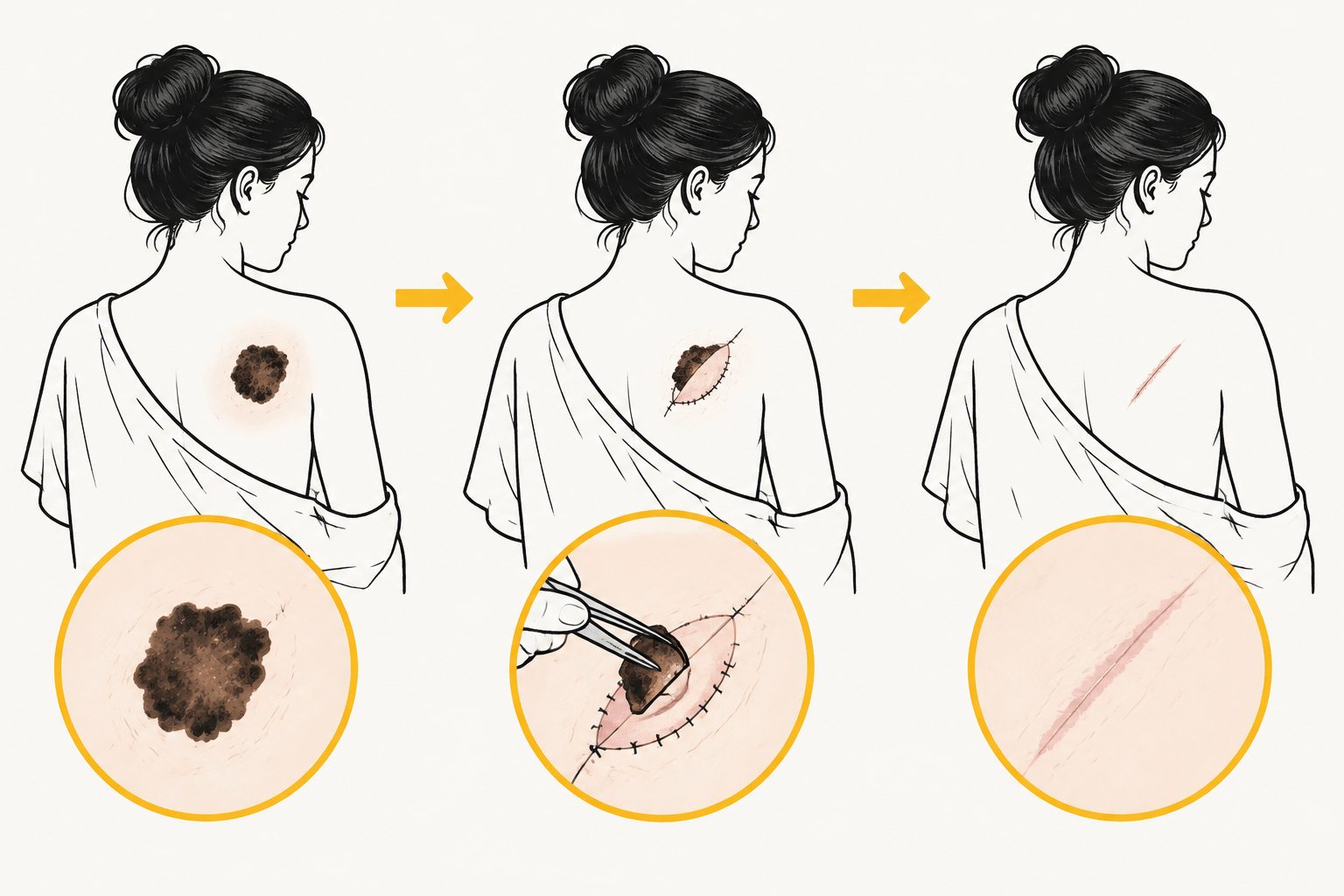
Editorial illustration — not from the study.
The study compared robot-assisted surgery, video-assisted surgery using laparoscopic or thoracoscopic techniques, and open surgery across 13 types of cancer operations. Researchers used statistical weighting to make the groups more similar on measured characteristics, and examined major complications, blood transfusions, hospital stay, readmission within 30 days and conversion to open surgery.
Across the full group, robot-assisted surgery became more common during the study period, while open surgery became less common. The strongest reported differences were for robot-assisted partial kidney removal and prostate removal compared with open surgery. The findings varied by procedure, so they do not establish that one approach is generally preferable for all cancer operations.
What the study looked at
This retrospective, single-institution cohort study included 36,208 index cancer operations in 34,785 patients treated from January 2016 through December 2025. The researchers compared robot-assisted, video-assisted laparoscopic or thoracoscopic, and open surgery across 13 procedure groups. They adjusted the overall cohort and 22 procedure-level comparisons using stabilized inverse probability of treatment weighting. For some cancer sites, they also adjusted for cancer site when tumor stage was not comparable between groups. The primary outcome was a major complication, defined as Clavien–Dindo grade 3 or higher. Secondary outcomes included transfusion, hospital length of stay, 30-day readmission and conversion to open surgery.
What the analysis found
After weighting, measured covariates in the overall comparison had standardized mean differences of 0.10 or less. Compared with open surgery, robot-assisted partial nephrectomy was associated with fewer major complications, with an odds ratio of 0.33 and a 95% confidence interval of 0.19 to 0.55. Robot-assisted radical prostatectomy was also associated with fewer major complications, with an odds ratio of 0.24 and a 95% confidence interval of 0.13 to 0.42.
Transfusions were lower in 14 of 22 procedure-level comparisons, and hospital stays were shorter in 13. The largest reported reduction in stay was for robot-assisted radical cystectomy, with a geometric mean ratio of 0.64. Overall, robot-assisted and video-assisted approaches were associated with fewer complications and transfusions and shorter stays than open surgery, with the most consistent findings reported for partial nephrectomy and radical prostatectomy. These are associations, not proof that the surgical approach caused the outcomes.
Who this may apply to
The findings may be most relevant to patients and hospitals similar to those represented in this institution's cancer surgery records, particularly for the specific kidney and prostate procedures with the clearest reported associations. They may not apply in the same way to other operations, hospitals, surgeons, cancer stages or patient groups. The results are population-level observations and are not evidence that one surgical approach will produce the same outcome for every person.
The significance
The results suggest that comparisons should be made separately for specific cancer operations rather than treating all robotic or minimally invasive surgery as one category. This may help researchers and health systems evaluate perioperative outcomes by procedure. The study does not establish which approach is appropriate for an individual patient, and it did not show that the observed short-term differences apply equally to every cancer operation or hospital.
Limitations & evidence assessment
This was a retrospective observational study at a single institution, so the groups may have differed in ways that were not fully measured or adjusted for. The researchers noted that procedure mix and the calendar time when specialties adopted robotic surgery can confound broad technology-level comparisons. Statistical weighting can reduce differences in recorded factors but cannot remove unknown or unmeasured confounding, and the abstract does not provide full details on all adjusted factors, long-term outcomes, surgeon experience or costs. The analysis focused on perioperative outcomes and therefore does not establish differences in long-term cancer control, survival or quality of life. Because the study was conducted at one institution, its results may not generalize to other hospitals or patient populations.
Why this evidence level: Cohort study on humans; observational but structurally stronger than cross-sectional designs.
Evidence levels are editorial estimates derived from study metadata — they are not clinical appraisals.
// Source
Journal of Robotic Surgery · 2026 · DOI: 10.1007/s11701-026-03814-7
This systematic review examined randomized human trials of concurrent chemotherapy and radiation for locally advanced head and neck, cervical, esophageal, and non-small-cell lung cancers. Across the included trials, combined treatment was reported to provide better overall survival than radiation alone, but it also caused more severe short-term side effects. The review did not provide enough information in its abstract to show how many trials or patients were included.
Researchers pooled results from seven human studies comparing multiple-staged with single-stage removal and reconstruction of congenital melanocytic nevi, sometimes called congenital moles. Staged surgery was associated with fewer major wound complications and recurrences, as well as slightly shorter and narrower scars, but the studies did not find a clear difference in cosmetic or overall patient satisfaction.
A cluster-randomized human study in 210 adults with recently detected stage 1 hypertension in Uzbekistan compared salt-sensitivity testing followed by assigned medication choices with conventional management. After 12 weeks, more participants in the testing-guided group reached the study's blood pressure target, although the study was small, short, and conducted in only three primary care centers.