Study links loneliness and multiple physical conditions in both directions
Longitudinal data from five cohorts found associations over time, but they do not establish a cause-and-effect cycle.
Moderate evidenceHuman studySome caution advised
Medical disclaimer: This article summarizes research findings and is for informational purposes only. It is not medical advice.
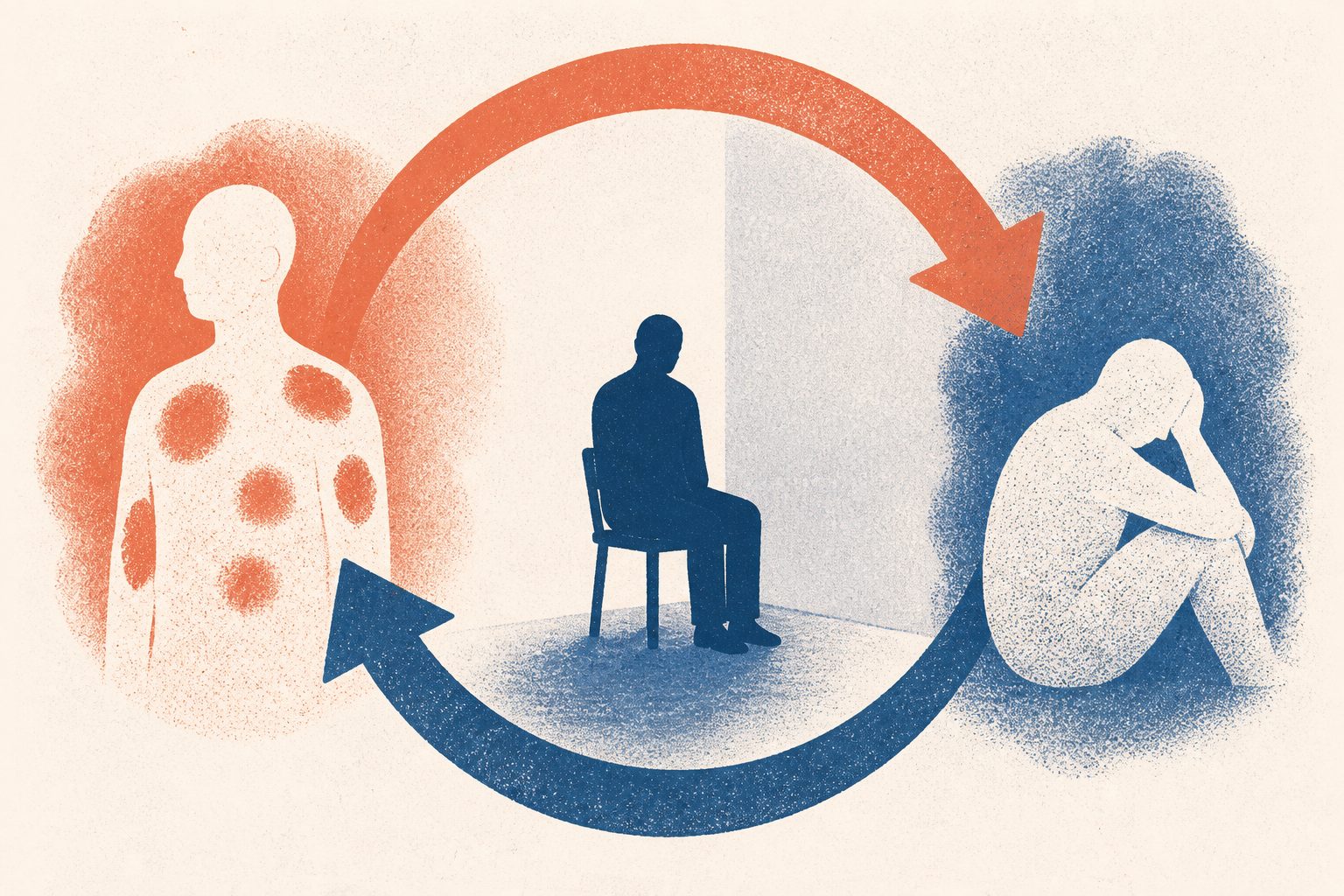
Editorial illustration — not from the study.
Researchers analyzed longitudinal information from adults aged 45 and older in 19 countries. Across five prospective cohorts, they examined whether having multiple long-term physical health conditions was associated with later loneliness, and whether loneliness was associated with later development of multiple conditions.
The analysis found associations in both directions. Social inactivity statistically accounted for part of the pathway from physical multimorbidity to later loneliness. Because the study was observational, these results describe relationships over time rather than demonstrating that one factor directly caused another.
What the study looked at
The researchers examined whether physical multimorbidity—having multiple physical health conditions—and loneliness were related over time in adults aged 45 and older. They combined longitudinal data from five prospective cohorts: the US Health and Retirement Study, the English Longitudinal Study on Ageing, the Survey of Health, Ageing and Retirement in Europe, the China Health and Retirement Longitudinal Study, and the Korean Longitudinal Study of Aging. The cohorts covered 19 countries. The abstract does not state the total number of participants.
What researchers observed
Cox regression models estimated that physical multimorbidity was associated with a higher subsequent hazard of loneliness, with an adjusted hazard ratio of 1.25 and a 95% confidence interval of 1.20 to 1.30. Loneliness was also associated with a higher subsequent hazard of physical multimorbidity, with an adjusted hazard ratio of 1.10 and a 95% confidence interval of 1.05 to 1.17. A separate longitudinal model found a significant association between physical multimorbidity at the first time point and loneliness at the third time point, with social inactivity at the second time point statistically mediating part of this association. These estimates indicate associations, not proven causal effects.
Who this may apply to
These findings may be relevant to adults aged 45 and older in countries and populations resembling those represented in the five cohorts. They do not establish that the same associations occur in younger people or in every population, and they do not show that loneliness, physical multimorbidity, or social inactivity causes the others.
The significance
Loneliness and having multiple long-term physical health conditions are common public-health concerns. The findings indicate that they may be linked over time and that reduced social activity may be part of the statistical pathway connecting physical multimorbidity with later loneliness. However, the study does not show that changing any of these factors would change the others, so its implications are limited to understanding associations rather than establishing an intervention effect.
Limitations & evidence assessment
The study was observational, so the reported links cannot show that loneliness causes multiple physical conditions, that multiple conditions cause loneliness, or that social inactivity is the cause of the observed pathway. The abstract does not provide the total number of participants, details of how loneliness, social inactivity, and health conditions were measured, or the length of follow-up. Although the researchers adjusted their analyses, other unmeasured factors may still have affected the results. The findings may not apply equally to people younger than 45 or to populations not represented in the five cohorts.
Why this evidence level: Cohort study on humans; observational but structurally stronger than cross-sectional designs.
Evidence levels are editorial estimates derived from study metadata — they are not clinical appraisals.
This systematic review examined randomized human trials of concurrent chemotherapy and radiation for locally advanced head and neck, cervical, esophageal, and non-small-cell lung cancers. Across the included trials, combined treatment was reported to provide better overall survival than radiation alone, but it also caused more severe short-term side effects. The review did not provide enough information in its abstract to show how many trials or patients were included.
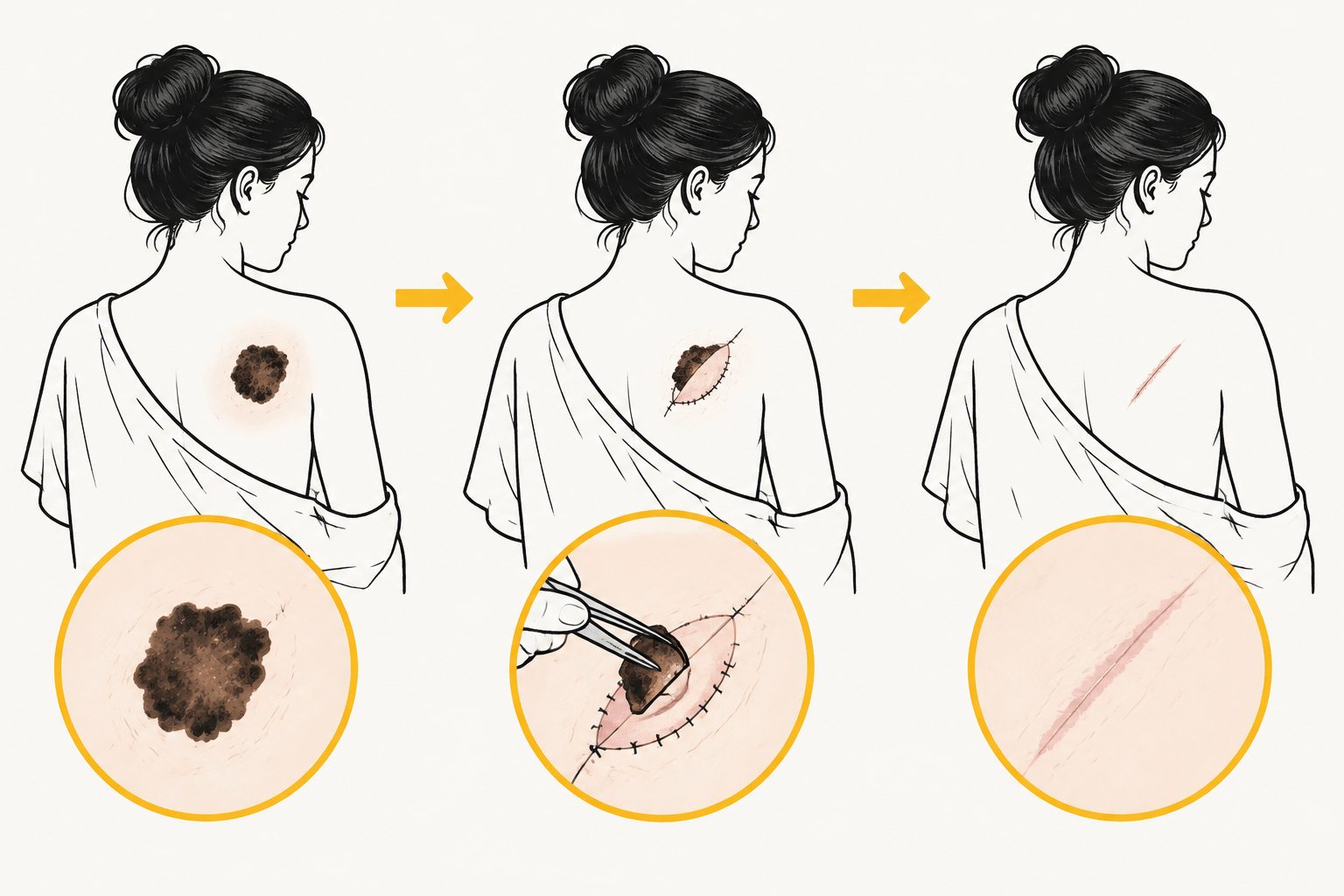
Researchers pooled results from seven human studies comparing multiple-staged with single-stage removal and reconstruction of congenital melanocytic nevi, sometimes called congenital moles. Staged surgery was associated with fewer major wound complications and recurrences, as well as slightly shorter and narrower scars, but the studies did not find a clear difference in cosmetic or overall patient satisfaction.
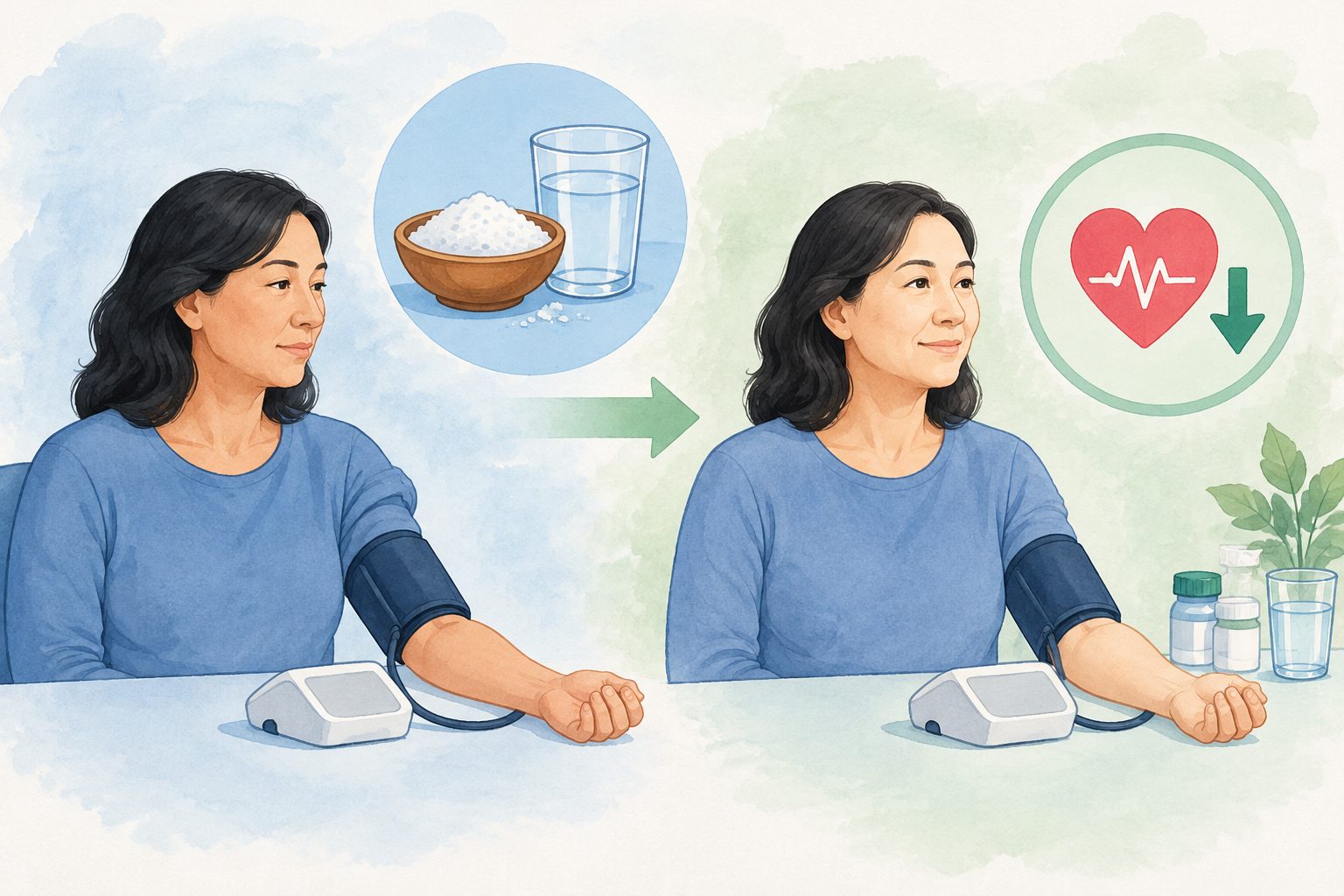
A cluster-randomized human study in 210 adults with recently detected stage 1 hypertension in Uzbekistan compared salt-sensitivity testing followed by assigned medication choices with conventional management. After 12 weeks, more participants in the testing-guided group reached the study's blood pressure target, although the study was small, short, and conducted in only three primary care centers.